Korzhikov-Vlakh Viktor, Katernuk Iuliia, Pilipenko Iuliia, Lavrentieva Antonina, Guryanov Ivan, Sharoyko Vladimir, Manshina Alina A, Tennikova Tatiana B
Institute of Chemistry, Saint Petersburg State University, St. Petersburg, Universitetskii pr. 26, Peterhoff 198504, Russia.
Institute of Technical Chemistry, Leibniz University, Callinstrasse 5, 30167 Hannover, Germany.
Polymers (Basel). 2020 May 8;12(5):1077. doi: 10.3390/polym12051077.
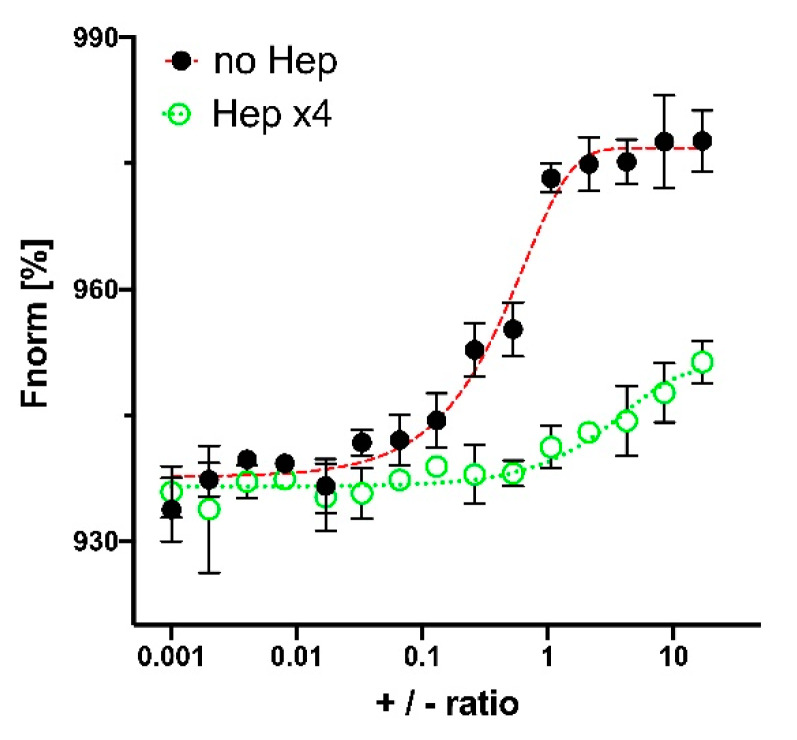
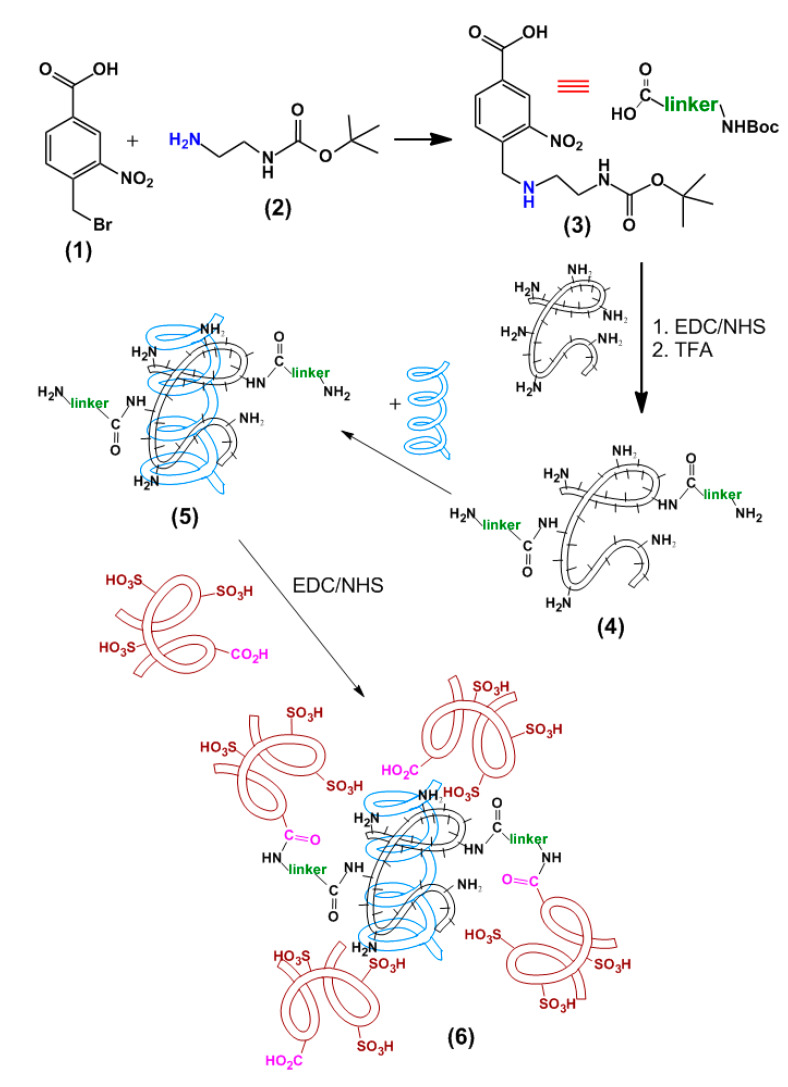
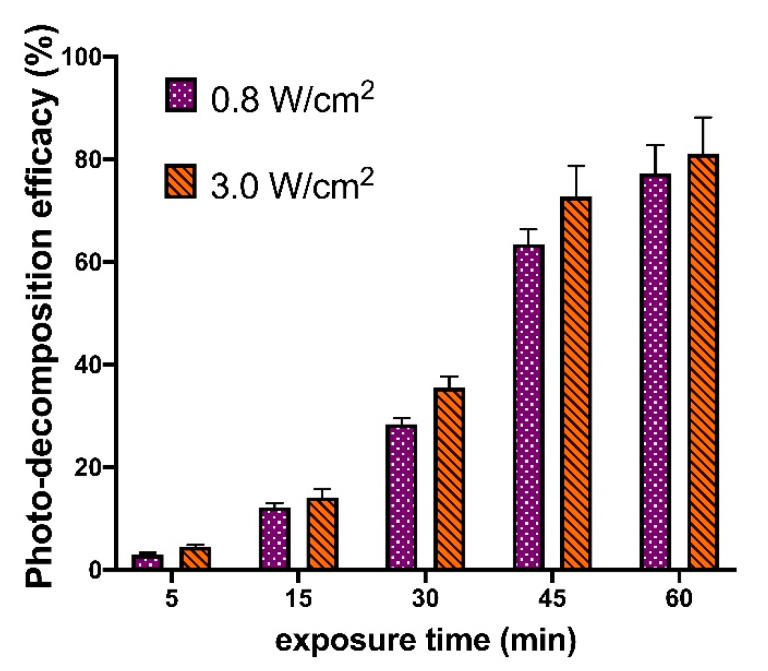
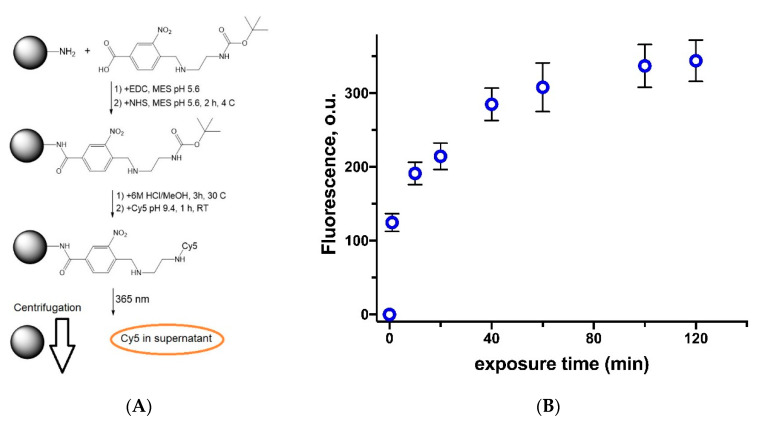
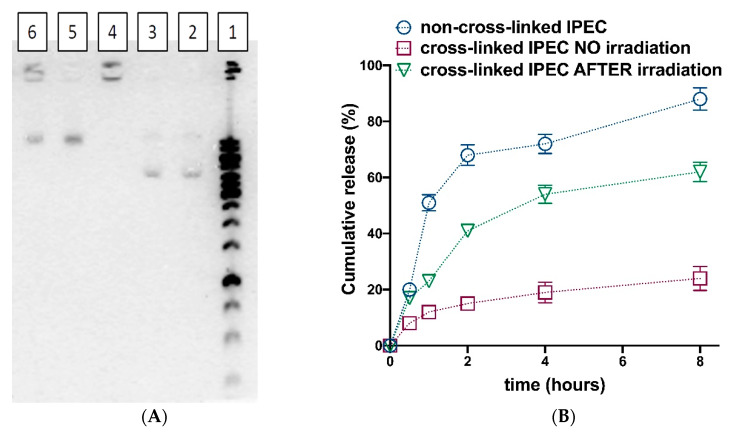
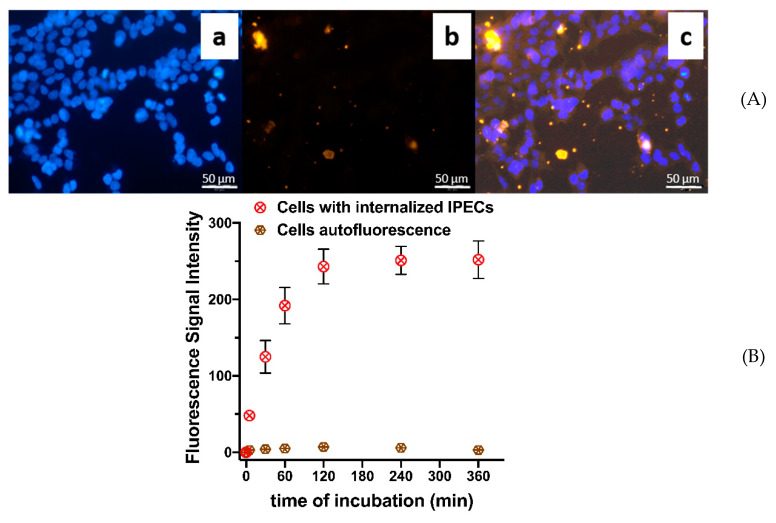
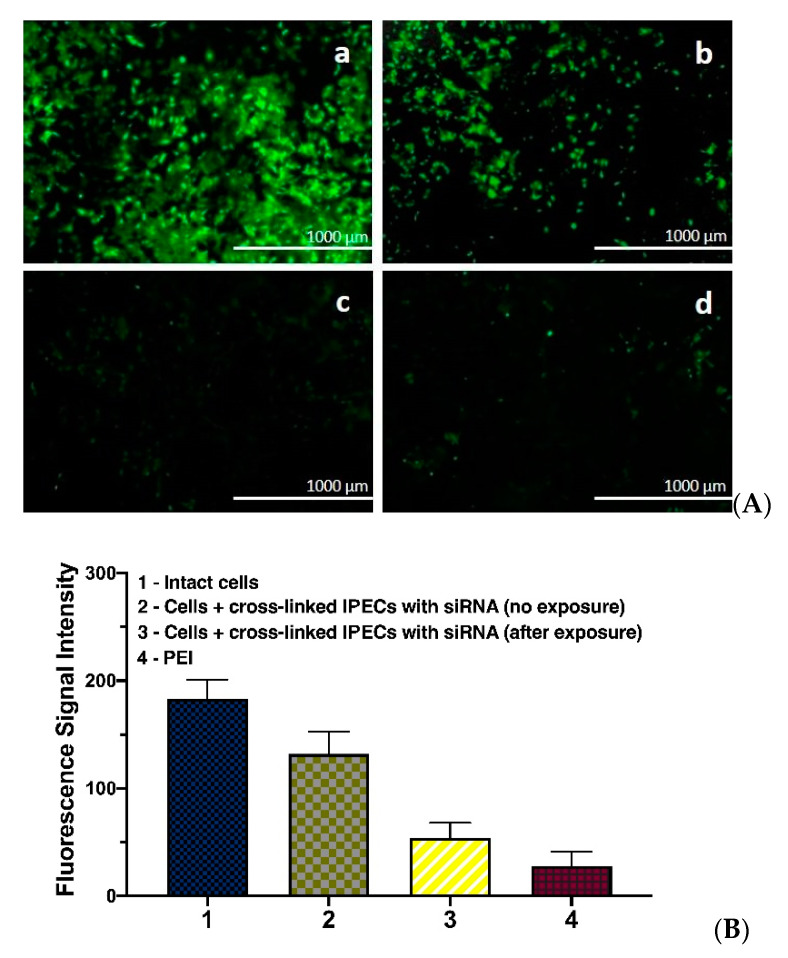
Photo-triggered release of biopharmaceutical drugs inside the cells is a challenging direction of modern science, which requires obtaining new polymeric systems. The interpolyelectrolyte complexes (IPECs) of poly-l-lysine with heparin capable of encapsulation of genetic constructions-such as model oligonucleotide, siRNA, and pDNA-were obtained. Poly-l-lysine to heparin ratios were optimized to provide the appropriate release kinetics of genetic material from the polyplex. In order to impart the obtained IPEC with photosensitive properties, the linker was synthesized as based on 4-brommethyl-3-nitrobenzoic acid. The conditions and kinetics of photosensitive linker destruction were carefully studied. The colloid particles of IPEC were modified with Cy3 probe and their cellular internalization was investigated by flow cytometry method. The efficacy of photosensitive IPECs as siRNA and pDNA delivery system was evaluated.
细胞内生物制药药物的光触发释放是现代科学中一个具有挑战性的方向,这需要获得新的聚合物体系。制备了聚-L-赖氨酸与肝素的聚电解质复合物(IPECs),其能够包封遗传构建体,如模型寡核苷酸、小干扰RNA(siRNA)和质粒DNA(pDNA)。优化了聚-L-赖氨酸与肝素的比例,以提供从多聚体中释放遗传物质的合适动力学。为了使所得的IPEC具有光敏特性,基于4-溴甲基-3-硝基苯甲酸合成了连接体。仔细研究了光敏连接体破坏的条件和动力学。用Cy3探针修饰IPEC的胶体颗粒,并通过流式细胞术研究其细胞内化。评估了光敏IPECs作为siRNA和pDNA递送系统的功效。