Key laboratory of Molecular Epigenetics of Ministry of Education (MOE), Northeast Normal University, Changchun, 130024, China.
Department of Agronomy, Jilin Agricultural University, Changchun, 130118, China.
BMC Plant Biol. 2020 May 12;20(1):210. doi: 10.1186/s12870-020-02423-2.
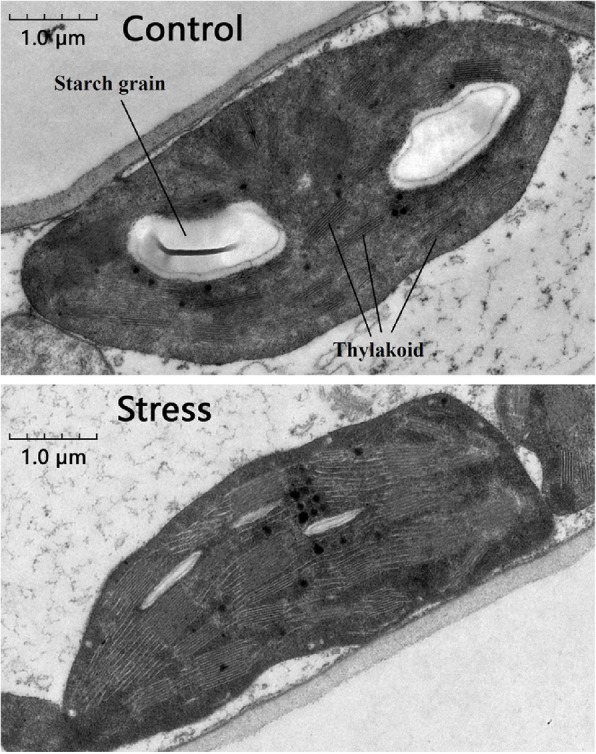
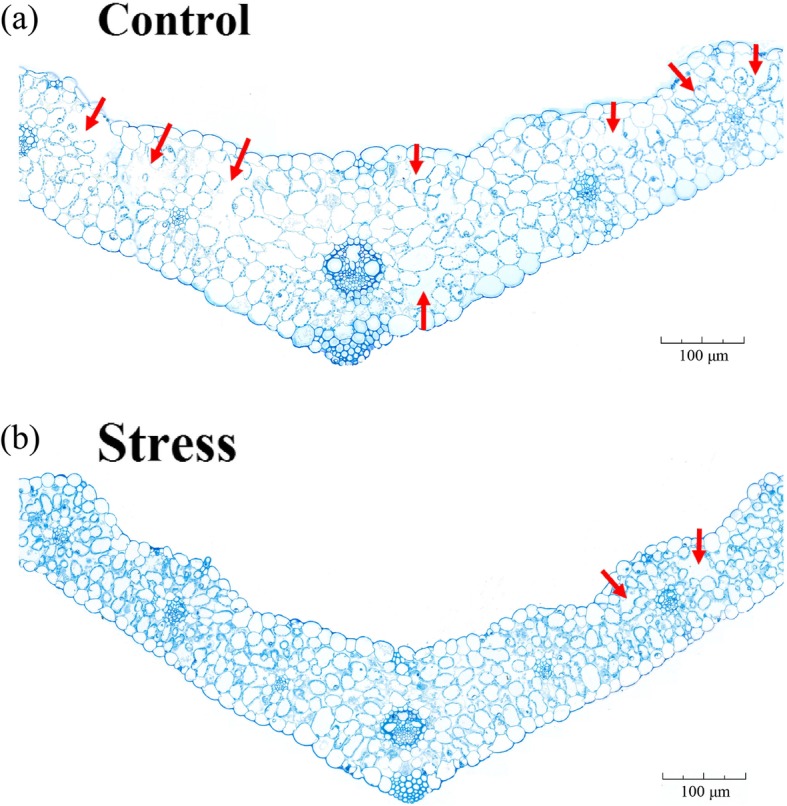
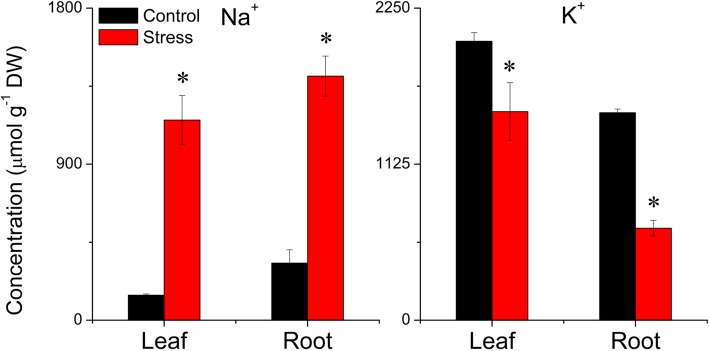
Most studies of crop salinity tolerance are conducted under short-term stress condition within one growth stage. Understanding of the mechanisms of crop response to long-term salinity stress (LSS) is valuable for achieving the improvement of crop salinity tolerance. In the current study, we exposed allohexaploid wheat seeds to LSS conditions from germination stage to young seedling stage for 30 days. To elucidate the adaptive strategy of allohexaploid wheat to LSS, we analyzed chloroplast ultrastructure, leaf anatomy, transcriptomic profiling and concentrations of plant hormones and organic compatible solutes, comparing stressed and control plants.
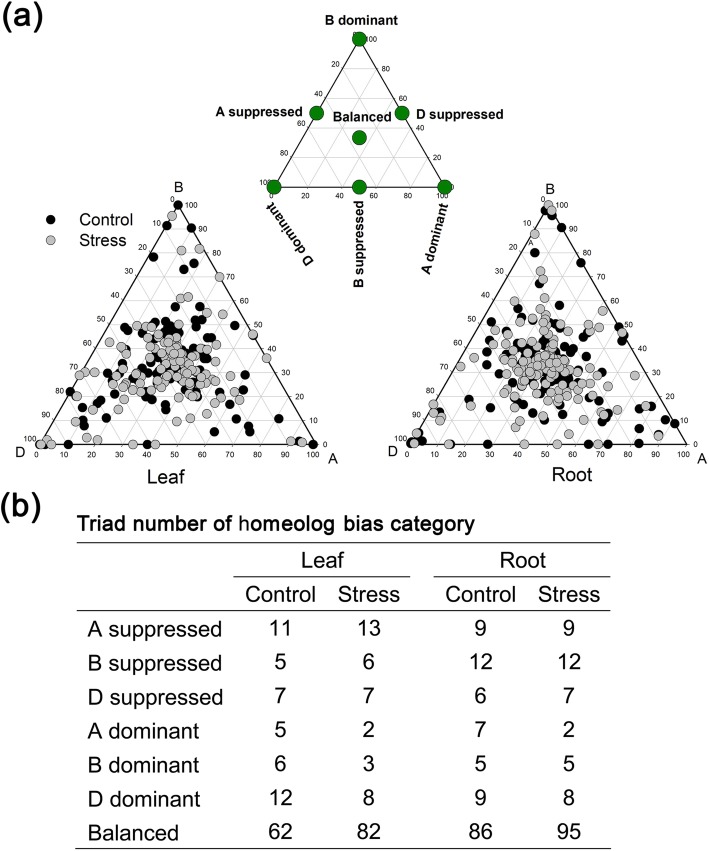
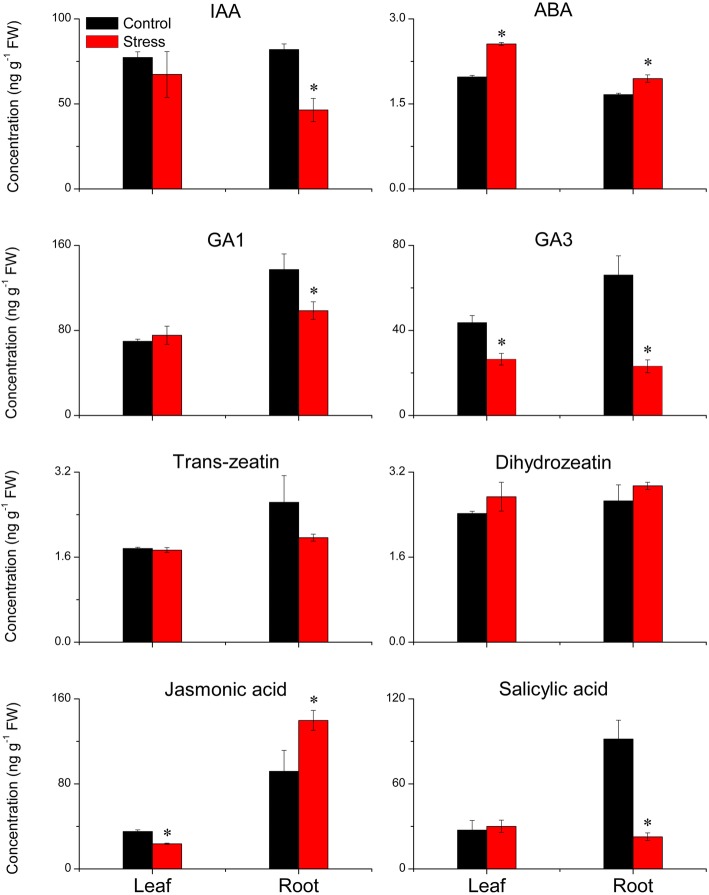
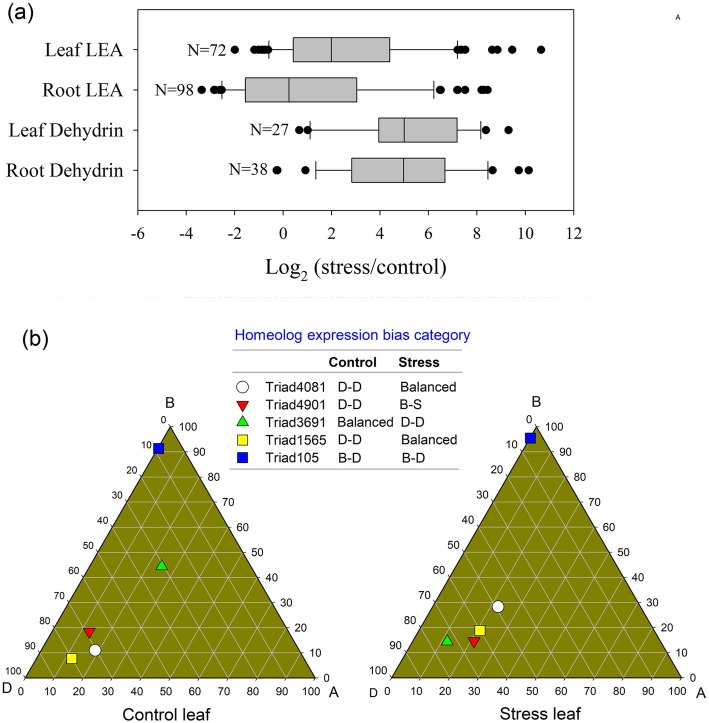
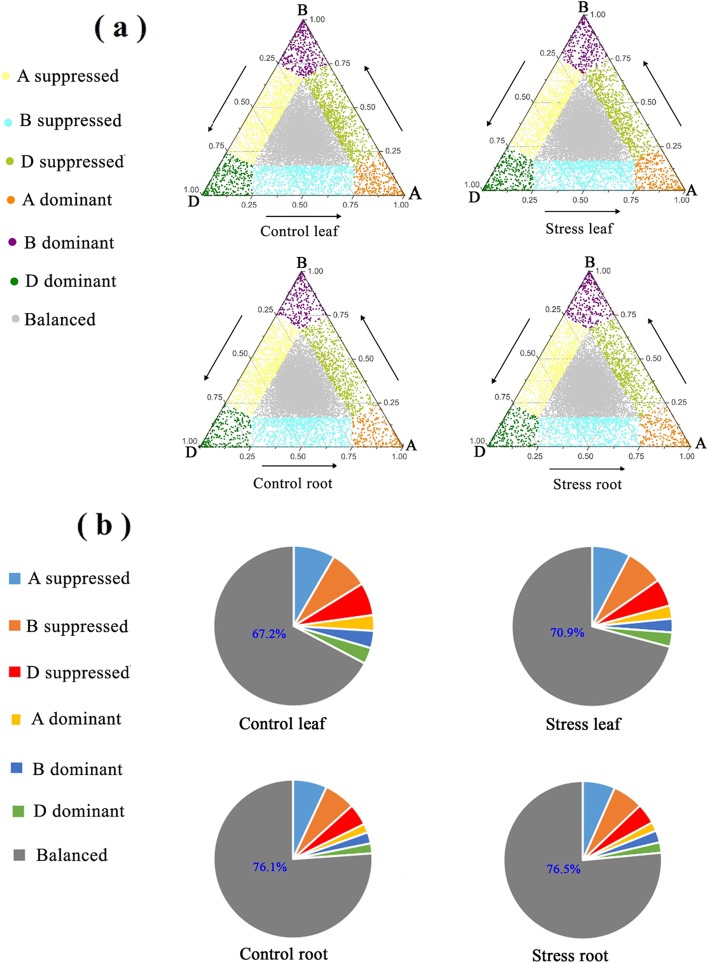
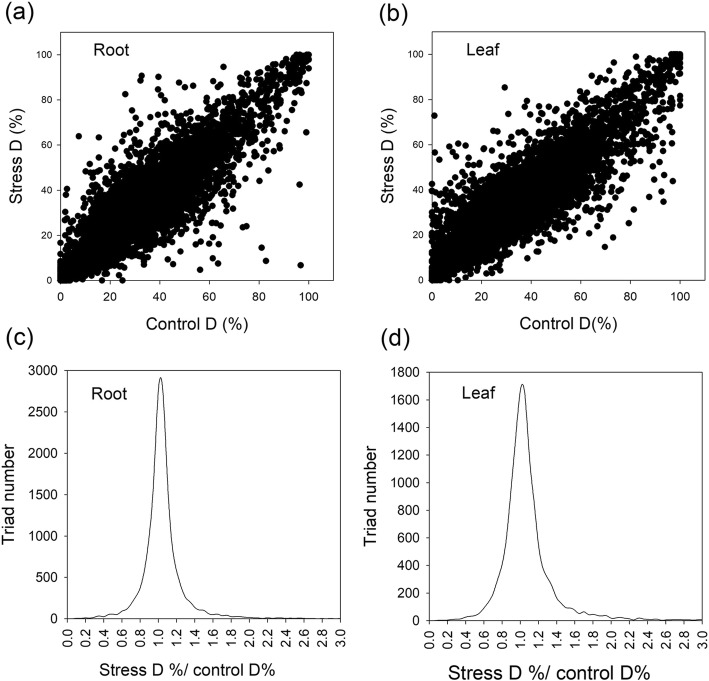
Transcriptomic profiling and biochemical analysis showed that energy partitioning between general metabolism maintenance and stress response may be crucial for survival of allohexaploid wheat under LSS. Under LSS, wheat appeared to shift energy from general maintenance to stress response through stimulating the abscisic acid (ABA) pathway and suppressing gibberellin and jasmonic acid pathways in the leaf. We further distinguished the expression status of the A, B, and D homeologs of any gene triad, and also surveyed the effects of LSS on homeolog expression bias for salinity-tolerant triads. We found that LSS had similar effects on expression of the three homeologs for most salinity-tolerant triads. However, in some of these triads, LSS induced different effects on the expression of the three homeologs.
The shift of the energy from general maintenance to stress response may be important for wheat LSS tolerance. LSS influences homeolog expression bias of salinity-tolerant triads.
大多数关于作物耐盐性的研究都是在一个生长阶段内进行短期胁迫条件下进行的。了解作物对长期盐胁迫(LSS)的响应机制对于提高作物耐盐性是有价值的。在本研究中,我们将异源六倍体小麦种子暴露在从发芽期到幼苗期的 LSS 条件下 30 天。为了阐明异源六倍体小麦对 LSS 的适应策略,我们分析了叶绿体超微结构、叶片解剖结构、转录组谱和植物激素及有机相容性溶质的浓度,比较了胁迫和对照植株。
转录组谱和生化分析表明,一般代谢维持和应激反应之间的能量分配可能对 LSS 下异源六倍体小麦的生存至关重要。在 LSS 下,小麦似乎通过刺激脱落酸(ABA)途径和抑制赤霉素和茉莉酸途径来将能量从一般维持转移到应激反应。我们进一步区分了任何基因三联体的 A、B 和 D 同源基因的表达状态,并调查了 LSS 对耐盐性三联体同源基因表达偏倚的影响。我们发现,LSS 对大多数耐盐性三联体的三个同源基因的表达有相似的影响。然而,在其中一些三联体中,LSS 对三个同源基因的表达有不同的影响。
将能量从一般维持转移到应激反应可能对小麦耐 LSS 至关重要。LSS 影响耐盐性三联体的同源基因表达偏倚。