Emergency Department, Prince Charles Hospital, Chermside, Queensland, Australia
Faculty of Medicine, University of Queensland, Brisbane, Queensland, Australia.
Emerg Med J. 2020 Jul;37(7):437-442. doi: 10.1136/emermed-2019-209290. Epub 2020 May 13.
Quality and safety of emergency care is critical. Patients rely on emergency medicine (EM) for accessible, timely and high-quality care in addition to providing a 'safety-net' function. Demand is increasing, creating resource challenges in all settings. Where EM is well established, this is recognised through the implementation of quality standards and staff training for patient safety. In settings where EM is developing, immense system and patient pressures exist, thereby necessitating the availability of tiered standards appropriate to the local context.
The original quality framework arose from expert consensus at the International Federation of Emergency Medicine (IFEM) Symposium for Quality and Safety in Emergency Care (UK, 2011). The IFEM Quality and Safety Special Interest Group members have subsequently refined it to achieve a consensus in 2018.
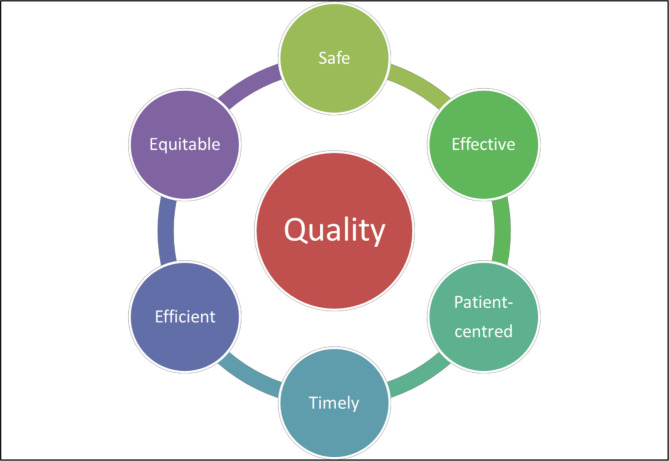
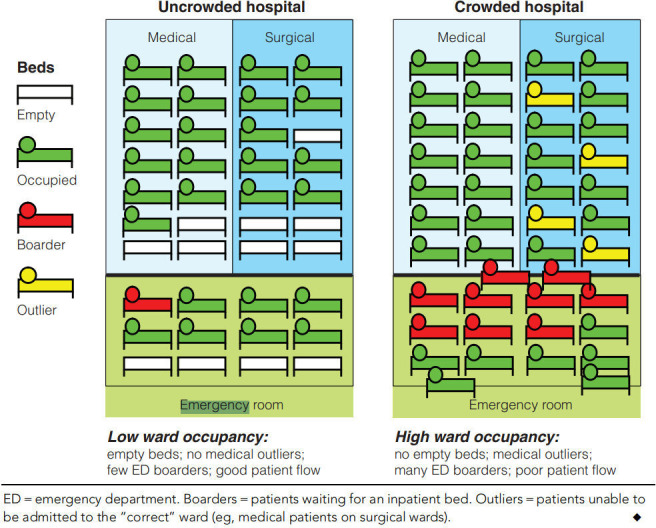
Patients should expect EDs to provide effective acute care. To do this, trained emergency personnel should make patient-centred, timely and expert decisions to provide care, supported by systems, processes, diagnostics, appropriate equipment and facilities. Enablers to high-quality care include appropriate staff, access to care (including financial), coordinated emergency care through the whole patient journey and monitoring of outcomes. Crowding directly impacts on patient quality of care, morbidity and mortality. Quality indicators should be pragmatic, measurable and prioritised as components of an improvement strategy which should be developed, tailored and implemented in each setting.
EDs globally have a remit to deliver the best care possible. IFEM has defined and updated an international consensus framework for quality and safety.
急诊医疗的质量和安全至关重要。除了提供“安全网”功能外,患者还依赖急诊医学(EM)提供可及、及时和高质量的护理。需求不断增加,在所有环境中都带来了资源挑战。在 EM 得到良好发展的地方,通过实施质量标准和员工培训以确保患者安全,这一点得到了认可。在 EM 发展中的环境中,存在巨大的系统和患者压力,因此需要提供适合当地情况的分层标准。
最初的质量框架源自国际急诊医学联合会(IFEM)质量和安全急诊护理研讨会(英国,2011 年)的专家共识。IFEM 质量和安全特别兴趣小组成员随后对其进行了完善,以在 2018 年达成共识。
患者应该期望急诊科能够提供有效的急性护理。为此,经过培训的急诊人员应该根据系统、流程、诊断、适当的设备和设施,为患者提供以患者为中心、及时和专业的决策。高质量护理的促成因素包括适当的人员、获得护理的机会(包括财务方面)、通过整个患者旅程协调急诊护理以及监测结果。拥挤直接影响患者的护理质量、发病率和死亡率。质量指标应该是务实的、可衡量的,并作为改进策略的组成部分进行优先排序,该策略应在每个环境中制定、定制和实施。
全球的急诊科都有责任提供尽可能好的护理。IFEM 已经定义并更新了一个国际质量和安全共识框架。