Peter Gorer Department of Immunobiology, Faculty of Life Sciences and Medicine, King's College London, London SE1 9RT, United Kingdom;
Peter Gorer Department of Immunobiology, Faculty of Life Sciences and Medicine, King's College London, London SE1 9RT, United Kingdom.
J Immunol. 2020 Jun 15;204(12):3129-3138. doi: 10.4049/jimmunol.1901439. Epub 2020 May 13.
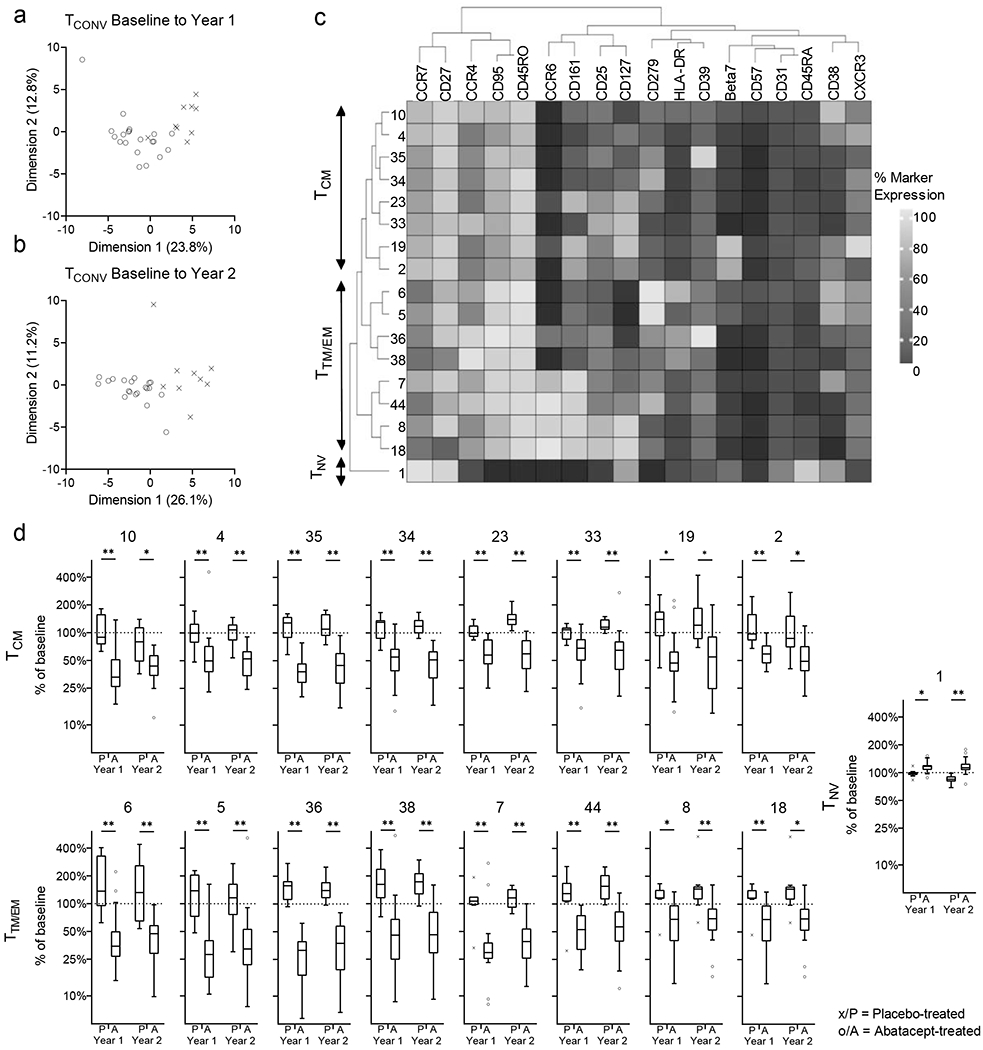
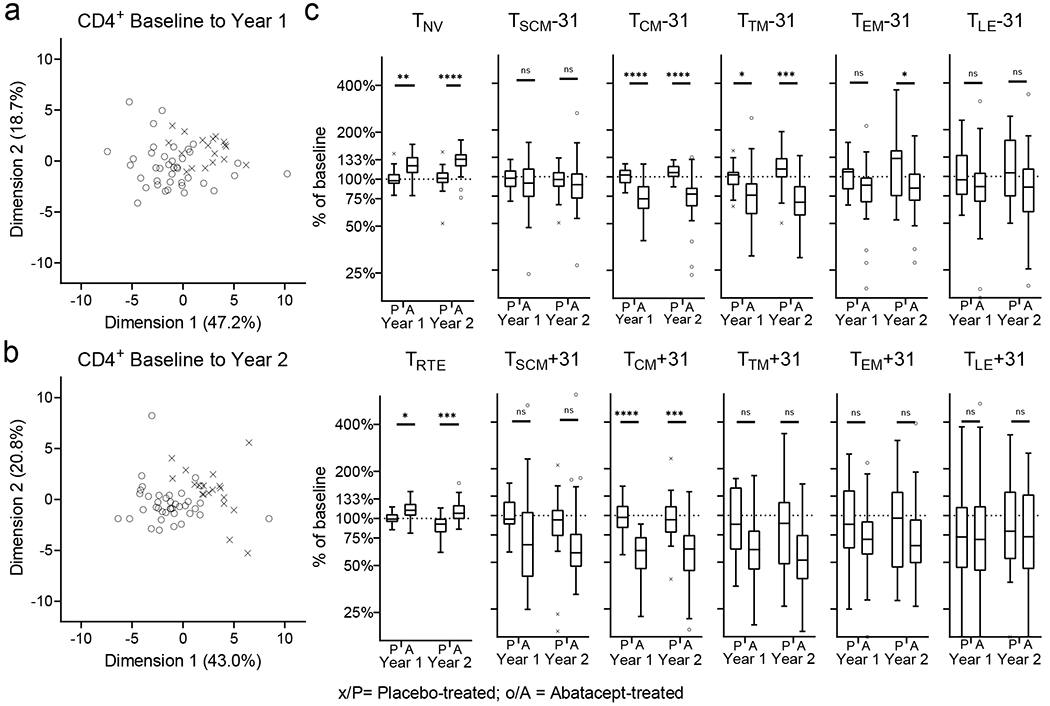
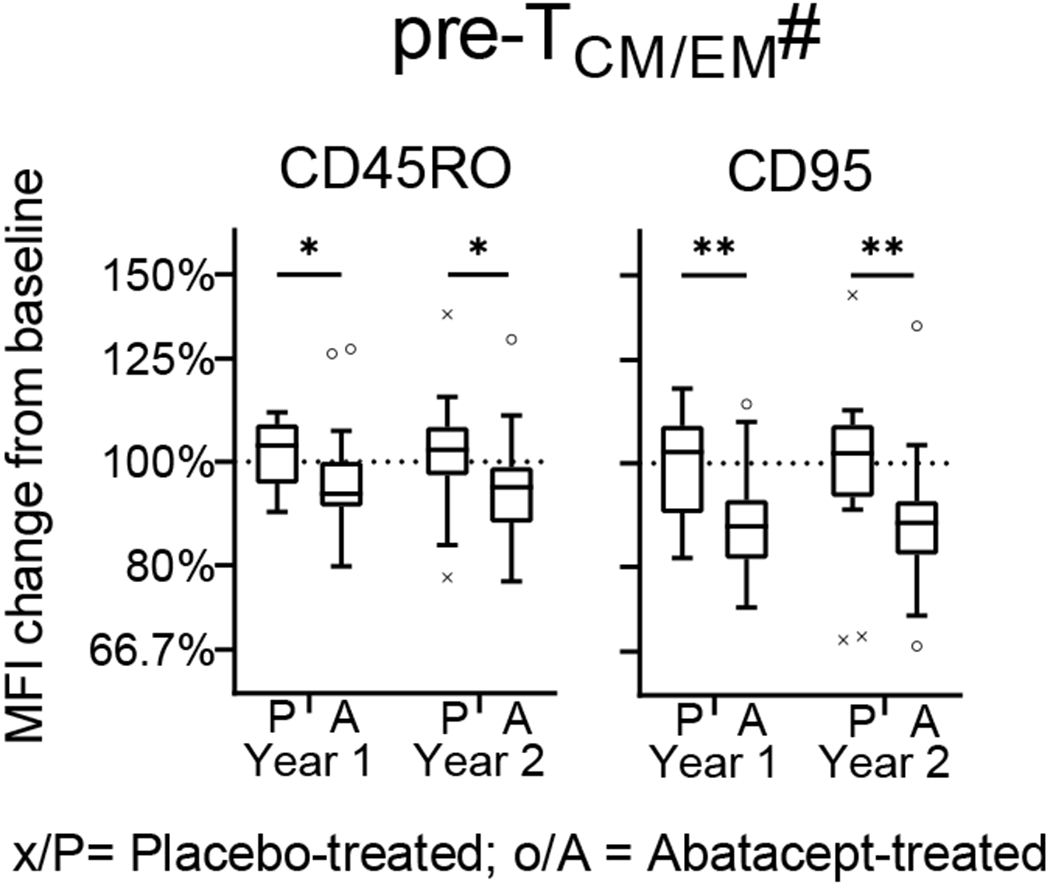
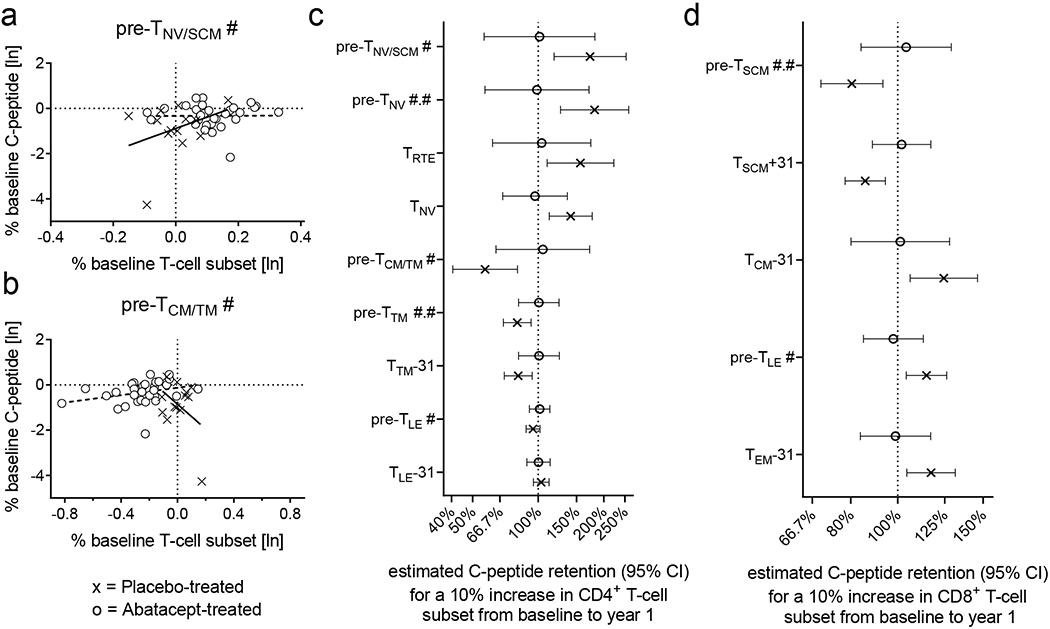
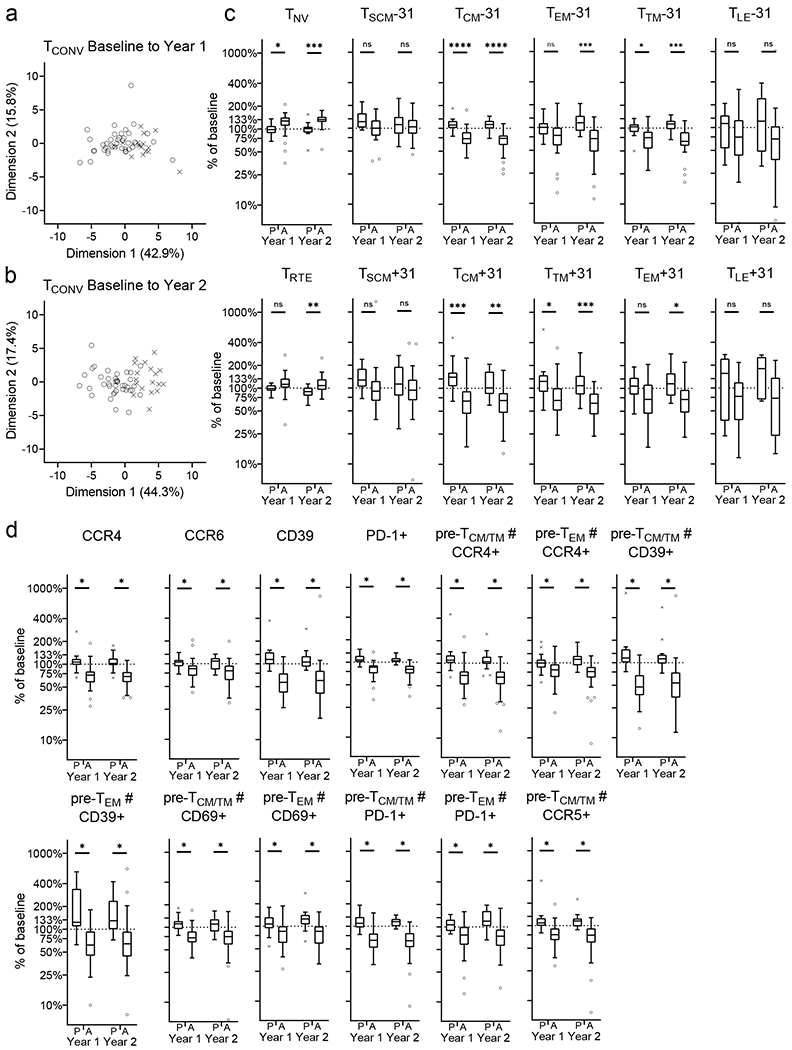
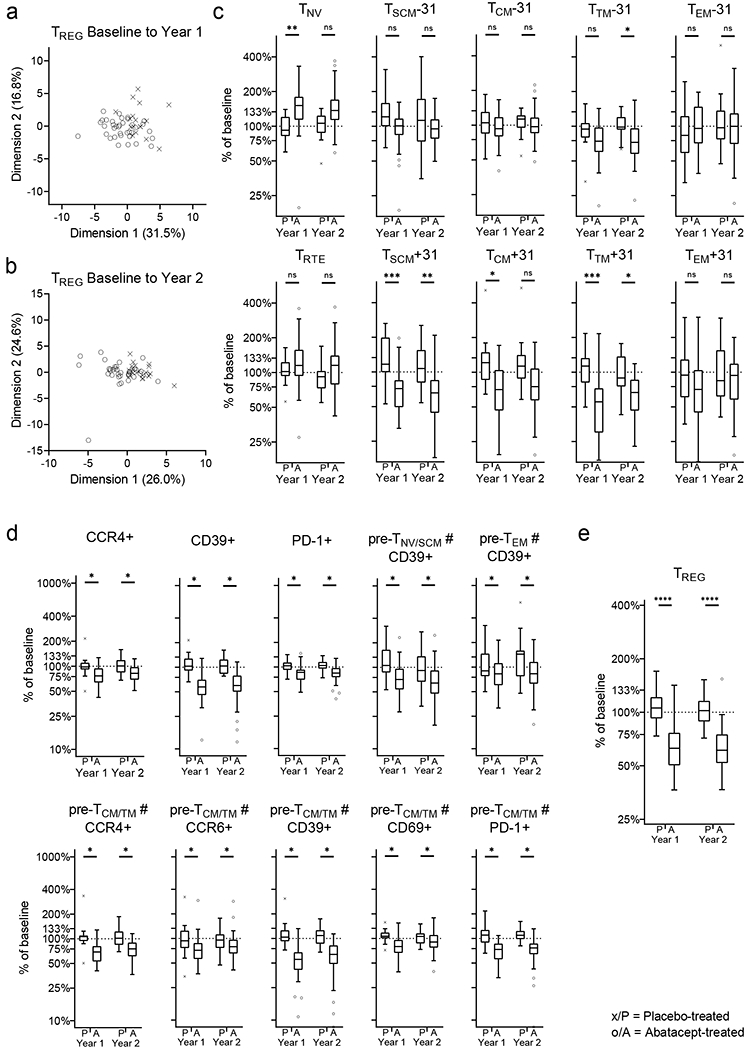
We previously reported that costimulation blockade by abatacept limits the decline of β-cell function and the frequency of circulating CD4 central memory T cells (T) (CD45ROCD62L) in new-onset type 1 diabetes. In human subjects receiving placebo, we found a significant association between an increase in CD4 T cells and the decline of β-cell function. To extend and refine these findings, we examined changes in human CD4 and CD8 naive and memory T cell subsets at greater resolution using polychromatic flow and mass cytometry. In the placebo group, we successfully reproduced the original finding of a significant association between T and β-cell function and extended this to other T cell subsets. Furthermore, we show that abatacept treatment significantly alters the frequencies of a majority of CD4 conventional and regulatory T cell subsets; in general, Ag-naive subsets increase and Ag-experienced subsets decrease, whereas CD8 T cell subsets are relatively resistant to drug effects, indicating a lesser reliance on CD28-mediated costimulation. Importantly, abatacept uncouples the relationship between changes in T cell subsets and β-cell function that is a component of the natural history of the disease. Although these data suggest immunological markers for predicting change in β-cell function in type 1 diabetes, the finding that abatacept blunts this relationship renders the biomarkers nonpredictive for this type of therapy. In sum, our findings point to a novel mechanism of action for this successful immunotherapy that may guide other disease-modifying approaches for type 1 diabetes.
我们之前曾报道过,阿巴西普通过共刺激阻断限制了 1 型糖尿病新发病患者β细胞功能的下降和循环 CD4 中央记忆 T 细胞(T)(CD45ROCD62L)的频率。在接受安慰剂的人类受试者中,我们发现 CD4 T 细胞的增加与β细胞功能的下降之间存在显著关联。为了扩展和完善这些发现,我们使用多色流式细胞术和质谱流式细胞术更精确地检查了人类 CD4 和 CD8 幼稚和记忆 T 细胞亚群的变化。在安慰剂组中,我们成功地复制了 T 与β细胞功能之间存在显著关联的原始发现,并将其扩展到其他 T 细胞亚群。此外,我们表明阿巴西普治疗显著改变了大多数 CD4 常规和调节性 T 细胞亚群的频率;一般来说,Ag 幼稚亚群增加,Ag 经验亚群减少,而 CD8 T 细胞亚群对药物作用相对具有抵抗力,表明其对 CD28 介导的共刺激的依赖性较小。重要的是,阿巴西普阻断了 T 细胞亚群变化与β细胞功能之间的关系,而这是疾病自然史的一部分。尽管这些数据提示了用于预测 1 型糖尿病中β细胞功能变化的免疫标志物,但阿巴西普削弱这种关系的发现使得这些生物标志物对于这种类型的治疗失去了预测性。总之,我们的发现指出了这种成功的免疫疗法的一种新的作用机制,这可能为 1 型糖尿病的其他疾病修饰方法提供指导。