Regenerative Biology Research Laboratory, Department of Genetics and Bioengineering, Faculty of Engineering, Yeditepe University, Istanbul, Turkey.
LabCell, Acibadem University, Istanbul, Turkey.
Sci Rep. 2020 May 14;10(1):7994. doi: 10.1038/s41598-020-64888-3.
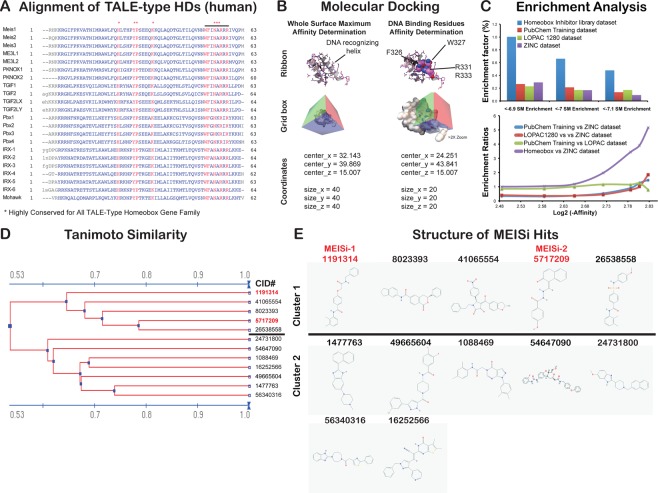
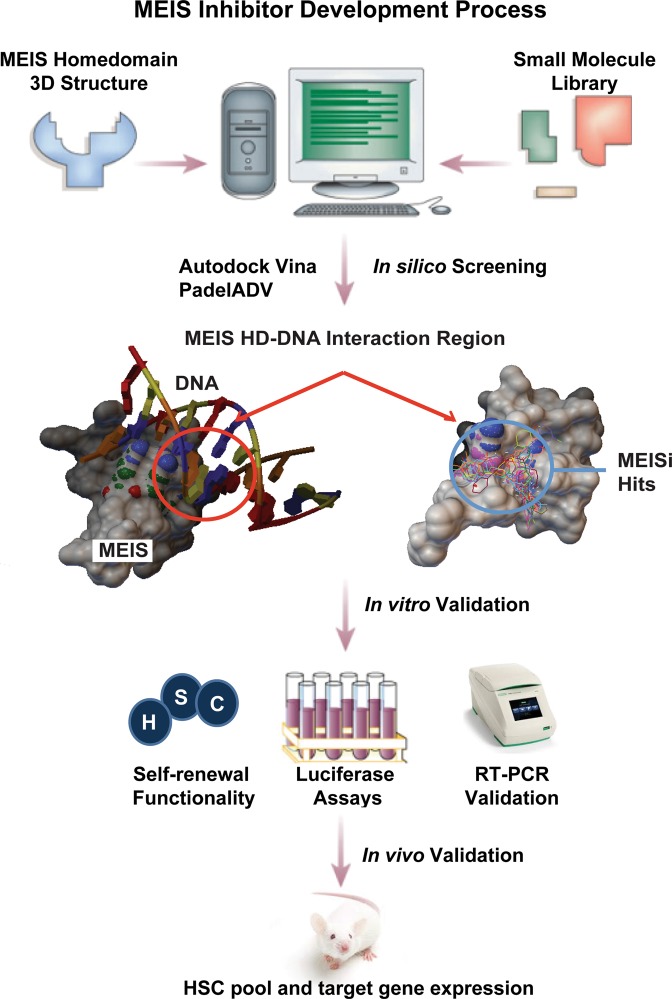
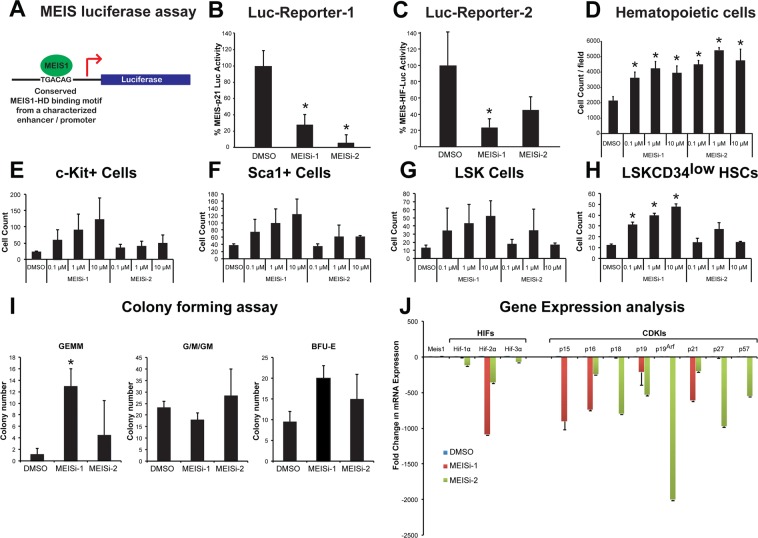
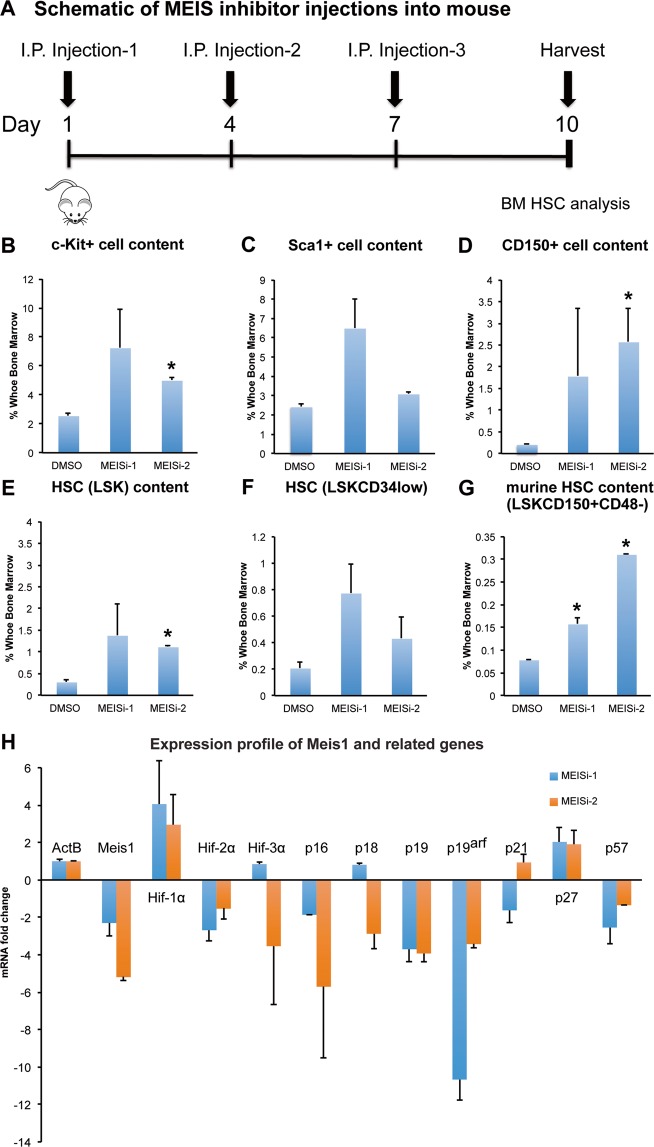
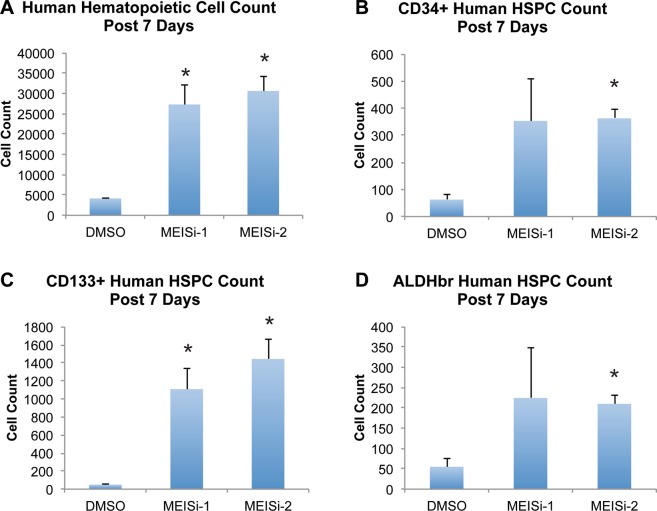
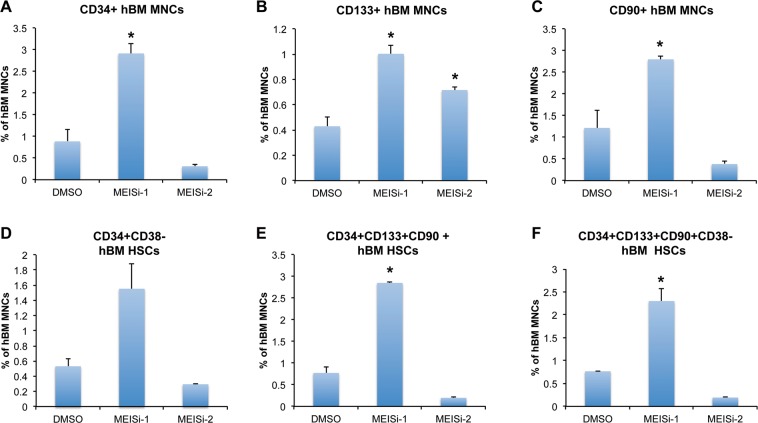
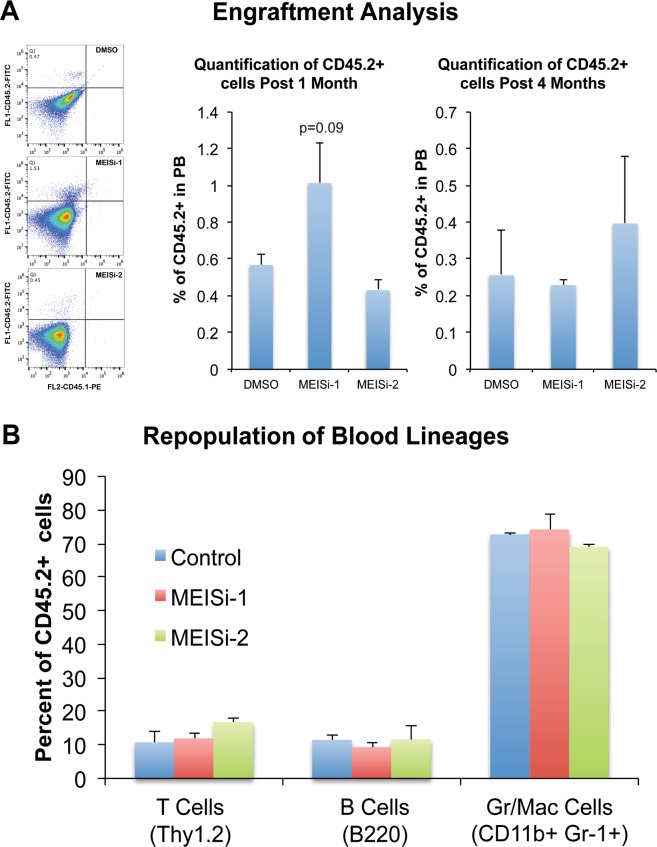
Meis1, which belongs to TALE-type class of homeobox gene family, appeared as one of the key regulators of hematopoietic stem cell (HSC) self-renewal and a potential therapeutical target. However, small molecule inhibitors of MEIS1 remained unknown. This led us to develop inhibitors of MEIS1 that could modulate HSC activity. To this end, we have established a library of relevant homeobox family inhibitors and developed a high-throughput in silico screening strategy against homeodomain of MEIS proteins using the AutoDock Vina and PaDEL-ADV platform. We have screened over a million druggable small molecules in silico and selected putative MEIS inhibitors (MEISi) with no predicted cytotoxicity or cardiotoxicity. This was followed by in vitro validation of putative MEIS inhibitors using MEIS dependent luciferase reporter assays and analysis in the ex vivo HSC assays. We have shown that small molecules named MEISi-1 and MEISi-2 significantly inhibit MEIS-luciferase reporters in vitro and induce murine (LSKCD34° cells) and human (CD34, CD133, and ALDH cells) HSC self-renewal ex vivo. In addition, inhibition of MEIS proteins results in downregulation of Meis1 and MEIS1 target gene expression including Hif-1α, Hif-2α and HSC quiescence modulators. MEIS inhibitors are effective in vivo as evident by induced HSC content in the murine bone marrow and downregulation of expression of MEIS target genes. These studies warrant identification of first-in-class MEIS inhibitors as potential pharmaceuticals to be utilized in modulation of HSC activity and bone marrow transplantation studies.
Meis1 属于 TALE 型同源盒基因家族,是造血干细胞(HSC)自我更新的关键调节因子之一,也是潜在的治疗靶点。然而,目前还没有 MEIS1 的小分子抑制剂。这促使我们开发能够调节 HSC 活性的 MEIS1 抑制剂。为此,我们建立了相关同源盒家族抑制剂文库,并利用 AutoDock Vina 和 PaDEL-ADV 平台开发了针对 MEIS 蛋白同源域的高通量计算筛选策略。我们已经在计算机上筛选了超过 100 万个可成药的小分子,并选择了没有预测细胞毒性或心脏毒性的潜在 MEIS 抑制剂(MEISi)。随后,我们通过 MEIS 依赖性荧光素酶报告基因检测和体外 HSC 检测对潜在 MEIS 抑制剂进行了体外验证。结果表明,两种名为 MEISi-1 和 MEISi-2 的小分子可显著抑制体外 MEIS 荧光素酶报告基因,并在体外诱导小鼠(LSKCD34°细胞)和人类(CD34、CD133 和 ALDH 细胞)HSC 自我更新。此外,MEIS 蛋白的抑制导致 Meis1 和 MEIS1 靶基因表达的下调,包括 Hif-1α、Hif-2α 和 HSC 静止调节剂。MEIS 抑制剂在体内有效,这可从诱导小鼠骨髓中 HSC 含量增加和下调 MEIS 靶基因表达得到证明。这些研究为鉴定新型 MEIS 抑制剂作为潜在药物以调节 HSC 活性和骨髓移植研究提供了依据。