Department of Biology, Chatham University, Pittsburgh, PA, 15232, USA.
Center for the Advanced Study of Human Paleobiology, The George Washington University, Washington, DC, 20037, USA.
Sci Rep. 2020 May 14;10(1):7740. doi: 10.1038/s41598-020-64095-0.
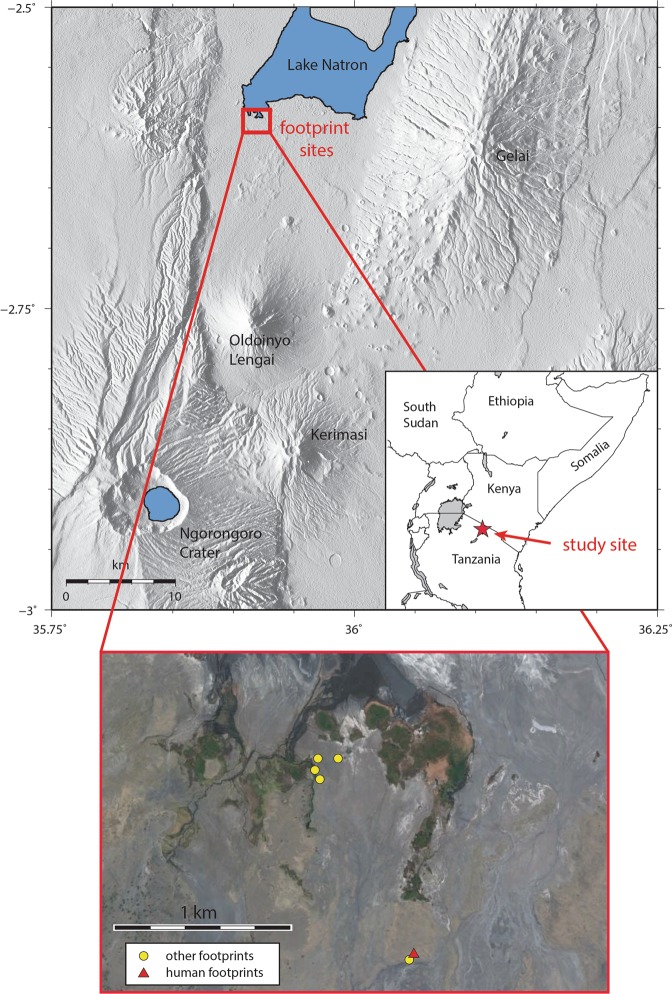
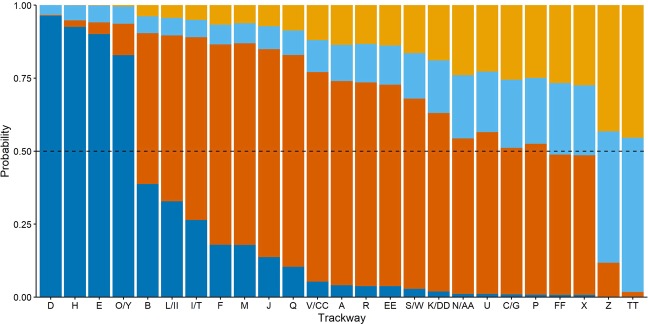
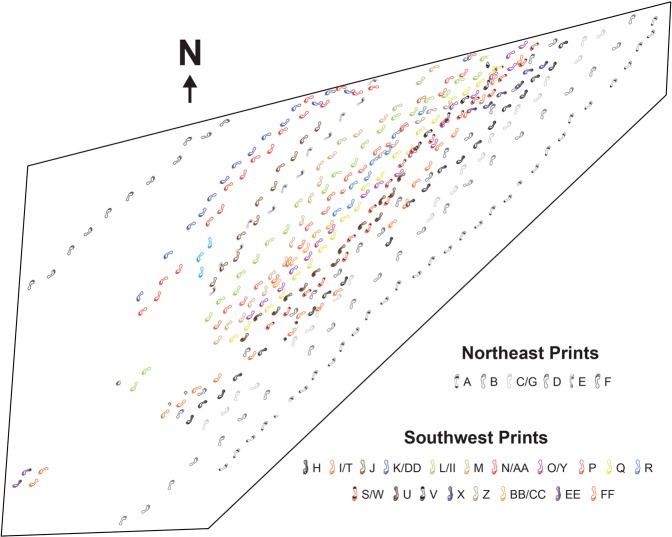
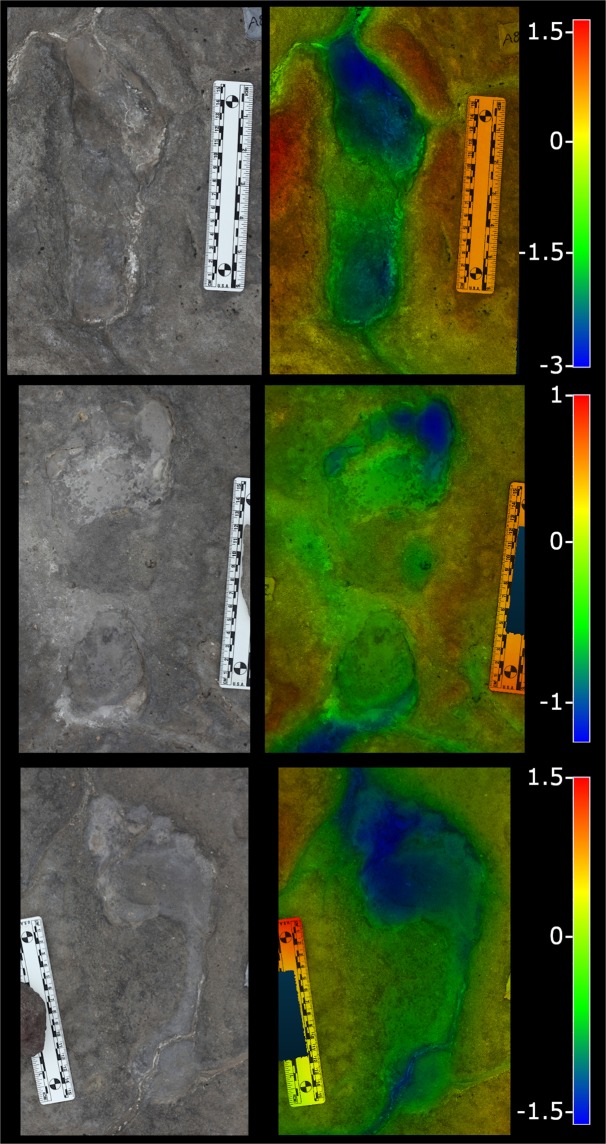
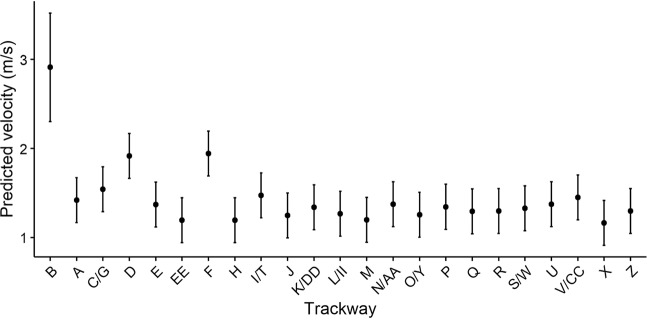
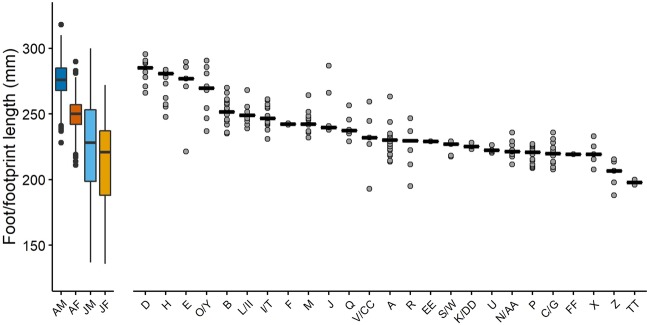
Fossil hominin footprints preserve data on a remarkably short time scale compared to most other fossil evidence, offering snapshots of organisms in their immediate ecological and behavioral contexts. Here, we report on our excavations and analyses of more than 400 Late Pleistocene human footprints from Engare Sero, Tanzania. The site represents the largest assemblage of footprints currently known from the human fossil record in Africa. Speed estimates show that the trackways reflect both walking and running behaviors. Estimates of group composition suggest that these footprints were made by a mixed-sex and mixed-age group, but one that consisted of mostly adult females. One group of similarly-oriented trackways was attributed to 14 adult females who walked together at the same pace, with only two adult males and one juvenile accompanying them. In the context of modern ethnographic data, we suggest that these trackways may capture a unique snapshot of cooperative and sexually divided foraging behavior in Late Pleistocene humans.
化石人类足迹与大多数其他化石证据相比,能够在非常短的时间尺度上保存数据,提供了生物体在其直接生态和行为背景下的快照。在这里,我们报告了对坦桑尼亚恩加雷塞罗(Engare Sero)的 400 多个晚更新世人类足迹的挖掘和分析。该遗址是目前已知的非洲人类化石记录中最大的足迹集合。速度估计表明,这些足迹反映了行走和奔跑行为。对群体组成的估计表明,这些足迹是由一个男女混合、年龄混合的群体留下的,但主要是成年女性。一组类似定向的足迹归因于 14 名成年女性以相同的步伐一起行走,只有两名成年男性和一名少年与她们相伴。根据现代民族志数据,我们认为这些足迹可能捕捉到了晚更新世人类合作和性别分工觅食行为的独特瞬间。