College of Life Science, Northeast Agricultural University, Harbin, 150030, China.
Jiangsu Kanion Parmaceutical CO. LTD, State Key Laboratory of New-tech for Chinese Medicine Pharmaceutical Process, Lianyungang, 222001, Jiangsu, China.
Gene Ther. 2021 Dec;28(12):697-717. doi: 10.1038/s41434-020-0145-9. Epub 2020 May 14.
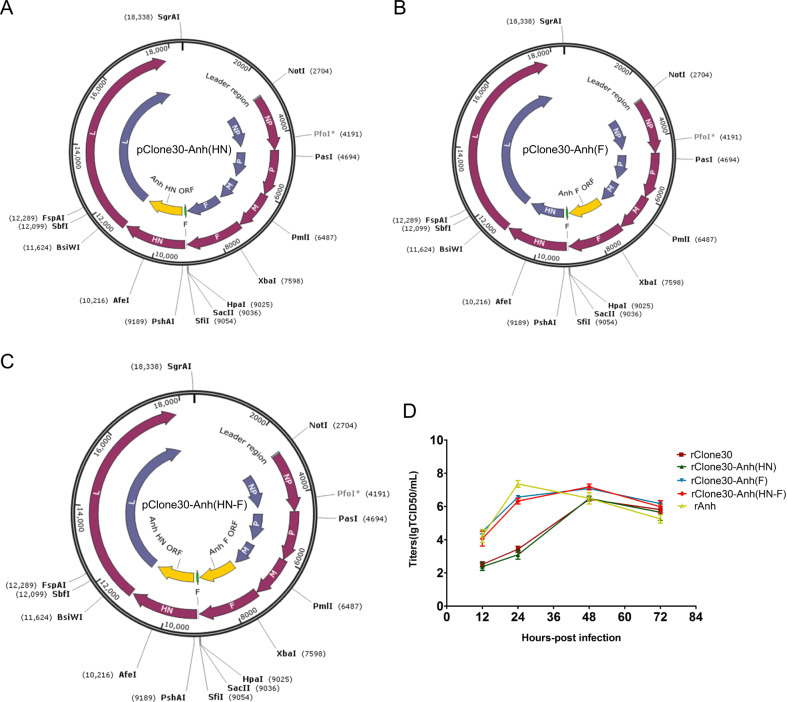
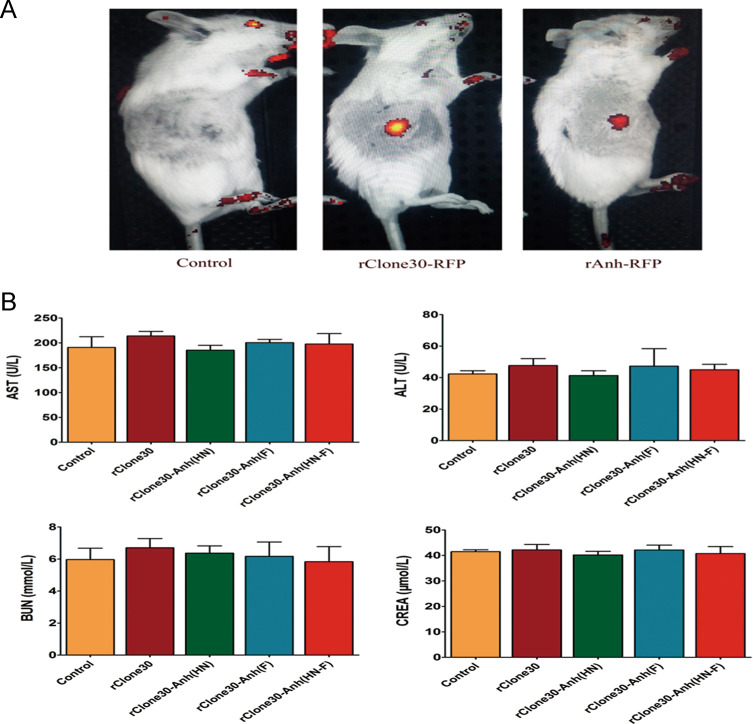
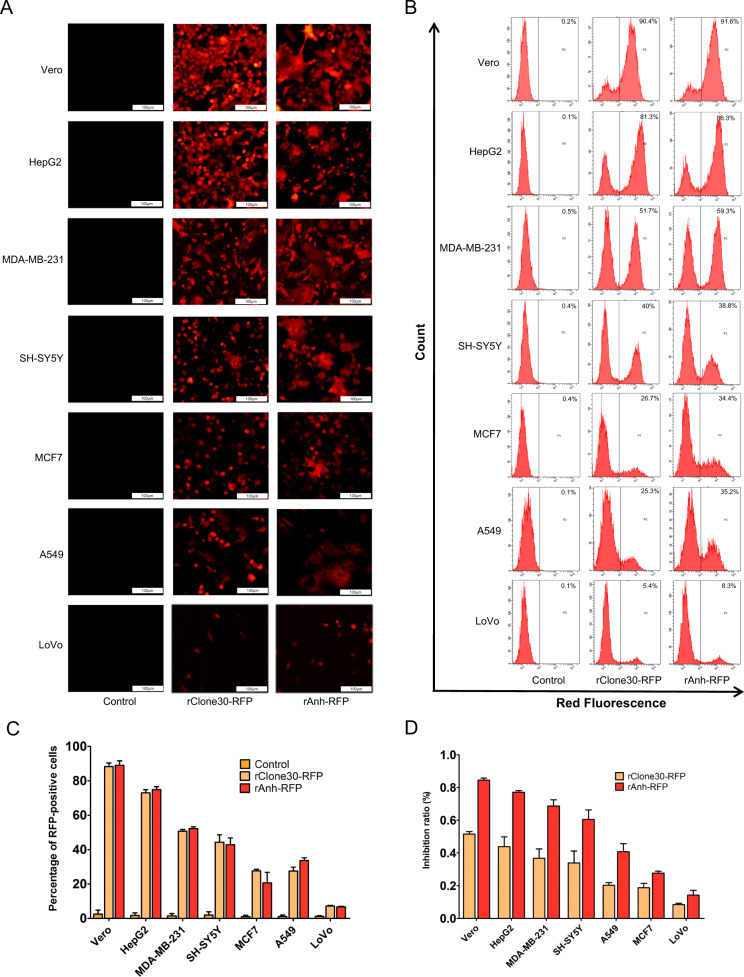
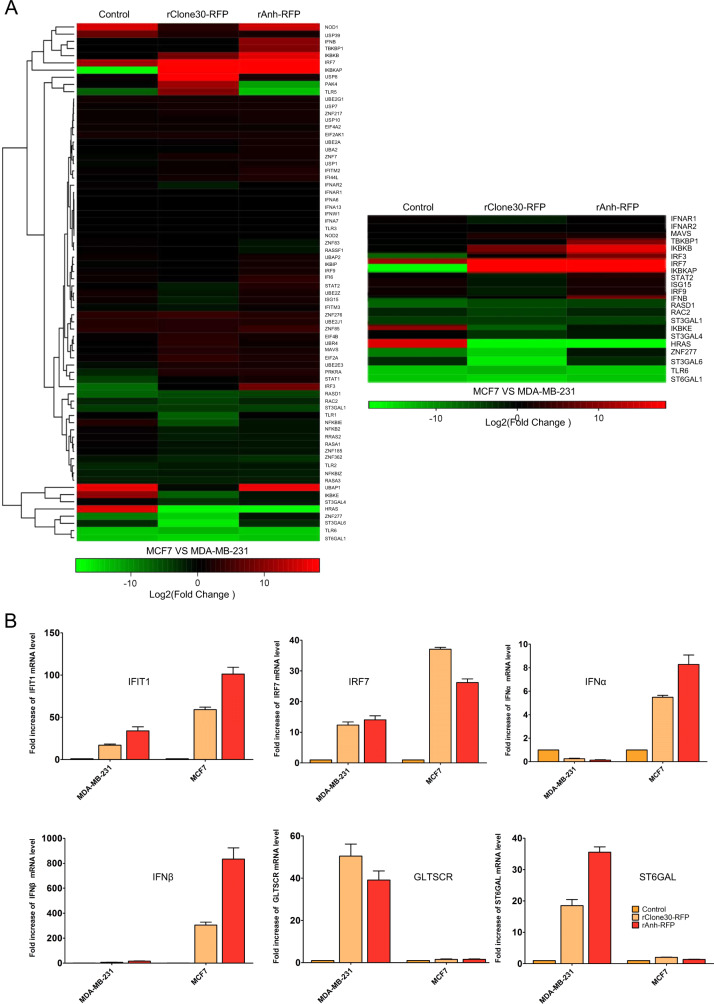
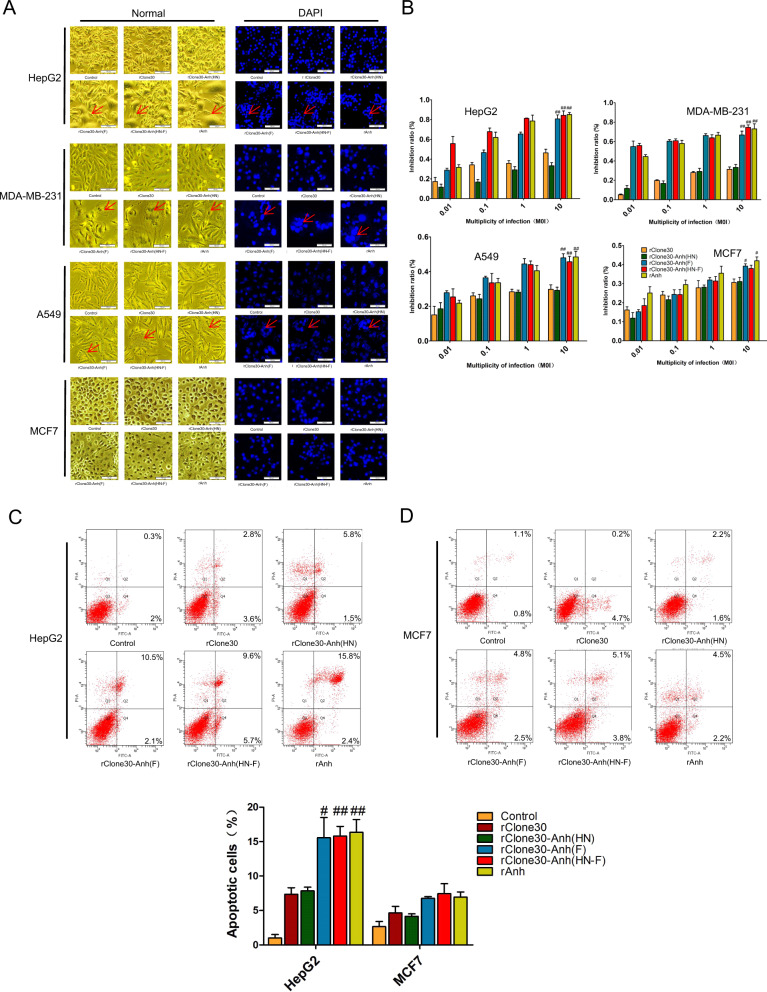
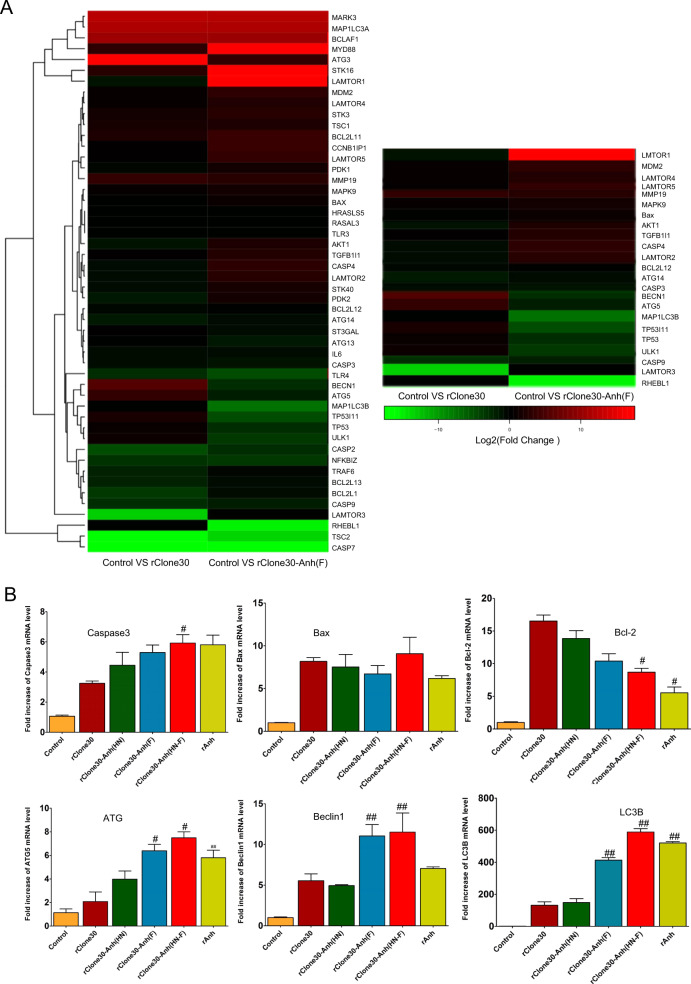
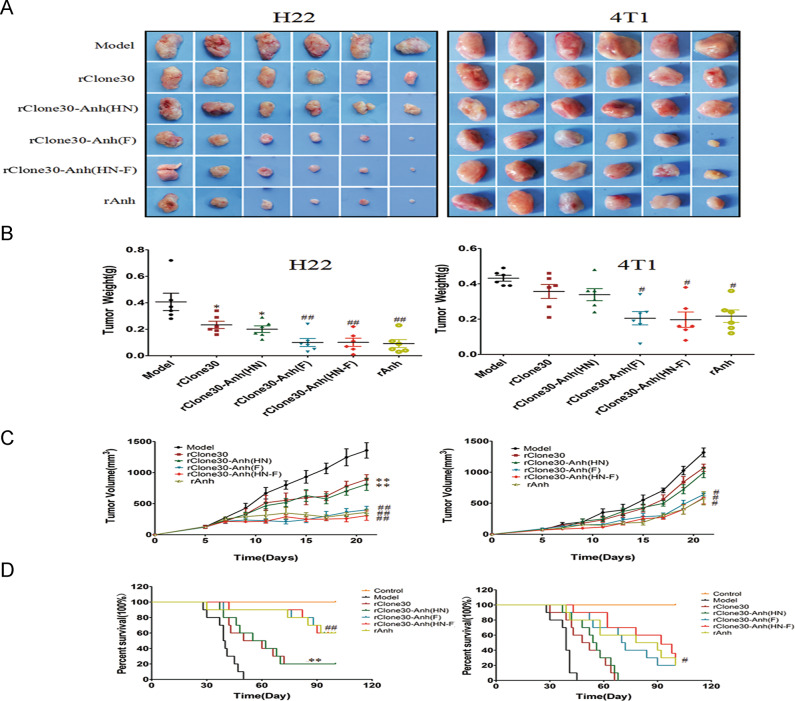
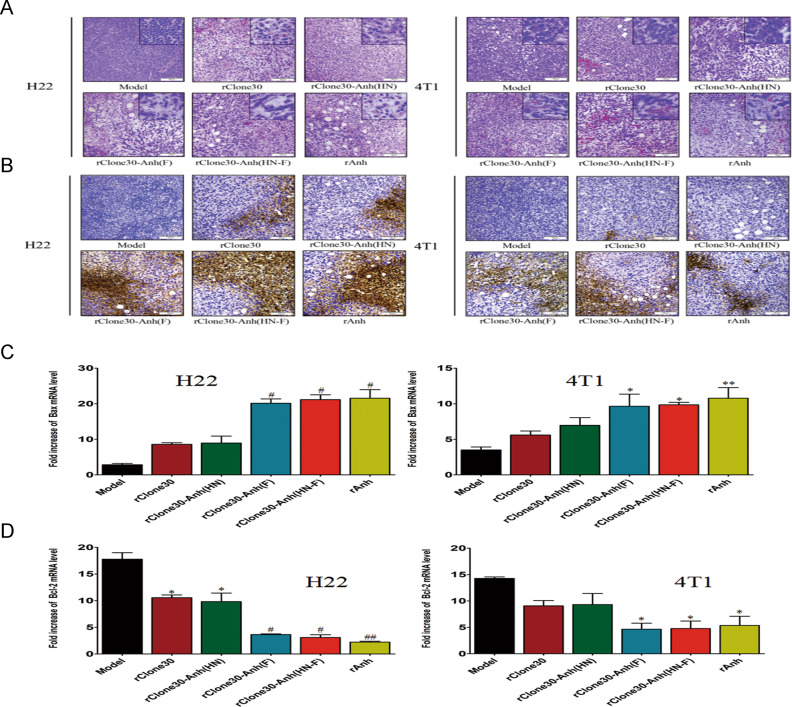
The direct oncolytic effect of Newcastle disease virus (NDV) depends on the following two aspects: the susceptibility of cancer cells to virus infection and the ability of virus itself to lyse cancer cells. First, we investigate the susceptibility of cancer cells to NDV infection, HepG2, MDA-MB-231, and SH-SY5Y cells were susceptible, A549, MCF7, and LoVo cells were less susceptible. To investigate the molecular mechanism responsible for cancer cell susceptibility, transcriptome sequencing was carried out. We found that the levels of alpha-sialic acid acyltransferase were upregulated in MDA-MB-231 cells compared with MCF7 cells, and the interferon was downregulated. Second, to optimize the oncolytic capacity of the wild-type rClone30, a series of chimeric viruses rClone30-Anh(HN), rClone30-Anh(F), and rClone30-Anh(HN-F) were constructed by exchanging the HN gene, F gene or both of non-lytic rClone30 strain with lytic strain Anhinga. rClone30-Anh(F) and rClone30-Anh(HN-F) enhanced the oncolytic effect of the rClone30, and this enhancement is more obvious in the susceptible cells. The oncolytic mechanism of rClone30-Anh(F) was analyzed by transcriptome analyses, in comparison with rClone30, rClone30-Anh(F) upregulated the expression of ATG5, Beclin 1, and MAP1LC3B, thus activating autophagy and promoting the production of syncytia. In conclusion, our study provides a strategy to enhance the oncolytic effect of rClone30.
新城疫病毒(NDV)的直接溶瘤作用取决于以下两个方面:癌细胞对病毒感染的敏感性和病毒本身裂解癌细胞的能力。首先,我们研究了癌细胞对 NDV 感染的敏感性,HepG2、MDA-MB-231 和 SH-SY5Y 细胞易感,A549、MCF7 和 LoVo 细胞易感程度较低。为了研究导致癌细胞易感性的分子机制,进行了转录组测序。我们发现 MDA-MB-231 细胞中的α-唾液酸酰基转移酶水平上调,干扰素下调。其次,为了优化野生型 rClone30 的溶瘤能力,通过交换非溶瘤 rClone30 株的 HN 基因、F 基因或两者,构建了一系列嵌合病毒 rClone30-Anh(HN)、rClone30-Anh(F)和 rClone30-Anh(HN-F)。rClone30-Anh(F)和 rClone30-Anh(HN-F)增强了 rClone30 的溶瘤作用,在易感细胞中这种增强更为明显。通过转录组分析比较 rClone30,分析了 rClone30-Anh(F)的溶瘤机制,rClone30-Anh(F)上调了 ATG5、Beclin 1 和 MAP1LC3B 的表达,从而激活自噬并促进合胞体的产生。总之,本研究为增强 rClone30 的溶瘤作用提供了一种策略。