Zhang Yinhuan, Yang Xiaowei, Jia Zhixin, Liu Jie, Yan Xiaoning, Dai Yihang, Xiao Hongbin
Research Center of Chinese Medicine Analysis and Transformation, Beijing University of Chinese Medicine, Beijing, China.
Institute of Chinese Materia Medica, China Academy of Chinese Medical Sciences, Beijing, China.
Front Pharmacol. 2020 Apr 29;11:416. doi: 10.3389/fphar.2020.00416. eCollection 2020.
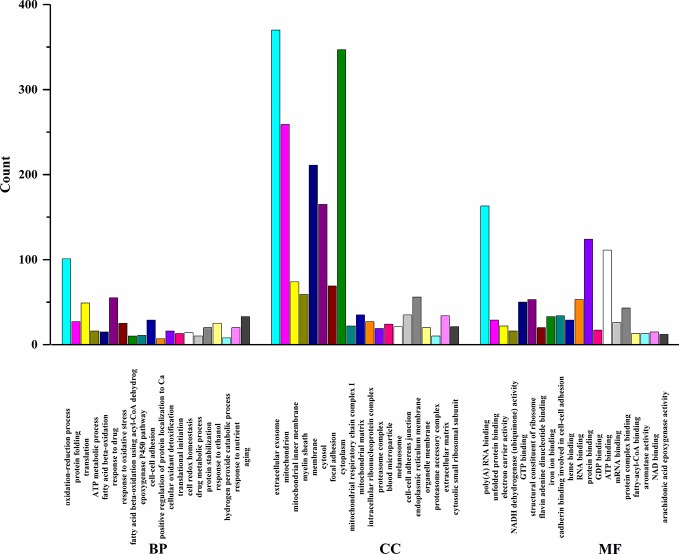
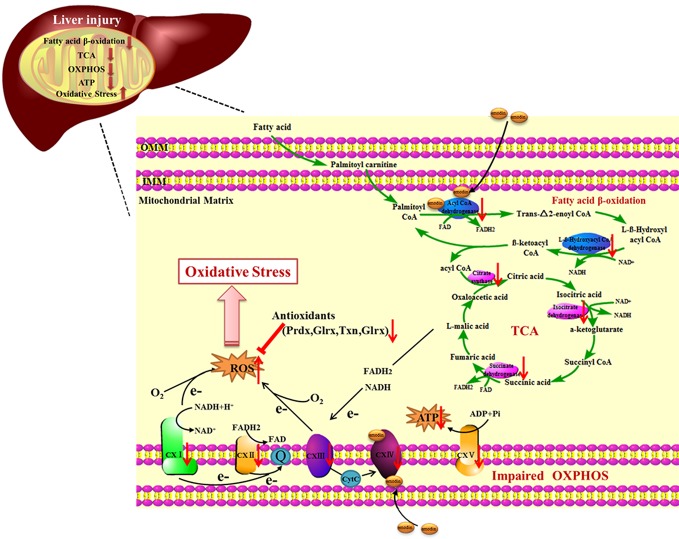
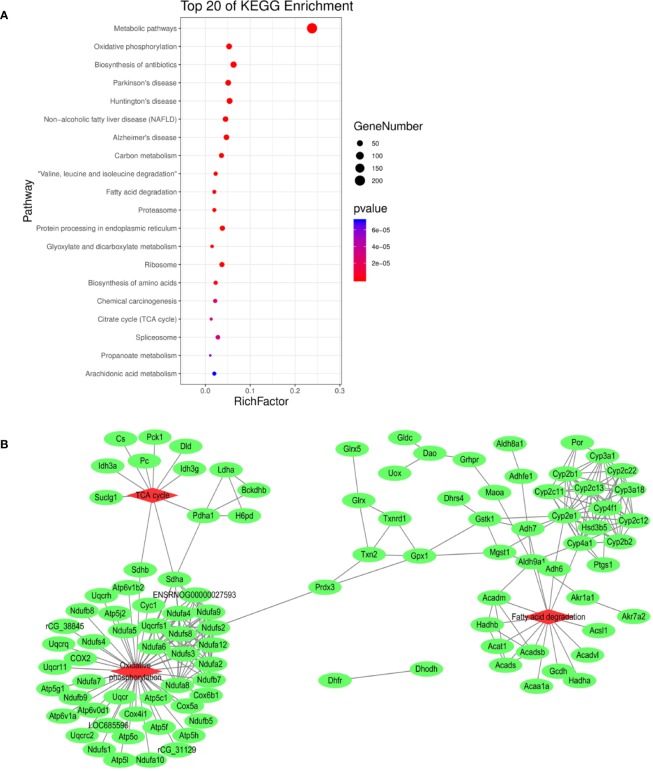
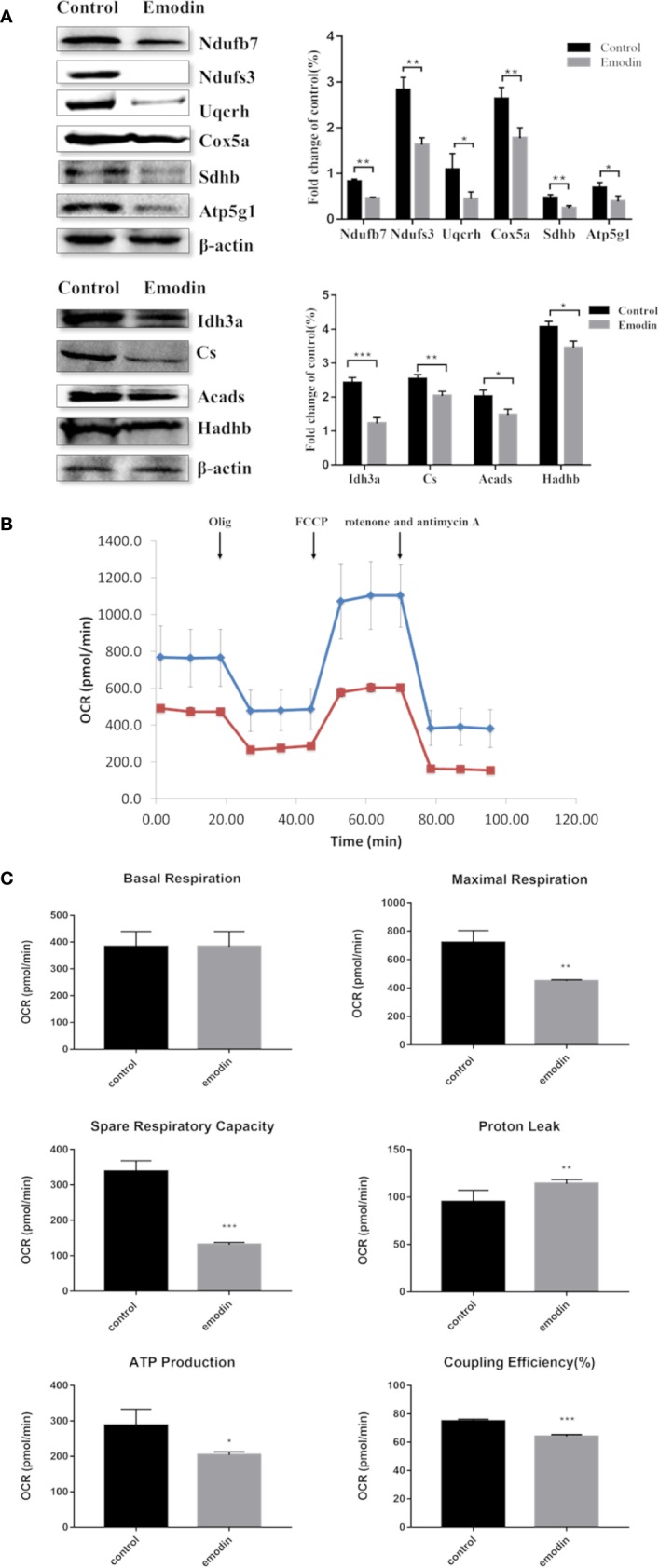
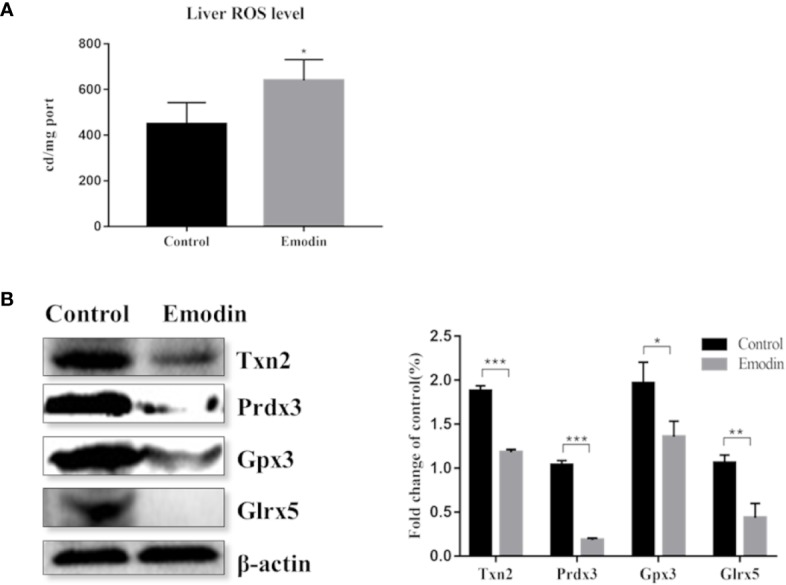
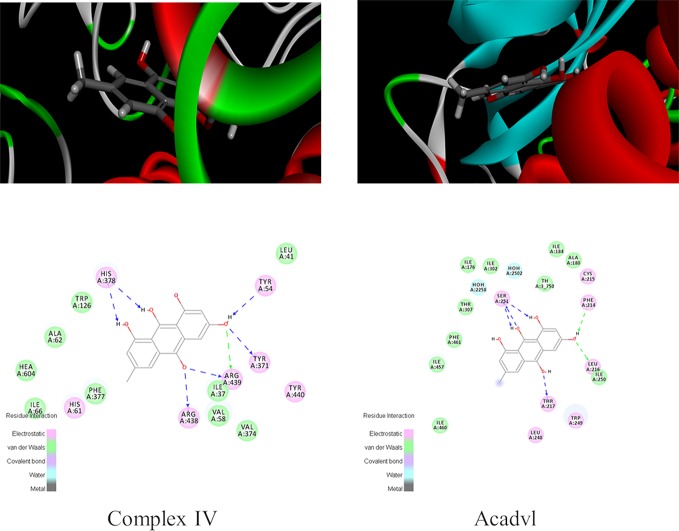
Emodin is one of the main active compounds in many Chinese traditional herbs. Due to its potential toxic effect on the liver, the possible injury mechanism needs to be explored. In the present study, we investigated liver injury mechanisms of emodin on rats by the technology of proteomics. Firstly, 4530 proteins were identified from the liver of rats treated with emodin by label free proteomics. Inside, 892 differential proteins were selected, presenting a downward trend. Bioinformatics analysis showed that proteins interfered with by emodin were mainly involved in oxidation-reduction biological processes and mitochondrial metabolic pathways, such as mitochondrial fatty acid β-oxidation, citric acid cycle, and oxidative phosphorylation, which were further confirmed by western blot. The decrease in maximal respiration, ATP production, spare respiratory capacity, and coupling efficiency and increase in proton leakage were detected by seahorse XFe 24 analyzer, which confirmed the damage of mitochondrial function. The down-regulated expressions in antioxidant proteins were verified by western blot and a significant increase of ROS levels were detected in emodin group, which showed that emodin disrupted redox homeostasis in livers. Molecular docking revealed that the main targets of emodin might be acadvl and complex IV. Generally, emodin could induce oxidative stress in livers by directly targeting acadvl/complex IV and inhibiting fatty acid β-oxidation, citric acid cycle, and oxidative phosphorylation taken place in mitochondria.
大黄素是多种中国传统草药中的主要活性成分之一。由于其对肝脏具有潜在毒性作用,因此需要探索其可能的损伤机制。在本研究中,我们采用蛋白质组学技术研究了大黄素对大鼠的肝损伤机制。首先,通过无标记蛋白质组学从大黄素处理的大鼠肝脏中鉴定出4530种蛋白质。其中,筛选出892种差异蛋白质,呈现下降趋势。生物信息学分析表明,受大黄素干扰的蛋白质主要参与氧化还原生物学过程和线粒体代谢途径,如线粒体脂肪酸β氧化、柠檬酸循环和氧化磷酸化,western blot进一步证实了这一点。通过海马XFe 24分析仪检测到最大呼吸、ATP产生、备用呼吸能力和偶联效率降低,质子泄漏增加,这证实了线粒体功能受损。western blot验证了抗氧化蛋白的表达下调,并且在大黄素组中检测到ROS水平显著升高,这表明大黄素破坏了肝脏中的氧化还原稳态。分子对接显示,大黄素的主要靶点可能是酰基辅酶A脱氢酶长链(acadvl)和复合体IV。总体而言,大黄素可通过直接靶向acadvl/复合体IV并抑制线粒体中的脂肪酸β氧化、柠檬酸循环和氧化磷酸化来诱导肝脏氧化应激。