Department of Pathophysiology, School of Basic Medical Sciences, Wuhan University, Wuhan, China.
Research Center for Medicine and Structural Biology, Wuhan University, Wuhan, China.
Cell Death Dis. 2020 May 15;11(5):377. doi: 10.1038/s41419-020-2565-2.
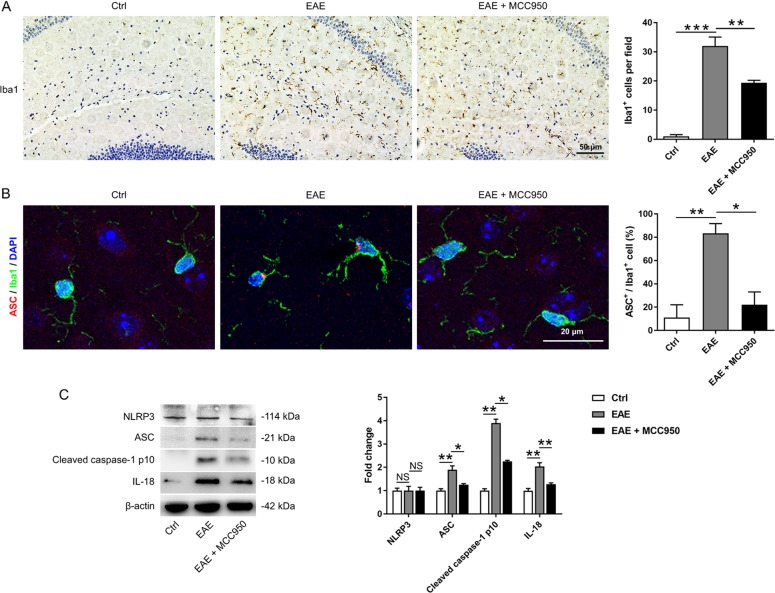
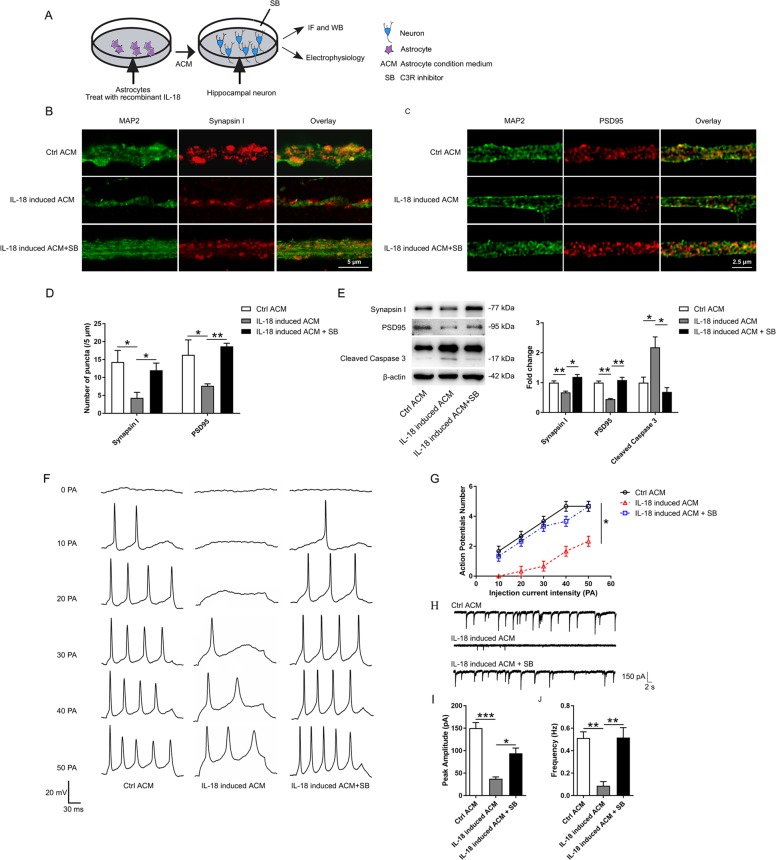
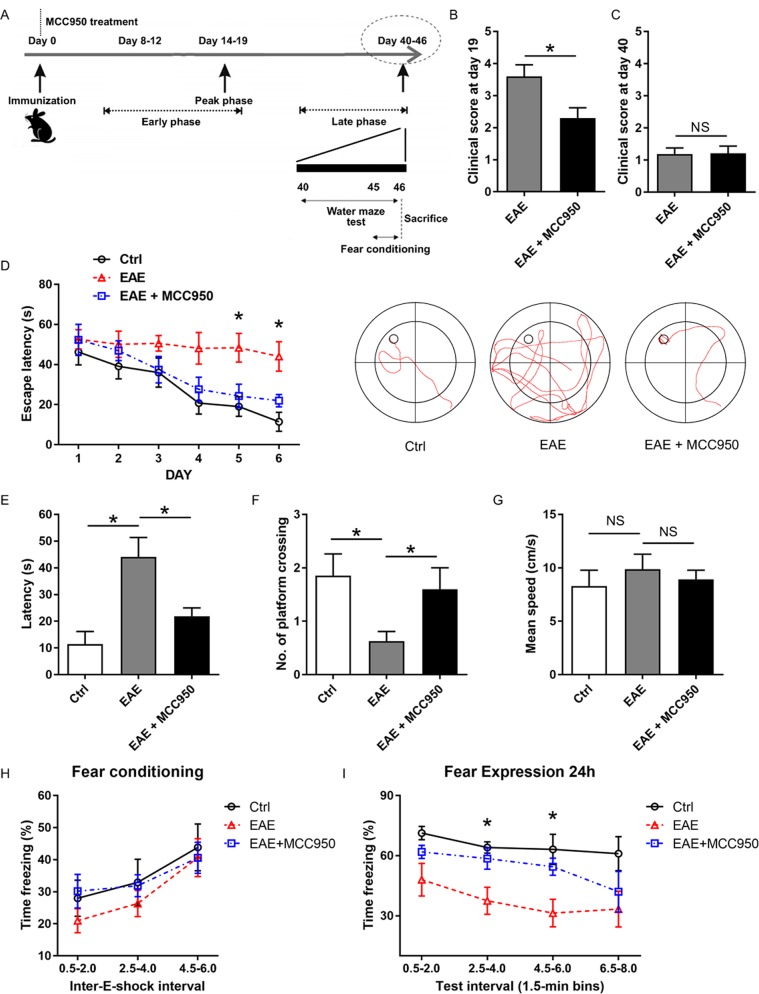
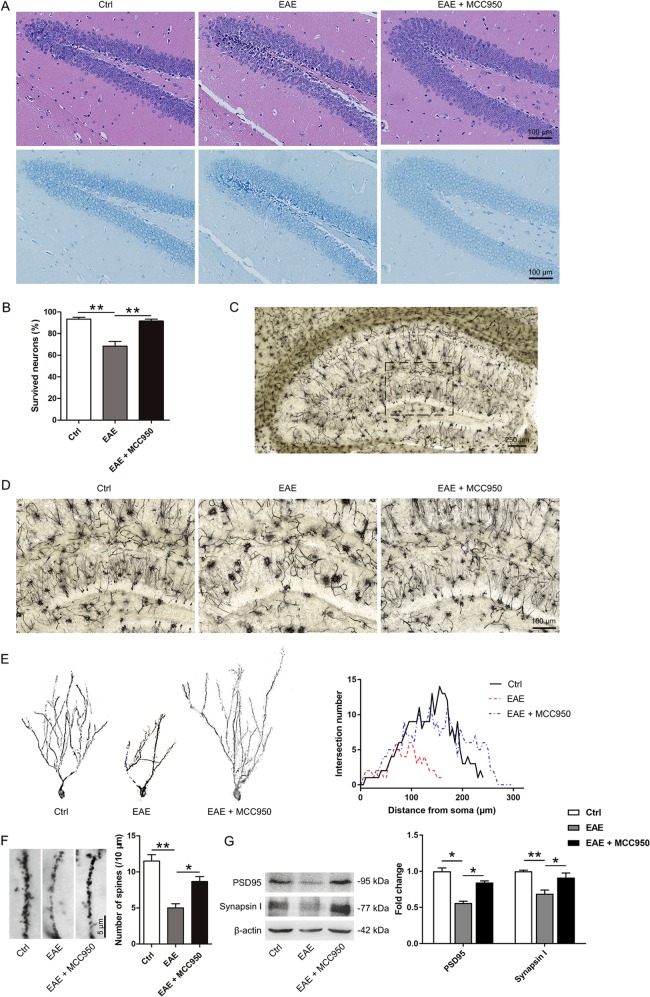
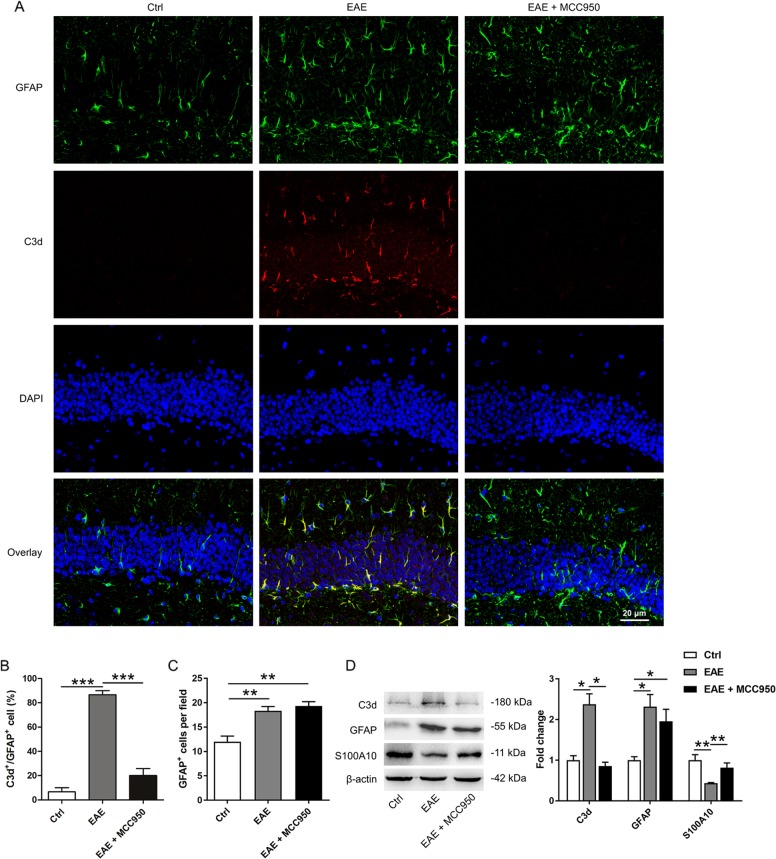
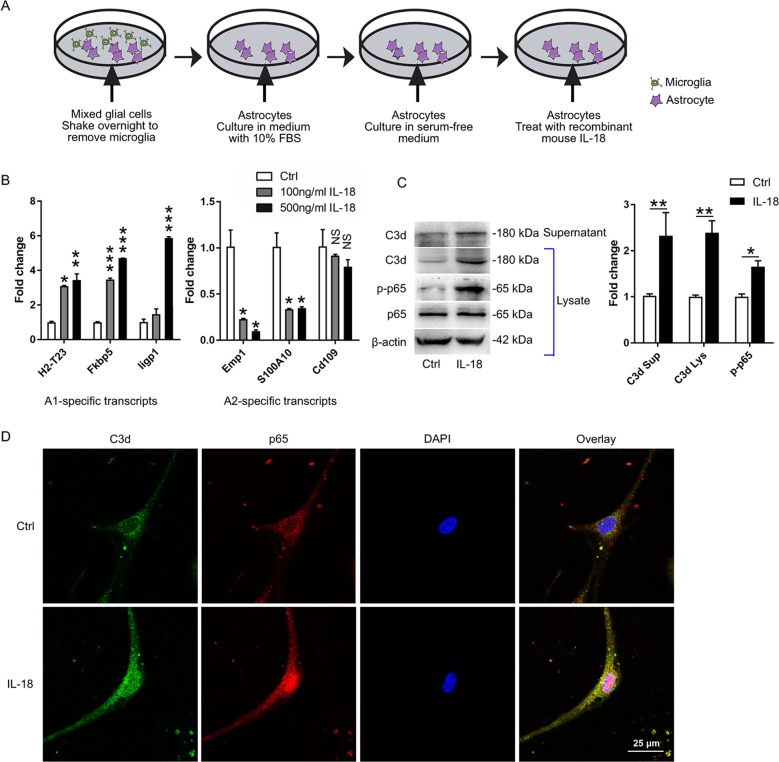
Multiple sclerosis (MS) is a chronic disease that is characterized by demyelination and axonal damage in the central nervous system. Cognitive deficits are recognized as one of the features of MS, and these deficits affect the patients' quality of life. Increasing evidence from experimental autoimmune encephalomyelitis (EAE), the animal model of MS, has suggested that EAE mice exhibit hippocampal impairment and cognitive deficits. However, the underlying mechanisms are still unclear. The NLRP3 inflammasome is a key contributor to neuroinflammation and is involved in the development of MS and EAE. Activation of the NLRP3 inflammasome in microglia is fundamental for subsequent inflammatory events. Activated microglia can convert astrocytes to the neurotoxic A1 phenotype in a variety of neurological diseases. However, it remains unknown whether the NLRP3 inflammasome contributes to cognitive deficits and astrocyte phenotype alteration in EAE. In this study, we demonstrated that severe memory deficits occurred in the late phase of EAE, and cognitive deficits were ameliorated by treatment with MCC950, an inhibitor of the NLRP3 inflammasome. In addition, MCC950 alleviated hippocampal pathology and synapse loss. Astrocytes from EAE mice were converted to the neurotoxic A1 phenotype, and this conversion was prevented by MCC950 treatment. IL-18, which is the downstream of NLRP3 inflammasome, was sufficient to induce the conversion of astrocytes to the A1 phenotype through the NF-κB pathway. IL-18 induced A1 type reactive astrocytes impaired hippocampal neurons through the release of complement component 3 (C3). Altogether, our present data suggest that the NLRP3 inflammasome plays an important role in cognitive deficits in EAE, possibly via the alteration of astrocyte phenotypes. Our study provides a novel therapeutic strategy for hippocampal impairment in EAE and MS.
多发性硬化症 (MS) 是一种中枢神经系统脱髓鞘和轴索损伤为特征的慢性疾病。认知缺陷被认为是 MS 的特征之一,这些缺陷会影响患者的生活质量。越来越多的实验性自身免疫性脑脊髓炎 (EAE) 的证据表明,EAE 小鼠表现出海马损伤和认知缺陷。然而,其潜在机制尚不清楚。NLRP3 炎性小体是神经炎症的关键贡献者,参与了 MS 和 EAE 的发展。小胶质细胞中 NLRP3 炎性小体的激活是后续炎症事件的基础。活化的小胶质细胞可以在多种神经疾病中将星形胶质细胞转化为神经毒性 A1 表型。然而,NLRP3 炎性小体是否导致 EAE 中的认知缺陷和星形胶质细胞表型改变仍不清楚。在这项研究中,我们表明 EAE 的晚期阶段会出现严重的记忆缺陷,而用 NLRP3 炎性小体抑制剂 MCC950 治疗可以改善认知缺陷。此外,MCC950 减轻了海马病理学和突触丢失。EAE 小鼠的星形胶质细胞转化为神经毒性 A1 表型,而 MCC950 治疗可以防止这种转化。NLRP3 炎性小体的下游产物 IL-18 通过 NF-κB 途径足以诱导星形胶质细胞转化为 A1 表型。IL-18 通过释放补体成分 3 (C3) 诱导 A1 型反应性星形胶质细胞损伤海马神经元。总之,我们目前的数据表明,NLRP3 炎性小体在 EAE 的认知缺陷中发挥重要作用,可能通过改变星形胶质细胞表型。我们的研究为 EAE 和 MS 中海马损伤提供了一种新的治疗策略。