Department of Neurological Sciences, Rush University Medical Center, 1735 West Harrison St Suite Cohn 310, 60612, Chicago, IL, USA.
Division of Research and Development, Jesse Brown Veterans Affairs Medical Center, Chicago, USA.
J Neuroimmune Pharmacol. 2020 Jun;15(2):174-180. doi: 10.1007/s11481-020-09923-w. Epub 2020 May 15.
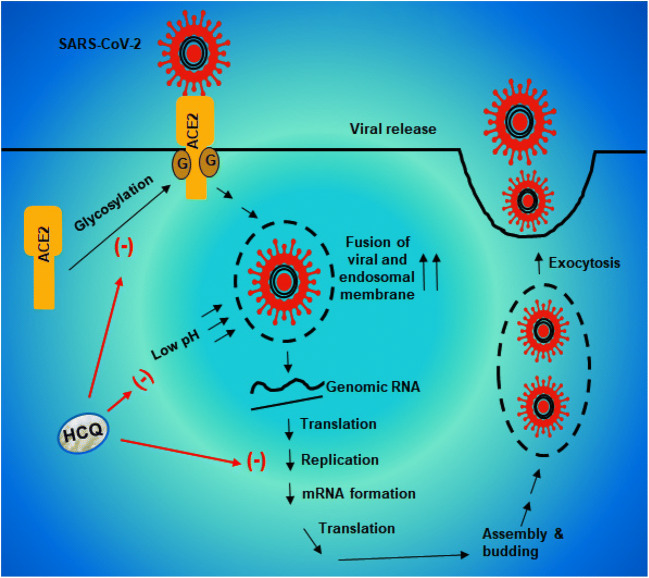
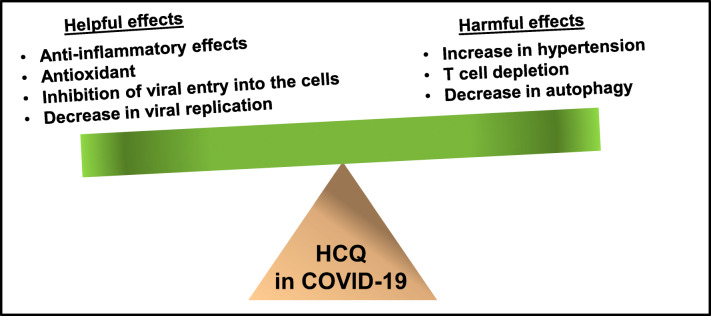
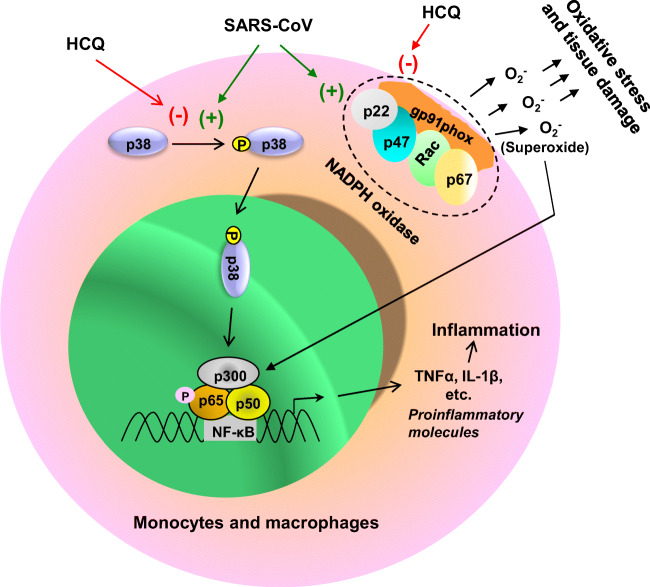
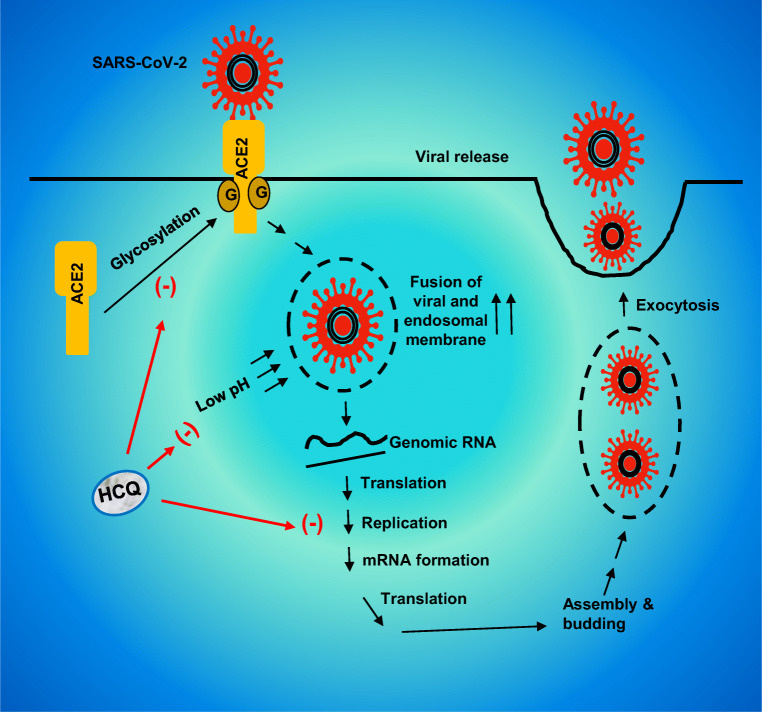
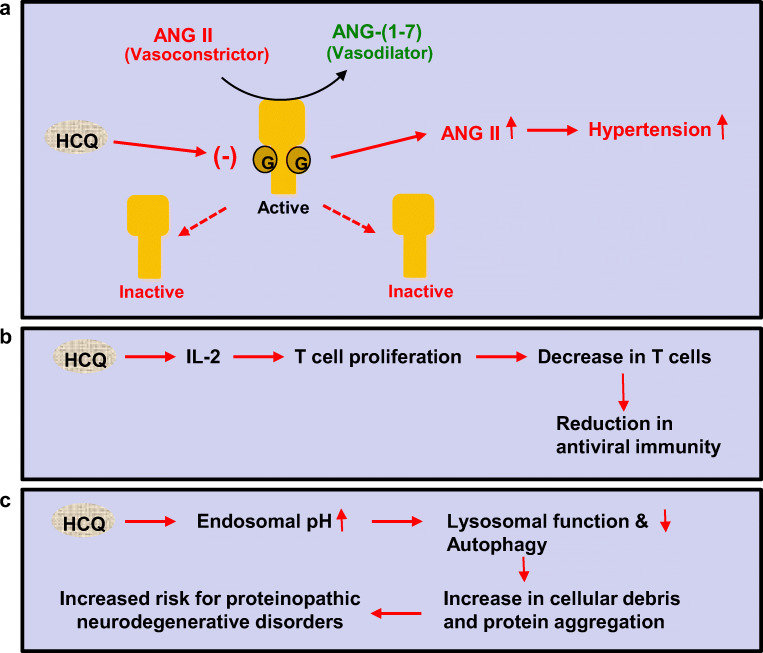
Hydroxychloroquine (HCQ) is an old medication for malaria. In addition to handling this parasitic disease, HCQ is also used to treat a number of autoimmune disorders including rheumatoid arthritis and systemic lupus erythematosus when other medications are not effective. Recently a new viral infection (COVID-19) is rocking the entire world so much that it has already taken more than 200,000 lives throughout the world within the last two months and the World Health Organization was forced to declare it as a pandemic on March 11, 2020. Interestingly, some reports indicate that this wonder drug may be also beneficial for COVID-19 and accordingly, many clinical trials have begun. Here, we discuss different modes of action (anti-inflammatory, antioxidant, inhibition of endosomal acidification, suppression of angiotensin-converting enzyme 2 or ACE2 glycosylation, etc.) of HCQ that might be responsible for its possible anti-COVID-19 effect. On the other hand, this review also makes an honest attempt to delineate mechanisms (increase in vasoconstriction, inhibition of autophagy, depletion of T cells, etc.) indicating how it may aggravate certain conditions and why caution should be taken before granting widespread repurposing of HCQ for COVID-19. Graphical Abstract.
羟氯喹(HCQ)是一种治疗疟疾的老药。除了治疗这种寄生虫病外,当其他药物无效时,HCQ 还用于治疗包括类风湿关节炎和系统性红斑狼疮在内的许多自身免疫性疾病。最近,一种新的病毒感染(COVID-19)在全球范围内引起轩然大波,在过去两个月内,全球已有超过 20 万人因此丧生,世界卫生组织于 2020 年 3 月 11 日被迫宣布其为大流行。有趣的是,一些报告表明,这种神奇的药物可能对 COVID-19 也有好处,因此,许多临床试验已经开始。在这里,我们讨论了 HCQ 的不同作用机制(抗炎、抗氧化、抑制内体酸化、抑制血管紧张素转换酶 2 或 ACE2 糖基化等),这些机制可能是其抗 COVID-19 作用的原因。另一方面,本综述还诚实地尝试阐明其可能加重某些病症的机制(血管收缩增加、自噬抑制、T 细胞耗竭等),并解释了为什么在广泛重新利用 HCQ 治疗 COVID-19 之前应谨慎行事。图表摘要。