
基于非异氰酸酯聚(羟基聚氨酯)的绿色聚合物杂化涂层体系:使用APTMS-ZnO/TEMPO氧化纤维素纳米颗粒对生物大分子化合物结构进行定制
Nonisocyanate Poly(Hydroxyl Urethane)-Based Green Polymer Hybrid Coating Systems: Tailoring of Biomacromolecular Compound Architecture Using APTMS-ZnO/TEMPO-Oxidized Cellulose Nanoparticles.
作者信息
Haniffa Mhd Abd Cader Mhd, Illias Hazlee Azil, Chee Ching Yern, Ibrahim Shaliza, Sandu Viorel, Chuah Cheng Hock
机构信息
Advanced Materials Center, Faculty of Engineering, University of Malaya, Malaysia, 50603 Kuala Lumpur, Malaysia.
Department of Electrical Engineering, Faculty of Engineering, University of Malaya, Malaysia, 50603 Kuala Lumpur, Malaysia.
出版信息
ACS Omega. 2020 May 1;5(18):10315-10326. doi: 10.1021/acsomega.9b04388. eCollection 2020 May 12.
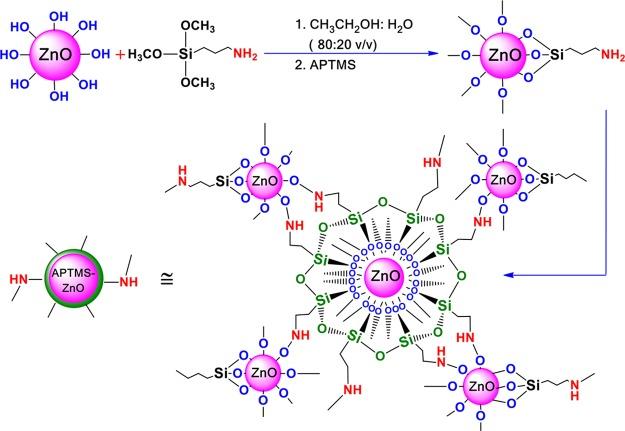
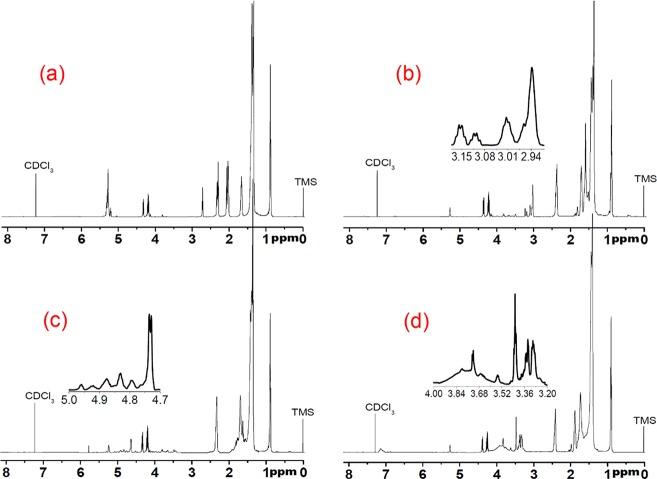
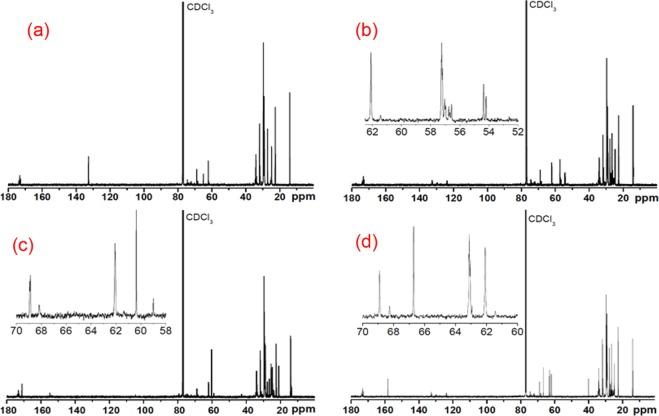
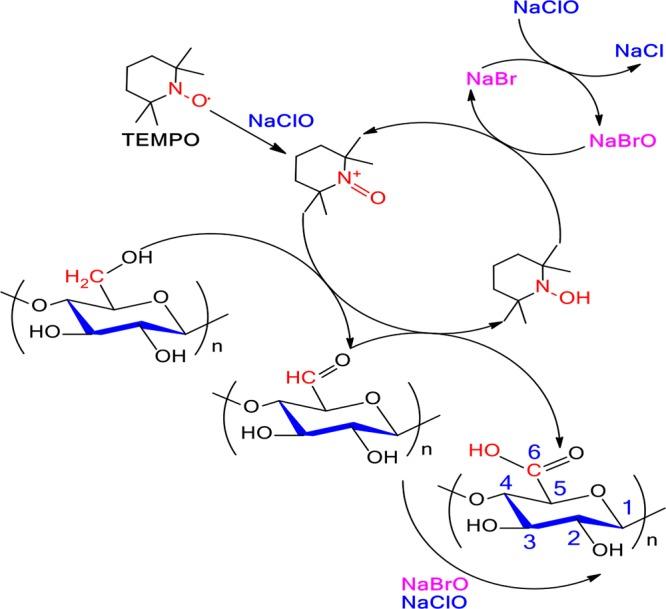
Hybrid bionanocomposite coating systems (HBCSs) are green polymer materials consisting of an interface between a coating matrix and nanoparticles. The coating matrix was prepared by using a nonisocyanate poly(hydroxyl urethane) (NIPHU) prepolymer crosslinked via 1,3-diaminopropane and epoxidized oil. TEMPO-oxidized cellulose nanoparticles (TARC) were prepared from microcrystalline cellulose, and (3-aminopropyl)trimethoxysilane (APTMS)-coated ZnO nanoparticles (APTMS-ZnO) and their suspensions were synthesized separately. The suspensions at different weight ratios were incorporated into the coating matrix to prepare a series of HBCSs. FT-IR, H-NMR, C-NMR, XRD, SEM, and TEM were used to confirm the chemical structures, morphology, and elements of the coating matrix, nanomaterials, and HBCSs. The thermomechanical properties of the HBCSs were investigated by TGA-DTG and pencil hardness analyses. The UV and IR absorption spectra of the HBCSs were obtained using UV-vis spectroscopy and FTIR spectroscopy, respectively. The HBCSs exhibited good thermal stability at about 200 °C. The degradation temperature at 5% mass loss of all samples was over around 280 °C. The HBCSs exhibited excellent UV block and IR active properties with a stoichiometric ratio of the NIPHU prepolymer and EJCO of 1:1 (wt/wt) containing 5 wt % TARC and 15 wt % APTMS-ZnO nanoparticles. It was observed that the sample with 5 wt % TARC and 15 wt % APTMS-ZnO (HBCS-2) exhibited a uniform crosslinking and reinforcement network with a of 282 °C. This sample has successfully achieved good coating hardness and excellent UV and IR absorption.
混合生物纳米复合涂层系统(HBCSs)是由涂层基质和纳米颗粒之间的界面组成的绿色聚合物材料。涂层基质是通过使用经1,3 - 二氨基丙烷交联的非异氰酸酯聚(羟基聚氨酯)(NIPHU)预聚物和环氧化油制备的。TEMPO氧化纤维素纳米颗粒(TARC)由微晶纤维素制备,并且分别合成了(3 - 氨丙基)三甲氧基硅烷(APTMS)包覆的ZnO纳米颗粒(APTMS - ZnO)及其悬浮液。将不同重量比的悬浮液掺入涂层基质中以制备一系列HBCSs。使用傅里叶变换红外光谱(FT - IR)、氢核磁共振(H - NMR)、碳核磁共振(C - NMR)、X射线衍射(XRD)、扫描电子显微镜(SEM)和透射电子显微镜(TEM)来确认涂层基质、纳米材料和HBCSs的化学结构、形态和元素。通过热重 - 微商热重分析(TGA - DTG)和铅笔硬度分析研究了HBCSs的热机械性能。分别使用紫外 - 可见光谱和傅里叶变换红外光谱获得了HBCSs的紫外和红外吸收光谱。HBCSs在约200°C时表现出良好的热稳定性。所有样品在质量损失5%时的降解温度超过约280°C。当NIPHU预聚物与环氧化油的化学计量比为1:1(重量/重量),含有5重量%的TARC和15重量%的APTMS - ZnO纳米颗粒时,HBCSs表现出优异的紫外线阻隔和红外活性性能。观察到含有5重量%TARC和15重量%APTMS - ZnO的样品(HBCS - 2)表现出均匀的交联和增强网络,降解温度为282°C。该样品成功实现了良好的涂层硬度以及优异的紫外和红外吸收性能。




 Zotero 插件