• 文献检索
  • 文档翻译
  • 深度研究
  • 学术资讯
  • Suppr Zotero 插件Zotero 插件
  • 邀请有礼
  • 套餐&价格
  • 历史记录
应用&插件
Suppr Zotero 插件Zotero 插件浏览器插件Mac 客户端Windows 客户端微信小程序
定价
高级版会员购买积分包购买API积分包
服务
文献检索文档翻译深度研究API 文档MCP 服务
关于我们
关于 Suppr公司介绍联系我们用户协议隐私条款
关注我们

Suppr 超能文献

核心技术专利:CN118964589B侵权必究
粤ICP备2023148730 号-1Suppr @ 2026

文献检索

告别复杂PubMed语法,用中文像聊天一样搜索,搜遍4000万医学文献。AI智能推荐,让科研检索更轻松。

立即免费搜索

文件翻译

保留排版,准确专业,支持PDF/Word/PPT等文件格式,支持 12+语言互译。

免费翻译文档

深度研究

AI帮你快速写综述,25分钟生成高质量综述,智能提取关键信息,辅助科研写作。

立即免费体验

社区评分卡方法对马拉维生殖健康服务相关结局的影响。

Effects of the Community Score Card approach on reproductive health service-related outcomes in Malawi.

机构信息

CARE USA, Atlanta, Georgia, United States of America.

College for Public Health & Social Justice, Saint Louis University, St. Louis, Missouri, United States of America.

出版信息

PLoS One. 2020 May 19;15(5):e0232868. doi: 10.1371/journal.pone.0232868. eCollection 2020.

DOI:10.1371/journal.pone.0232868
PMID:32428027
原文链接:https://pmc.ncbi.nlm.nih.gov/articles/PMC7236973/
Abstract

BACKGROUND

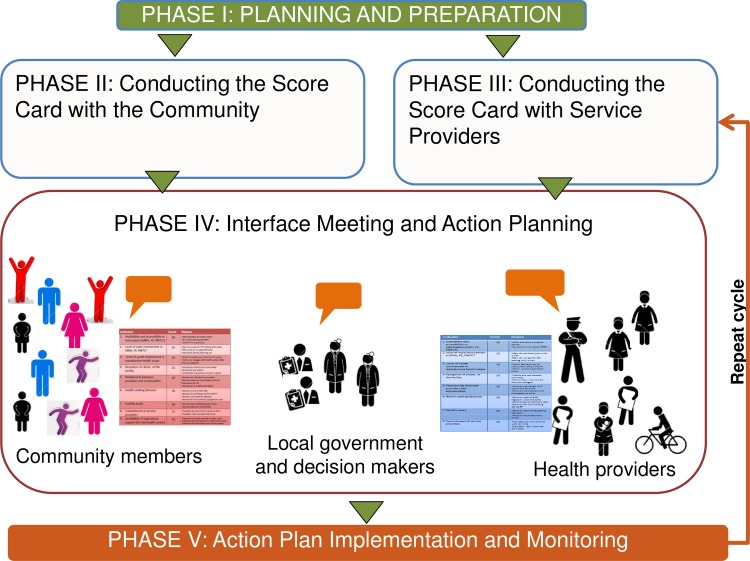
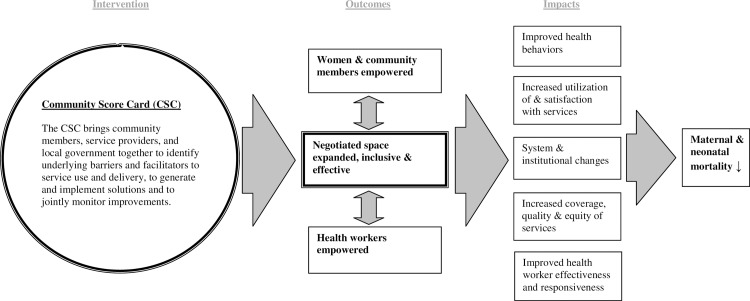
Social accountability approaches are increasingly being employed in low-resource settings to improve government services. In line with the continuous quality improvement (CQI) philosophy that quality is the product of a linked chain, collaborative social accountability approaches like the Community Score Card (CSC) aim to empower clients and frontline service providers to transform their own lives and hold public officials to account for state obligations. Despite being a critical focus of collaborative social accountability approaches, to our knowledge, a quantitative survey of health workers to understand the impact of these approaches on their self-reported responsibilities and service provision has not been conducted. To fill this gap, we carried out a quantitative survey with health workers to assess the CSC's impact on health worker-reported service responsibilities and provision and complement women's self-reports.

METHODS

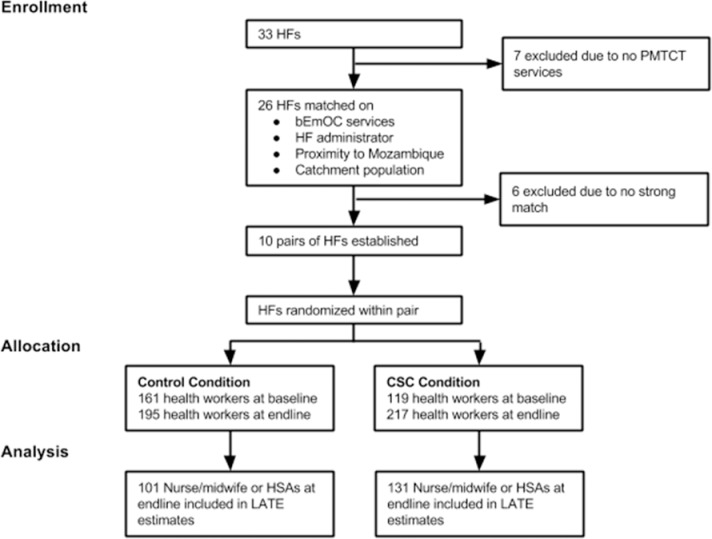
We evaluated the effect of the CSC on reproductive health-related outcomes using a cluster-randomized design in Ntcheu district, Malawi. We matched 10 pairs of health facilities and surrounding catchment communities; one from each pair was randomly assigned to the intervention and control arms. The intervention communities and health workers each completed 3-4 cycles of the CSC process by endline. We then surveyed all health workers in the 20 intervention and comparison sites at endline (n = 412) to estimate the intervention's impact.

RESULTS

Significantly (p < .05) more health workers in the CSC intervention areas compared to control areas reported responsibility for antenatal care, comprehensive antenatal care counseling, recording of the number of pregnant and postpartum women seen each month, and the average age of their last family planning client was younger. In addition, marginally significantly (p < .10) more health workers in treatment versus control areas report visiting women at their home at least once during their pregnancy. However, health worker-reported responsibility for HIV testing was significantly lower in intervention areas than in control.

CONCLUSIONS

The CSC aims to empower health workers to collaborate with the community and rest of the health system to identify and overcome the diverse and context-specific range of performance barriers they face. In doing so, it aims to support them to demand and ensure quality care for themselves from the health system so they can, in turn, deliver quality services to clients. Our results contribute to the evidence that the CSC may hold promise at improving service provision. While there is increasing evidence that collaborative social accountability approaches like the CSC are effective means to improving reproductive health-related service provision and outcomes in low-resource settings, additional research is needed.
https://cdn.ncbi.nlm.nih.gov/pmc/blobs/781c/7236973/6227b3d53699/pone.0232868.g003.jpg
https://cdn.ncbi.nlm.nih.gov/pmc/blobs/781c/7236973/2864c8770c34/pone.0232868.g001.jpg
https://cdn.ncbi.nlm.nih.gov/pmc/blobs/781c/7236973/e445ac07100a/pone.0232868.g002.jpg
https://cdn.ncbi.nlm.nih.gov/pmc/blobs/781c/7236973/6227b3d53699/pone.0232868.g003.jpg
https://cdn.ncbi.nlm.nih.gov/pmc/blobs/781c/7236973/2864c8770c34/pone.0232868.g001.jpg
https://cdn.ncbi.nlm.nih.gov/pmc/blobs/781c/7236973/e445ac07100a/pone.0232868.g002.jpg
https://cdn.ncbi.nlm.nih.gov/pmc/blobs/781c/7236973/6227b3d53699/pone.0232868.g003.jpg
摘要

背景

社会问责制方法在资源匮乏的环境中被越来越多地采用,以改善政府服务。与持续质量改进(CQI)理念一致,即质量是链接链的产物,像社区记分卡(CSC)这样的协作社会问责制方法旨在赋予客户和一线服务提供者权力,以改变他们的生活,并要求公职人员履行国家义务。尽管这是协作社会问责制方法的关键焦点,但据我们所知,尚未对卫生工作者进行定量调查,以了解这些方法对其自我报告的责任和服务提供的影响。为了填补这一空白,我们对卫生工作者进行了定量调查,以评估 CSC 对卫生工作者报告的服务责任和提供的影响,并补充妇女的自我报告。

方法

我们在马拉维恩特凯区采用了一项基于群组的随机设计,评估了 CSC 对与生殖健康相关结果的影响。我们将 10 对卫生设施和周围的集水区社区进行匹配;每对中的一个被随机分配到干预组和对照组。干预社区和卫生工作者在终点分别完成了 3-4 轮 CSC 流程。然后,我们在终点调查了 20 个干预和对照地点的所有卫生工作者(n = 412),以估计干预的影响。

结果

与对照组相比,CSC 干预区的卫生工作者明显(p <.05)报告了更多的责任,包括产前护理、全面产前护理咨询、记录每月接受产前和产后护理的孕妇人数,以及上一个计划生育客户的平均年龄更年轻。此外,在治疗组与对照组相比,更多的卫生工作者报告在怀孕期间至少一次家访。然而,与对照组相比,干预区卫生工作者报告进行 HIV 检测的责任明显较低。

结论

CSC 的目的是赋予卫生工作者与社区和整个卫生系统合作的权力,以确定和克服他们面临的多样化和特定于背景的绩效障碍。在这样做的过程中,它旨在支持他们向卫生系统要求和确保优质护理,以便他们能够反过来为客户提供优质服务。我们的研究结果为 CSC 可能有助于改善服务提供的证据做出了贡献。虽然越来越多的证据表明,像 CSC 这样的协作社会问责制方法是改善资源匮乏环境中与生殖健康相关的服务提供和结果的有效手段,但还需要进一步的研究。

相似文献

1
Effects of the Community Score Card approach on reproductive health service-related outcomes in Malawi.社区评分卡方法对马拉维生殖健康服务相关结局的影响。
PLoS One. 2020 May 19;15(5):e0232868. doi: 10.1371/journal.pone.0232868. eCollection 2020.
2
Effects of a social accountability approach, CARE's Community Score Card, on reproductive health-related outcomes in Malawi: A cluster-randomized controlled evaluation.社会问责制方法(美国援外社的社区计分卡)对马拉维生殖健康相关成果的影响:一项整群随机对照评估。
PLoS One. 2017 Feb 10;12(2):e0171316. doi: 10.1371/journal.pone.0171316. eCollection 2017.
3
Creating spaces for dialogue: a cluster-randomized evaluation of CARE's Community Score Card on health governance outcomes.营造对话空间:对援外社社区记分卡健康治理成果的整群随机评估
BMC Health Serv Res. 2018 Nov 14;18(1):858. doi: 10.1186/s12913-018-3651-3.
4
Bringing women's voices to PMTCT CARE: adapting CARE's Community Score Card© to engage women living with HIV to build quality health systems in Malawi.让女性的声音融入预防母婴传播护理工作:改编关爱组织的社区计分卡,促使感染艾滋病毒的女性参与其中,以在马拉维建立高质量的卫生系统。
BMC Health Serv Res. 2020 Jul 22;20(1):679. doi: 10.1186/s12913-020-05538-2.
5
A review of CARE's Community Score Card experience and evidence.对救助儿童会社区计分卡经验与证据的回顾。
Health Policy Plan. 2016 Dec;31(10):1467-1478. doi: 10.1093/heapol/czw064. Epub 2016 May 17.
6
Evaluating Young People's Ability to Sustain an Evidence-Based Social Accountability Approach to Improve Adolescent Sexual and Reproductive Health in Ntcheu, Malawi.评估马拉维恩彻乌地区年轻人维持基于证据的社会问责制方法以改善青少年性与生殖健康的能力。
Front Reprod Health. 2021 Jul 1;3:645280. doi: 10.3389/frph.2021.645280. eCollection 2021.
7
Gendered norms of responsibility: reflections on accountability politics in maternal health care in Malawi.性别化的责任规范:对马拉维母婴保健中问责政治的反思。
Int J Equity Health. 2018 Sep 24;17(1):131. doi: 10.1186/s12939-018-0848-3.
8
Evaluating the feasibility of the Community Score Card and subsequent contraceptive behavior in Kisumu, Kenya.评估肯尼亚基苏木社区记分卡的可行性及其对随后避孕行为的影响。
BMC Public Health. 2022 Oct 24;22(1):1960. doi: 10.1186/s12889-022-14388-y.
9
Understanding barriers preventing pregnant women from starting antenatal clinic in the first trimester of pregnancy in Ntcheu District-Malawi.理解导致姆钦吉区孕妇未能在怀孕早期开始接受产前检查的障碍因素-马拉维。
Reprod Health. 2018 Sep 21;15(1):158. doi: 10.1186/s12978-018-0605-5.
10
Reproductive health services in Malawi: an evaluation of a quality improvement intervention.马拉维的生殖健康服务:一项质量改进干预措施的评估。
Midwifery. 2013 Jan;29(1):53-9. doi: 10.1016/j.midw.2011.10.005. Epub 2011 Nov 12.

引用本文的文献

1
A qualitative exploration of how a community engagement approach influences community and health worker perceptions related to family planning service delivery in Togo.对社区参与方法如何影响多哥社区及卫生工作者对计划生育服务提供的看法进行定性探索。
Front Reprod Health. 2024 Jul 3;6:1389716. doi: 10.3389/frph.2024.1389716. eCollection 2024.
2
Impact of health system governance on healthcare quality in low-income and middle-income countries: a scoping review.卫生系统治理对中低收入国家医疗质量的影响:范围综述。
BMJ Open. 2023 Dec 11;13(12):e073669. doi: 10.1136/bmjopen-2023-073669.
3
Six Recommendations for Provider Behavior Change in Family Planning.

本文引用的文献

1
Creating spaces for dialogue: a cluster-randomized evaluation of CARE's Community Score Card on health governance outcomes.营造对话空间:对援外社社区记分卡健康治理成果的整群随机评估
BMC Health Serv Res. 2018 Nov 14;18(1):858. doi: 10.1186/s12913-018-3651-3.
2
Factors that influence the provision of intrapartum and postnatal care by skilled birth attendants in low- and middle-income countries: a qualitative evidence synthesis.影响低收入和中等收入国家熟练助产士提供产时和产后护理的因素:一项定性证据综合分析
Cochrane Database Syst Rev. 2017 Nov 17;11(11):CD011558. doi: 10.1002/14651858.CD011558.pub2.
3
Conceptualisation of job-related wellbeing, stress and burnout among healthcare workers in rural Ethiopia: a qualitative study.
计划生育服务提供者行为改变的六项建议
Glob Health Sci Pract. 2023 Nov 30;11(Suppl 1). doi: 10.9745/GHSP-D-22-00495.
4
Human rights-based accountability for sexual and reproductive health and rights in humanitarian settings: Findings from a pilot study in northern Uganda.人道主义背景下基于人权的性与生殖健康及权利问责制:乌干达北部一项试点研究的结果
PLOS Glob Public Health. 2022 Aug 22;2(8):e0000836. doi: 10.1371/journal.pgph.0000836. eCollection 2022.
5
Improving access to health services through health reform in Lesotho: Progress made towards achieving Universal Health Coverage.通过莱索托的卫生改革改善卫生服务可及性:在实现全民健康覆盖方面取得的进展。
PLOS Glob Public Health. 2022 Nov 16;2(11):e0000985. doi: 10.1371/journal.pgph.0000985. eCollection 2022.
6
What's in a name? Unpacking 'Community ' terminology in reproductive, maternal, newborn and child health: a scoping review.名称的含义是什么?生殖、孕产妇、新生儿和儿童健康领域中“社区”术语的解析:范围综述。
BMJ Glob Health. 2023 Feb;8(2). doi: 10.1136/bmjgh-2022-009423.
7
Research and implementation interactions in a social accountability study: utilizing guidance for conducting process evaluations of complex interventions.社会问责研究中的研究与实施交互作用:利用针对复杂干预措施的过程评估指南。
Int J Equity Health. 2022 Nov 3;21(Suppl 1):153. doi: 10.1186/s12939-022-01718-0.
8
Evaluating Young People's Ability to Sustain an Evidence-Based Social Accountability Approach to Improve Adolescent Sexual and Reproductive Health in Ntcheu, Malawi.评估马拉维恩彻乌地区年轻人维持基于证据的社会问责制方法以改善青少年性与生殖健康的能力。
Front Reprod Health. 2021 Jul 1;3:645280. doi: 10.3389/frph.2021.645280. eCollection 2021.
9
Evaluating the feasibility of the Community Score Card and subsequent contraceptive behavior in Kisumu, Kenya.评估肯尼亚基苏木社区记分卡的可行性及其对随后避孕行为的影响。
BMC Public Health. 2022 Oct 24;22(1):1960. doi: 10.1186/s12889-022-14388-y.
10
Impact of community and provider-driven social accountability interventions on contraceptive uptake in Ghana and Tanzania.社区和提供者驱动的社会问责干预措施对加纳和坦桑尼亚避孕普及率的影响。
Int J Equity Health. 2022 Sep 28;21(1):142. doi: 10.1186/s12939-022-01736-y.
埃塞俄比亚农村医护人员工作相关的幸福感、压力和职业倦怠的概念化:一项定性研究
BMC Health Serv Res. 2017 Jun 19;17(1):412. doi: 10.1186/s12913-017-2370-5.
4
From favours to entitlements: community voice and action and health service quality in Zambia.从恩惠到权利:赞比亚的社区声音与行动以及卫生服务质量
Health Policy Plan. 2017 Jul 1;32(6):847-859. doi: 10.1093/heapol/czx024.
5
Effects of a social accountability approach, CARE's Community Score Card, on reproductive health-related outcomes in Malawi: A cluster-randomized controlled evaluation.社会问责制方法(美国援外社的社区计分卡)对马拉维生殖健康相关成果的影响:一项整群随机对照评估。
PLoS One. 2017 Feb 10;12(2):e0171316. doi: 10.1371/journal.pone.0171316. eCollection 2017.
6
Factors influencing physicians' choice of workplace: systematic review of drivers of attrition and policy interventions to address them.影响医生工作场所选择的因素:对人员流失驱动因素及应对政策干预措施的系统评价
J Glob Health. 2016 Dec;6(2):020403. doi: 10.7189/jogh.06.020403.
7
Health provider responsiveness to social accountability initiatives in low- and middle-income countries: a realist review.低收入和中等收入国家卫生服务提供者对社会问责倡议的响应:一项现实主义综述。
Health Policy Plan. 2017 Feb;32(1):125-140. doi: 10.1093/heapol/czw089. Epub 2016 Jul 3.
8
A review of CARE's Community Score Card experience and evidence.对救助儿童会社区计分卡经验与证据的回顾。
Health Policy Plan. 2016 Dec;31(10):1467-1478. doi: 10.1093/heapol/czw064. Epub 2016 May 17.
9
Effects of a community scorecard on improving the local health system in Eastern Democratic Republic of Congo: qualitative evidence using the most significant change technique.社区记分卡对改善刚果民主共和国东部当地卫生系统的影响:运用最显著变化技术的定性证据
Confl Health. 2015 Sep 3;9:27. doi: 10.1186/s13031-015-0055-4. eCollection 2015.
10
Enhancing governance and health system accountability for people centered healthcare: an exploratory study of community scorecards in Afghanistan.加强治理与卫生系统对以人为本的医疗保健的问责制:阿富汗社区记分卡的探索性研究。
BMC Health Serv Res. 2015 Jul 31;15:299. doi: 10.1186/s12913-015-0946-5.