Center for Cancer Research, National Cancer Institute, Bethesda, Maryland, United States of America.
Division of Cancer Treatment and Diagnosis, National Cancer Institute, Bethesda, Maryland, United States of America.
PLoS One. 2020 May 19;15(5):e0233208. doi: 10.1371/journal.pone.0233208. eCollection 2020.
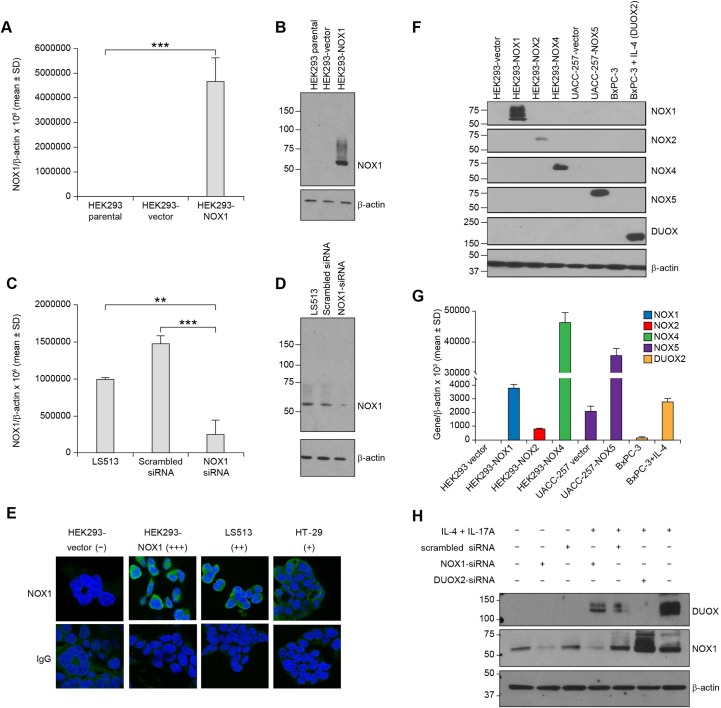
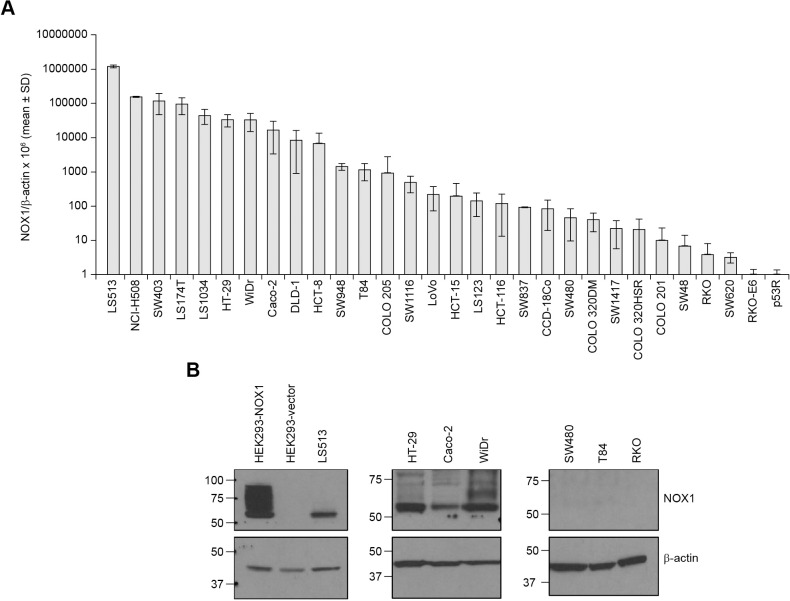
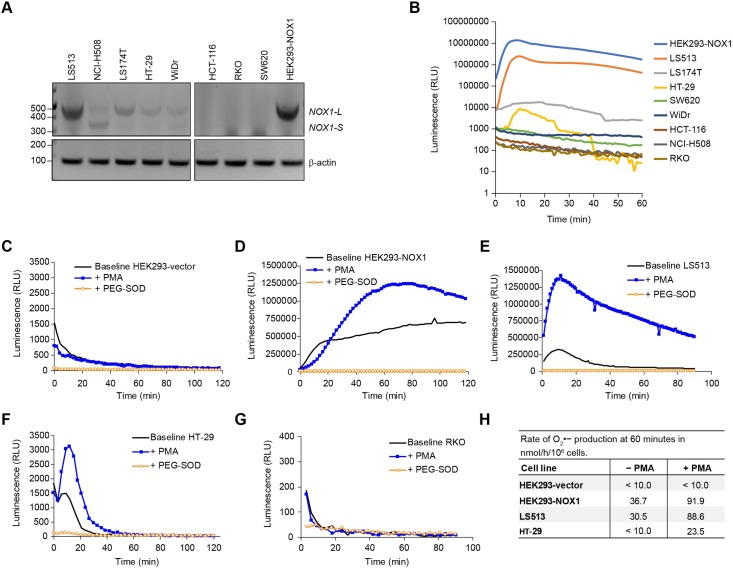
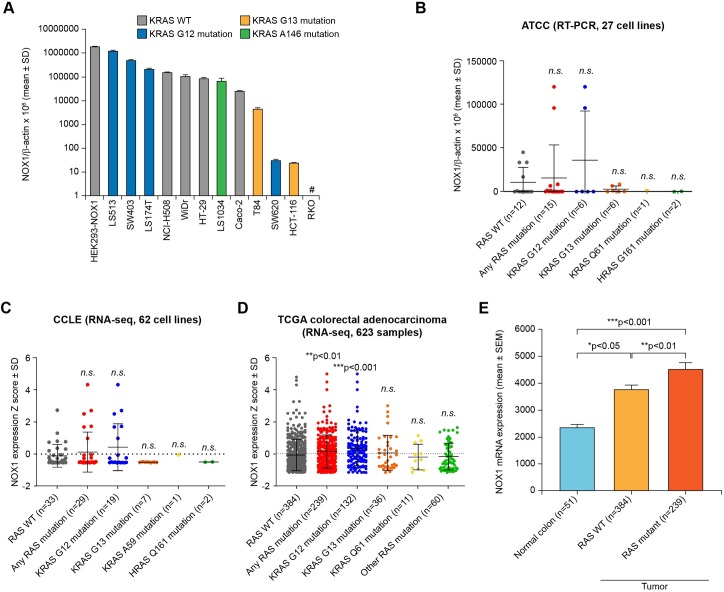
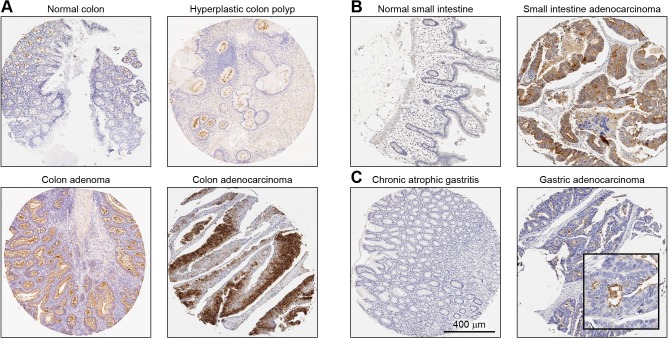
To facilitate functional investigation of the role of NADPH oxidase 1 (NOX1) and associated reactive oxygen species in cancer cell signaling, we report herein the development and characterization of a novel mouse monoclonal antibody that specifically recognizes the C-terminal region of the NOX1 protein. The antibody was validated in stable NOX1 overexpression and knockout systems, and demonstrates wide applicability for Western blot analysis, confocal microscopy, flow cytometry, and immunohistochemistry. We employed our NOX1 antibody to characterize NOX1 expression in a panel of 30 human colorectal cancer cell lines, and correlated protein expression with NOX1 mRNA expression and superoxide production in a subset of these cells. Although a significant correlation between oncogenic RAS status and NOX1 mRNA levels could not be demonstrated in colon cancer cell lines, RAS mutational status did correlate with NOX1 expression in human colon cancer surgical specimens. Immunohistochemical analysis of a comprehensive set of tissue microarrays comprising over 1,200 formalin-fixed, paraffin-embedded tissue cores from human epithelial tumors and inflammatory disease confirmed that NOX1 is overexpressed in human colon and small intestinal adenocarcinomas, as well as adenomatous polyps, compared to adjacent, uninvolved intestinal mucosae. In contradistinction to prior studies, we did not find evidence of NOX1 overexpression at the protein level in tumors versus histologically normal tissues in prostate, lung, ovarian, or breast carcinomas. This study constitutes the most comprehensive histopathological characterization of NOX1 to date in cellular models of colon cancer and in normal and malignant human tissues using a thoroughly evaluated monoclonal antibody. It also further establishes NOX1 as a clinically relevant therapeutic target in colorectal and small intestinal cancer.
为了促进 NADPH 氧化酶 1(NOX1)和相关活性氧在癌细胞信号转导中的功能研究,我们在此报告了一种新型鼠单克隆抗体的开发和鉴定,该抗体特异性识别 NOX1 蛋白的 C 端区域。该抗体在稳定过表达和敲除 NOX1 的系统中进行了验证,并在 Western blot 分析、共聚焦显微镜、流式细胞术和免疫组织化学中显示了广泛的适用性。我们利用我们的 NOX1 抗体对 30 个人结直肠癌细胞系中的 NOX1 表达进行了特征分析,并在这些细胞中的一部分中,将蛋白表达与 NOX1 mRNA 表达和超氧化物产生进行了相关性分析。尽管在结直肠癌细胞系中未能证明致癌性 RAS 状态与 NOX1 mRNA 水平之间存在显著相关性,但 RAS 突变状态与人类结肠癌手术标本中的 NOX1 表达相关。对包括来自人类上皮肿瘤和炎症性疾病的 1200 多个福尔马林固定、石蜡包埋组织芯的全面组织微阵列的免疫组织化学分析证实,与相邻的未受影响的肠黏膜相比,NOX1 在人结肠和小肠道腺癌以及腺瘤性息肉中过表达。与先前的研究不同,我们在前列腺癌、肺癌、卵巢癌或乳腺癌的肿瘤与组织学正常组织中未发现 NOX1 蛋白水平的过表达证据。这项研究使用经过彻底评估的单克隆抗体,构成了迄今为止在结直肠癌的细胞模型以及正常和恶性人类组织中对 NOX1 进行的最全面的组织病理学特征描述。它还进一步确立了 NOX1 作为结直肠和小肠癌的临床相关治疗靶点。