Department of Animal Physiology and Reproduction, Institute of Biology and Biotechnology, Collegium Scientarium Naturalium, University of Rzeszow, Werynia 2, 36-100 Kolbuszowa, Poland.
Cells. 2020 May 16;9(5):1231. doi: 10.3390/cells9051231.
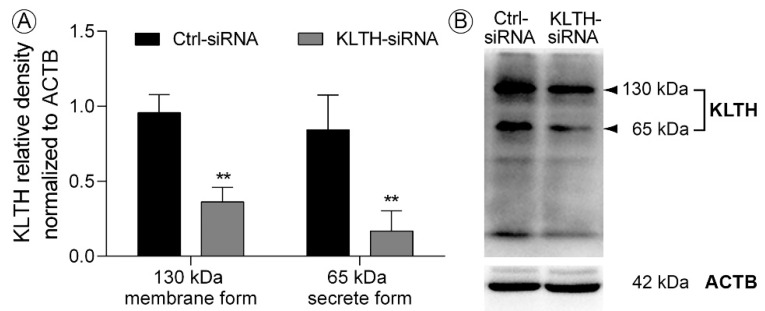
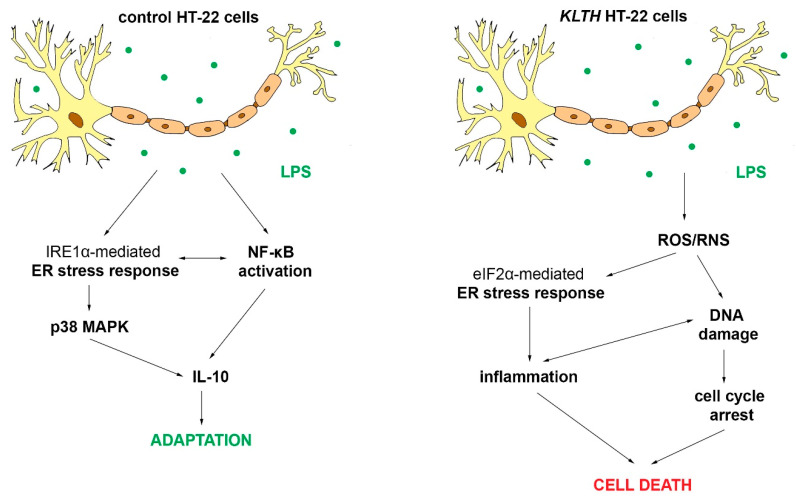
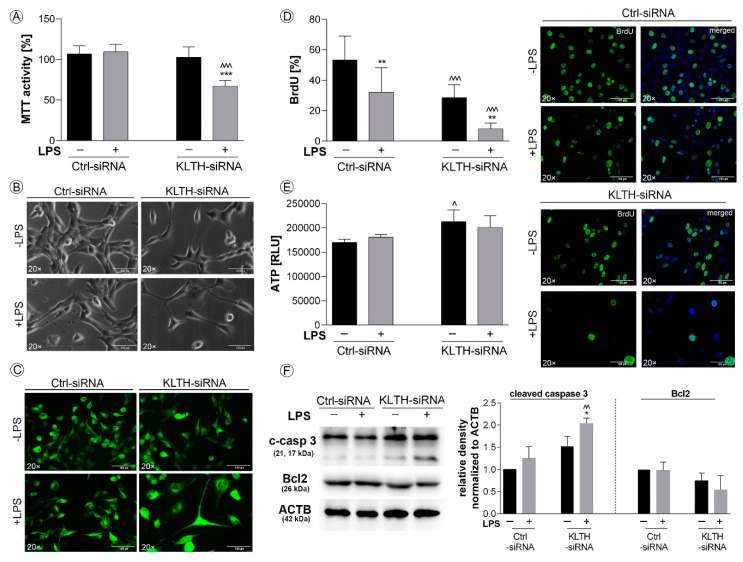
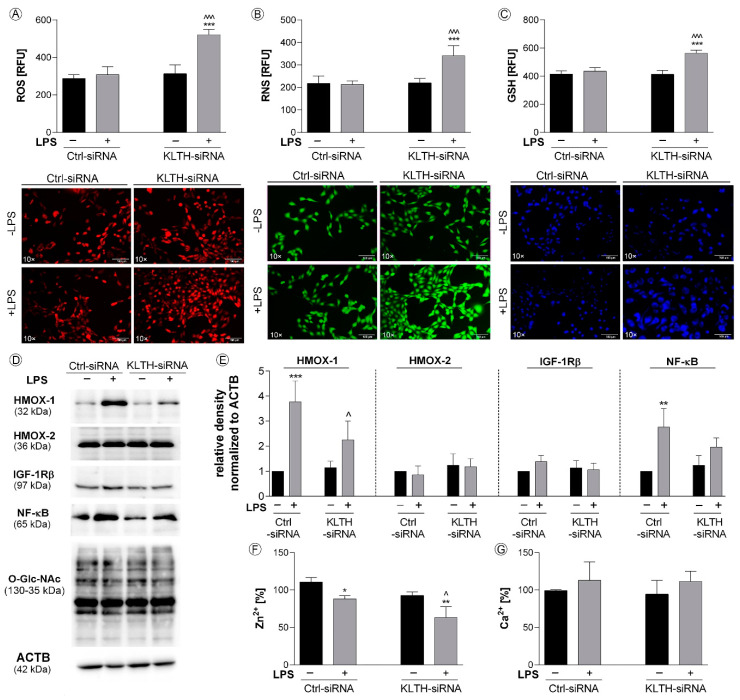
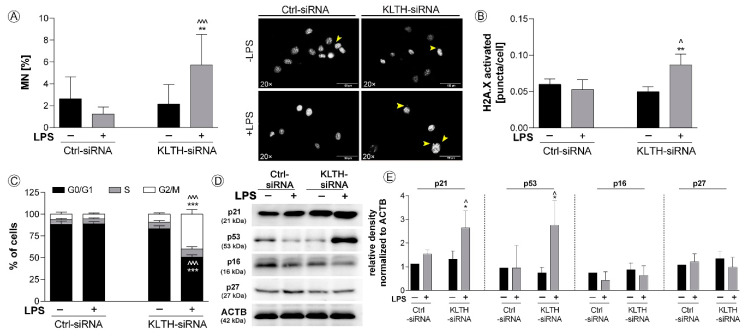
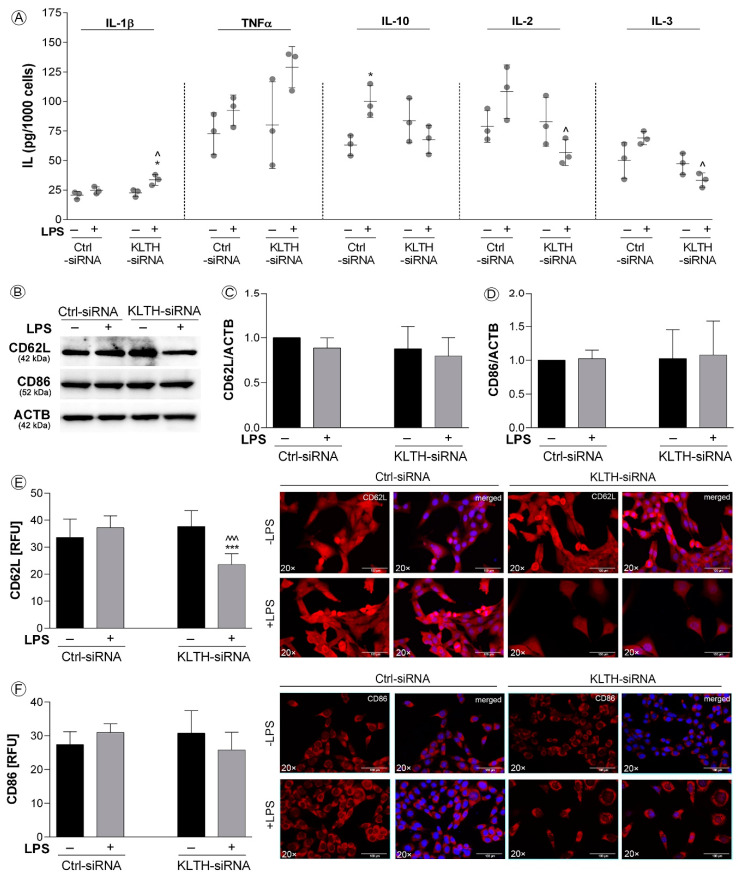
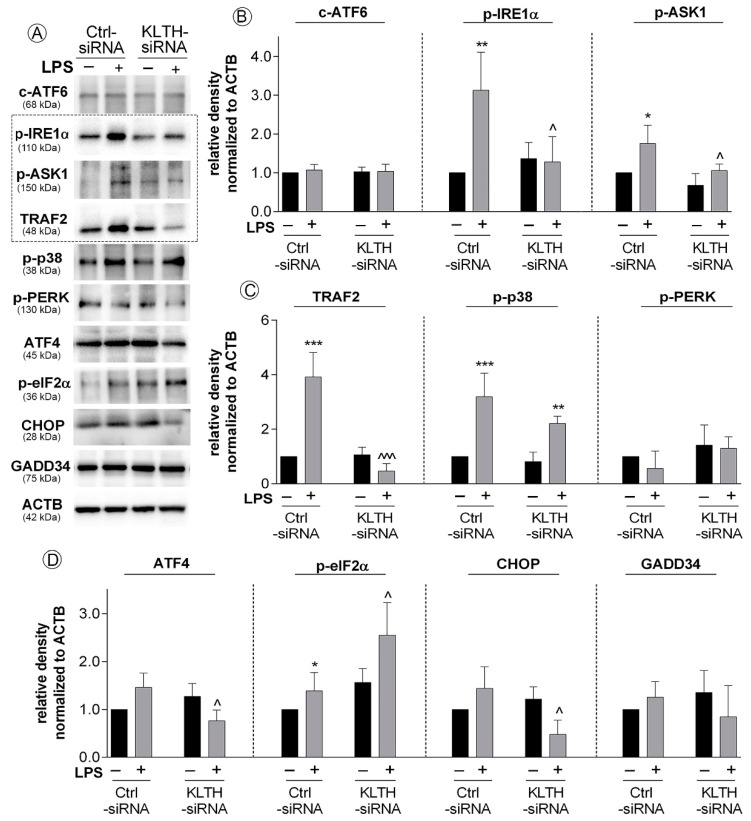
Neuroinflammation is defined as the activation of the brain's innate immune system in response to an inflammatory challenge and is considered to be a prominent feature of neurodegenerative diseases. The contribution of overactivated neuroglial cells to neuroinflammation and neurodegenerative disorders is well documented, however, the role of hippocampal neurons in the neuroinflammatory process remains fragmentary. In this study, we show for the first time, that klotho acts as a signal transducer between pro-survival and pro-apoptotic crosstalk mediated by ER stress in HT-22 hippocampal neuronal cells during LPS challenge. In control HT-22 cells, LPS treatment results in activation of the IRE1α-p38 MAPK pathway leading to increased secretion of anti-inflammatory IL-10, and thus, providing adaptation mechanism. On the other hand, in klotho-deficient HT-22 cells, LPS induces oxi-nitrosative stress and genomic instability associated with telomere dysfunctions leading to p53/p21-mediated cell cycle arrest and, in consequence, to ER stress, inflammation as well as of apoptotic cell death. Therefore, these results indicate that klotho serves as a part of the cellular defense mechanism engaged in the protection of neuronal cells against LPS-mediated neuroinflammation, emerging issues linked with neurodegenerative disorders.
神经炎症被定义为大脑固有免疫系统对炎症挑战的激活,被认为是神经退行性疾病的一个突出特征。过度激活的神经胶质细胞对神经炎症和神经退行性疾病的贡献已有充分的记录,但海马神经元在神经炎症过程中的作用仍然很零碎。在这项研究中,我们首次表明,klotho 在 HT-22 海马神经元细胞中 LPS 挑战期间,通过 ER 应激介导的促生存和促凋亡串扰之间充当信号转导器。在对照 HT-22 细胞中,LPS 处理导致 IRE1α-p38 MAPK 途径的激活,导致抗炎性 IL-10 的分泌增加,从而提供适应机制。另一方面,在 klotho 缺陷的 HT-22 细胞中,LPS 诱导氧化硝化应激和与端粒功能障碍相关的基因组不稳定性,导致 p53/p21 介导的细胞周期停滞,进而导致 ER 应激、炎症和凋亡性细胞死亡。因此,这些结果表明,klotho 作为参与保护神经元细胞免受 LPS 介导的神经炎症的细胞防御机制的一部分,是与神经退行性疾病相关的新兴问题。