1Division of Infectious Diseases, Immunology, and International Medicine, University of Illinois at Chicago, Chicago, Illinois.
2Center for Global Health, Instituto Nacional de Ciencias Neurológicas, Universidad Peruana Cayetano Heredia, and Cysticercosis Unit, Lima, Perú.
Am J Trop Med Hyg. 2020 Aug;103(2):639-645. doi: 10.4269/ajtmh.19-0485. Epub 2020 May 14.
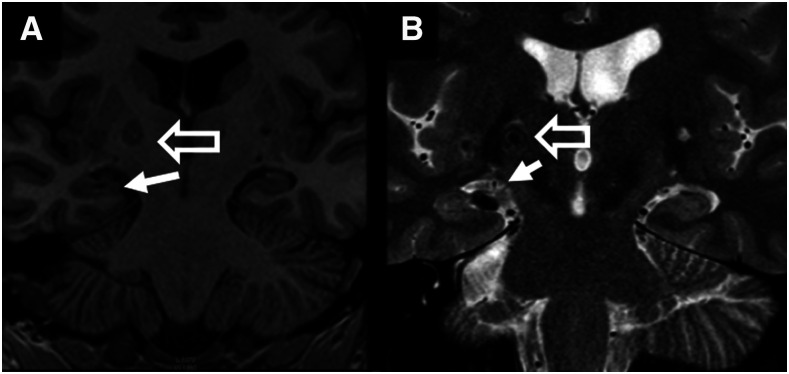
The parasitic helminth infection neurocysticercosis (NCC) is the most common cause of adult-acquired epilepsy in the world. Despite the serious consequences of epilepsy due to this infection, an in-depth review of the distinct characteristics of epilepsy due to neurocysticercosis has never been conducted. In this review, we evaluate the relationship between NCC and epilepsy and the unique characteristics of epilepsy caused by NCC. We also discuss recent advances in our understanding of NCC-related epilepsy, including the importance of anti-inflammatory therapies, the association between NCC and temporal lobe epilepsy, and the recent discovery of biomarkers of severe epilepsy development in individuals with NCC and seizures.
寄生虫性蠕虫感染囊尾蚴病(NCC)是世界上成年人获得性癫痫的最常见原因。尽管这种感染导致的癫痫会产生严重后果,但从未对 NCC 引起的癫痫的独特特征进行过深入审查。在这篇综述中,我们评估了 NCC 与癫痫之间的关系以及 NCC 引起的癫痫的独特特征。我们还讨论了我们对 NCC 相关癫痫的理解的最新进展,包括抗炎治疗的重要性、NCC 与颞叶癫痫的关联,以及最近在有 NCC 和癫痫发作的个体中发现严重癫痫发展的生物标志物。