Dehghani Behzad, Hashempour Tayebeh, Hasanshahi Zahra, Moayedi Javad
Shiraz HIV/AIDS Research Center, Institute of Health, Shiraz University of Medical Sciences, Shiraz, 71937 Iran.
Int J Pept Res Ther. 2020;26(1):303-320. doi: 10.1007/s10989-019-09838-y. Epub 2019 Apr 20.
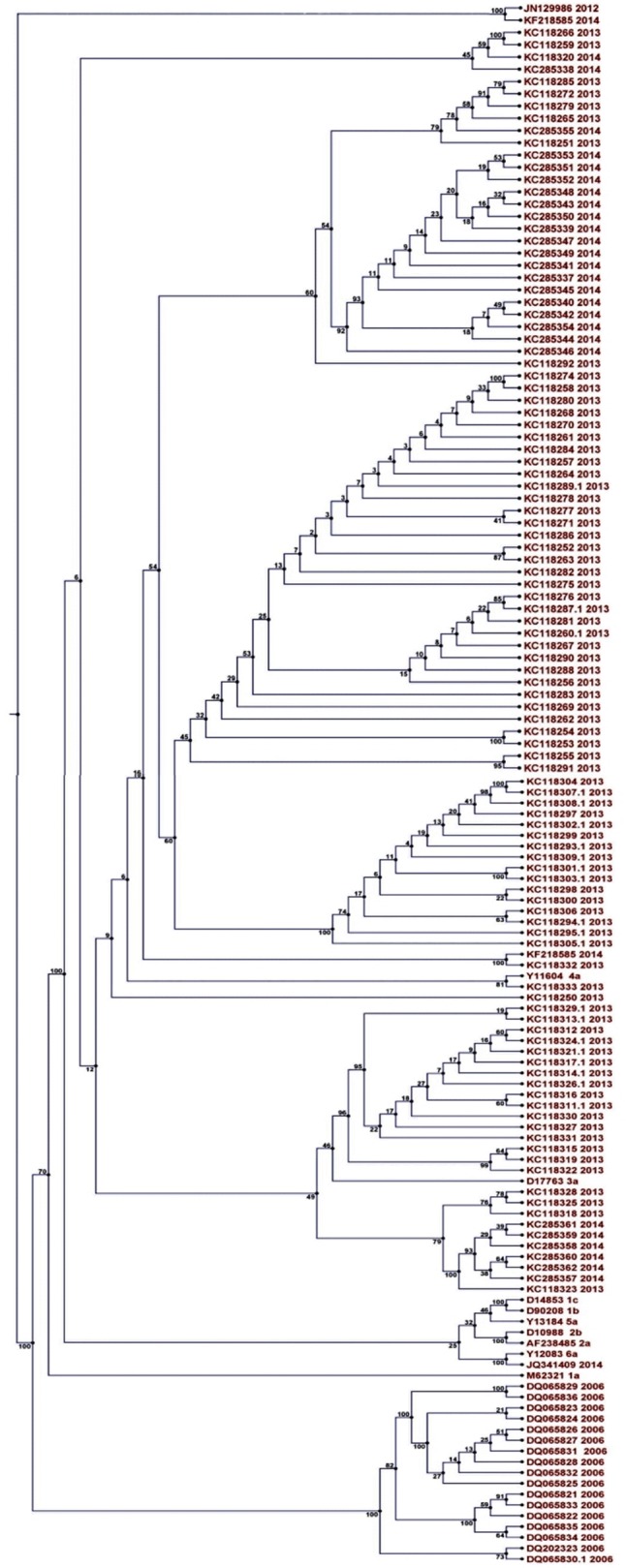
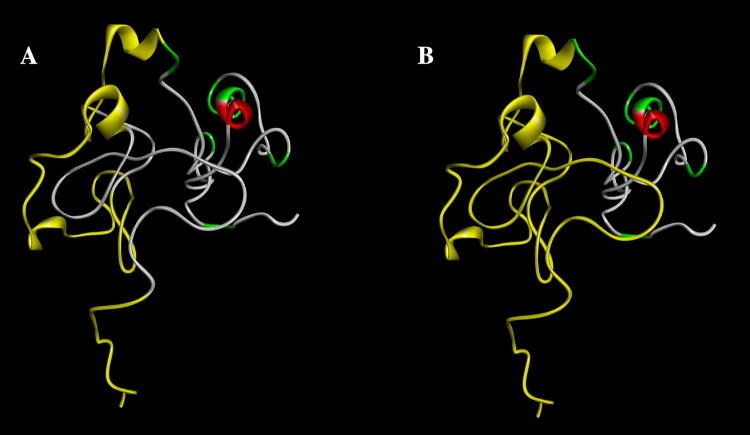
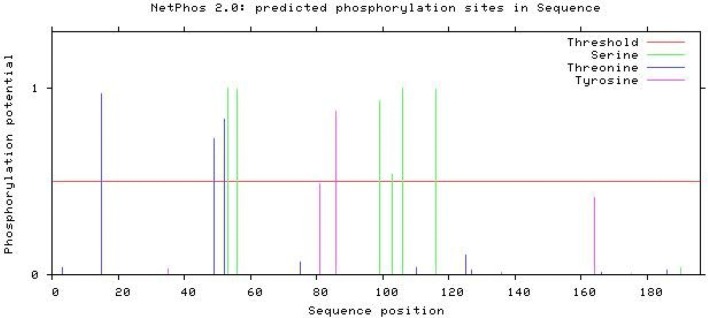
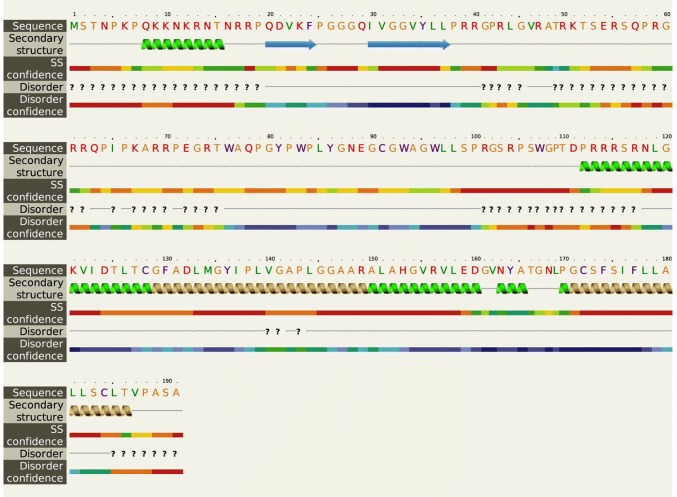
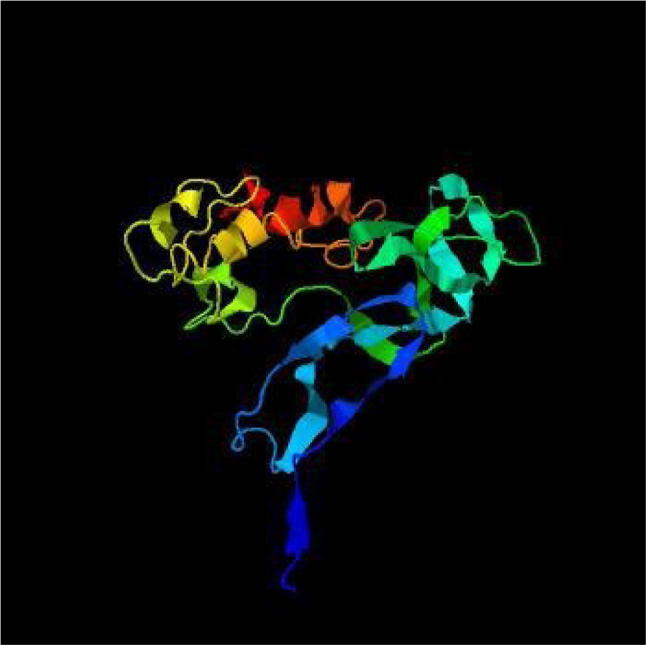
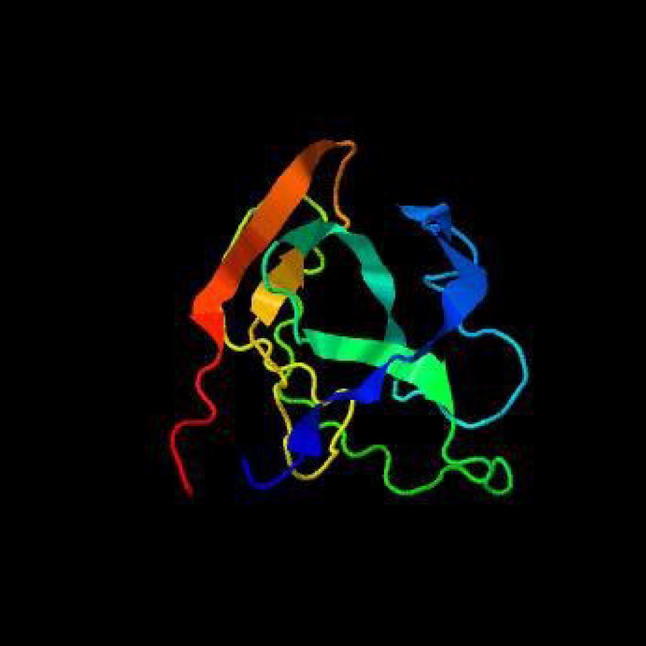
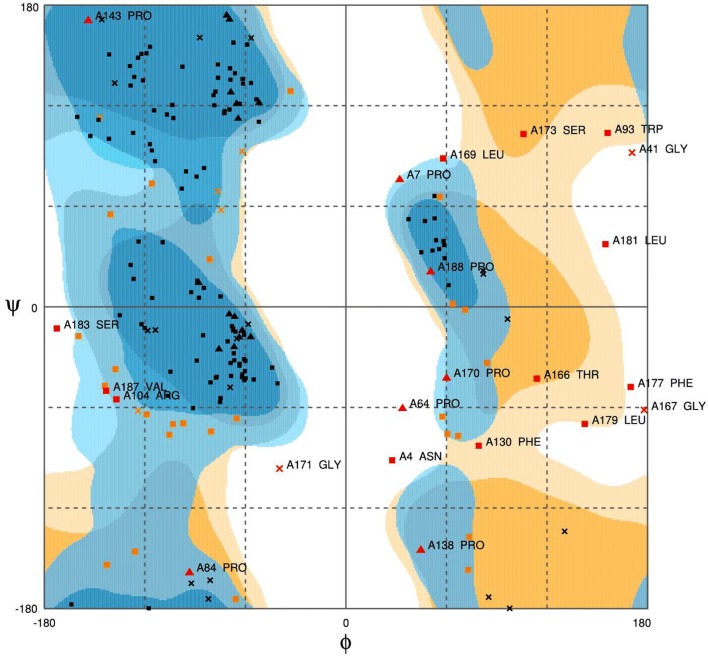
Hepatitis C virus (HCV) infection is a serious global health problem and a cause of chronic hepatitis, liver cirrhosis, and hepatocellular carcinoma (HCC). Bioinformatics software has been an effective tool to study the HCV genome as well as core domains. Our research was based on employing several bioinformatics software applications to find important mutations in domain 1 of core protein in Iranian HCV infected samples from 2006 to 2017, and an investigation of general properties, B-cell and T-cell epitopes, modification sites, and structure of domain 1. Domain 1 sequences of 188 HCV samples isolated from 2006 to 2017, Iran, were retrieved from NCBI gene bank. Using several tools, all sequences were analyzed for determination of mutations, physicochemical analysis, B-cell epitopes prediction, T-cell and CTL epitopes prediction, post modification, secondary and tertiary structure prediction. Our analysis determined several mutations in some special positions (70, 90, 91, and 110) that are associated with HCC and hepatocarcinogenesis, efficacy of triple therapy and sustained virological response, and interaction between core and CCR6. Several B-cell, T-cell, and CTL epitopes were recognized. Secondary and tertiary structures were mapped fordomain1 and core proteins. Our study, as a first report, offered inclusive data about frequent mutation in HCV-core gene domain 1 in Iranian sequences that can provide helpful analysis on structure and function of domain 1 of the core gene.
丙型肝炎病毒(HCV)感染是一个严重的全球健康问题,是慢性肝炎、肝硬化和肝细胞癌(HCC)的病因。生物信息学软件一直是研究HCV基因组以及核心结构域的有效工具。我们的研究基于使用多种生物信息学软件应用程序,以在2006年至2017年伊朗HCV感染样本的核心蛋白结构域1中寻找重要突变,并对结构域1的一般特性、B细胞和T细胞表位、修饰位点及结构进行研究。从NCBI基因库中检索了2006年至2017年从伊朗分离的188个HCV样本的结构域1序列。使用多种工具,对所有序列进行分析,以确定突变、理化分析、B细胞表位预测、T细胞和CTL表位预测、翻译后修饰、二级和三级结构预测。我们的分析确定了一些特殊位置(70、90、91和110)的几个突变,这些突变与HCC和肝癌发生、三联疗法的疗效和持续病毒学应答以及核心与CCR6之间的相互作用有关。识别出了几个B细胞、T细胞和CTL表位。绘制了结构域1和核心蛋白的二级和三级结构。作为首份报告,我们的研究提供了有关伊朗序列中HCV核心基因结构域1频繁突变的全面数据,可为核心基因结构域1的结构和功能提供有益分析。