State Key Laboratory of Biocatalysis and Enzyme Engineering, School of Life Sciences, Hubei Engineering Research Center for Bio-enzyme Catalysis, Hubei University, Wuhan, China.
State Key Laboratory of Agricultural Microbiology, College of Life Science and Technology, National Engineering Research Centre of Microbial Pesticides, Huazhong Agricultural University, Wuhan, China.
Microb Biotechnol. 2021 May;14(3):886-896. doi: 10.1111/1751-7915.13595. Epub 2020 May 25.
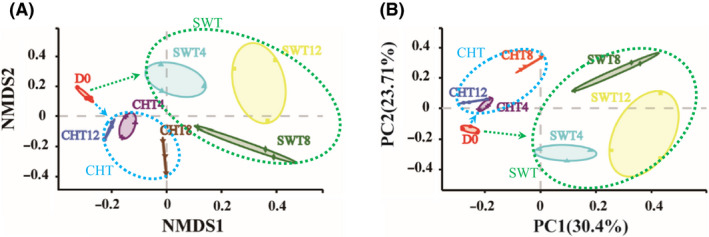
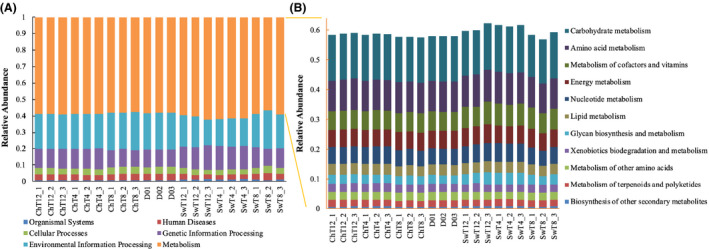
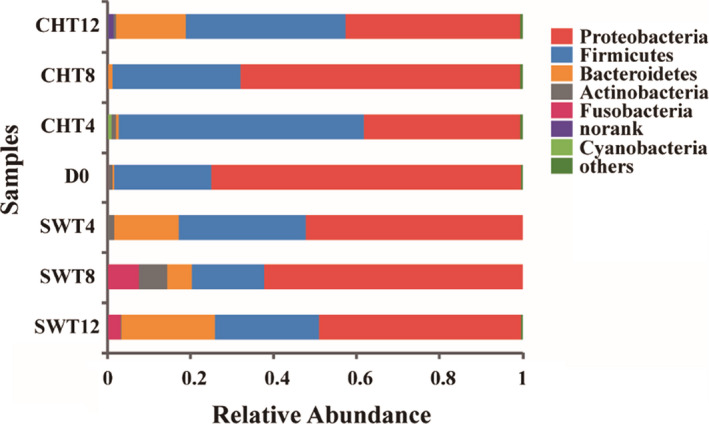
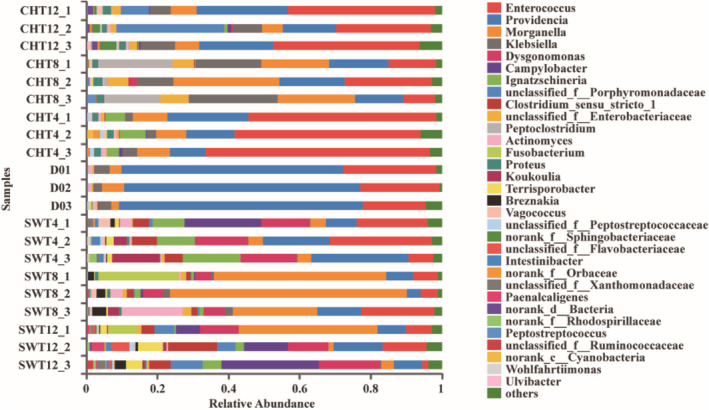
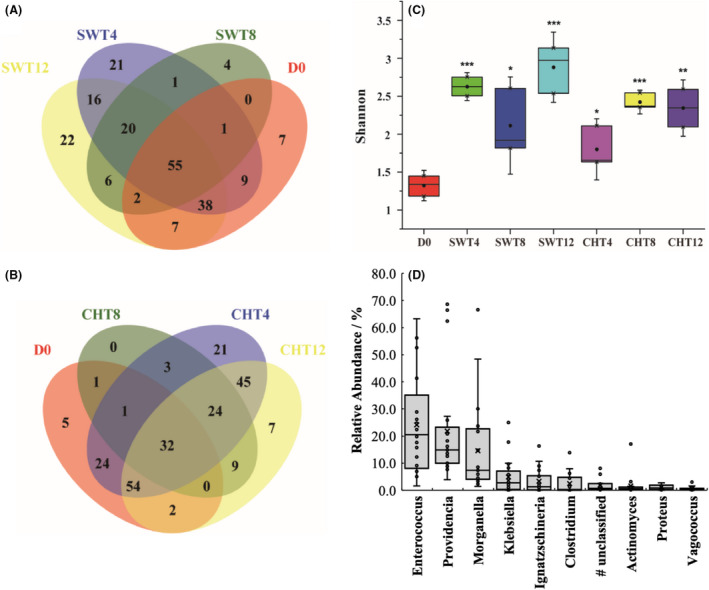
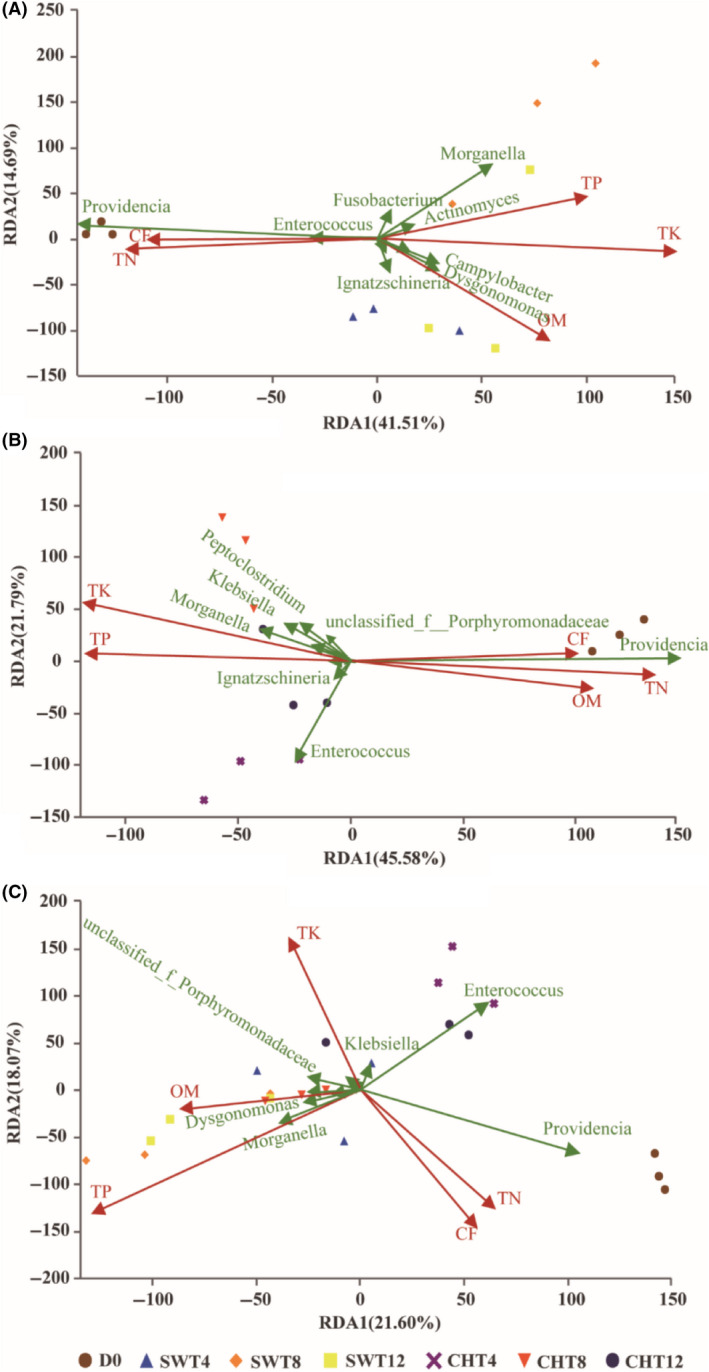
The potential utility of black soldier fly larvae (BSFL) to convert animal waste into harvested protein or lipid sources for feeding animal or producing biodiesel provides a new strategy for agricultural waste management. In this study, the taxonomic structure and potential metabolic and nutrient functions of the intestinal bacterial communities of BSFL were investigated in chicken and swine manure conversion systems. Proteobacteria, Firmicutes and Bacteroidetes were the dominant phyla in the BSFL gut in both the swine and chicken manure systems. After the larvae were fed manure, the proportion of Proteobacteria in their gut significantly decreased, while that of Bacteroidetes remarkably increased. Compared with the original intestinal bacterial community, approximately 90 and 109 new genera were observed in the BSFL gut during chicken and swine manure conversion, and at least half of the initial intestinal genera found remained in the gut during manure conversion. This result may be due to the presence of specialized crypts or paunches that promote microbial persistence and bacteria-host interactions. Ten core genera were found in all 21 samples, and the top three phyla among all of the communities in terms of relative abundance were Proteobacteria, Firmicutes and Bacteroidetes. The nutrient elements (OM, TN, TP, TK and CF) of manure may partly affect the succession of gut bacterial communities with one another, while TN and CF are strongly positively correlated with the relative abundance of Providencia. Some bacterial taxa with the reported ability to synthesize amino acids, Rhizobiales, Burkholderia, Bacteroidales, etc., were also observed in the BSFL gut. Functional analysis based on genes showed that intestinal microbes potentially contribute to the nutrition of BSFL and the high-level amino acid metabolism may partly explain the biological mechanisms of protein accumulation in the BSFL body. These results are helpful in understanding the biological mechanisms of high-efficiency nutrient conversion in BSFL associated with intestinal microbes.
家蝇幼虫(BSFL)将动物粪便转化为收获的蛋白质或脂质来源,用于喂养动物或生产生物柴油,为农业废物管理提供了新策略。本研究调查了鸡粪和猪粪转化系统中 BSFL 肠道细菌群落的分类结构和潜在的代谢及营养功能。在猪粪和鸡粪系统中,BSFL 肠道中的优势菌门均为变形菌门、厚壁菌门和拟杆菌门。幼虫取食粪便后,其肠道中变形菌门的比例显著降低,而拟杆菌门的比例显著增加。与原始肠道细菌群落相比,BSFL 肠道在鸡粪和猪粪转化过程中分别观察到约 90 和 109 个新属,在粪便转化过程中至少有一半初始肠道属保留在肠道中。这一结果可能是由于存在专门的隐窝或盲囊,促进了微生物的持久性和细菌-宿主的相互作用。在所有 21 个样本中都发现了 10 个核心属,所有群落中相对丰度最高的三个菌门为变形菌门、厚壁菌门和拟杆菌门。粪便中的营养元素(OM、TN、TP、TK 和 CF)可能会相互影响肠道细菌群落的演替,而 TN 和 CF 与普罗维登斯菌的相对丰度呈强烈正相关。在 BSFL 肠道中还观察到了一些具有报道的合成氨基酸能力的细菌类群,如根瘤菌目、伯克霍尔德菌目、拟杆菌目等。基于基因的功能分析表明,肠道微生物可能有助于 BSFL 的营养,高水平的氨基酸代谢可能部分解释了 BSFL 体内蛋白质积累的生物学机制。这些结果有助于理解 BSFL 与肠道微生物相关的高效养分转化的生物学机制。