Bogdanova Anna, Kaestner Lars, Simionato Greta, Wickrema Amittha, Makhro Asya
Red Blood Cell Research Group, Vetsuisse Faculty, The Zurich Center for Integrative Human Physiology (ZHIP), Institute of Veterinary Physiology, University of Zurich, Zurich, Switzerland.
Experimental Physics, Dynamics of Fluids, Faculty of Natural Sciences and Technology, Saarland University, Saarbrücken, Germany.
Front Physiol. 2020 May 7;11:392. doi: 10.3389/fphys.2020.00392. eCollection 2020.
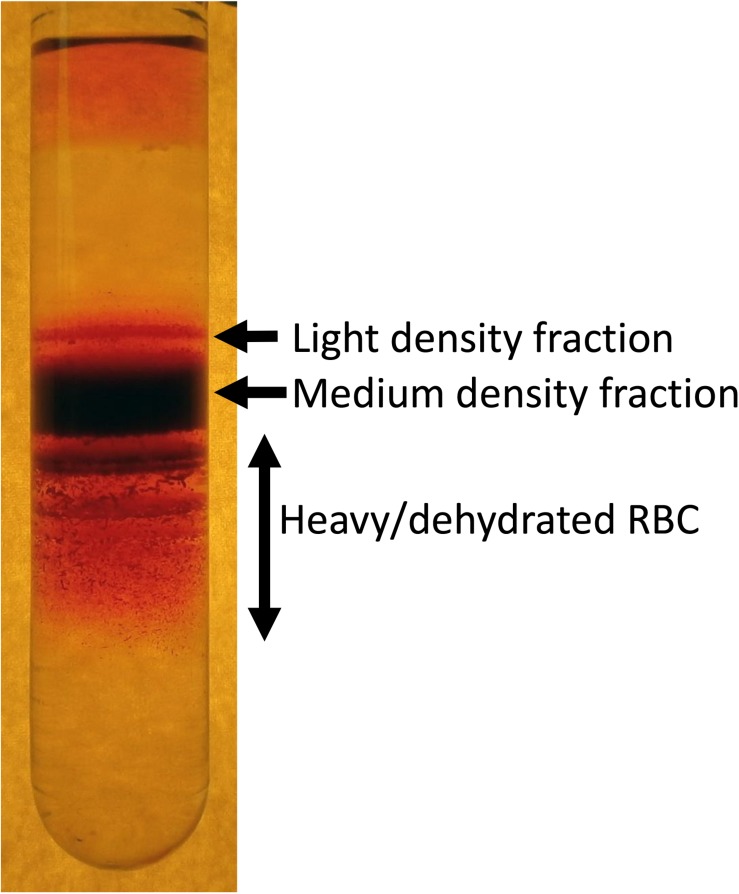
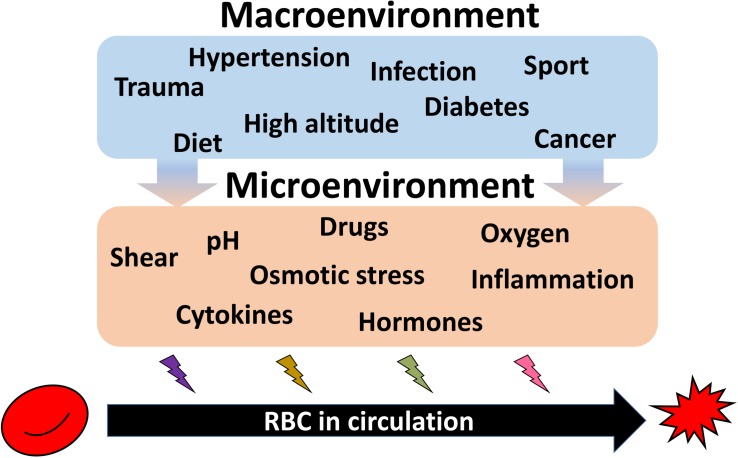
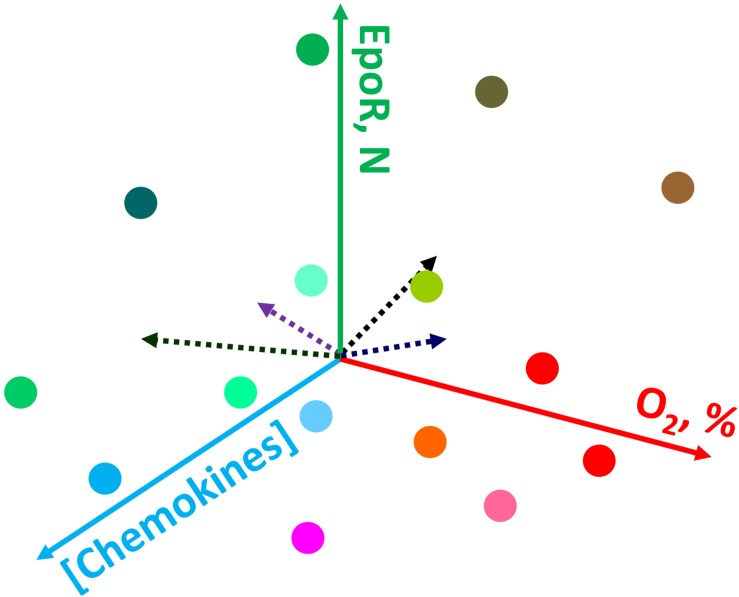
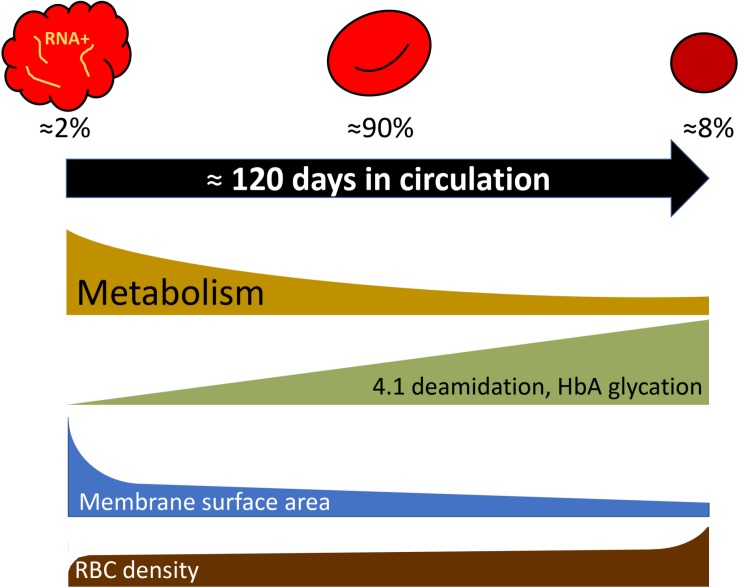
Mean values of hematological parameters are currently used in the clinical laboratory settings to characterize red blood cell properties. Those include red blood cell indices, osmotic fragility test, eosin 5-maleimide (EMA) test, and deformability assessment using ektacytometry to name a few. Diagnosis of hereditary red blood cell disorders is complemented by identification of mutations in distinct genes that are recognized "molecular causes of disease." The power of these measurements is clinically well-established. However, the evidence is growing that the available information is not enough to understand the determinants of severity of diseases and heterogeneity in manifestation of pathologies such as hereditary hemolytic anemias. This review focuses on an alternative approach to assess red blood cell properties based on heterogeneity of red blood cells and characterization of fractions of cells with similar properties such as density, hydration, membrane loss, redox state, Ca levels, and morphology. Methodological approaches to detect variance of red blood cell properties will be presented. Causes of red blood cell heterogeneity include cell age, environmental stress as well as shear and metabolic stress, and multiple other factors. Heterogeneity of red blood cell properties is also promoted by pathological conditions that are not limited to the red blood cells disorders, but inflammatory state, metabolic diseases and cancer. Therapeutic interventions such as splenectomy and transfusion as well as drug administration also impact the variance in red blood cell properties. Based on the overview of the studies in this area, the possible applications of heterogeneity in red blood cell properties as prognostic and diagnostic marker commenting on the power and selectivity of such markers are discussed.
目前,临床实验室通过血液学参数的平均值来表征红细胞特性。这些参数包括红细胞指数、渗透脆性试验、嗜酸性5-马来酰亚胺(EMA)试验以及使用激光衍射法进行的变形性评估等。遗传性红细胞疾病的诊断通过识别特定基因中的突变得以补充,这些基因被认为是“疾病的分子病因”。这些测量方法在临床上的有效性已得到充分确立。然而,越来越多的证据表明,现有的信息不足以理解疾病严重程度的决定因素以及遗传性溶血性贫血等病理表现的异质性。本综述重点关注一种基于红细胞异质性以及对具有相似特性(如密度、水合作用、膜损失、氧化还原状态、钙水平和形态)的细胞亚群进行表征来评估红细胞特性的替代方法。将介绍检测红细胞特性差异的方法学途径。红细胞异质性的原因包括细胞年龄、环境应激以及剪切和代谢应激等多种因素。红细胞特性的异质性也会因不限于红细胞疾病的病理状况而加剧,如炎症状态、代谢疾病和癌症。脾切除术、输血等治疗干预以及药物给药也会影响红细胞特性的差异。基于该领域研究的概述,讨论了红细胞特性异质性作为预后和诊断标志物的可能应用,并对这些标志物的有效性和选择性进行了评论。