Pardridge William M
Department of Medicine, University of California, Los Angeles, Los Angeles, CA, United States.
Front Physiol. 2020 May 7;11:398. doi: 10.3389/fphys.2020.00398. eCollection 2020.
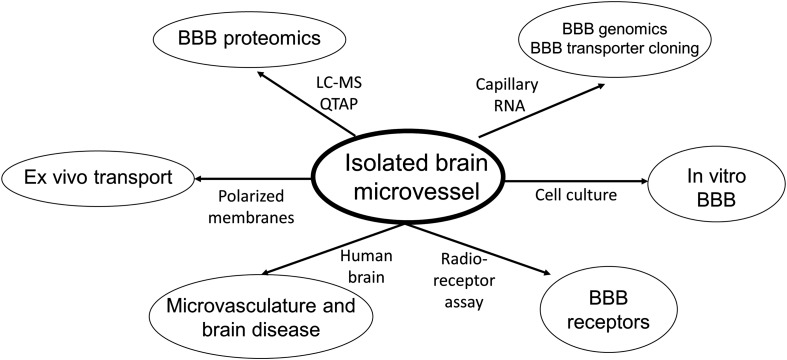
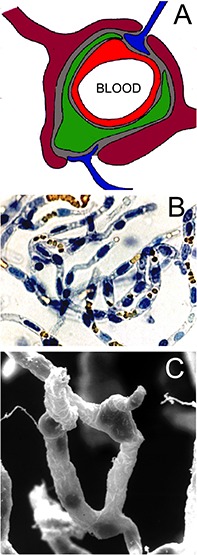
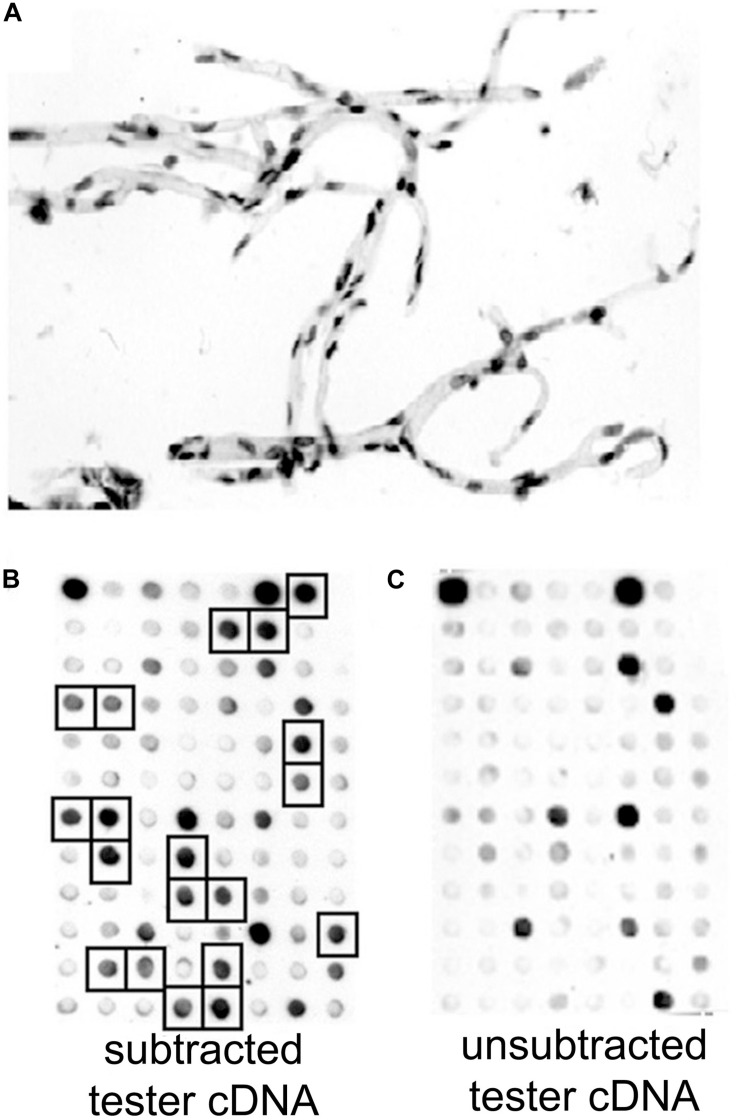
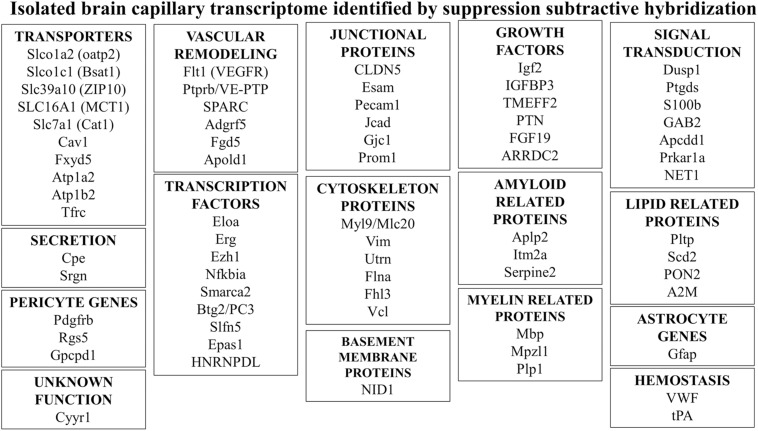
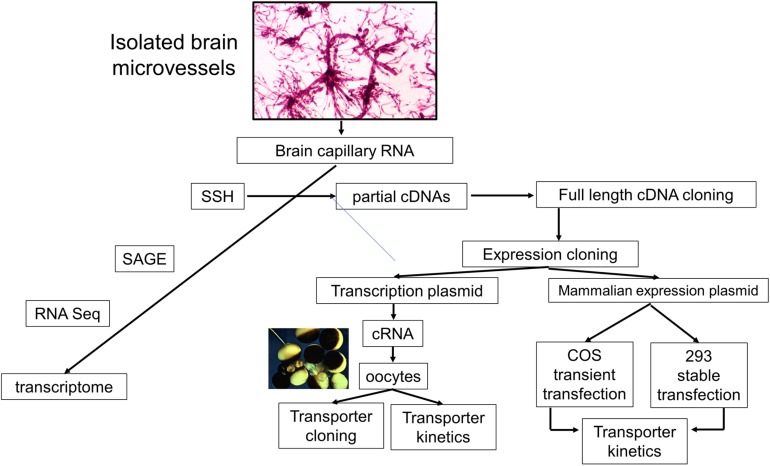
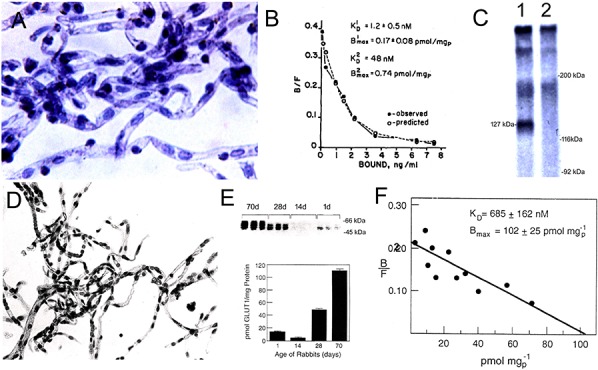
A versatile experimental model for the investigation of the blood-brain barrier (BBB), including the neuro-vascular unit, is the isolated brain microvessel preparation. Brain microvessels are primarily comprised of endothelial cells, but also include pericytes, pre-capillary arteriolar smooth muscle cells, astrocyte foot processes, and occasional nerve endings. These microvessels can be isolated from brain with a 3 h procedure, and the microvessels are free of brain parenchyma. Brain microvessels have been isolated from fresh animal brain, fresh human brain obtained at neurosurgery, as well as fresh or frozen autopsy human brain. Brain microvessels are the starting point for isolation of brain microvessel RNA, which then enables the production of BBB cDNA libraries and a genomics analysis of the brain microvasculature. Brain microvessels, combined with quantitative targeted absolute proteomics, allow for the quantitation of specific transporters or receptors expressed at the brain microvasculature. Brain microvessels, combined with specific antibodies and immune labeling of isolated capillaries, allow for the cellular location of proteins expressed within the neuro-vascular unit. Isolated brain microvessels can be used as an "" preparation of the BBB for the study of the kinetic parameters of BBB carrier-mediated transport (CMT) systems, or for the determination of dissociation constants of peptide binding to BBB receptor-mediated transport (RMT) systems expressed at either the animal or the human BBB. This review will discuss how the isolated brain microvessel model system has advanced our understanding of the organization and functional properties of the BBB, and highlight recent renewed interest in this 50 year old model of the BBB.
用于研究血脑屏障(BBB)(包括神经血管单元)的一种通用实验模型是分离的脑微血管制剂。脑微血管主要由内皮细胞组成,但也包括周细胞、毛细血管前小动脉平滑肌细胞、星形胶质细胞足突以及偶尔的神经末梢。这些微血管可通过3小时的程序从脑中分离出来,且微血管不含脑实质。脑微血管已从新鲜动物脑、神经外科手术中获取的新鲜人脑以及新鲜或冷冻的尸检人脑分离得到。脑微血管是分离脑微血管RNA的起点,进而能够构建血脑屏障cDNA文库并对脑微血管进行基因组分析。脑微血管与定量靶向绝对蛋白质组学相结合,可对脑微血管中表达的特定转运蛋白或受体进行定量分析。脑微血管与特异性抗体以及对分离的毛细血管进行免疫标记相结合,可确定神经血管单元内表达的蛋白质的细胞定位。分离的脑微血管可作为血脑屏障的一种“制剂”,用于研究血脑屏障载体介导转运(CMT)系统的动力学参数,或用于测定肽与在动物或人类血脑屏障中表达的血脑屏障受体介导转运(RMT)系统的解离常数。本综述将讨论分离的脑微血管模型系统如何增进了我们对血脑屏障的组织和功能特性的理解,并突出了近期对这个有50年历史的血脑屏障模型重新燃起的兴趣。