Queirós Cristina, Passos Fernando, Bártolo Ana, Marques António José, da Silva Carlos Fernandes, Pereira Anabela
Faculty of Psychology and Education Sciences, University of Porto, Porto, Portugal.
Psychology Unit of the Portuguese National Police, Lisbon, Portugal.
Front Psychol. 2020 May 7;11:587. doi: 10.3389/fpsyg.2020.00587. eCollection 2020.
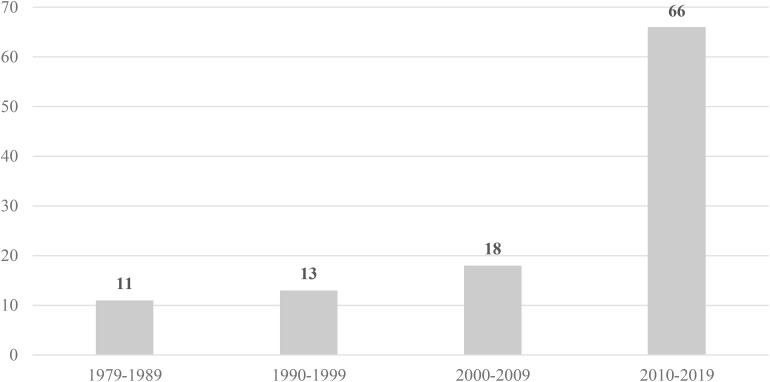
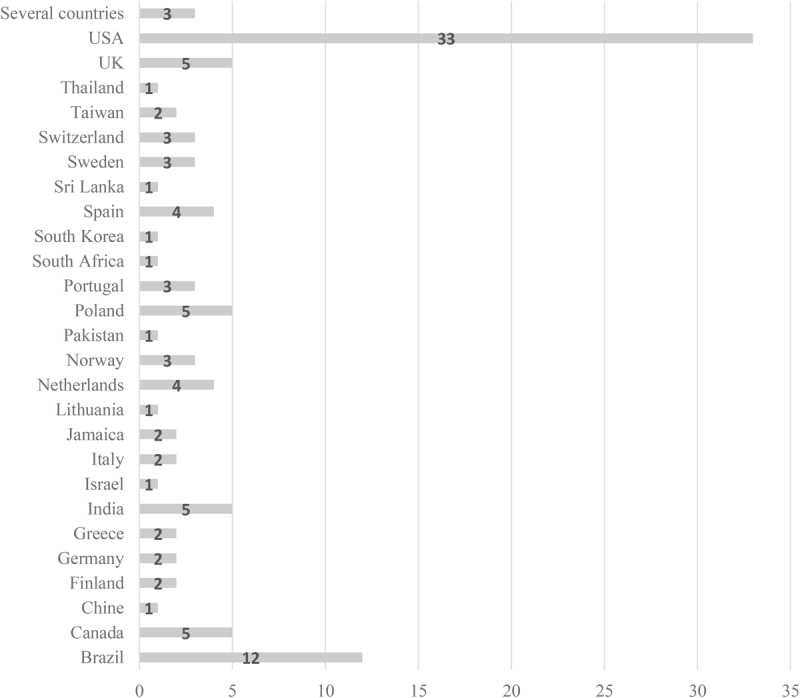
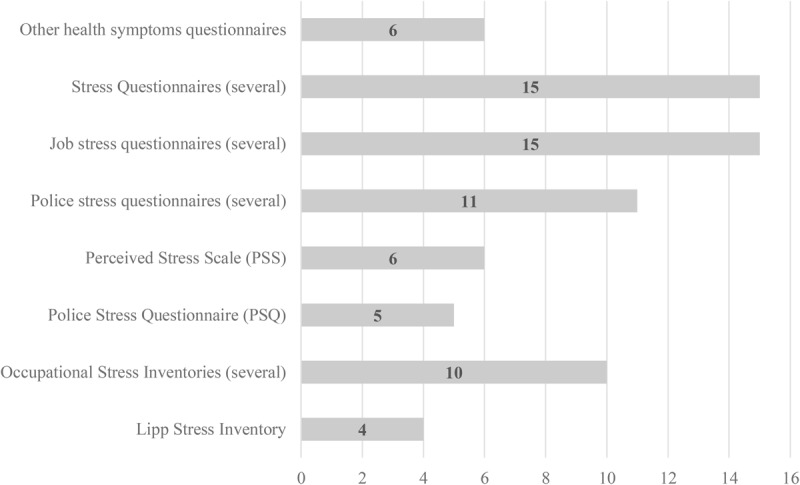
Research has demonstrated that policing is a stressful occupation and that this stress has a negative impact on police officers' mental and physical health, performance, and interactions with citizens. Mental health at the workplace has become a concern due to the costs of depression, anxiety, burnout, and even suicide, which is high among police officers. To ameliorate occupational health, it is therefore crucial to identify stress and burnout levels on a regular basis. However, the instruments frequently used to measure stress have not valorized the specificity of policing tasks. This study aims to: (i) conduct a literature review to identify questionnaires used to assess occupational stress and burnout among police officers; (ii) analyze the psychometric characteristics of a Portuguese version of Operational Police Stress Questionnaire (PSQ-Op); and, using the PSQ-Op and other questionnaires, (iii) to identify operational stress, burnout, and distress levels among Portuguese police officers. The literature review identified 108 studies which use a multiplicity of questionnaires to measure burnout or occupational stress among police officers, but few studies use specific police stress questionnaires. Sample sizes were mostly below 500 participants and studies were mainly developed in the last decade in the USA and Brazil, but also in another 24 countries, showing the extent of the interest in this topic. This study applied to 2057 police officers from the National Portuguese Police, a force policing urban centers, and used the PSQ-Op, as well the Spanish Burnout Inventory and the Kessler Psychological Distress Scale. The results show that the psychometric properties of the Portuguese version of PSQ-Op are adequate. Factorial analysis revealed two dimensions defined as social and work issues, which were associated with measures of distress and burnout. Fit indices suggested a second-order solution called operational police stress. Overall, and considering the scale range of each questionnaire, the results showed moderate values of operational stress, distress, and burnout. However, considering their cut-off points, 85% of the sample presented high operational stress levels, 11% critical values for burnout, and 28% high distress levels, with 55% of the sample at risk of a psychological disorder. These results reinforce the need to prevent stress and to invest in police officers' occupational health.
研究表明,警务工作是一项压力巨大的职业,这种压力会对警察的身心健康、工作表现以及与市民的互动产生负面影响。由于抑郁症、焦虑症、职业倦怠甚至自杀造成的成本高昂,警察群体中的这些问题尤为突出,因此职场心理健康已成为一个备受关注的问题。为改善职业健康状况,定期识别压力和职业倦怠水平至关重要。然而,常用的压力测量工具并未充分考虑警务工作任务的特殊性。本研究旨在:(i)进行文献综述,以确定用于评估警察职业压力和职业倦怠的问卷;(ii)分析葡萄牙语版《警察行动压力问卷》(PSQ-Op)的心理测量特征;以及,使用PSQ-Op和其他问卷,(iii)识别葡萄牙警察的行动压力、职业倦怠和痛苦水平。文献综述确定了108项研究,这些研究使用多种问卷来测量警察的职业倦怠或职业压力,但很少有研究使用专门的警察压力问卷。样本量大多低于500名参与者,研究主要是在过去十年中在美国和巴西开展的,但也在其他24个国家进行,显示出对该主题的关注程度。本研究对来自葡萄牙国家警察的2057名警察进行了调查,该警察部队负责城市中心的治安工作,并使用了PSQ-Op、西班牙职业倦怠量表和凯斯勒心理痛苦量表。结果表明,葡萄牙语版PSQ-Op的心理测量特性是合适的。因子分析揭示了两个维度,定义为社会和工作问题,这与痛苦和职业倦怠的测量相关。拟合指数表明存在一种二阶解决方案,称为警察行动压力。总体而言,考虑到每份问卷的量表范围,结果显示行动压力、痛苦和职业倦怠的值处于中等水平。然而,考虑到它们的临界点,85%的样本呈现出高行动压力水平,11%的样本呈现出职业倦怠的临界值,28%的样本呈现出高痛苦水平,55%的样本有患心理障碍的风险。这些结果强化了预防压力和投资警察职业健康的必要性。