Zhang Ximo, Reed Corey E, Birdsall Robert E, Yu Ying Qing, Chen Weibin
Scientific Operations, Waters Corporation, Milford, MA, USA.
SLAS Technol. 2020 Aug;25(4):380-387. doi: 10.1177/2472630320922803. Epub 2020 May 27.
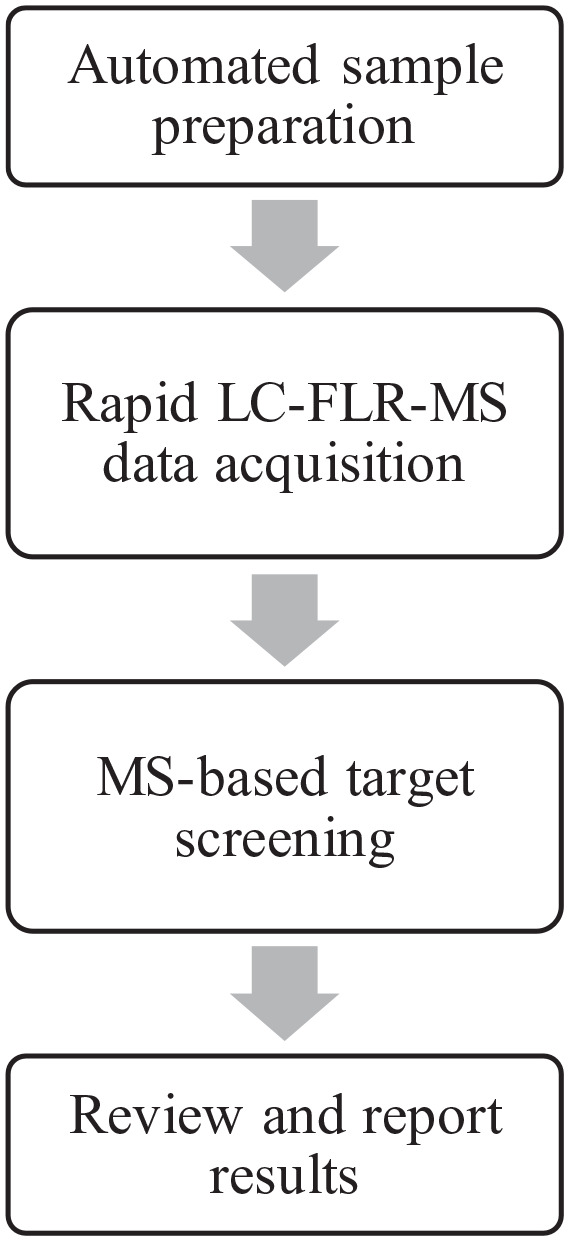
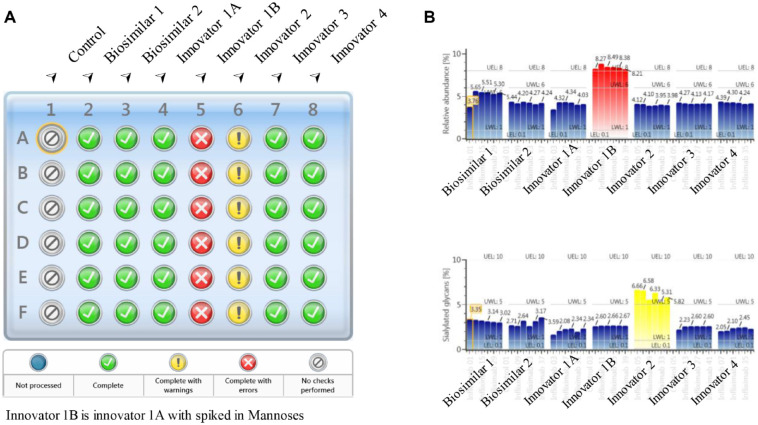
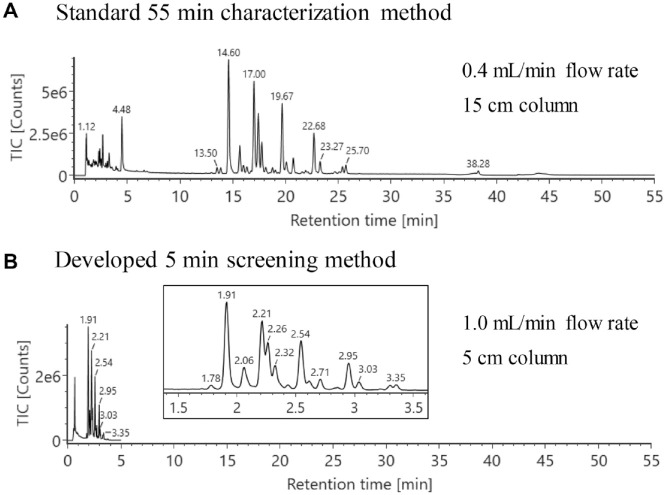
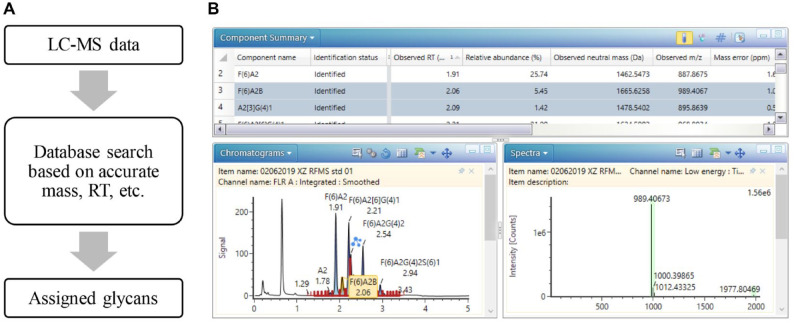
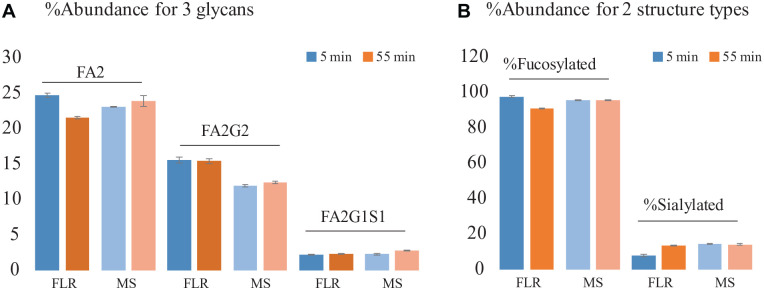
Protein glycosylation can impact the efficacy and safety of biotherapeutics and therefore needs to be well characterized and monitored throughout the drug product life cycle. Glycosylation is commonly assessed by fluorescent labeling of released glycans, which provides comprehensive information of the glycoprofile but can be resource-intensive regarding sample preparation, data acquisition, and data analysis. In this work, we evaluate a comprehensive solution from sample preparation to data reporting using a liquid chromatography-mass spectrometry (LC-MS)-based analytical platform for increased productivity in released glycan analysis. To minimize user intervention and improve assay robustness, a robotic liquid handling platform was used to automate the release and labeling of N-glycans within 2 h. To further increase the throughput, a 5 min method was developed on a liquid chromatography-fluorescence-mass spectrometry (LC-FLR-MS) system using an integrated glycan library based on retention time and accurate mass. The optimized method was then applied to 48 released glycan samples derived from six batches of infliximab to mimic comparability testing encountered in the development of biopharmaceuticals. Consistent relative abundance of critical species such as high mannose and sialylated glycans was obtained for samples within the same batch (mean percent relative standard deviation [RSD] = 5.3%) with data being acquired, processed, and reported in an automated manner. The data acquisition and analysis of the 48 samples were completed within 6 h, which represents a 90% improvement in throughput compared with conventional LC-FLR-based methods. Together, this workflow facilitates the rapid screening of glycans, which can be deployed at various stages of drug development such as process optimization, bioreactor monitoring, and clone selections, where high-throughput and improved productivity are particularly desired.
蛋白质糖基化会影响生物治疗药物的疗效和安全性,因此在整个药品生命周期中都需要对其进行充分表征和监测。糖基化通常通过对释放的聚糖进行荧光标记来评估,这可以提供聚糖谱的全面信息,但在样品制备、数据采集和数据分析方面可能耗费资源。在本研究中,我们评估了一种基于液相色谱 - 质谱(LC-MS)分析平台的从样品制备到数据报告的综合解决方案,以提高释放聚糖分析的效率。为了尽量减少用户干预并提高检测的稳健性,使用了一个自动液体处理平台在2小时内自动完成N - 聚糖的释放和标记。为了进一步提高通量,在液相色谱 - 荧光 - 质谱(LC-FLR-MS)系统上开发了一种5分钟的方法,该方法使用基于保留时间和精确质量的集成聚糖库。然后将优化后的方法应用于来自六批英夫利昔单抗的48个释放聚糖样品,以模拟生物制药开发中遇到的可比性测试。对于同一批次内的样品,获得了关键糖型(如高甘露糖型和唾液酸化聚糖)一致的相对丰度(平均相对标准偏差[RSD] = 5.3%),并且数据以自动化方式进行采集、处理和报告。48个样品的数据采集和分析在6小时内完成,与传统的基于LC-FLR的方法相比,通量提高了90%。总之,这种工作流程有助于快速筛选聚糖,可用于药物开发的各个阶段,如工艺优化、生物反应器监测和克隆选择,这些阶段特别需要高通量和更高的效率。