Clinton Health Access Initiative, Kampala, Uganda.
Ministry of Health, Kampala, Uganda.
PLoS One. 2020 May 27;15(5):e0232419. doi: 10.1371/journal.pone.0232419. eCollection 2020.
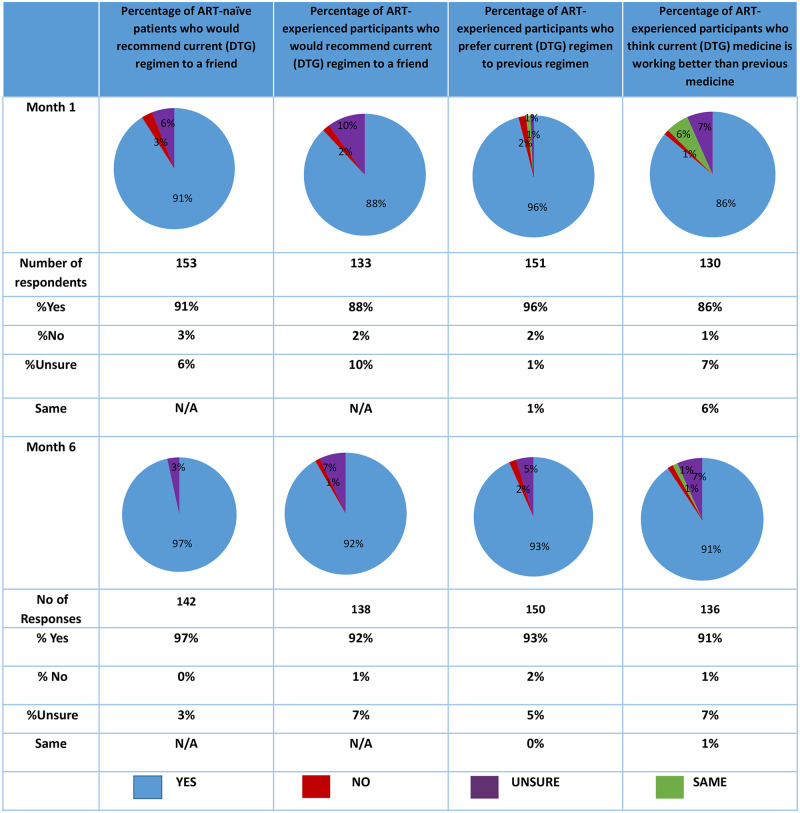
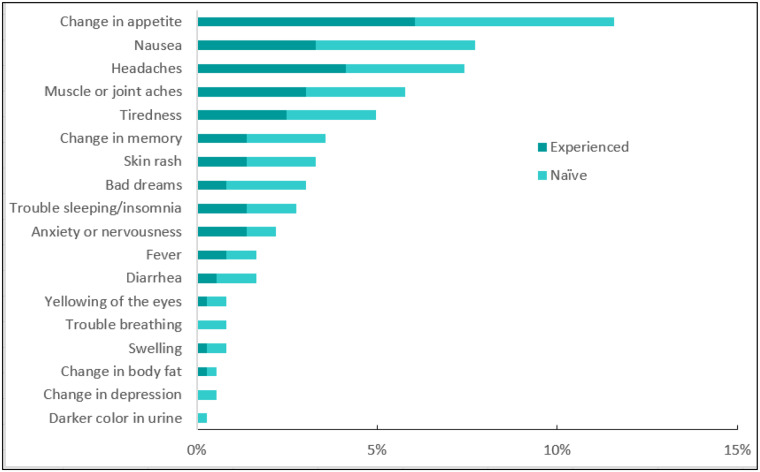
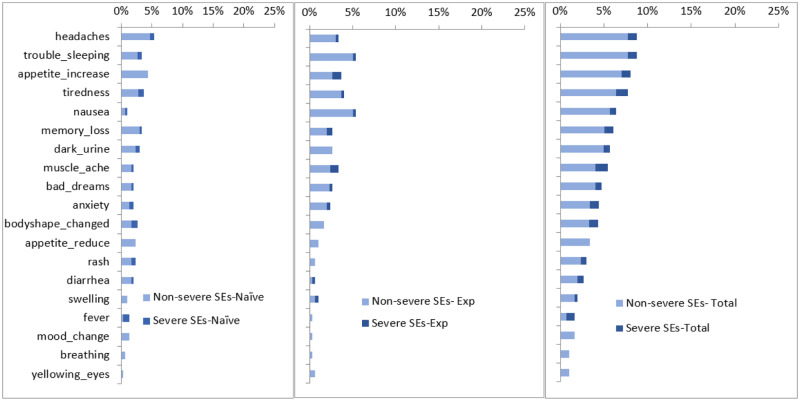
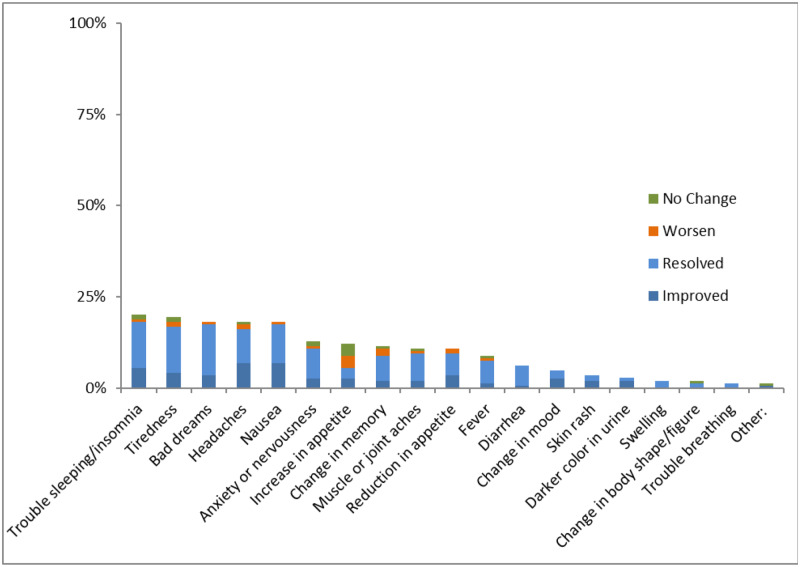
Uganda adopted the integrase inhibitor dolutegravir (DTG) as part its preferred first-line HIV treatment regimen in 2018. Prior to the national rollout, the Uganda Ministry of Health and Clinton Health Access Initiative (CHAI) launched a pilot study in July 2017 aimed at better understanding patients' and prescribers' experience and acceptability of DTG. Patients were enrolled in the study if they were newly initiating treatment or switched from an NNRTI regimen due to intolerance. Patients were followed up for 6 months after initiation onto DTG and acceptability and experiences were assessed through questionnaires at one-month and six-month follow-up visits. In addition to acceptability side effects of patients on DTG regimens were assessed. Analysis was conducted using MS Excel and SAS 9.4 and confidence intervals were adjusted for facility level clustering. A total of 365 patients from 6 study sites were enrolled in the study, of whom 50% were treatment-experienced and 50% treatment naïve. 325 patients completed the 6 months of follow-up. Survey results showed a high level of acceptability (more than 90%) of DTG-containing regimens for both categories of patients during the from one-month and six-months interviews. The rate of self-reported side effects amongst patients was 33% overall and higher for experienced (37%) than naïve (29%) patients at 6 months. Although frequencies declined between month-1 and month-6, the changes were not statistically significant. Almost all patients (94%) were virally suppressed at 6 months. Overall, the study findings showed a very high level of acceptability of Dolutegravir-based regimens across both experienced and naïve patients. The overall viral suppression rate in this cohort was 94% at six months of taking DTG-based regimen.
乌干达于 2018 年将整合酶抑制剂多替拉韦(DTG)纳入其首选的一线 HIV 治疗方案。在国家推广之前,乌干达卫生部和克林顿健康倡议组织(CHAI)于 2017 年 7 月启动了一项试点研究,旨在更好地了解患者和处方者对 DTG 的经验和可接受性。如果患者因不耐受而新开始治疗或从 NNRTI 方案转换,则可参与该研究。在开始使用 DTG 后对患者进行 6 个月的随访,并通过一个月和六个月的随访访问来评估可接受性和经验,通过问卷进行评估。除了可接受性之外,还评估了接受 DTG 治疗方案的患者的副作用。使用 MS Excel 和 SAS 9.4 进行分析,并针对机构水平聚类调整置信区间。共有来自 6 个研究地点的 365 名患者参加了该研究,其中 50%为治疗经验丰富,50%为治疗初治。325 名患者完成了 6 个月的随访。调查结果显示,在一个月和六个月的访谈中,两种类型的患者对包含 DTG 的方案均具有很高的可接受性(超过 90%)。在六个月时,总的自我报告副作用率为 33%,经验丰富(37%)患者高于初治(29%)患者。尽管在 1 个月和 6 个月之间频率下降,但变化没有统计学意义。几乎所有患者(94%)在 6 个月时病毒均被抑制。总体而言,该研究结果表明,经验丰富和初治患者对基于 DTG 的方案具有极高的可接受性。在服用基于 DTG 的方案 6 个月后,该队列的总体病毒抑制率为 94%。