Ghazzal Amre, Gill Gauravpal S, Radwan Sohab, Barnett Christopher
Internal Medicine, MedStar Washington Hospital Center, Washington, USA.
Cardiology, MedStar Washington Hospital Center, Washington, USA.
Cureus. 2020 Apr 25;12(4):e7833. doi: 10.7759/cureus.7833.
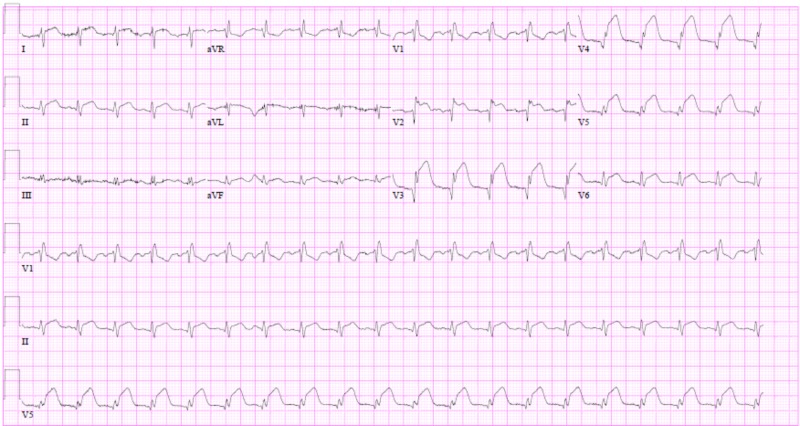
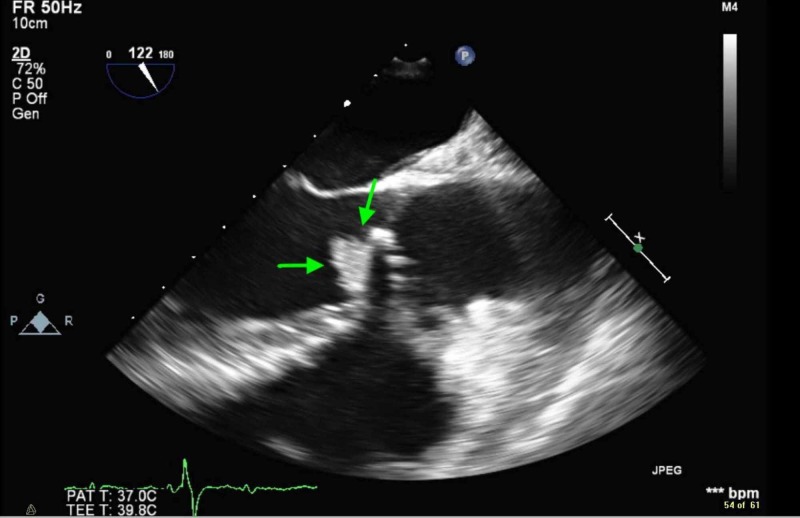
Infective endocarditis in intravenous drug users is uncommon in left-sided native valves. Adding to the rarity, in this case, is endocarditis from Candida species complicated by ST-elevation myocardial infarction. Embolic myocardial infarction has worse outcomes as compared to other etiologies, and the management of septic embolic myocardial infarction is rather challenging. The management of embolic myocardial infarction from Candida endocarditis vegetation includes antifungal therapy. The use of anti-thrombotic therapy and anticoagulation carries a significant risk of fatal neurologic complications and has been controversial, with limited observational data available. Among percutaneous coronary interventions, balloon angioplasty and stenting have been associated with multiple complications while aspiration embolectomy appears to be a safer option. Surgical management is considered if medical and interventional therapies fail or if there is an indication for valve replacement.
静脉药物使用者发生感染性心内膜炎累及左侧自身瓣膜的情况并不常见。更罕见的是,在本例中念珠菌属引起的心内膜炎并发ST段抬高型心肌梗死。与其他病因相比,栓塞性心肌梗死的预后更差,而感染性栓塞性心肌梗死的治疗颇具挑战性。念珠菌性心内膜炎赘生物导致的栓塞性心肌梗死的治疗包括抗真菌治疗。使用抗血栓治疗和抗凝治疗会带来致命性神经并发症的重大风险,一直存在争议,且可用的观察性数据有限。在经皮冠状动脉介入治疗中,球囊血管成形术和支架置入术会引发多种并发症,而抽吸式栓子切除术似乎是更安全的选择。如果药物治疗和介入治疗失败,或有瓣膜置换指征,则考虑手术治疗。