Qu Shimian, Catron Mackenzie, Zhou Chengwen, Janve Vaishali, Shen Wangzhen, Howe Rachel K, Macdonald Robert L
Department of Neurology, Vanderbilt University Medical Center, Nashville, TN 37232, USA.
Neuroscience Graduate Program, Vanderbilt University, Nashville, TN 37232, USA.
Brain Commun. 2020;2(1):fcaa028. doi: 10.1093/braincomms/fcaa028. Epub 2020 Mar 10.
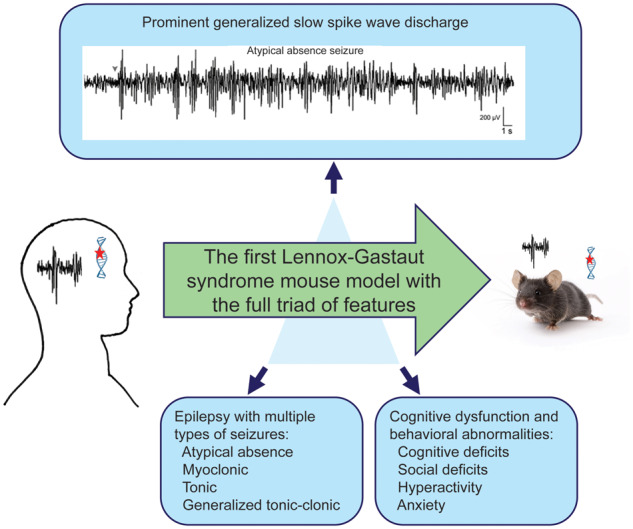
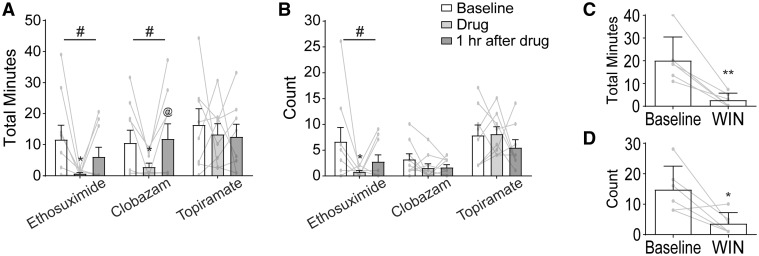
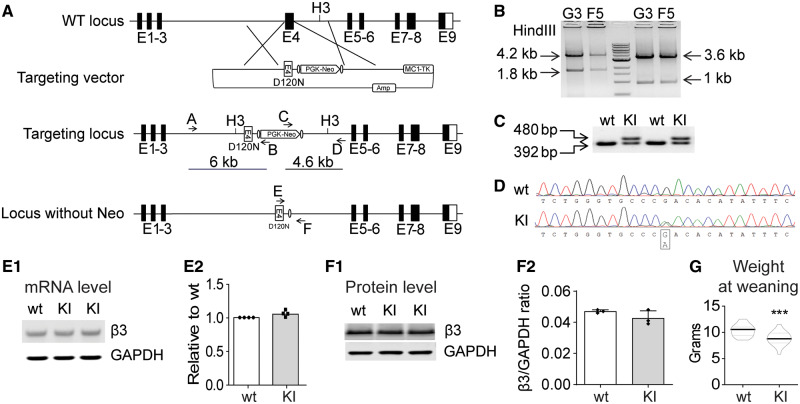
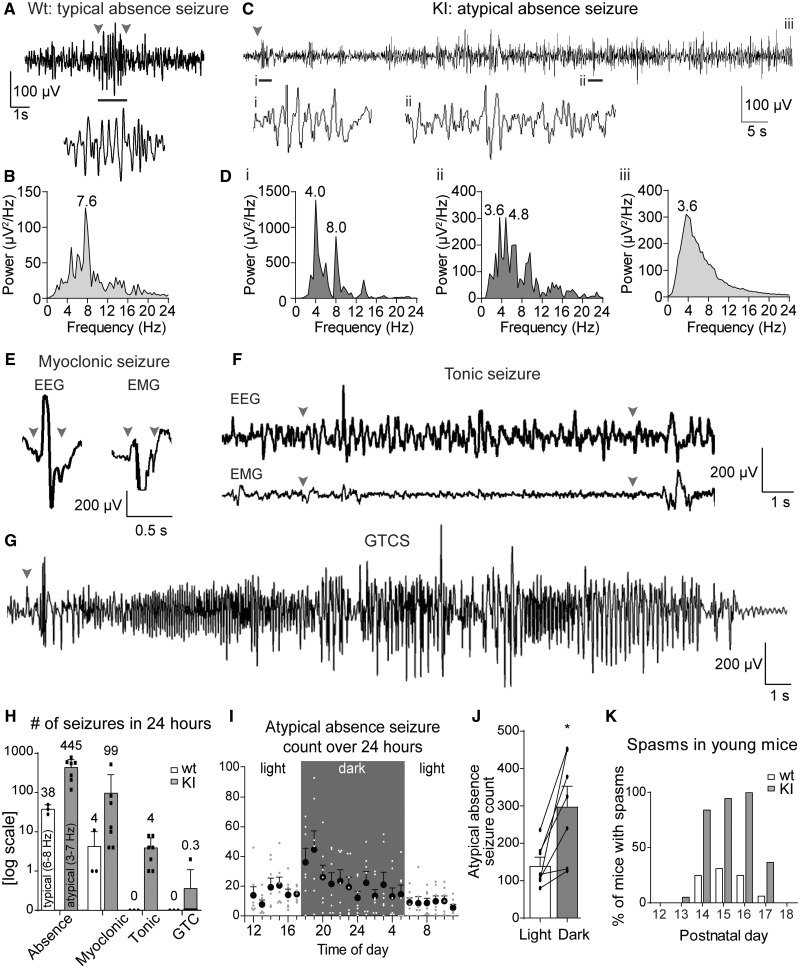
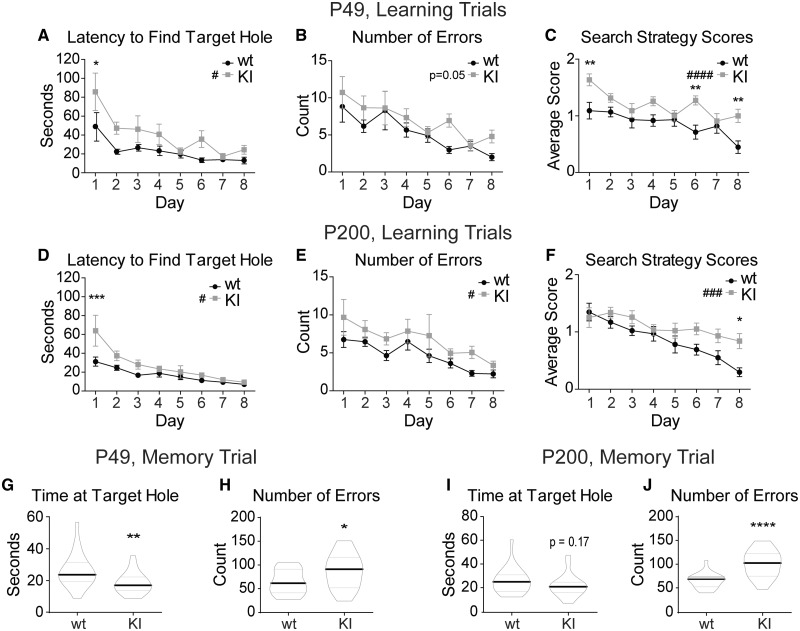
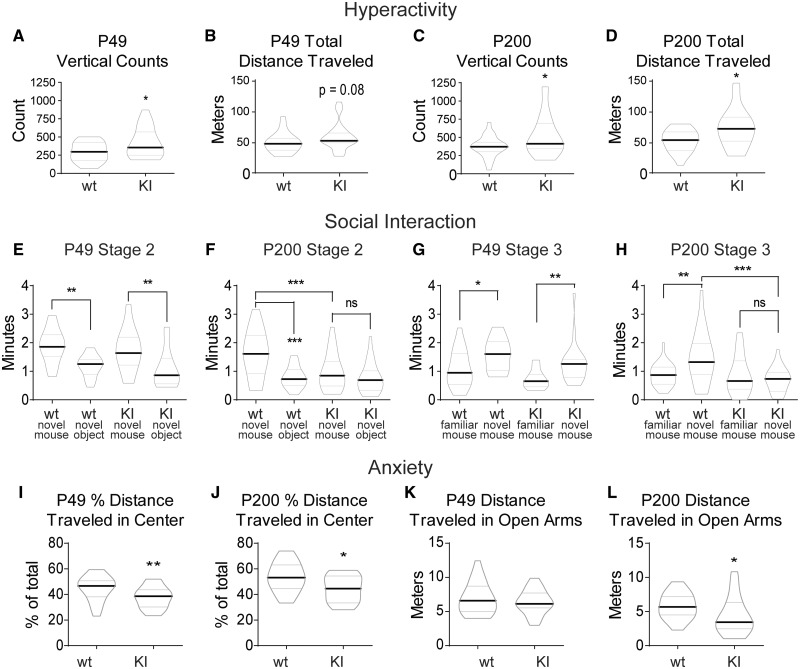
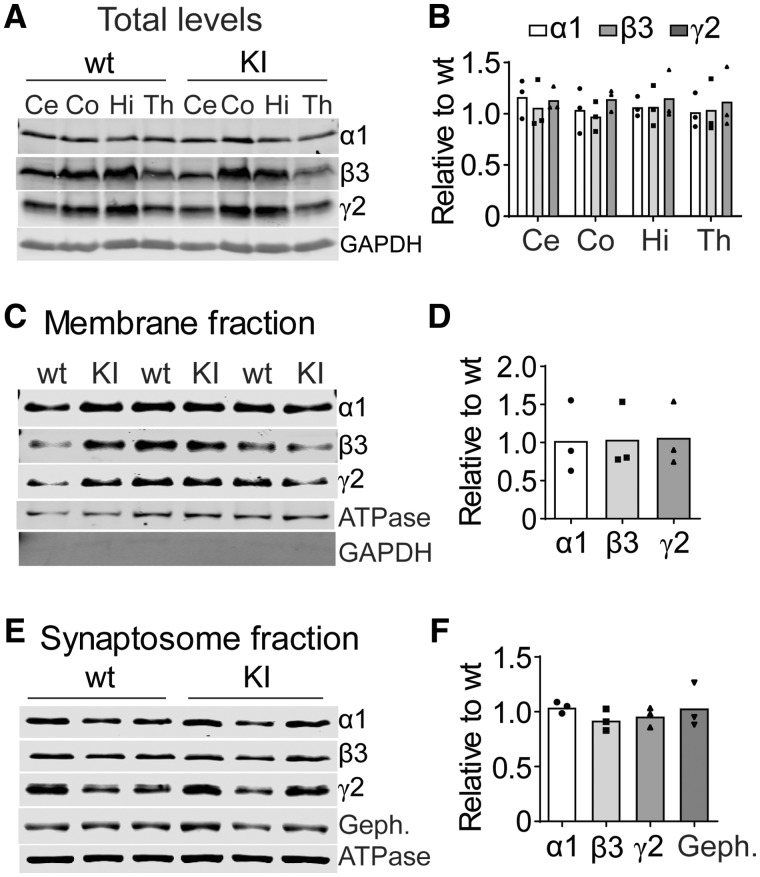
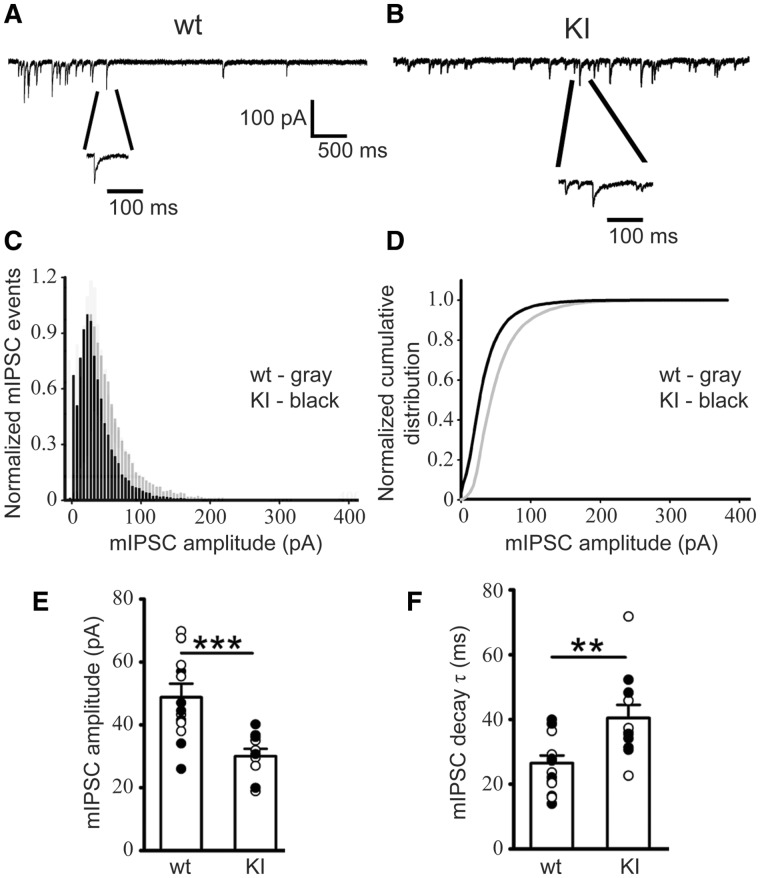
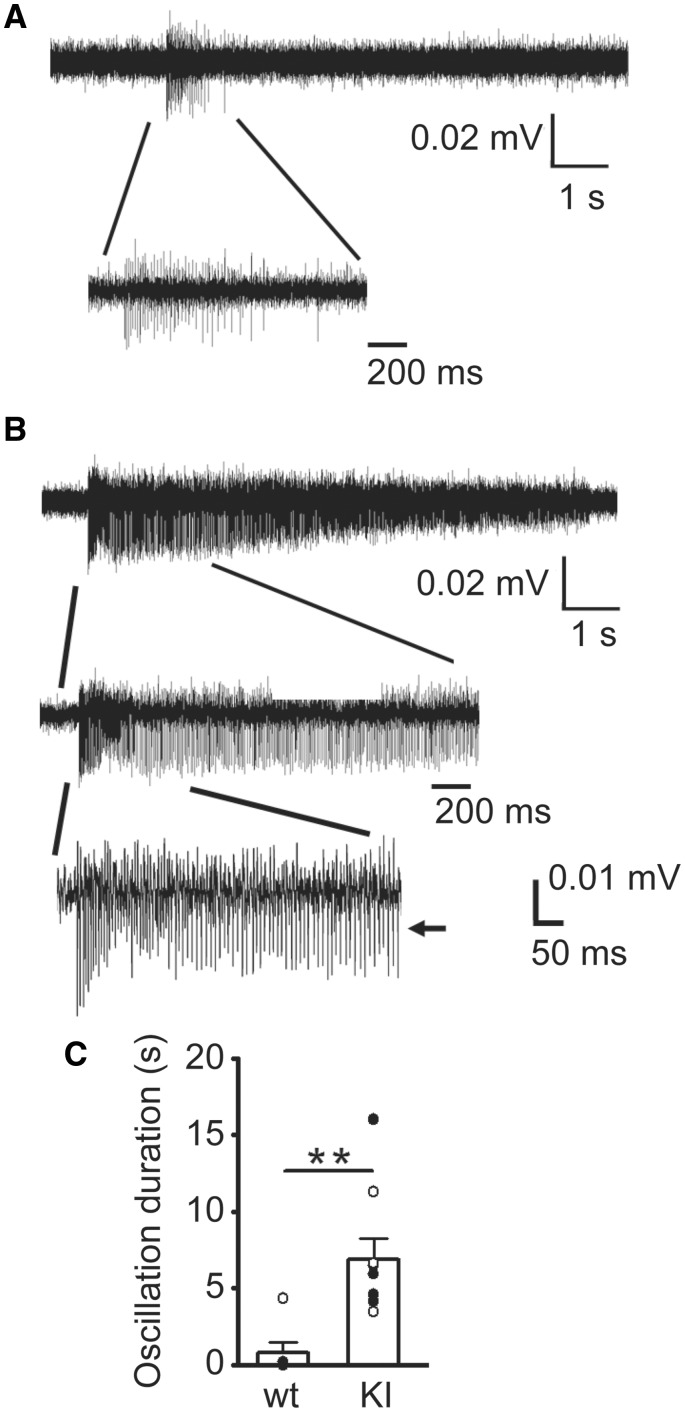
The Lennox-Gastaut syndrome is a devastating early-onset epileptic encephalopathy, associated with severe behavioural abnormalities. Its pathophysiology, however, is largely unknown. A mutation (c.G358A, p.D120N) in the human GABA type-A receptor β3 subunit gene () has been identified in a patient with Lennox-Gastaut syndrome. To determine whether the mutation causes Lennox-Gastaut syndrome in mice and to elucidate its mechanistic effects, we generated the heterozygous knock-in mouse and found that it had frequent spontaneous atypical absence seizures, as well as less frequent tonic, myoclonic, atonic and generalized tonic-clonic seizures. Each of these seizure types had a unique and characteristic ictal EEG. In addition, knock-in mice displayed abnormal behaviours seen in patients with Lennox-Gastaut syndrome including impaired learning and memory, hyperactivity, impaired social interactions and increased anxiety. This mutation did not alter GABA type-A receptor trafficking or expression in knock-in mice. However, cortical neurons in thalamocortical slices from knock-in mice had reduced miniature inhibitory post-synaptic current amplitude and prolonged spontaneous thalamocortical oscillations. Thus, the knock-in mouse recapitulated human Lennox-Gastaut syndrome seizure types and behavioural abnormalities and was caused by impaired inhibitory GABAergic signalling in the thalamocortical loop. In addition, treatment with antiepileptic drugs and cannabinoids ameliorated atypical absence seizures in knock-in mice. This congenic knock-in mouse demonstrates that a single-point mutation in a single gene can cause development of multiple types of seizures and multiple behavioural abnormalities. The knock-in mouse will be useful for further investigation of the mechanisms of Lennox-Gastaut syndrome development and for the development of new antiepileptic drugs and treatments.
伦诺克斯 - 加斯托综合征是一种严重的早发性癫痫性脑病,伴有严重的行为异常。然而,其病理生理学在很大程度上尚不清楚。在一名伦诺克斯 - 加斯托综合征患者中,已鉴定出人类γ-氨基丁酸A型受体β3亚基基因()中的一个突变(c.G358A,p.D120N)。为了确定该突变是否会在小鼠中引发伦诺克斯 - 加斯托综合征并阐明其机制性影响,我们构建了杂合敲入小鼠,发现它频繁出现自发性非典型失神发作,以及较少出现的强直性、肌阵挛性、失张力性和全身性强直阵挛性发作。每种发作类型都有独特且具有特征性的发作期脑电图。此外,敲入小鼠表现出伦诺克斯 - 加斯托综合征患者中出现的异常行为,包括学习和记忆受损、多动、社交互动受损以及焦虑增加。该突变并未改变敲入小鼠中γ-氨基丁酸A型受体的转运或表达。然而,来自敲入小鼠的丘脑皮质切片中的皮质神经元微小抑制性突触后电流幅度降低,并且自发性丘脑皮质振荡延长。因此,敲入小鼠重现了人类伦诺克斯 - 加斯托综合征的发作类型和行为异常,并且是由丘脑皮质环路中抑制性γ-氨基丁酸能信号传导受损引起的。此外,用抗癫痫药物和大麻素治疗可改善敲入小鼠的非典型失神发作。这种同源敲入小鼠表明单个基因中的单点突变可导致多种类型发作和多种行为异常的发生。敲入小鼠将有助于进一步研究伦诺克斯 - 加斯托综合征的发病机制以及开发新的抗癫痫药物和治疗方法。