Translational Health Science & Technology Institute, NCR Biotech Science Cluster, Faridabad, Haryana 121001, India.
Translational Health Science & Technology Institute, NCR Biotech Science Cluster, Faridabad, Haryana 121001, India.
Int Immunopharmacol. 2020 Aug;85:106639. doi: 10.1016/j.intimp.2020.106639. Epub 2020 May 27.
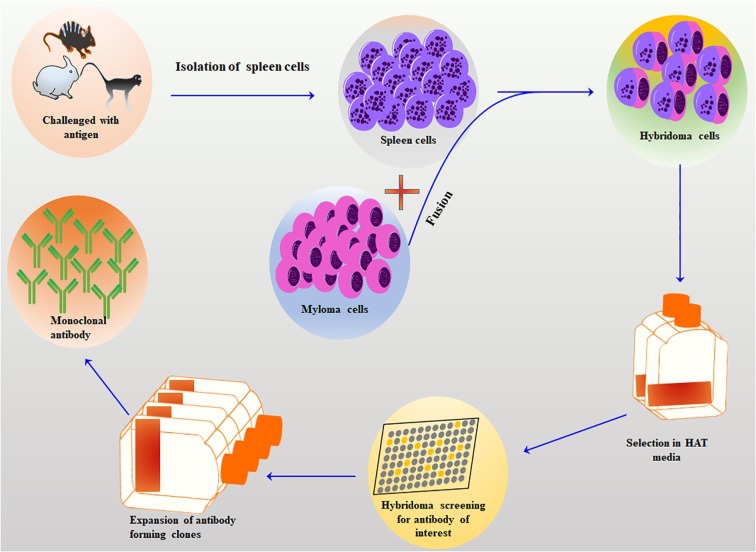
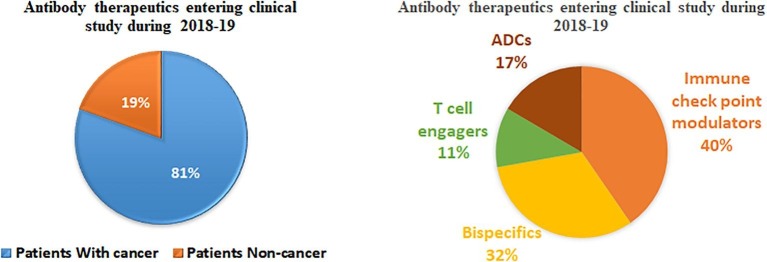
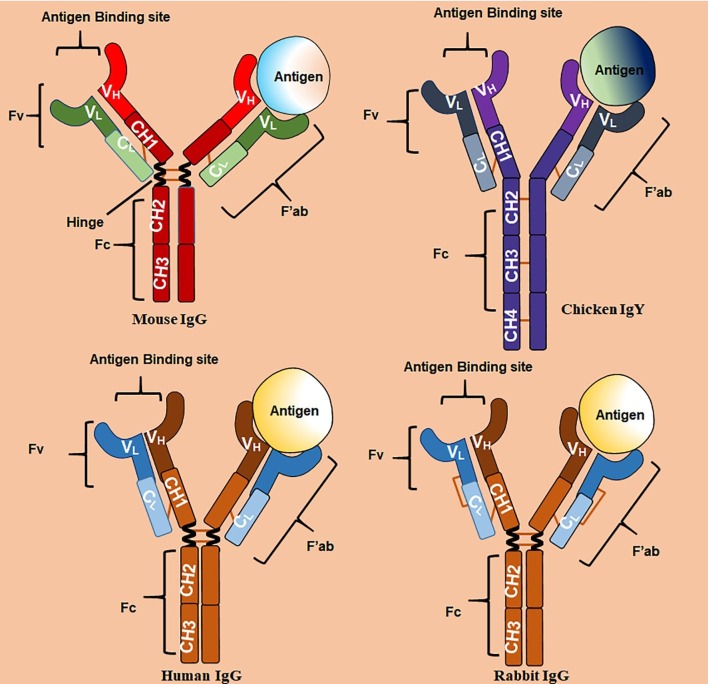
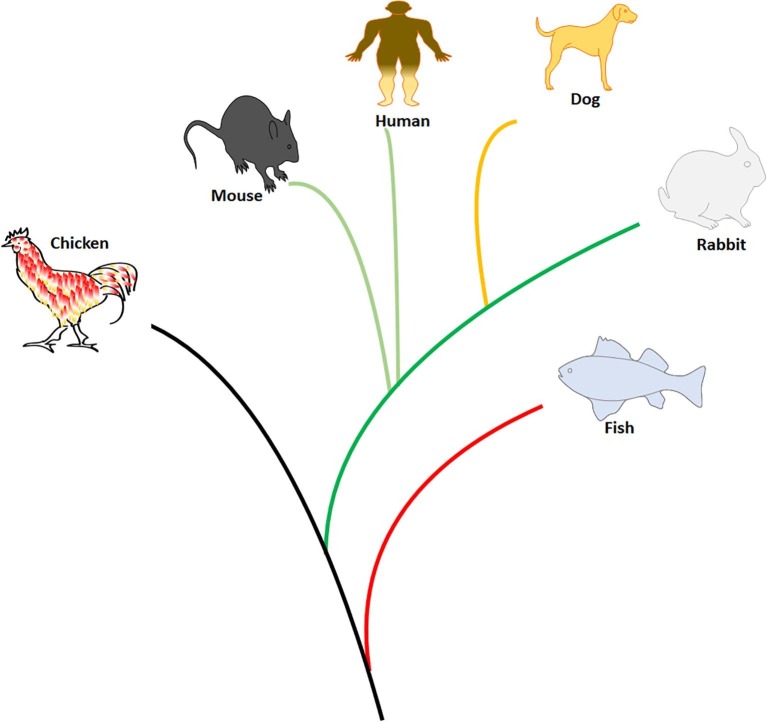
The advancements in technology and manufacturing processes have allowed the development of new derivatives, biosimilar or advanced improved versions for approved antibodies each year for treatment regimen. There are more than 700 antibody-based molecules that are in different stages of phase I/II/ III clinical trials targeting new unique targets. To date, approximately more than 80 monoclonal antibodies (mAbs) have been approved. A total of 7 novel antibody therapeutics had been granted the first approval either in the United States or European Union in the year 2019, representing approximately 20% of the total number of approved drugs. Most of these licenced mAbs or their derivatives are either of hybridoma origin or their improvised engineered versions. Even with the recent development of high throughput mAb generation technologies, hybridoma is the most favoured method due to its indigenous nature to preserve natural cognate antibody pairing information and preserves innate functions of immune cells. The recent advent of antibody engineering technology has superseded the species level barriers and has shown success in isolation of hybridoma across phylogenetically distinct species. This has led to the isolation of monoclonal antibodies against human targets that are conserved and non-immunogenic in the rodent. In this review, we have discussed in detail about hybridoma technology, its expansion towards different animal species, the importance of antibodies isolated from different animal sources that are useful in biological applications, advantages, and limitations. This review also summarizes the challenges and recent progress associated with hybridoma development, and how it has been overcome in these years to provide new insights for the isolation of mAbs.
技术和制造工艺的进步使得每年都能针对已批准的抗体开发新的衍生物、生物类似物或先进的改良版本,以用于治疗方案。目前有超过 700 种基于抗体的分子正在进行 I/II/III 期临床试验,针对新的独特靶点。迄今为止,已经批准了大约 80 种单克隆抗体(mAbs)。2019 年,共有 7 种新型抗体疗法在美国或欧盟获得首次批准,约占批准药物总数的 20%。这些获得许可的 mAbs 或其衍生物大多源自杂交瘤或其改良的工程版本。即使最近开发了高通量 mAb 生成技术,由于杂交瘤具有保留天然同源抗体配对信息和保留免疫细胞固有功能的本土特性,因此仍然是最受欢迎的方法。抗体工程技术的最新发展已经克服了物种水平的障碍,并成功地在不同进化关系的物种中分离出杂交瘤。这导致了针对在啮齿动物中保守且非免疫原性的人类靶标的单克隆抗体的分离。在这篇综述中,我们详细讨论了杂交瘤技术,它向不同动物物种的扩展,以及从不同动物来源分离的抗体在生物应用中的重要性、优势和局限性。本文还总结了与杂交瘤开发相关的挑战和最新进展,以及这些年来如何克服这些挑战,为 mAbs 的分离提供新的见解。