Departament de Biomedicina, Facultat de Medicina, Institut de Neurociències, Universitat de Barcelona, 08036, Barcelona, Spain.
Institut d'Investigacions Biomèdiques August Pi i Sunyer (IDIBAPS), 08036, Barcelona, Spain.
Cell Death Dis. 2020 Jun 1;11(6):411. doi: 10.1038/s41419-020-2615-9.
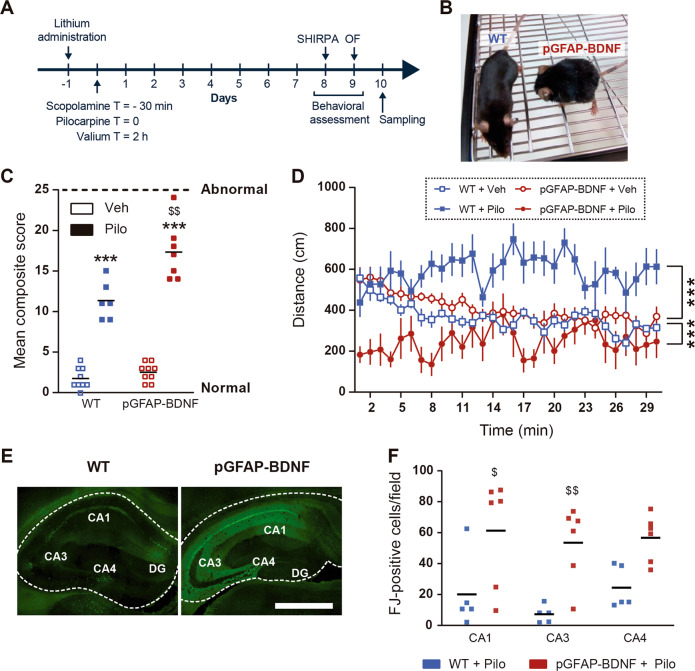
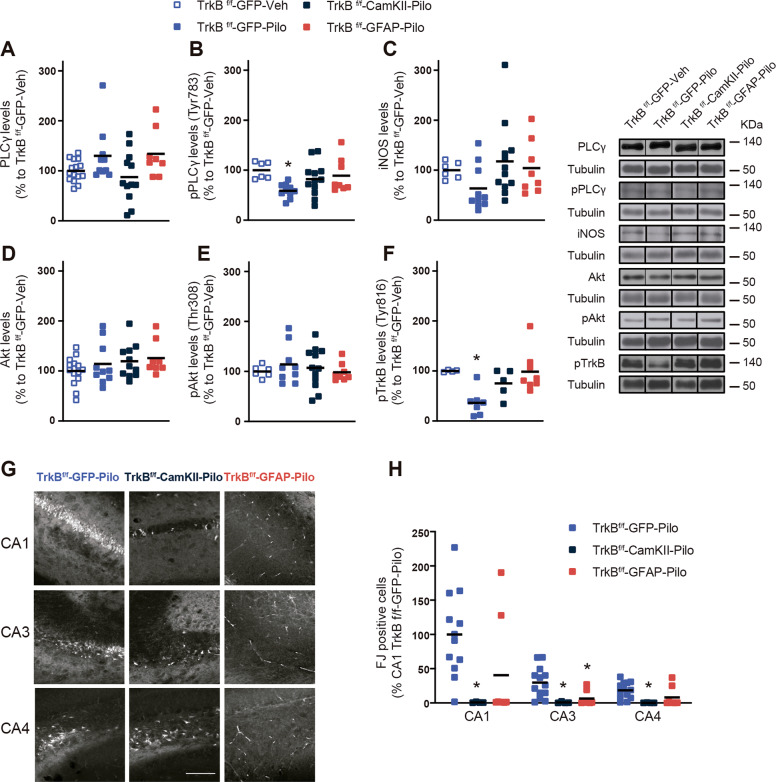
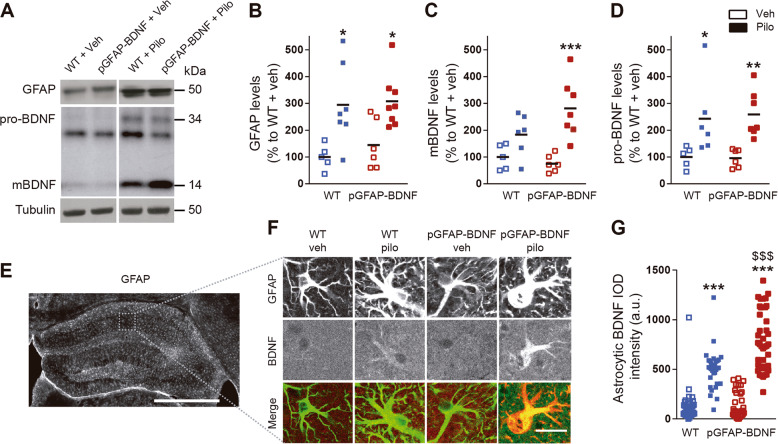
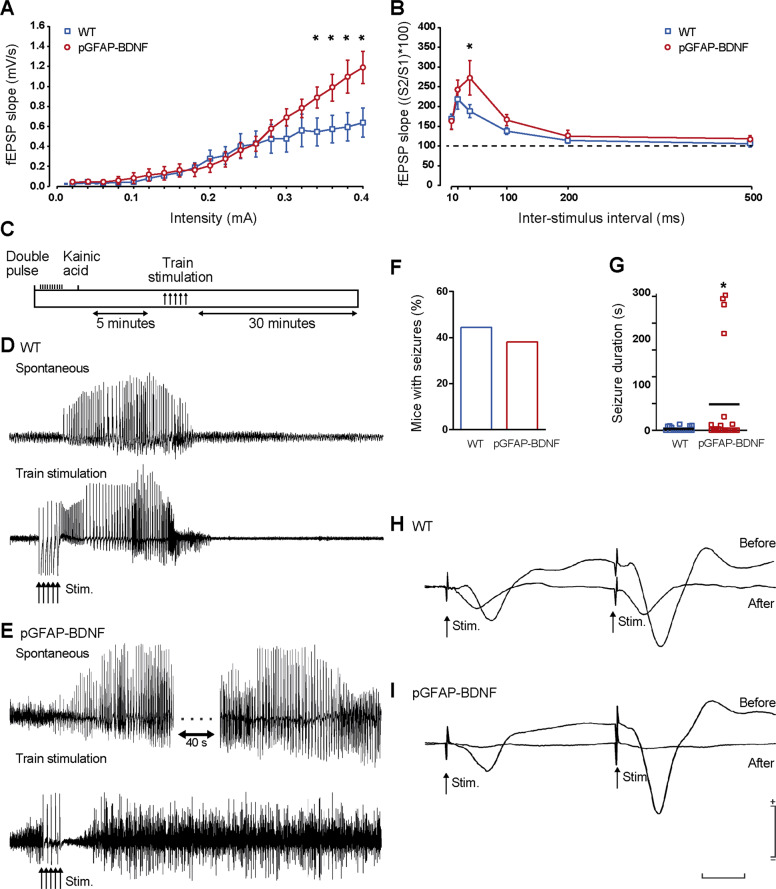
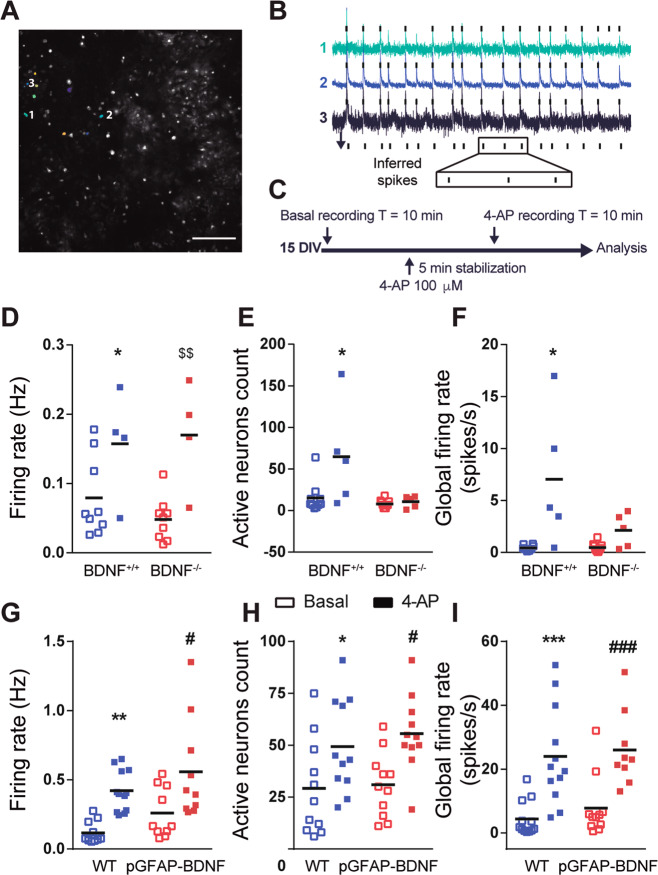
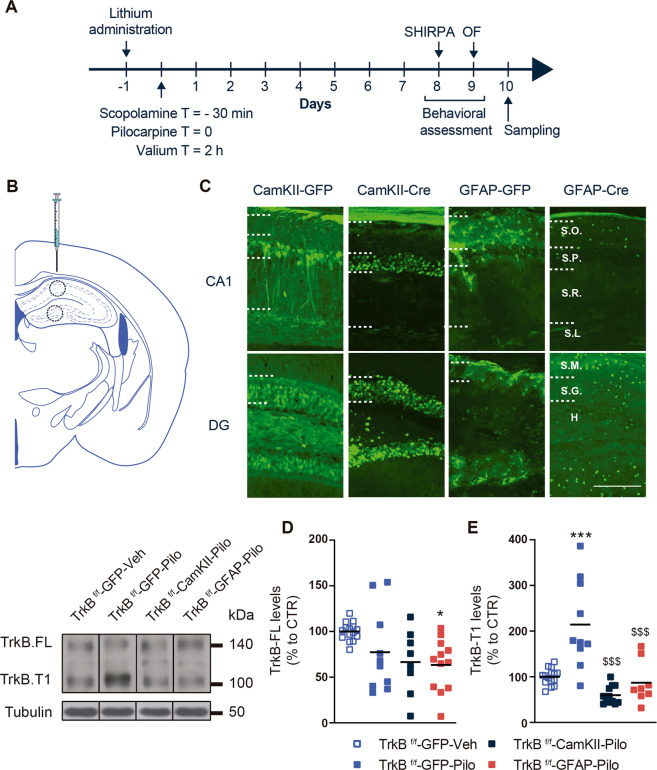
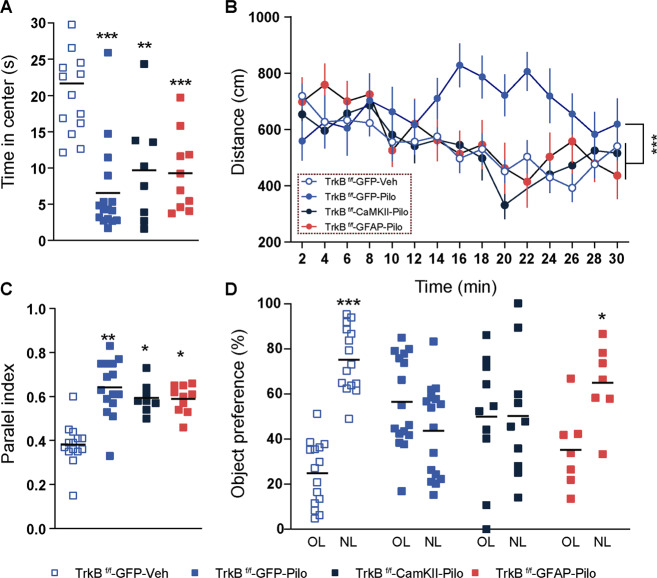
Astrocytes have emerged as crucial regulators of neuronal network activity, synapse formation, and underlying behavioral and cognitive processes. Despite some pathways have been identified, the communication between astrocytes and neurons remains to be completely elucidated. Unraveling this communication is crucial to design potential treatments for neurological disorders like temporal lobe epilepsy (TLE). The BDNF and TrkB molecules have emerged as very promising therapeutic targets. However, their modulation can be accompanied by several off-target effects such as excitotoxicity in case of uncontrolled upregulation or dementia, amnesia, and other memory disorders in case of downregulation. Here, we show that BDNF and TrkB from astrocytes modulate neuronal dysfunction in TLE models. First, conditional overexpression of BDNF from astrocytes worsened the phenotype in the lithium-pilocarpine mouse model. Our evidences pointed out to the astrocytic pro-BDNF isoform as a major player of this altered phenotype. Conversely, specific genetic deletion of BDNF in astrocytes prevented the increase in the number of firing neurons and the global firing rate in an in vitro model of TLE. Regarding to the TrkB, we generated mice with a genetic deletion of TrkB specifically in hippocampal neurons or astrocytes. Interestingly, both lines displayed neuroprotection in the lithium-pilocarpine model but only the mice with genetic deletion of TrkB in astrocytes showed significantly preserved spatial learning skills. These data identify the astrocytic BDNF and TrkB molecules as promising therapeutic targets for the treatment of TLE.
星形胶质细胞已成为神经元网络活动、突触形成以及潜在行为和认知过程的关键调节因子。尽管已经确定了一些途径,但星形胶质细胞和神经元之间的通讯仍有待完全阐明。揭示这种通讯对于设计治疗颞叶癫痫(TLE)等神经疾病的潜在疗法至关重要。BDNF 和 TrkB 分子已成为非常有前途的治疗靶点。然而,它们的调节可能伴随着几种脱靶效应,例如不受控制的过度表达时的兴奋性毒性,或下调时的痴呆、健忘和其他记忆障碍。在这里,我们表明星形胶质细胞中的 BDNF 和 TrkB 调节 TLE 模型中的神经元功能障碍。首先,星形胶质细胞中 BDNF 的条件过表达恶化了锂-匹罗卡品小鼠模型中的表型。我们的证据表明星形胶质细胞中的 pro-BDNF 同工型是这种改变表型的主要参与者。相反,星形胶质细胞中 BDNF 的特异性基因缺失可防止 TLE 体外模型中放电神经元数量和整体放电率的增加。关于 TrkB,我们生成了特异性在海马神经元或星形胶质细胞中缺失 TrkB 的小鼠。有趣的是,这两种系在锂-匹罗卡品模型中均显示出神经保护作用,但只有星形胶质细胞中 TrkB 基因缺失的小鼠表现出明显保留的空间学习能力。这些数据确定星形胶质细胞中的 BDNF 和 TrkB 分子是治疗 TLE 的有希望的治疗靶点。