Koch Institute for Integrative Cancer Research, Massachusetts Institute of Technology, Cambridge, MA, USA.
Department of Biological Engineering, Massachusetts Institute of Technology, Cambridge, MA, USA.
Nat Biomed Eng. 2020 Jun;4(6):636-648. doi: 10.1038/s41551-020-0563-4. Epub 2020 Jun 1.
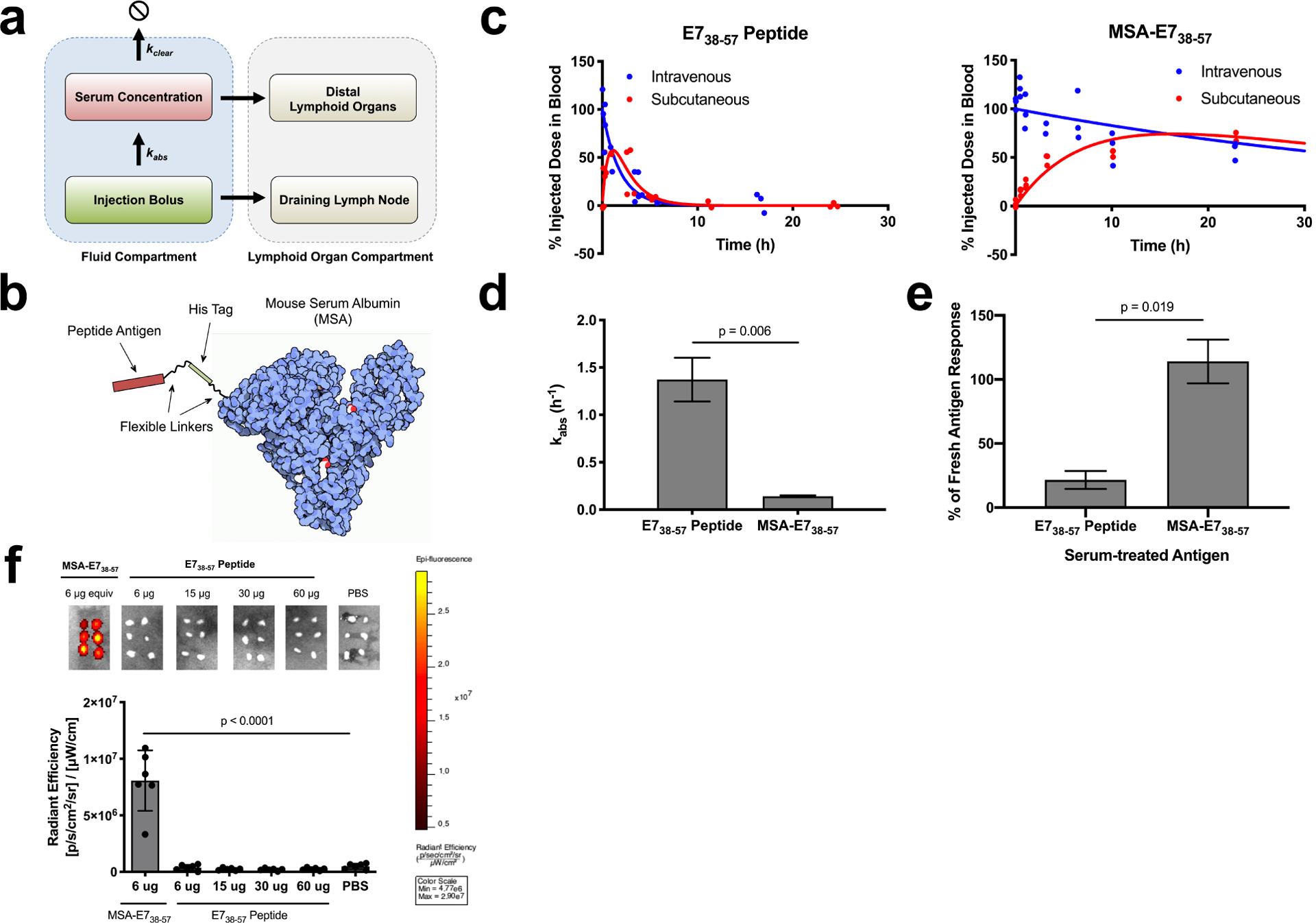
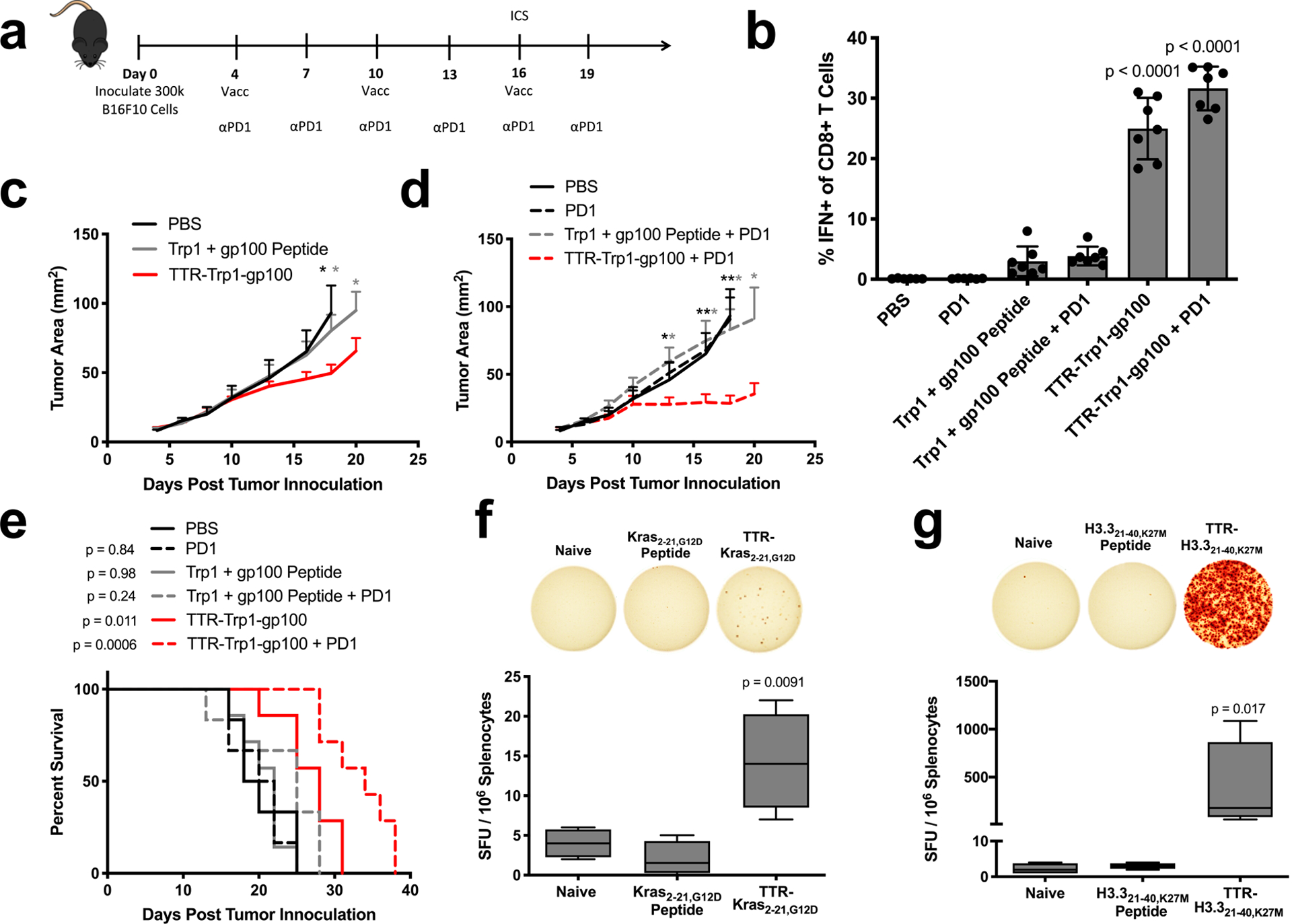
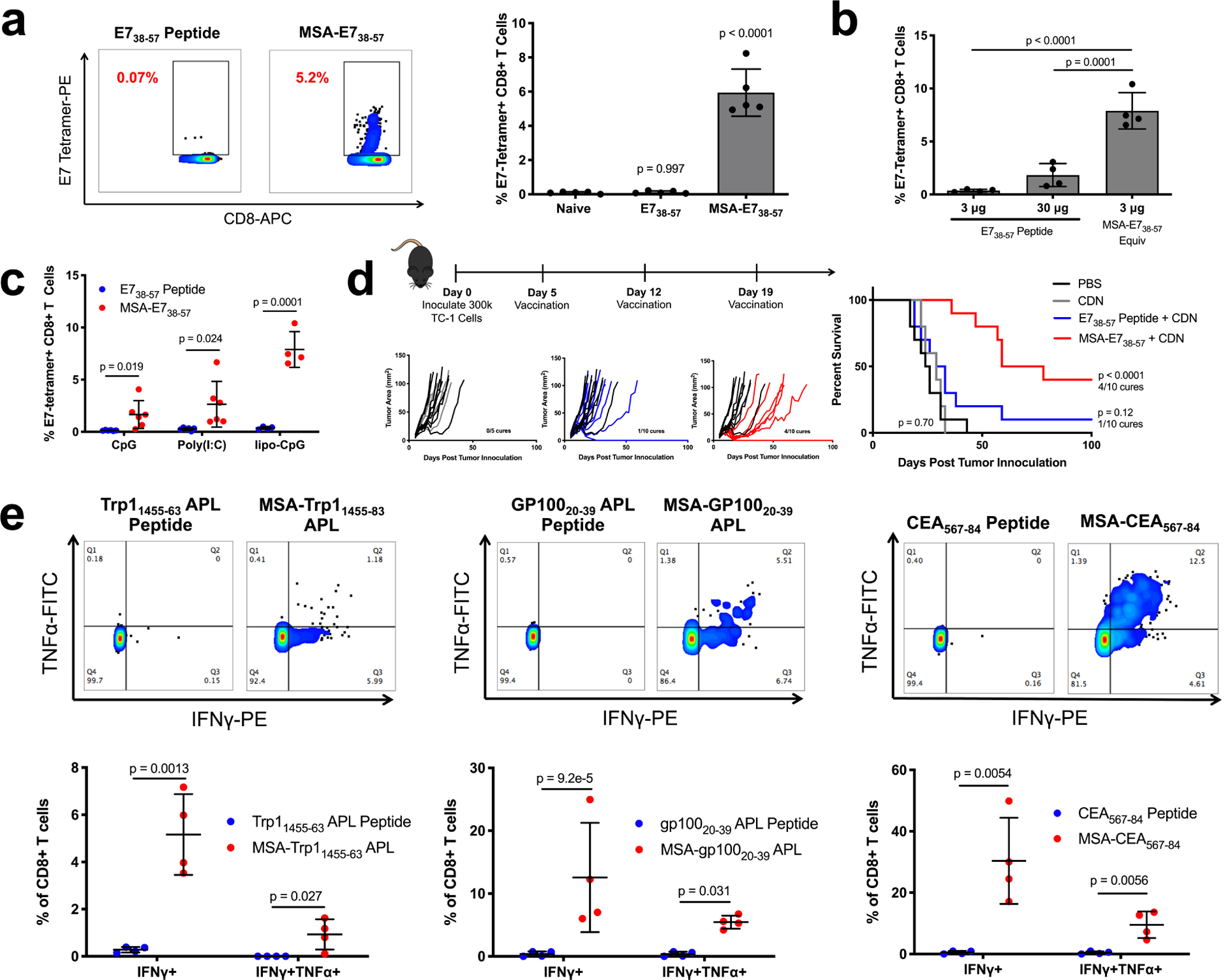
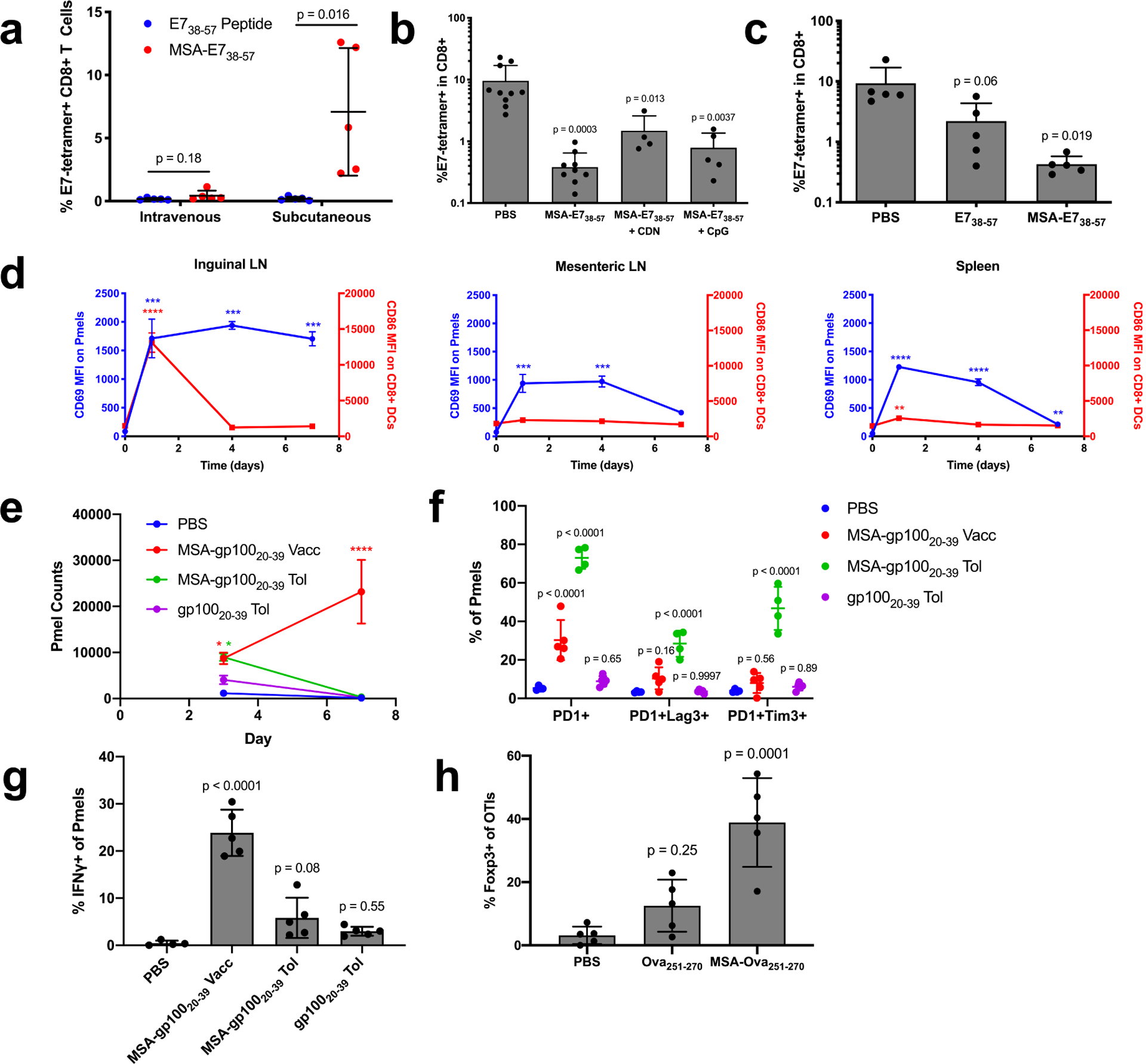
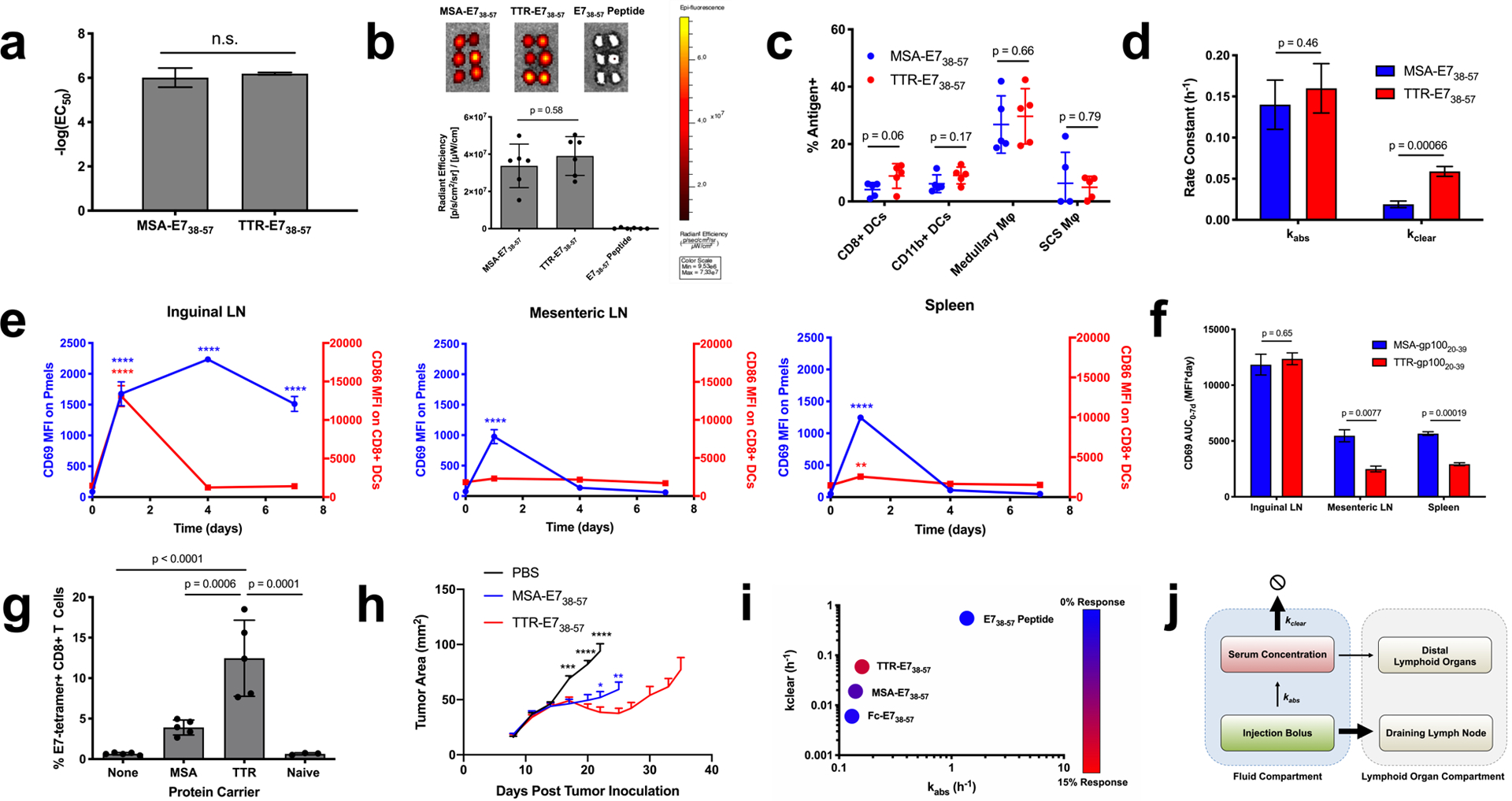
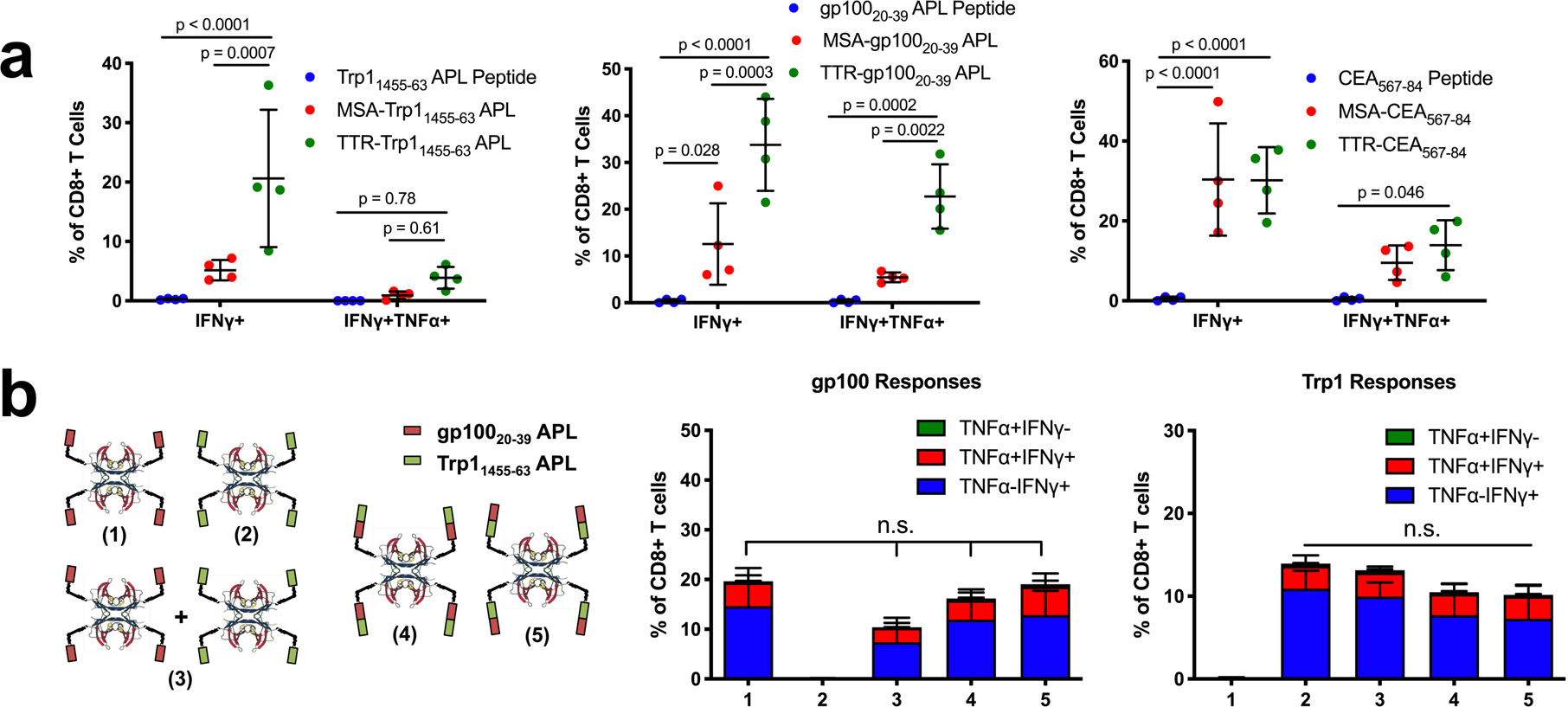
The formulations of peptide-based antitumour vaccines being tested in clinical studies are generally associated with weak potency. Here, we show that pharmacokinetically tuning the responses of peptide vaccines by fusing the peptide epitopes to carrier proteins optimizes vaccine immunogenicity in mice. In particular, we show in immunized mice that the carrier protein transthyretin simultaneously optimizes three factors: efficient antigen uptake in draining lymphatics from the site of injection, protection of antigen payloads from proteolytic degradation and reduction of antigen presentation in uninflamed distal lymphoid organs. Optimizing these factors increases vaccine immunogenicity by up to 90-fold and maximizes the responses to viral antigens, tumour-associated antigens, oncofetal antigens and shared neoantigens. Protein-peptide epitope fusions represent a facile and generalizable strategy for enhancing the T-cell responses elicited by subunit vaccines.
在临床试验中测试的基于肽的抗肿瘤疫苗配方通常与效力较弱有关。在这里,我们表明,通过将肽表位融合到载体蛋白上来调节肽疫苗的药代动力学,可以优化小鼠疫苗的免疫原性。具体来说,我们在免疫小鼠中表明,载体蛋白转甲状腺素蛋白同时优化了三个因素:从注射部位引流淋巴结中有效摄取抗原、保护抗原有效负载免受蛋白水解降解以及减少未发炎的远端淋巴器官中的抗原呈递。通过优化这些因素,疫苗的免疫原性提高了多达 90 倍,并使对病毒抗原、肿瘤相关抗原、癌胚抗原和共享新抗原的反应最大化。蛋白-肽表位融合代表了一种简单且可推广的策略,可增强亚单位疫苗引起的 T 细胞反应。