Craen Alexandra, Logan Gideon, Ganti Latha
Emergency Medicine, University of Central Florida College of Medicine, Orlando, USA.
Emergency Medicine, Envision Physician Services, Nashville, USA.
Cureus. 2020 Apr 27;12(4):e7846. doi: 10.7759/cureus.7846.
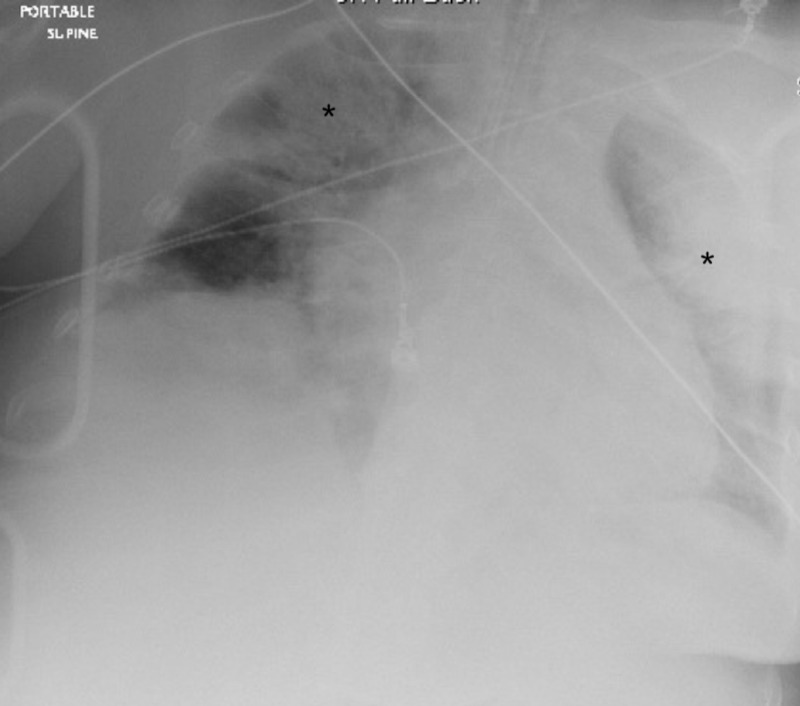
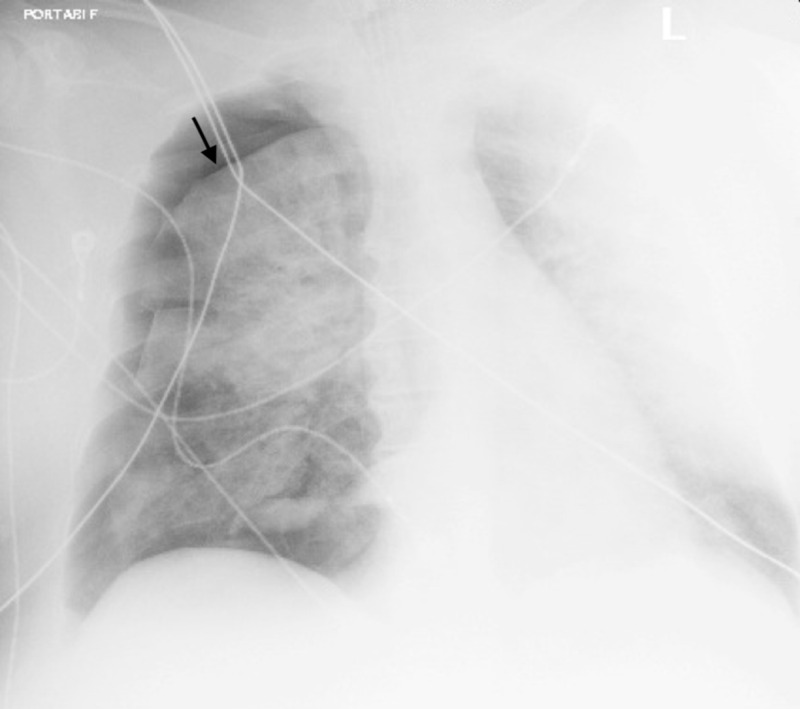
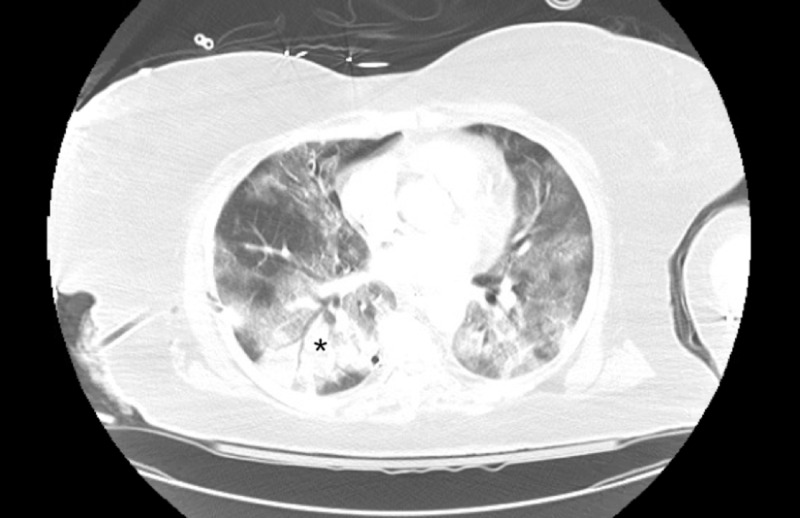
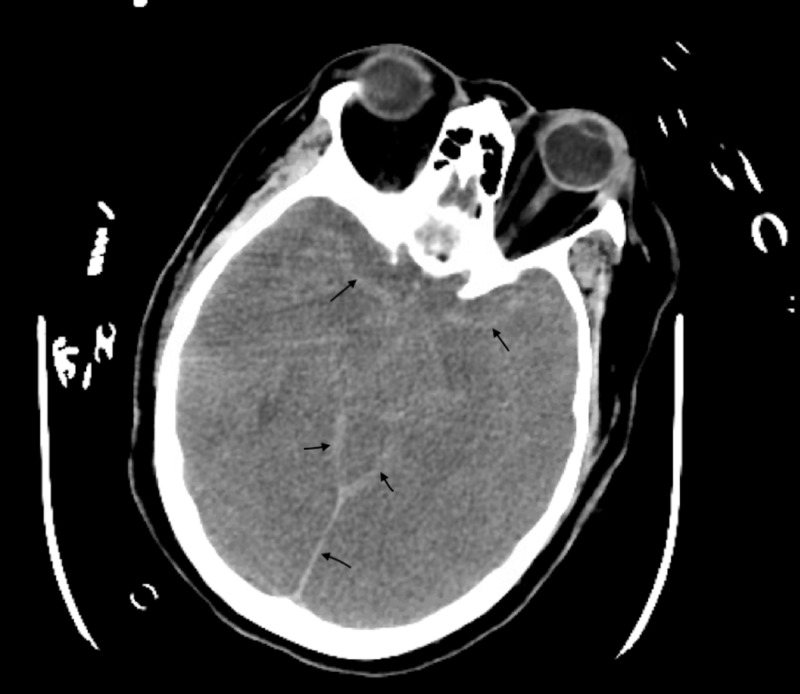
The novel coronavirus disease 2019 (COVID-19) has had a profound impact on healthcare systems around the world. The emergency department (ED) in particular has become the frontline for the identification and care of these patients. While its effects on respiratory symptoms are well recognized, neurologic manifestations have been rarer. We report the case of a patient who presented in cardiac arrest with the return of spontaneous circulation (ROSC). The patient was found to have subarachnoid hemorrhage and later tested positive for COVID-19.
2019年新型冠状病毒病(COVID-19)对全球医疗系统产生了深远影响。急诊科(ED)尤其成为了识别和治疗这些患者的前沿阵地。虽然其对呼吸道症状的影响已得到充分认识,但神经系统表现较为罕见。我们报告了一例心脏骤停后恢复自主循环(ROSC)的患者病例。该患者被发现患有蛛网膜下腔出血,后来COVID-19检测呈阳性。