Fetal Medicine Post Graduation, Universidade Estácio de Sá, Rio de Janeiro, RJ, Brazil.
Clínica Perinatal, Rio de Janeiro, RJ, Brazil.
Rev Bras Ginecol Obstet. 2020 May;42(5):289-296. doi: 10.1055/s-0040-1710301. Epub 2020 May 29.
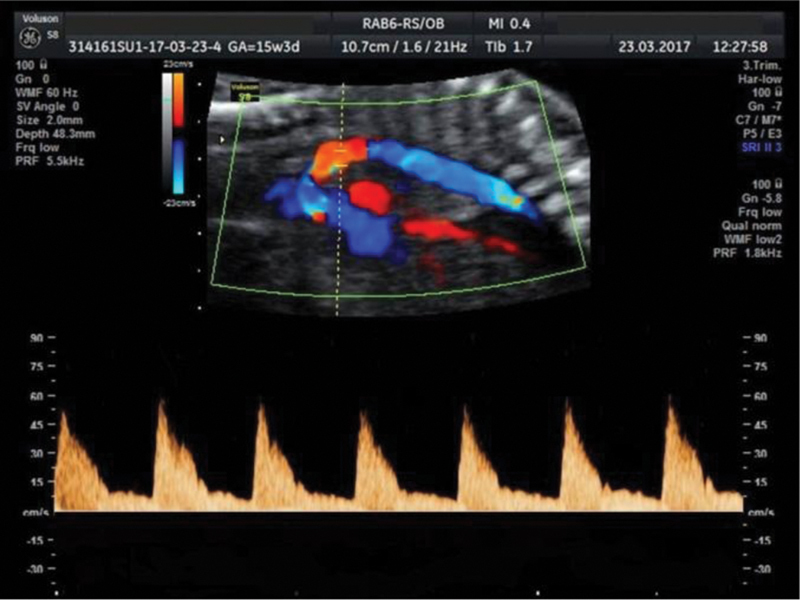
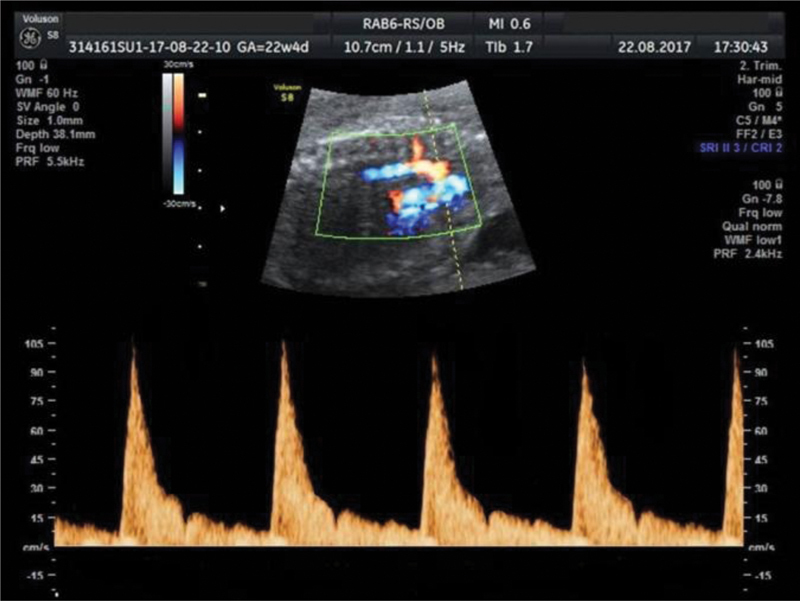
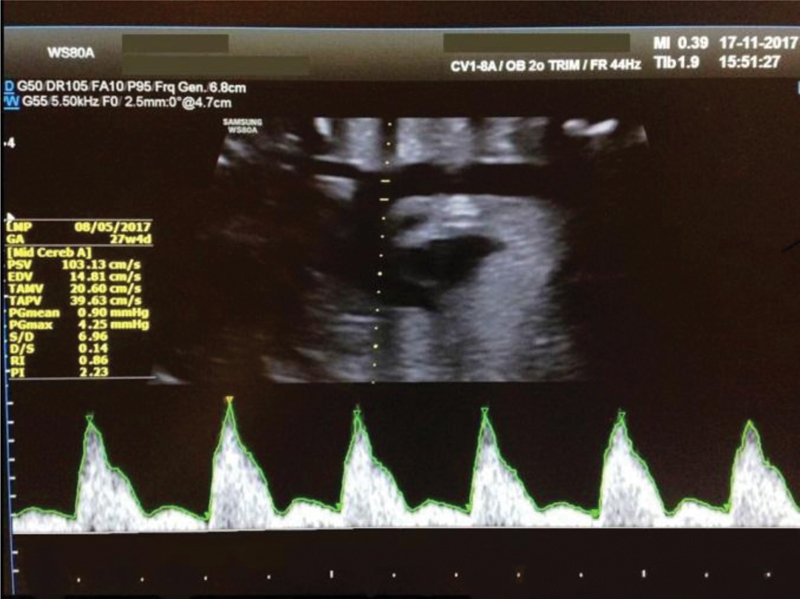
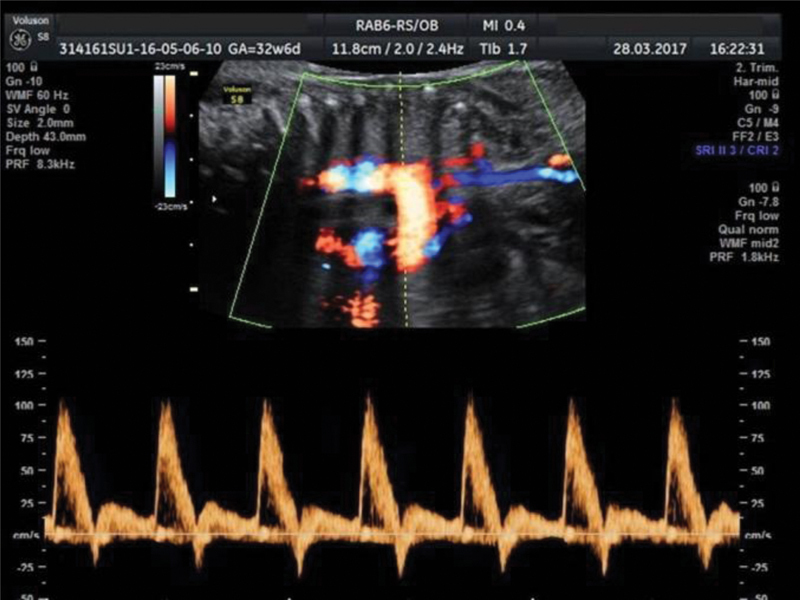
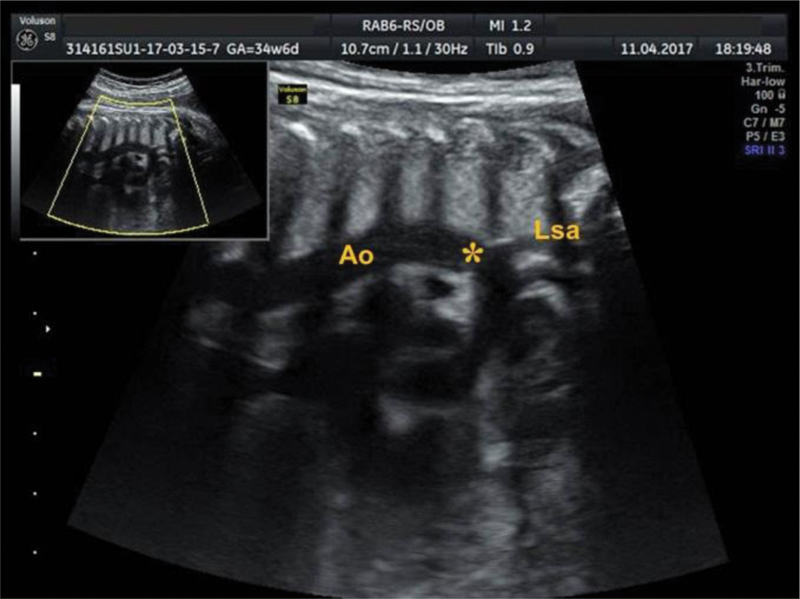
Intrauterine growth restriction (IUGR) is associated with poor perinatal prognosis and a higher risk of stillbirth, neonatal death, and cerebral palsy. Its detection and the evaluation of its severity by new Doppler velocimetric parameters, such as aortic isthmus (AoI), are of great relevance for obstetrical practice. The AoI is a vascular segment that represents a point of communication between the right and left fetal circulations. It is considered to be a functional arterial shunt that reflects the relationship between the systemic and cerebral impedances, and has recently been proposed as a tool to detect the status of hemodynamic balance and prognosis of IUGR in fetuses. In the present review, we noticed that in healthy fetuses, the AoI net flow is always antegrade, but in fetuses with IUGR the deterioration of placental function leads to progressive reduction in its flow until it becomes mostly retrograde; this point is associated with a drastic reduction in oxygen delivery to the brain. The more impaired the AoI flow is, the greater is the risk of impairment in the Doppler velocimetry of other vessels; and the alterations of the AoI Doppler seem to precede other indicators of severe hypoxemia. Although there seems to be an association between the presence of retrograde flow in the AoI and the risk of long-term neurologic disability, its role in the prediction of perinatal morbi-mortality remains unclear. The AoI Doppler seems to be a promising tool in the management of fetuses with IUGR, but more studies are needed to investigate its employment in clinical practice.
胎儿生长受限(IUGR)与围产期预后不良和死产、新生儿死亡以及脑瘫的风险增加有关。通过新的多普勒速度测量参数(如主动脉峡部(AoI))检测其并评估其严重程度,对产科实践具有重要意义。AoI 是一段血管,代表左右胎儿循环之间的连通点。它被认为是一种功能性动脉分流,反映了全身和脑阻抗之间的关系,最近已被提议作为检测胎儿血流动力学平衡状态和 IUGR 预后的工具。在本综述中,我们注意到在健康胎儿中,AoI 的净血流始终是向前的,但在 IUGR 胎儿中,胎盘功能的恶化导致其血流逐渐减少,直到大部分变成逆行;这与向大脑输送氧气的急剧减少有关。AoI 血流受损越严重,其他血管多普勒异常的风险就越大;AoI 多普勒的改变似乎先于其他严重低氧血症的指标。虽然 AoI 中逆行血流的存在与长期神经功能障碍的风险之间似乎存在关联,但它在预测围产期死亡率方面的作用尚不清楚。AoI 多普勒似乎是治疗 IUGR 胎儿的有前途的工具,但需要更多的研究来探讨其在临床实践中的应用。