Chen Shu-Huey, Hsieh Yao-Yu, Tzeng Huey-En, Lin Chun-Yu, Hsu Kai-Wen, Chiang Yun-Shan, Lin Su-Mei, Su Ming-Jang, Hsieh Wen-Shyang, Lee Chia-Hwa
Department of Pediatrics, School of Medicine, College of Medicine, Taipei Medical University, Taipei 11031, Taiwan.
Department of Pediatrics, Shuang Ho Hospital, Taipei Medical University, New Taipei City 23561, Taiwan.
Cancers (Basel). 2020 May 29;12(6):1399. doi: 10.3390/cancers12061399.
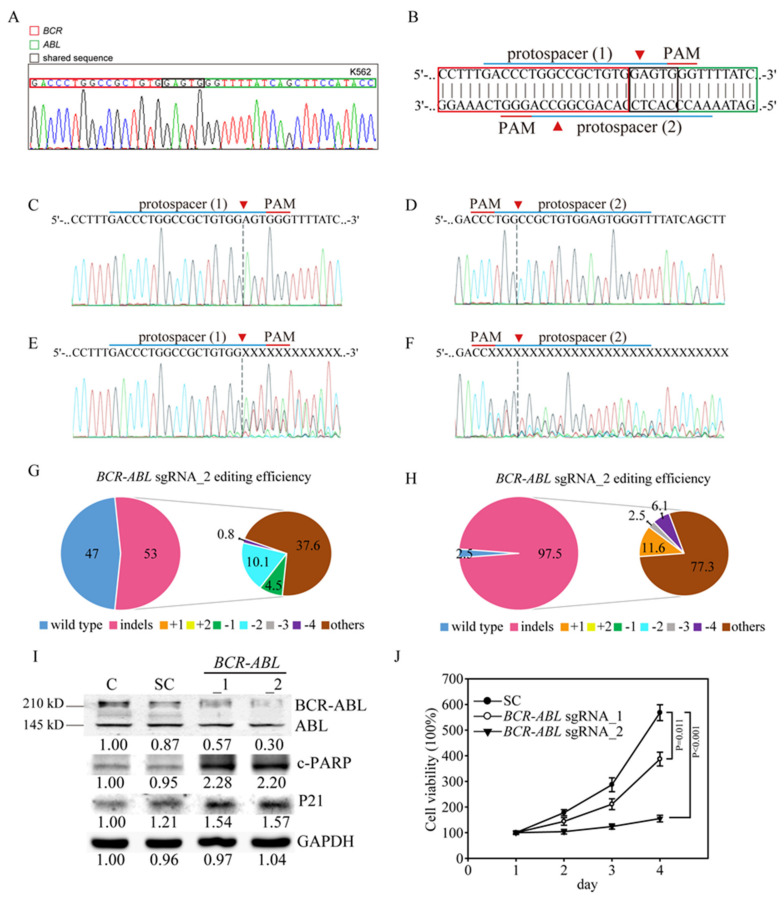
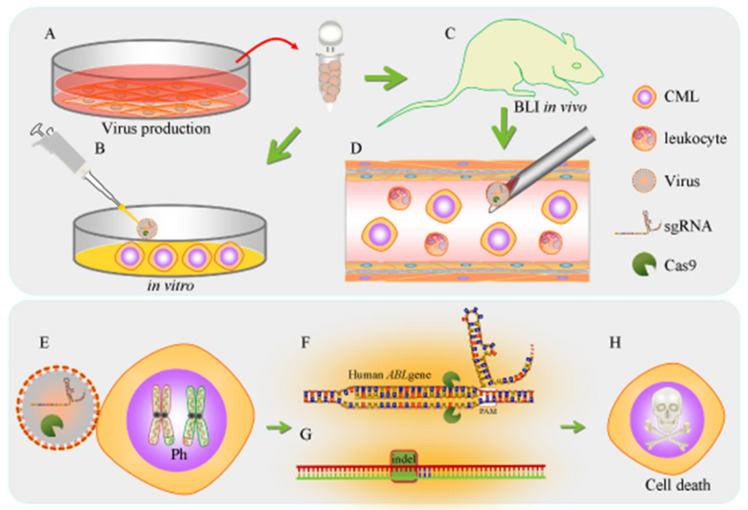
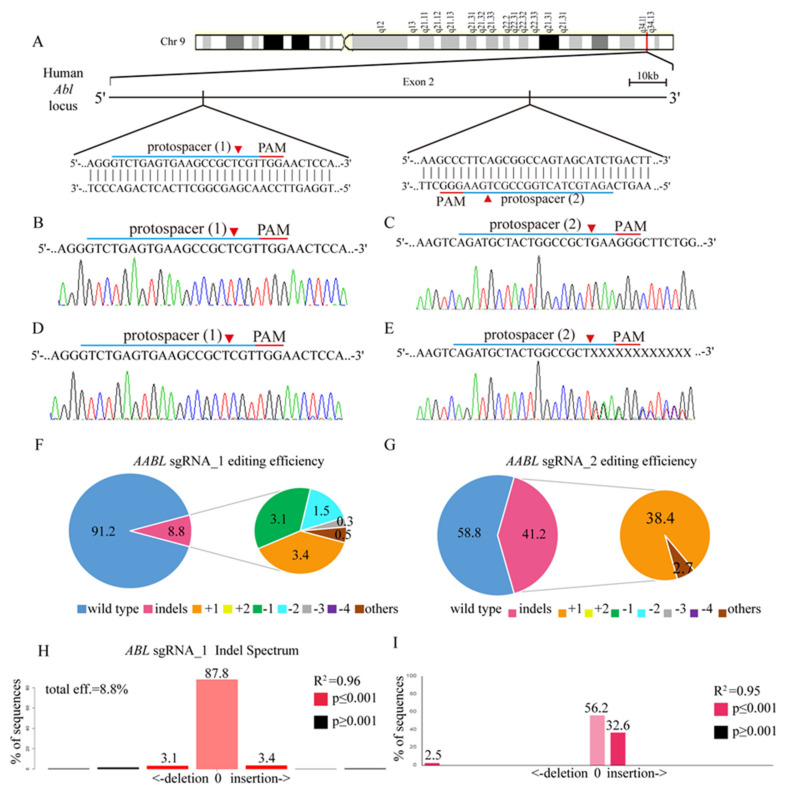
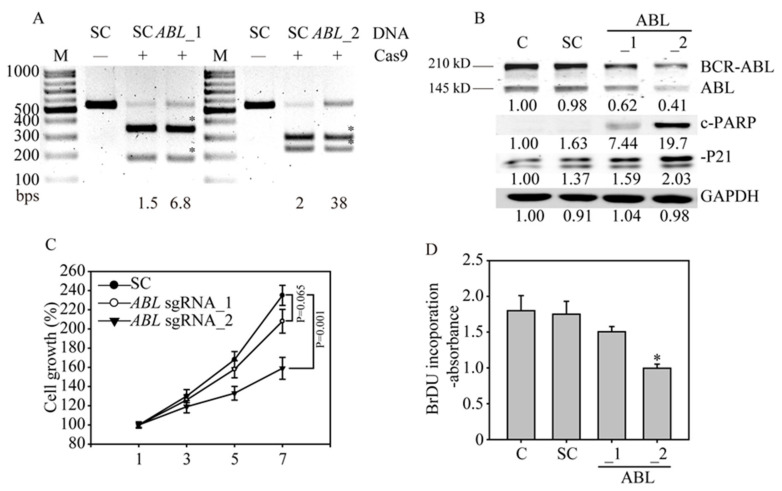
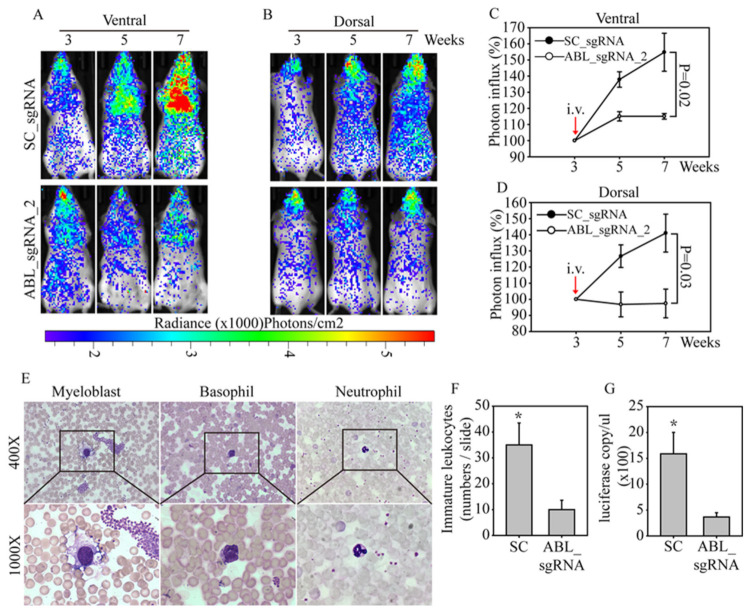
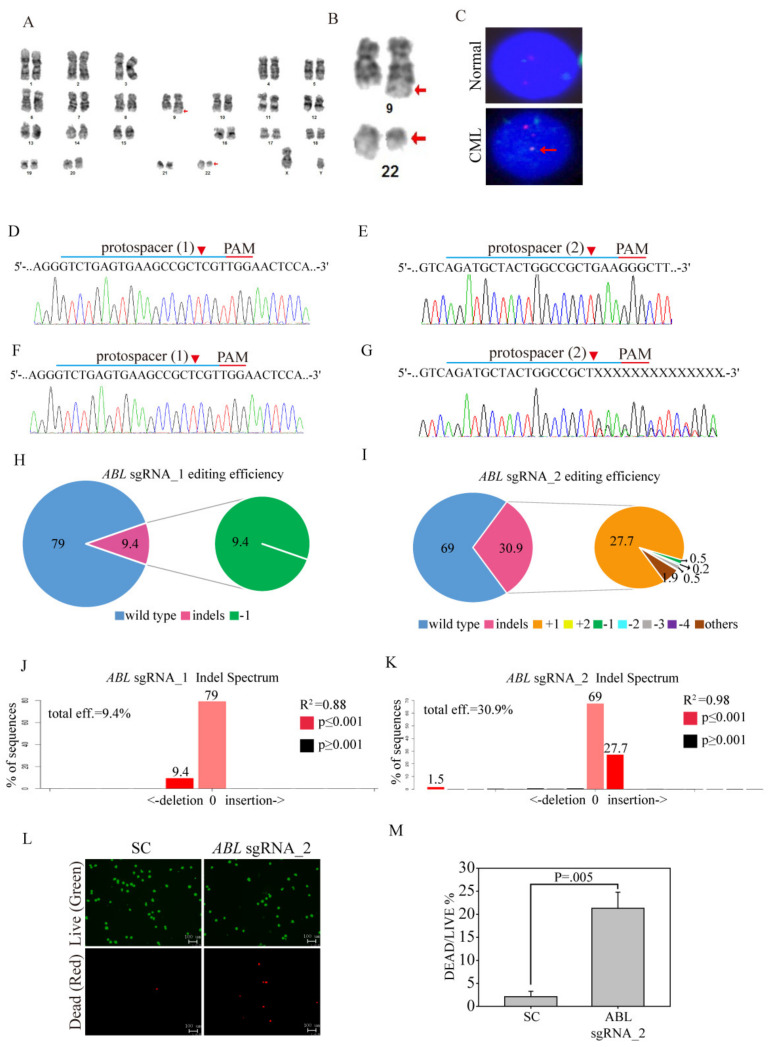
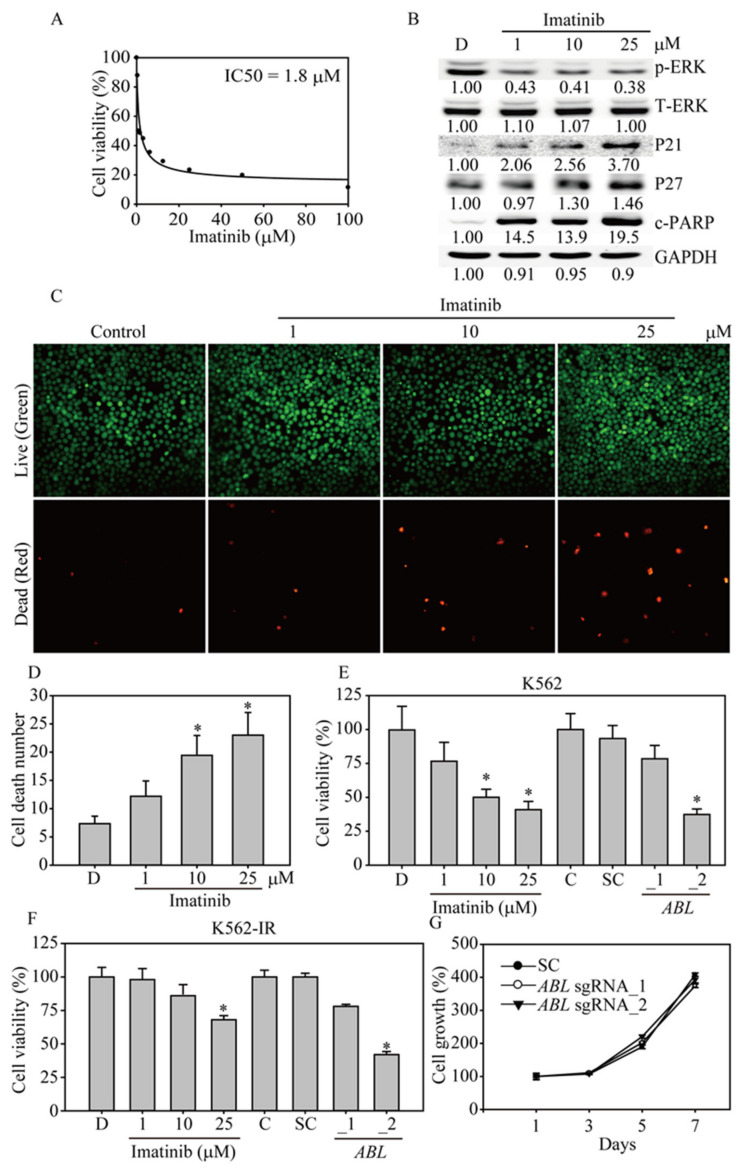
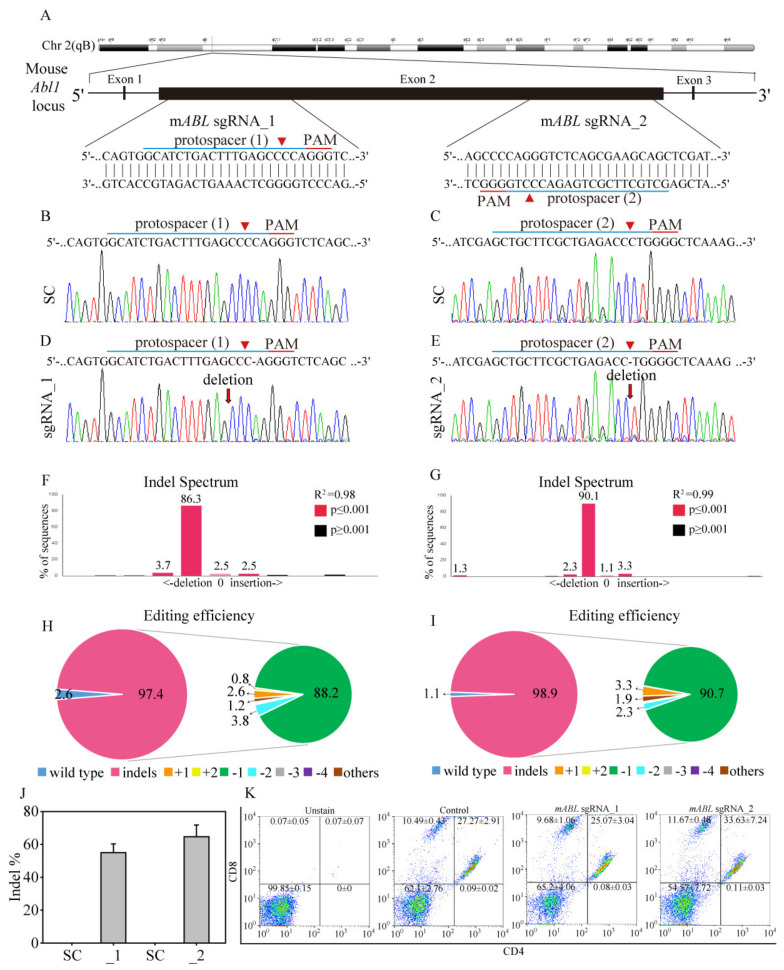
Chronic myelogenous leukemia (CML) is the most common type of leukemia in adults, and more than 90% of CML patients harbor the abnormal Philadelphia chromosome (Ph) that encodes the BCR-ABL oncoprotein. Although the ABL kinase inhibitor (imatinib) has proven to be very effective in achieving high remission rates and improving prognosis, up to 33% of CML patients still cannot achieve an optimal response. Here, we used CRISPR/Cas9 to specifically target the - junction region in K562 cells, resulting in the inhibition of cancer cell growth and oncogenesis. Due to the variety of - junctions in CML patients, we utilized gene editing of the human gene for clinical applications. Using the gene-edited virus in K562 cells, we detected 41.2% indels in sgRNA_2-infected cells. The edited cells reveled significant suppression of BCR-ABL protein expression and downstream signals, inhibiting cell growth and increasing cell apoptosis. Next, we introduced the gene-edited virus into a systemic K562 leukemia xenograft mouse model, and bioluminescence imaging of the mice showed a significant reduction in the leukemia cell population in -targeted mice, compared to the scramble sgRNA virus-injected mice. In CML cells from clinical samples, infection with the gene-edited virus resulted in more than 30.9% indels and significant cancer cell death. Notably, no off-target effects or bone marrow cell suppression was found using the gene-edited virus, user safety . This study demonstrated the critical role of the gene in maintaining CML cell survival and tumorigenicity in vitro and in vivo. gene editing-based therapy might provide a potential strategy for imatinib-insensitive or resistant CML patients.
慢性粒细胞白血病(CML)是成人中最常见的白血病类型,超过90%的CML患者携带编码BCR-ABL癌蛋白的异常费城染色体(Ph)。尽管ABL激酶抑制剂(伊马替尼)已被证明在实现高缓解率和改善预后方面非常有效,但仍有高达33%的CML患者无法获得最佳反应。在此,我们使用CRISPR/Cas9特异性靶向K562细胞中的-连接区域,从而抑制癌细胞生长和肿瘤发生。由于CML患者中-连接的多样性,我们将人类基因编辑用于临床应用。在K562细胞中使用基因编辑病毒,我们在sgRNA_2感染的细胞中检测到41.2%的插入缺失。编辑后的细胞显示出BCR-ABL蛋白表达和下游信号的显著抑制,抑制细胞生长并增加细胞凋亡。接下来,我们将基因编辑病毒引入全身性K562白血病异种移植小鼠模型,与注射乱序sgRNA病毒的小鼠相比,小鼠的生物发光成像显示-靶向小鼠中的白血病细胞数量显著减少。在临床样本的CML细胞中,感染基因编辑病毒导致超过30.9%的插入缺失和显著的癌细胞死亡。值得注意的是,使用基因编辑病毒未发现脱靶效应或骨髓细胞抑制,确保了用户安全。这项研究证明了基因在体外和体内维持CML细胞存活和致瘤性中的关键作用。基于基因编辑的治疗可能为对伊马替尼不敏感或耐药的CML患者提供一种潜在策略。