College of Natural and Health Sciences, Zayed University, Abu Dhabi 00000, UAE.
Riphah Institute of Pharmaceutical Sciences, Riphah International University, Islamabad 44000, Pakistan.
Molecules. 2020 May 29;25(11):2540. doi: 10.3390/molecules25112540.
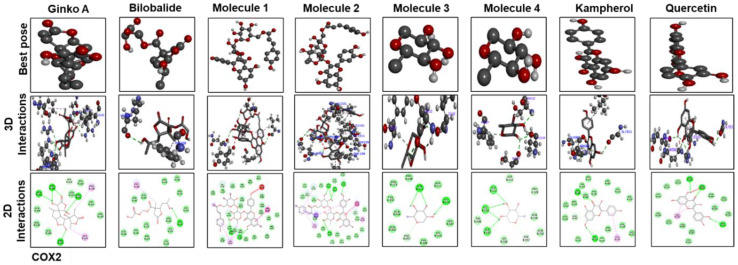
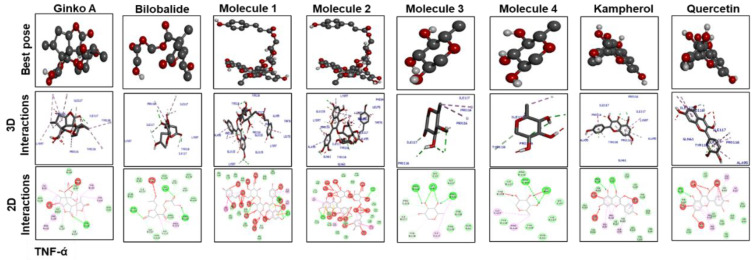
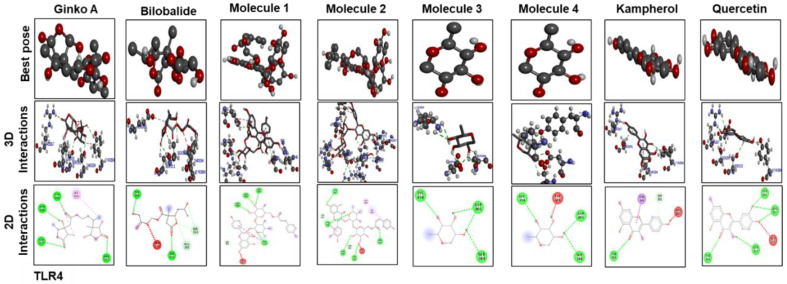
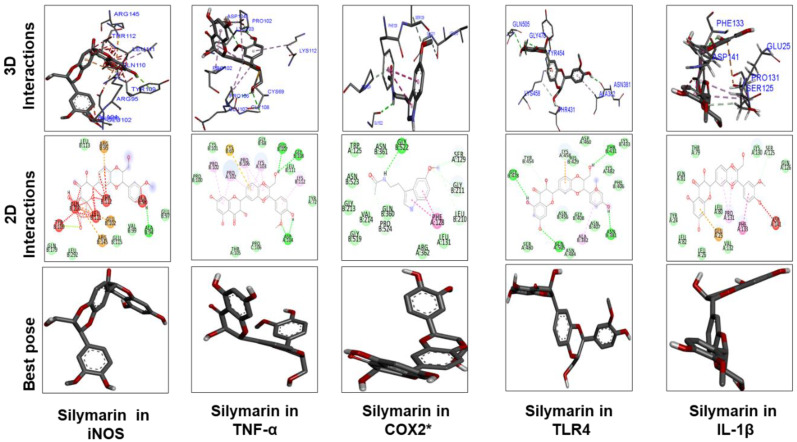
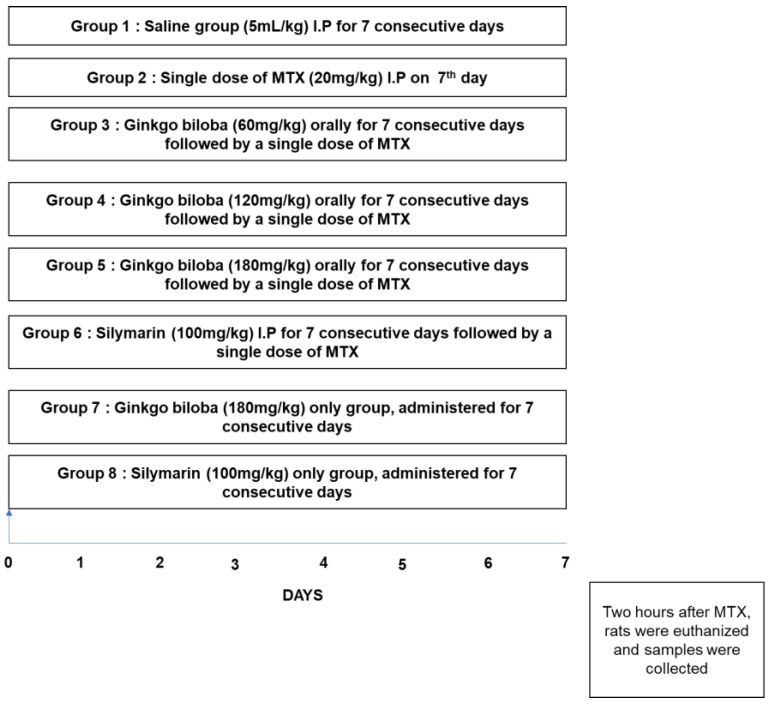
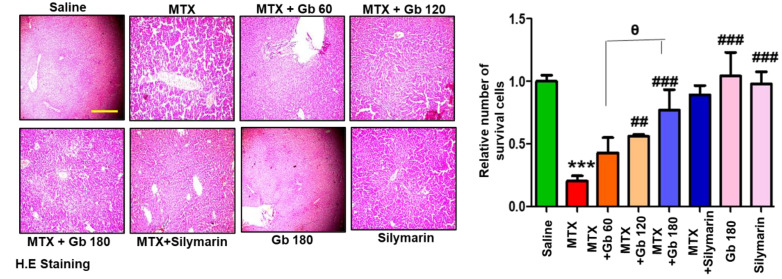
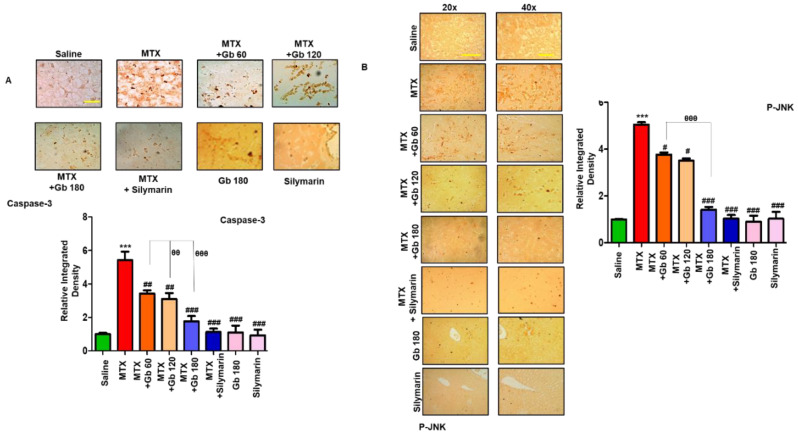
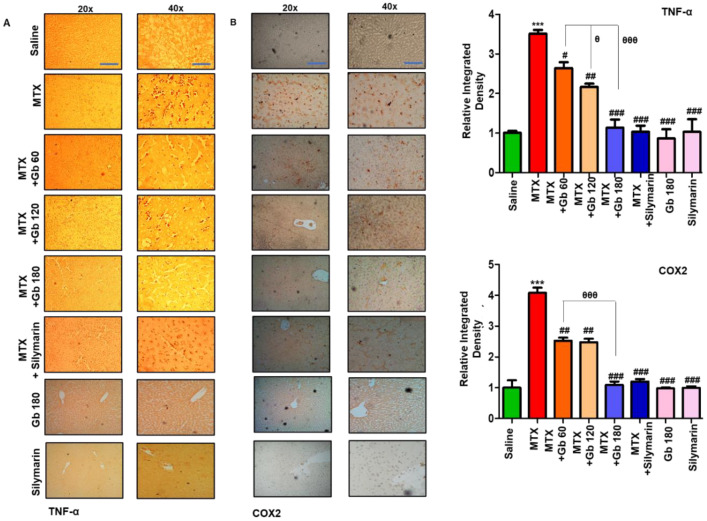
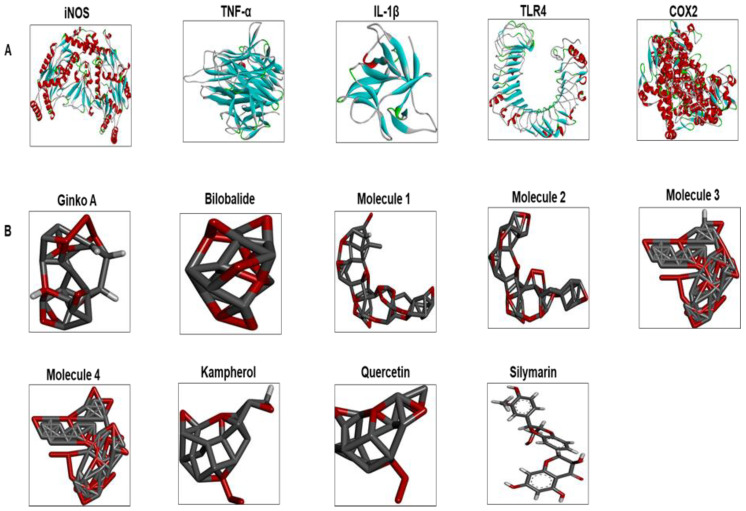
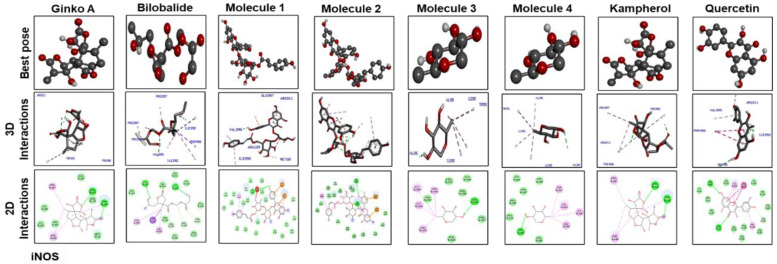
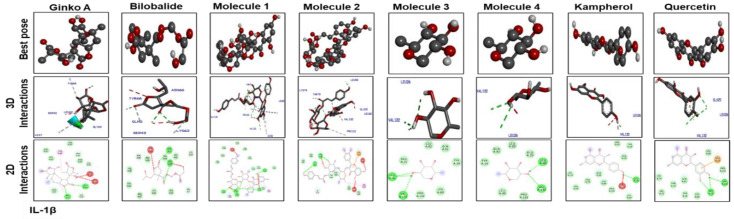
extract possess several promising biological activities; currently, it is clinically employed in the management of several diseases. This research work aimed to extrapolate the antioxidant and anti-inflammatory effects of (Gb) in methotrexate (MTX)-induced liver toxicity model. These effects were analyzed using different in vivo experimental approaches and by bioinformatics analysis. Male SD rats were grouped as follows: saline; MTX; Gb (pretreated for seven days with 60, 120, and 180 mg/kg daily dose before MTX treatment); silymarin (followed by MTX treatment); Gb 180 mg/kg daily only; and silymarin only. Histopathological results revealed that MTX induced marked hepatic injury, associated with a substantial surge in various hepatic enzymes such as alanine transaminase (ALT), aspartate transaminase (AST), and serum alkaline phosphatase (ALP). Furthermore, MTX caused the triggering of oxidative distress associated with a depressed antioxidant system. All these injury markers contributed to a significant release of apoptotic (caspase-3 and c-Jun N-terminal kinases (JNK)) and tumor necrosis factor (TNF-α)-like inflammatory mediators. Treatment with Gb counteracts MTX-mediated apoptosis and inflammation dose-dependently along with modulating the innate antioxidative mechanisms such as glutathione (GSH) and glutathione S-transferase (GST). These results were further supplemented by in silico study to analyze drug-receptor interactions (for several Gb constituents and target proteins) stabilized by a low energy value and with a good number of hydrogen bonds. These findings demonstrated that Gb could ameliorate MTX-induced elevated liver reactive oxygen species (ROS) and inflammation, possibly by JNK and TNF-α modulation
(Gb)具有多种有前途的生物活性;目前,它在多种疾病的治疗中得到临床应用。本研究旨在推断(Gb)在甲氨蝶呤(MTX)诱导的肝毒性模型中的抗氧化和抗炎作用。这些作用通过不同的体内实验方法和生物信息学分析进行了分析。雄性 SD 大鼠分为以下几组:生理盐水;MTX;Gb(在 MTX 处理前用 60、120 和 180mg/kg 每日剂量预处理七天);水飞蓟素(继 MTX 处理后);Gb 180mg/kg 每日仅;和水飞蓟素仅。组织病理学结果表明,MTX 诱导了明显的肝损伤,与各种肝酶如丙氨酸转氨酶(ALT)、天冬氨酸转氨酶(AST)和血清碱性磷酸酶(ALP)的大量激增有关。此外,MTX 引起了与抗氧化系统抑制相关的氧化应激触发。所有这些损伤标志物导致凋亡(caspase-3 和 c-Jun N-末端激酶(JNK))和肿瘤坏死因子(TNF-α)样炎症介质的显著释放。Gb 治疗以剂量依赖性方式拮抗 MTX 介导的凋亡和炎症,同时调节内源性抗氧化机制,如谷胱甘肽(GSH)和谷胱甘肽 S-转移酶(GST)。这些结果通过计算机模拟研究进一步得到补充,该研究分析了药物-受体相互作用(针对几种 Gb 成分和靶蛋白),这些相互作用由低能量值和大量氢键稳定。这些发现表明,Gb 可以改善 MTX 诱导的升高的肝脏活性氧(ROS)和炎症,可能通过 JNK 和 TNF-α 调节。