Department of Anesthesiology and Critical Care Medicine Johns Hopkins University, Baltimore, MD 21287, USA.
Department of Anesthesiology and Critical Care Medicine, Johns Hopkins University, Baltimore, MD 21287, USA.
Int J Mol Sci. 2020 May 30;21(11):3933. doi: 10.3390/ijms21113933.
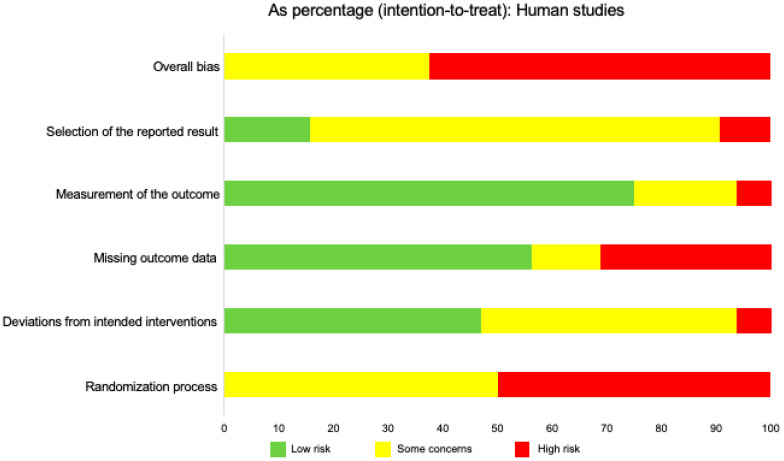
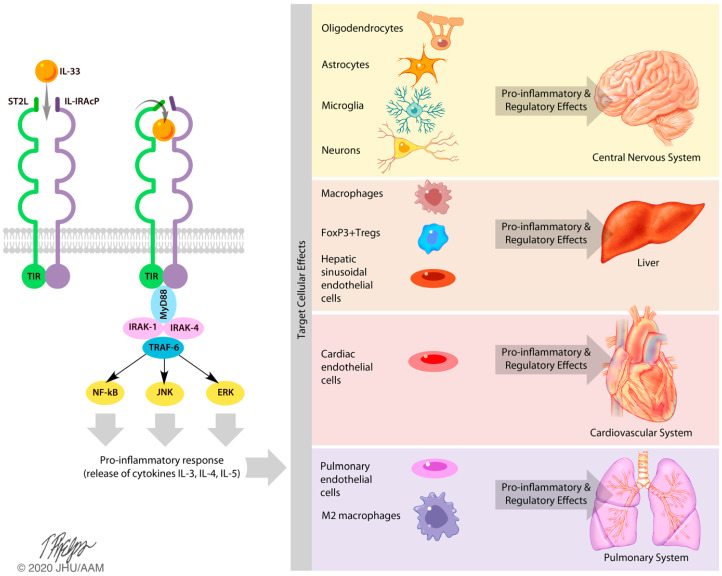
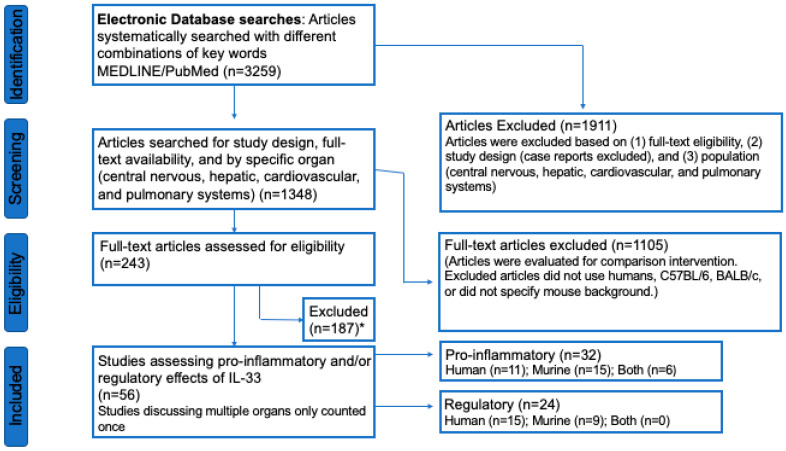
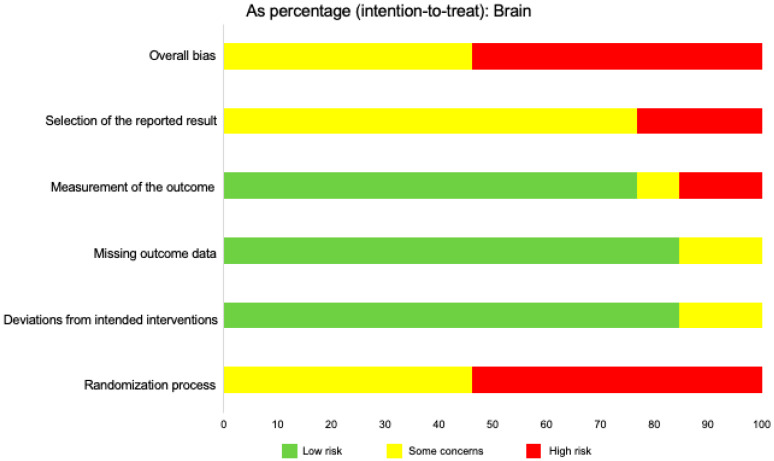
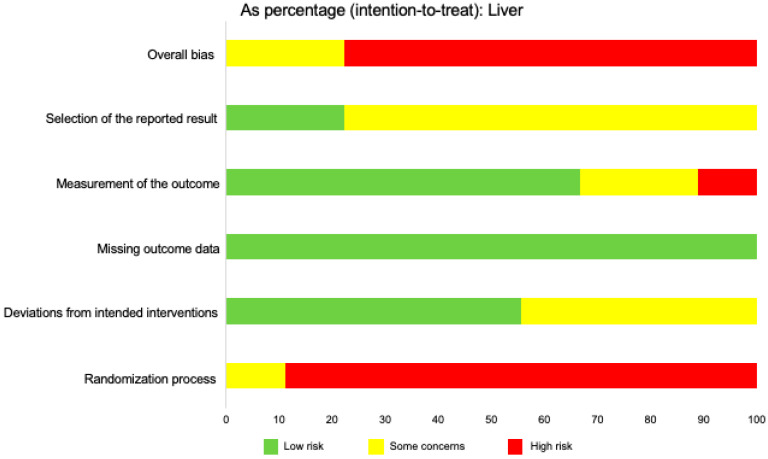
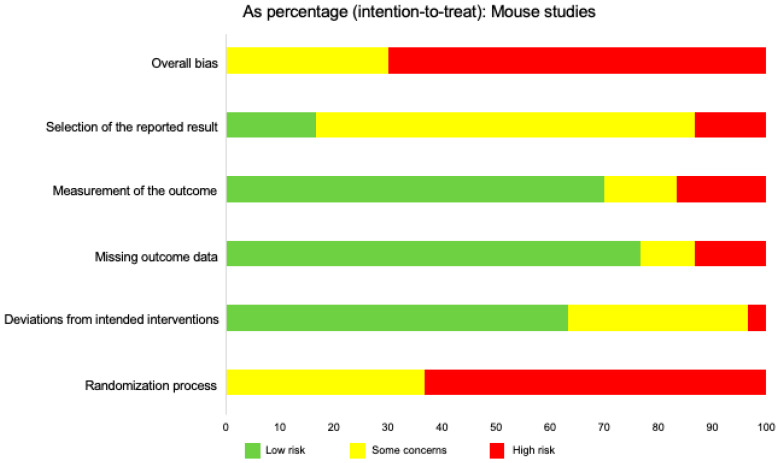
Interleukin (IL)-33 is a member of the IL-1 family of proteins that have multiple roles in organ-specific inflammation. Many studies suggest diagnostic and therapeutic implications of this cytokine. Many studies have reported pro-inflammatory roles for IL-33 in innate immune responses involving the heart and lung. Recent studies also describe pro-inflammatory and regulatory roles for IL-33 in the pathogenesis of brain and liver disorders in addition to regulatory roles for this cytokine in the heart and lung. In this focused systematic review, we will review the literature regarding pro-inflammatory and regulatory effects of IL-33 in the brain and liver. We will also assess the potential risk of bias in the published literature in order to uncover gaps in the knowledge that will be useful for the scientific community. We utilized guidelines set by preferred reporting items for systemic reviews and meta-analyses. The electronic database was PubMed. Eligibility criteria included organ-specific inflammation in mice and humans, organ-specific inflammation in the central nervous and hepatic systems, and IL-33. Outcomes were pro-inflammatory or regulatory effects of IL-33. Risk of bias in individual studies and across studies was addressed by adapting the Cochrane Rob 2.0 tool. We discovered that a source of bias across the studies was a lack of randomization in human studies. Additionally, because the majority of studies were performed in mice, this could be perceived as a potential risk of bias. Regarding the central nervous system, roles for IL-33 in the development and maturation of neuronal circuits were reported; however, exact mechanisms by which this occurred were not elucidated. IL-33 was produced by astrocytes and endothelial cells while IL-33 receptors were expressed by microglia and astrocytes, demonstrating that these cells are first responders for IL-33; however, in the CNS, IL-33 seems to induce Th1 cytokines such as IL-1β and TNF-α chemokines such as RANTES, MCP-1, MIP-1α, and IP-10, as well as nitric oxide. In the liver, similar risks of bias were determined because of the lack of randomized controlled trials in humans and because the majority of studies were performed in mice. Interestingly, the strain of mouse utilized in the study seemed to affect the role of IL-33 in liver inflammation. Lastly, similar to the brain, IL-33 appeared to have ST2-independent regulatory functions in the liver. Our results reveal plausible gaps in what is known regarding IL-33 in the pathogenesis of brain and liver disorders. We highlight key studies in the lung and heart as examples of advancements that likely occurred because of countless basic and translational studies in this area. More research is needed in these areas in order to assess the diagnostic or therapeutic potential of IL-33 in these disorders.
白细胞介素 (IL)-33 是白细胞介素 1 家族蛋白的成员,在器官特异性炎症中具有多种作用。许多研究表明这种细胞因子具有诊断和治疗意义。许多研究报告称,IL-33 在涉及心脏和肺部的先天免疫反应中具有促炎作用。最近的研究还描述了 IL-33 在脑和肝疾病发病机制中的促炎和调节作用,以及该细胞因子在心脏和肺部中的调节作用。在本次重点系统评价中,我们将回顾有关 IL-33 在大脑和肝脏中促炎和调节作用的文献。我们还将评估已发表文献中的潜在偏倚风险,以发现该领域知识中的空白,这些空白将对科学界有用。我们利用了系统评价和荟萃分析的首选报告项目制定的指南。电子数据库是 PubMed。入选标准包括在小鼠和人类中的器官特异性炎症、中枢神经系统和肝脏系统中的器官特异性炎症以及 IL-33。结果是 IL-33 的促炎或调节作用。通过改编 Cochrane Rob 2.0 工具来解决个别研究和跨研究的偏倚风险。我们发现,跨研究的一个偏倚来源是人类研究中缺乏随机分组。此外,由于大多数研究都是在小鼠中进行的,这可能被视为潜在的偏倚风险。关于中枢神经系统,据报道,IL-33 在神经元回路的发育和成熟中起作用;然而,其发生的确切机制尚未阐明。IL-33 由星形胶质细胞和内皮细胞产生,而 IL-33 受体则由小胶质细胞和星形胶质细胞表达,这表明这些细胞是 IL-33 的第一反应者;然而,在中枢神经系统中,IL-33 似乎诱导 Th1 细胞因子,如 IL-1β 和 TNF-α 趋化因子,如 RANTES、MCP-1、MIP-1α 和 IP-10,以及一氧化氮。在肝脏中,由于缺乏人类的随机对照试验,以及大多数研究都是在小鼠中进行的,因此也确定了类似的偏倚风险。有趣的是,研究中使用的小鼠品系似乎影响了 IL-33 在肝脏炎症中的作用。最后,与大脑类似,IL-33 似乎在肝脏中具有 ST2 非依赖性的调节功能。我们的结果揭示了有关 IL-33 在脑和肝疾病发病机制中的已知内容方面的明显差距。我们强调了肺和心脏中的关键研究,这些研究是该领域无数基础和转化研究进展的例证。为了评估 IL-33 在这些疾病中的诊断或治疗潜力,需要在这些领域进行更多的研究。