Department of Hepatobiliary and Pancreatic Surgery, Zhongnan Hospital of Wuhan University, Wuhan, 430071, Hubei Province, China.
J Exp Clin Cancer Res. 2020 Jun 1;39(1):97. doi: 10.1186/s13046-020-01603-0.
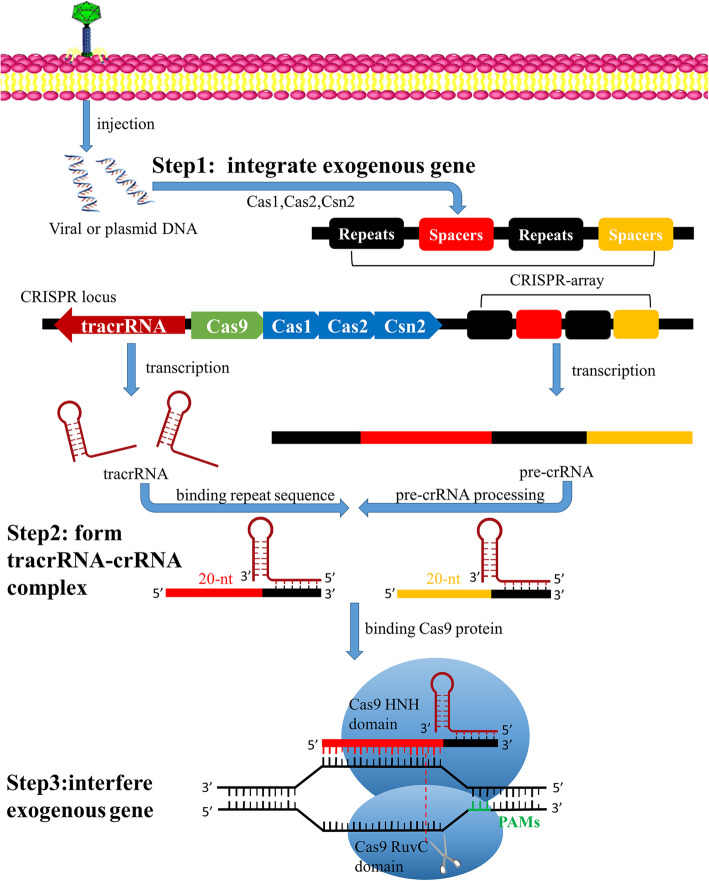
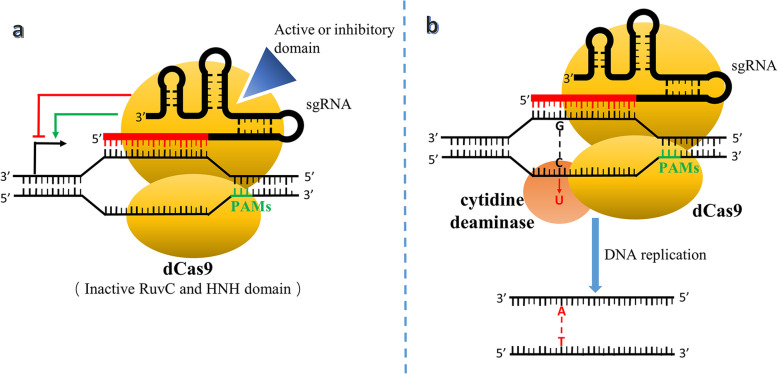
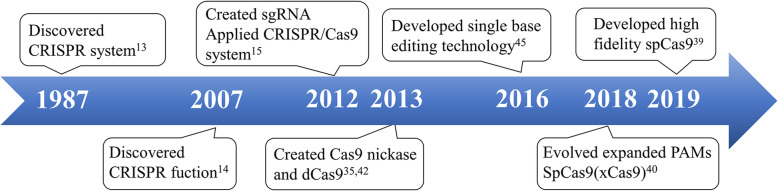
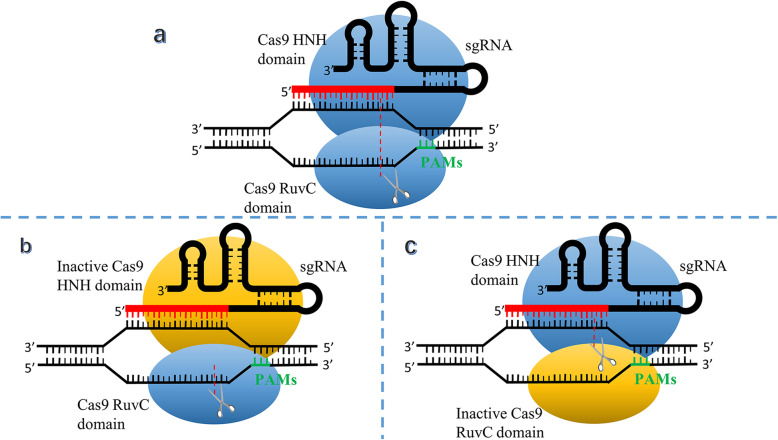
Hepatocellular carcinoma (HCC) is one of the most common malignancies today. Patients suffer from HCC since its high malignancy and limited treatment means. With the development of genetic research, new therapeutic strategy comes up in the way of gene editing. Clustered regularly interspaced short palindromic repeat/CRISPR-associated nuclease 9 (CRISPR/Cas9) was discovered as an immune sequence in bacteria and archaea. After artificial transformation and follow-up research, it is widely used as a gene editing tool. In this review, the development of CRISPR/Cas9 is summarized in retrospect. Through the evaluation of novel research in HCC, it is concluded that CRISPR/Cas9 would promote cancer research and provide a new tool for genetic treatment in prospect.
肝细胞癌(HCC)是当今最常见的恶性肿瘤之一。由于 HCC 的高度恶性和有限的治疗手段,患者深受其害。随着基因研究的发展,基因编辑为新的治疗策略开辟了道路。成簇规律间隔短回文重复/CRISPR 相关核酸酶 9(CRISPR/Cas9)在细菌和古菌中被发现是一种免疫序列。经过人工转化和后续研究,它被广泛用作基因编辑工具。在这篇综述中,我们回顾了 CRISPR/Cas9 的发展。通过对 HCC 新研究的评价,我们得出结论,CRISPR/Cas9 将促进癌症研究,并为未来的基因治疗提供新的工具。