Jonklaas Jacqueline, DeSale Sameer
Division of Endocrinology, Georgetown University, 4000 Reservoir Road, NW, Building D Suite 230, Washington, DC, USA.
Department of Biostatistics and Biomedical Informatics, MedStar Health Research Institute, Washington, DC, USA.
Ther Adv Endocrinol Metab. 2020 May 19;11:2042018820920551. doi: 10.1177/2042018820920551. eCollection 2020.
There has been a trend for increased prescribing of levothyroxine (LT4) in many countries, including the United States. Several different factors have been suggested to be the cause of this practice pattern. These factors include increased size of the United States population, more diagnosis of hypothyroidism, more treatment of minimally elevated thyroid-stimulating hormone (TSH) levels, more use of LT4 in older patients, and use of LT4 for treatment of euthyroid patients with non-thyroidal conditions.
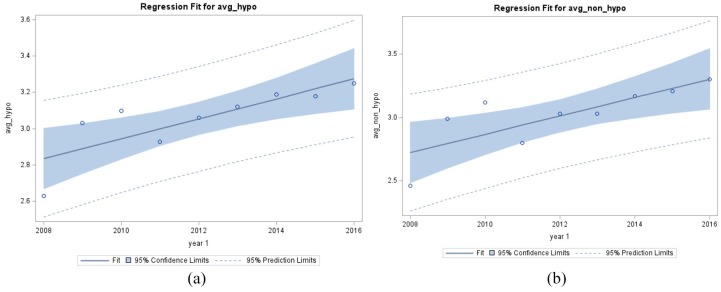
The electronic databases of the MedStar Health system operating in the Washington, DC and Maryland areas were interrogated to determine the number of patients who were being prescribed levothyroxine during the time period 2008-2016, the number of prescriptions supplied to these individuals, the associated diagnosis, and whether the prescriptions were new or existing prescriptions. Regression analyses were also performed to determine the prescribing trends during this time period.
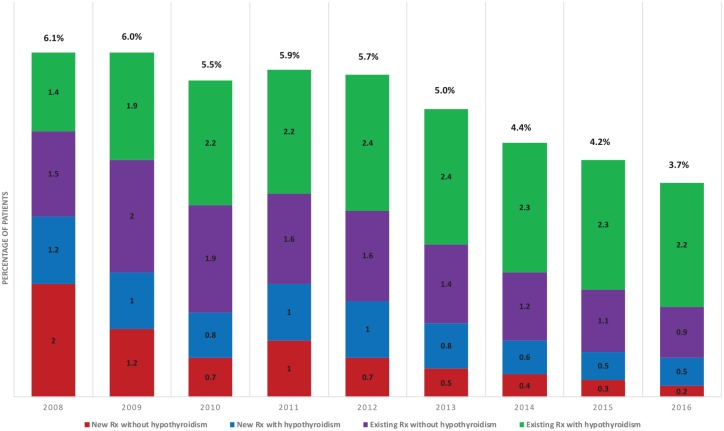
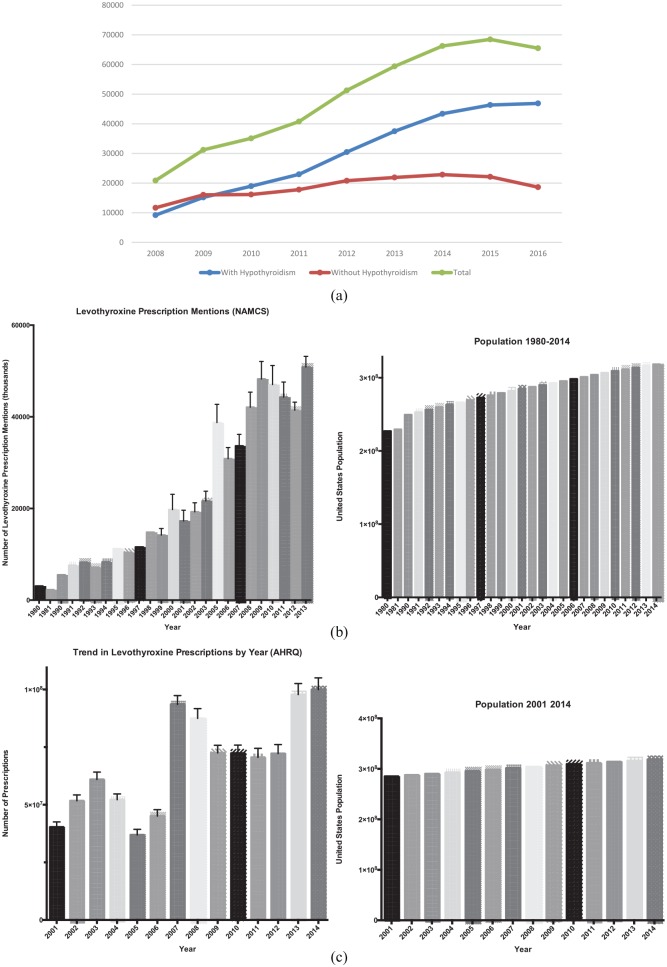
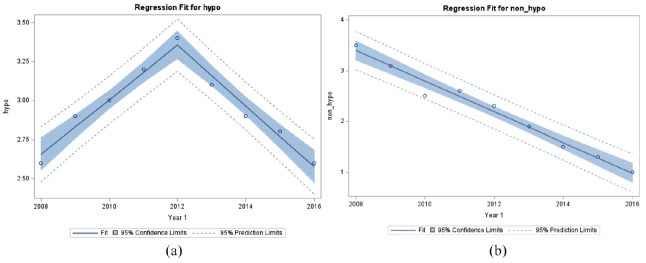
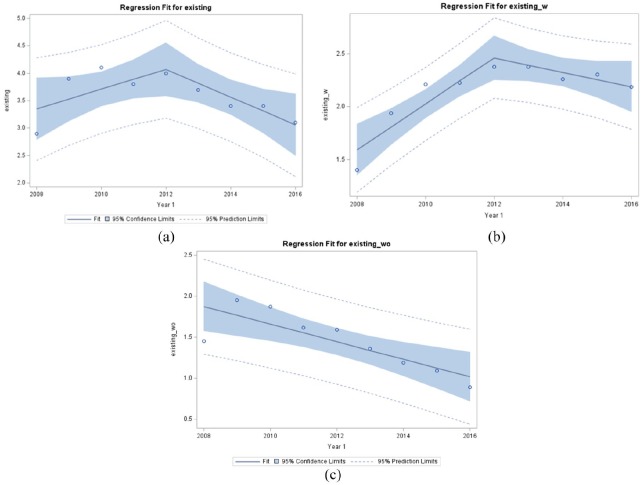
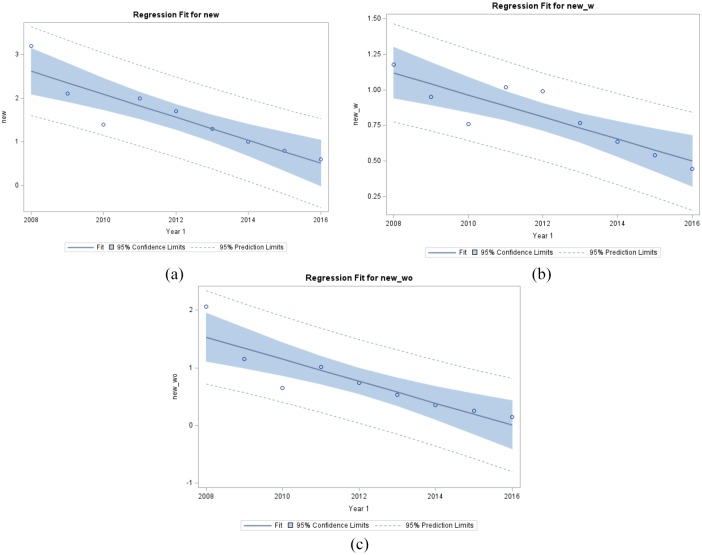
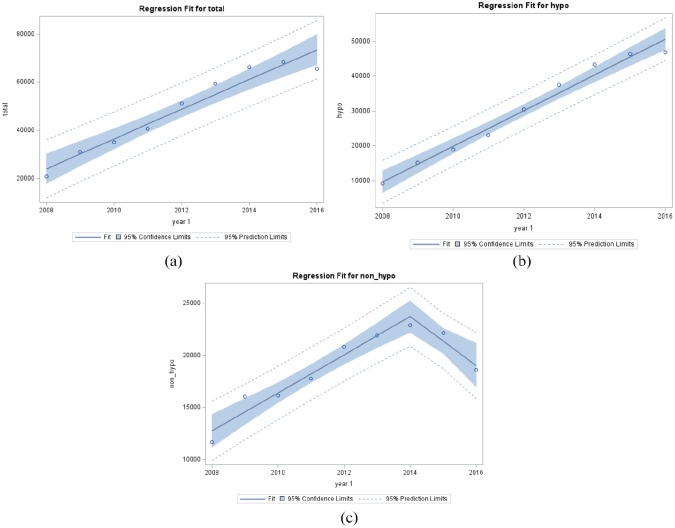
Although the annual number of levothyroxine prescriptions increased during this time period, the percentage of patients in the database receiving levothyroxine for hypothyroidism initially increased and then decreased over time (2.5% to 3.2% to 2.5%). The percentage of prescriptions written for patients who did not appear to carry a diagnosis of hypothyroidism steadily declined (3.5% to 1.0%). Although the percentage of patients with existing prescriptions for hypothyroidism initially increased and then were maintained at steady levels (1.4% to 2.4% to 2.2%), a smaller percentage of patients with existing prescriptions were documented over time when there was no diagnosis of hypothyroidism (1.45% to 0.89%). The percentage of patients with new prescriptions declined over time for all groups. The number of annual 90-day period prescriptions increased over the time for patients with a diagnosis of hypothyroidism, but down-trended starting over the latter part of the time period for those patients without a diagnosis of hypothyroidism.
Taken together, these data suggest that there may be a stabilization, and even a down-trend in levothyroxine prescribing with the MedStar system. The decrease in levothyroxine prescribing appears to be accounted for by less use of levothyroxine without an established diagnosis of hypothyroidism, and less initiation of new prescriptions.
在包括美国在内的许多国家,左甲状腺素(LT4)的处方量呈上升趋势。有几种不同因素被认为是这种用药模式的原因。这些因素包括美国人口规模增加、甲状腺功能减退症诊断增多、对甲状腺刺激激素(TSH)水平轻度升高的治疗增多、老年患者中LT4使用增多以及LT4用于治疗非甲状腺疾病的甲状腺功能正常患者。
对在华盛顿特区和马里兰州地区运营的MedStar Health系统的电子数据库进行查询,以确定2008年至2016年期间开具左甲状腺素的患者数量、提供给这些个体的处方数量、相关诊断以及处方是新处方还是现有处方。还进行了回归分析以确定该时间段内的处方趋势。
尽管在此期间左甲状腺素处方的年数量增加,但数据库中因甲状腺功能减退症接受左甲状腺素治疗的患者百分比最初增加,随后随时间下降(从2.5%增至3.2%,再降至2.5%)。为未确诊甲状腺功能减退症患者开具的处方百分比稳步下降(从3.5%降至1.0%)。虽然患有甲状腺功能减退症现有处方的患者百分比最初增加,随后维持在稳定水平(从1.4%增至2.4%,再降至2.2%),但随着时间推移,在未确诊甲状腺功能减退症的情况下,记录的现有处方患者百分比变小(从1.45%降至0.89%)。所有组新处方患者的百分比随时间下降。确诊甲状腺功能减退症患者的年度90天处方数量随时间增加,但未确诊甲状腺功能减退症的患者从该时间段后期开始呈下降趋势。
综合来看,这些数据表明MedStar系统的左甲状腺素处方可能趋于稳定,甚至呈下降趋势。左甲状腺素处方量的减少似乎是由于未确诊甲状腺功能减退症时左甲状腺素使用减少以及新处方起始量减少。