School of Pharmacy, Chengdu University of Traditional Chinese Medicine, Key Laboratory of Standardization for Chinese Herbal Medicine, Ministry of Education, National Key Laboratory Breeding Base of Systematic Research, Development and Utilization of Chinese Medicine Resources, Chengdu, 611137, China.
J Neuroinflammation. 2020 Jun 3;17(1):173. doi: 10.1186/s12974-020-01855-9.
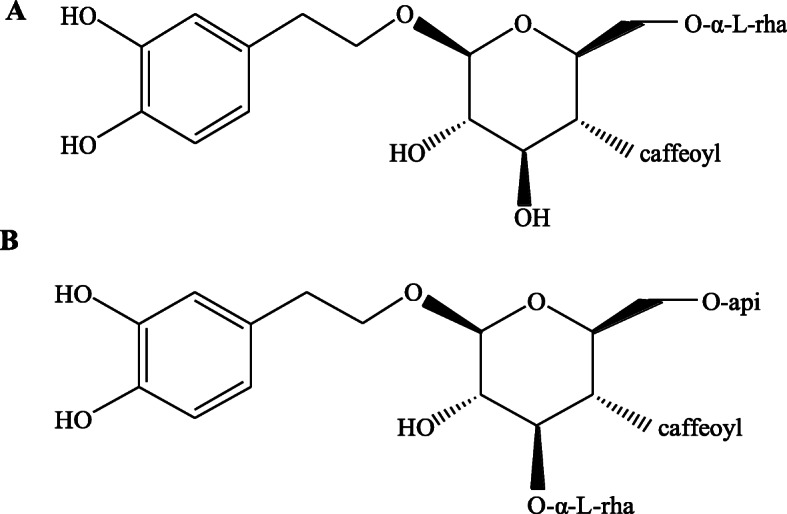
Inflammation is a general pathological phenomenon during severe disturbances to the homeostasis. Forsythiaside A (FA) and forsythiaside B (FB), isolated from the dried fruit of Forsythia suspensa (Thunb.) Vahl, are phenylethanoid compounds that show a significant anti-inflammatory effect. However, the properties and therapeutic mechanisms of this effect have not yet been systematically elucidated.
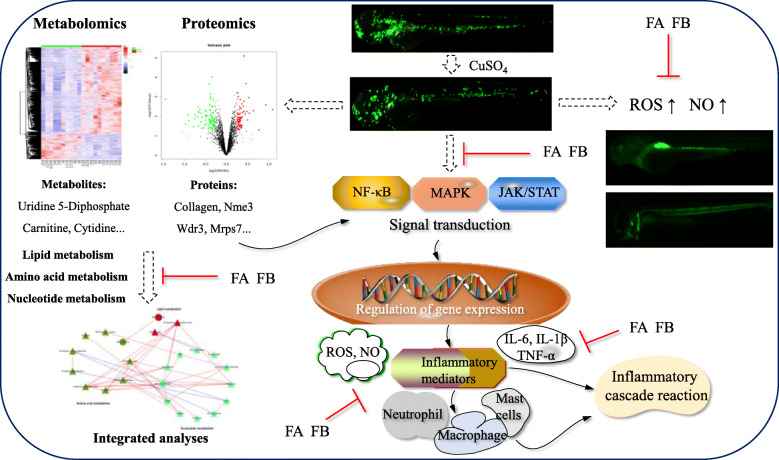
In this study, the anti-inflammatory effects of FA and FB were investigated in CuSO-induced inflammation in zebrafish larvae. Intracellular generation of reactive oxygen species (ROS) and nitric oxide (NO) was investigated using fluorescence probes. Metabolomic and proteomic analyses using liquid chromatography-mass spectrometry were carried out to identify the expressions of metabolites and proteins associated with the anti-inflammatory mechanism of FA and FB. Quantitative polymerase chain reaction (PCR) was performed to detect the progressive changes in gene expression.
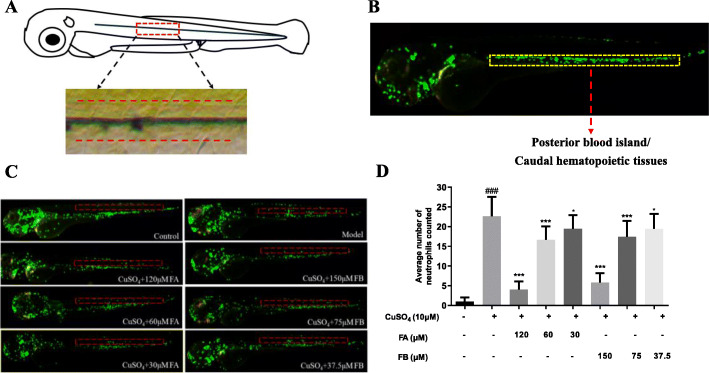
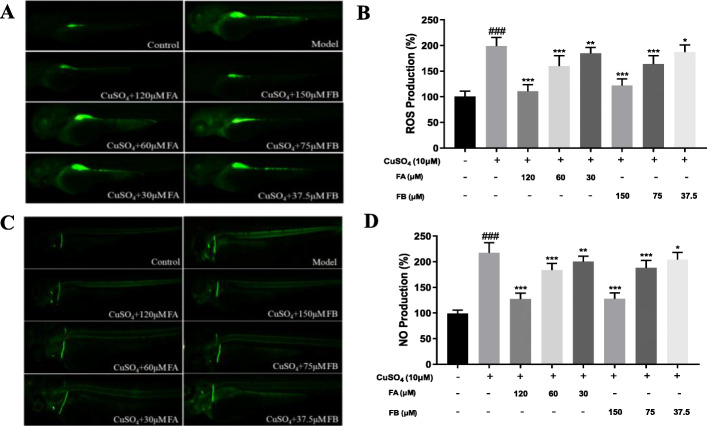
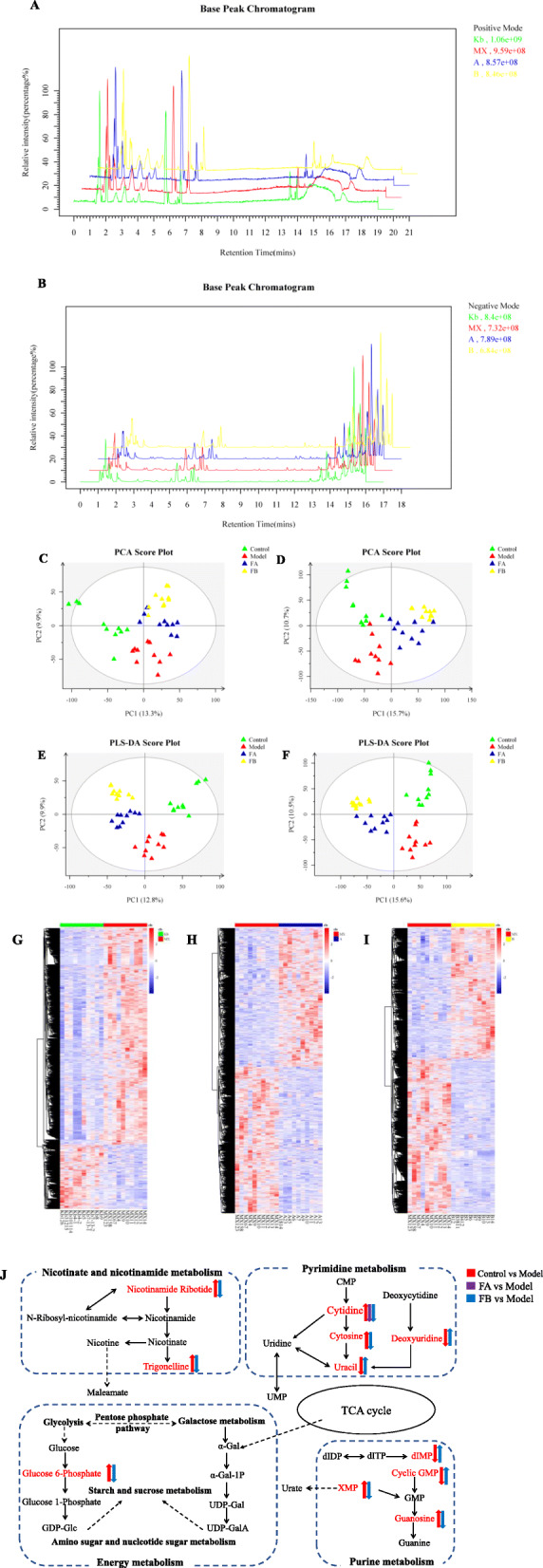
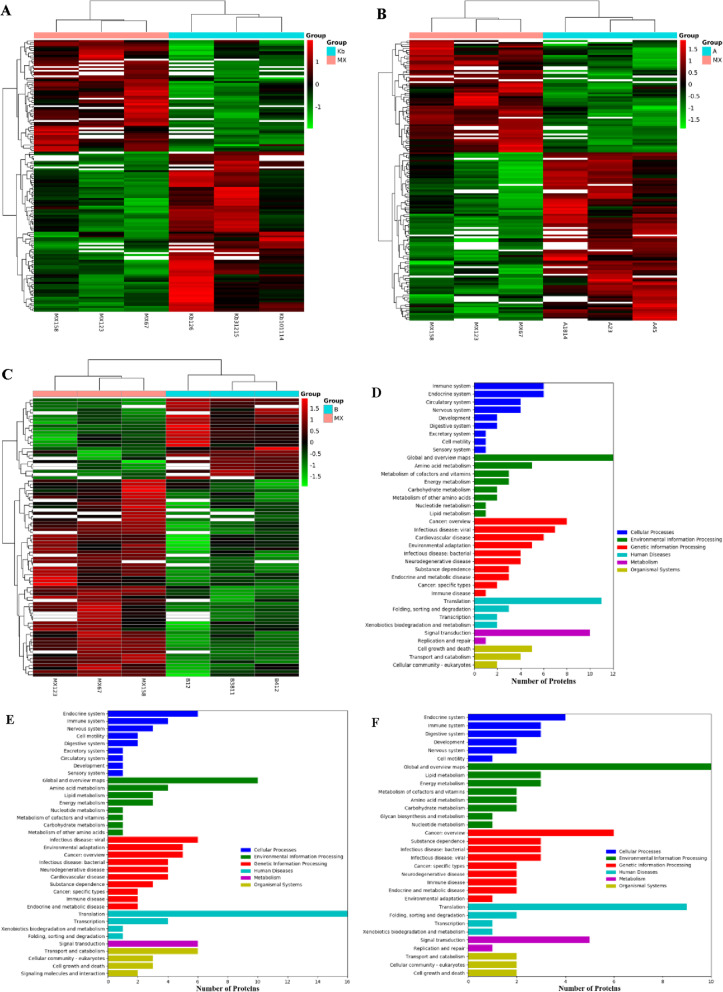
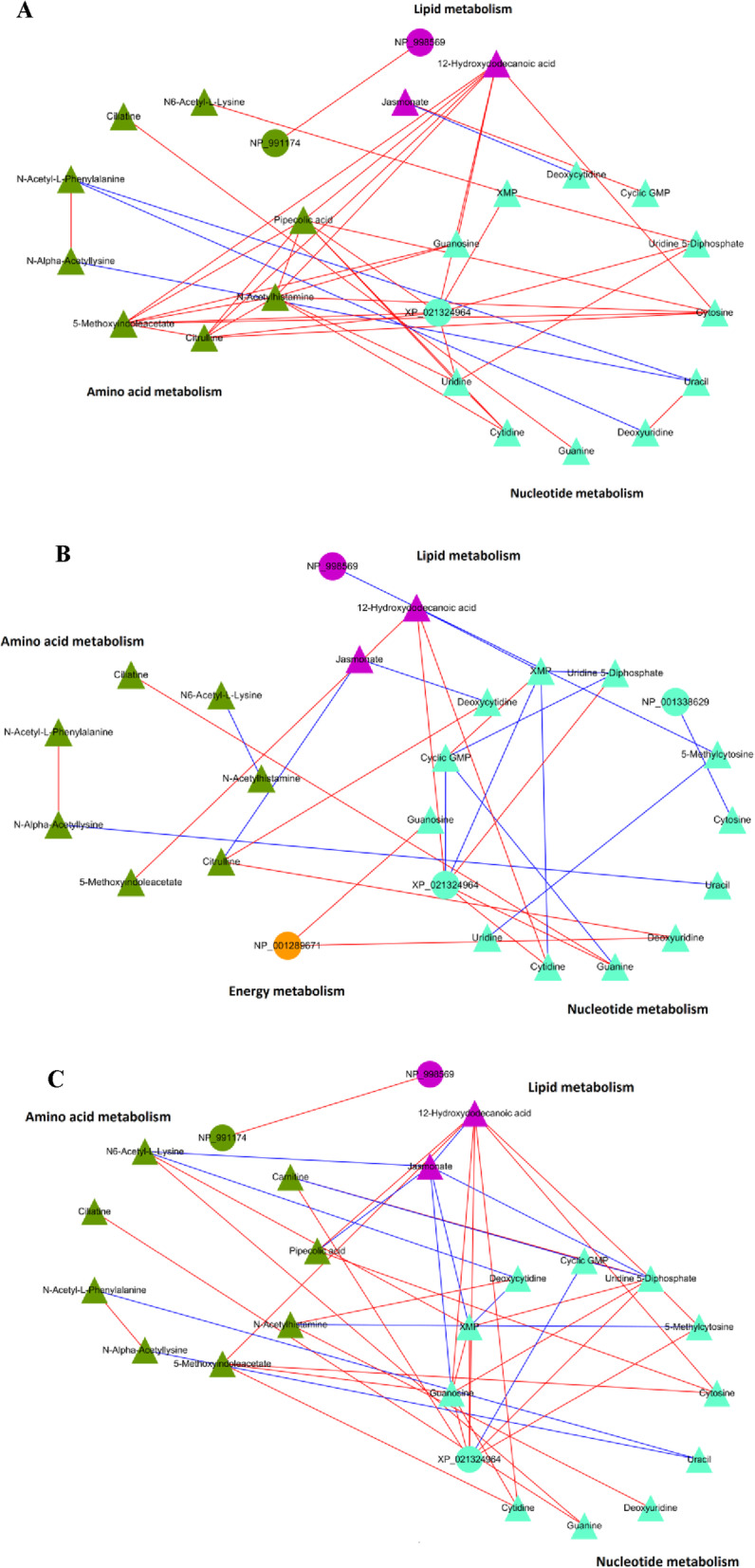
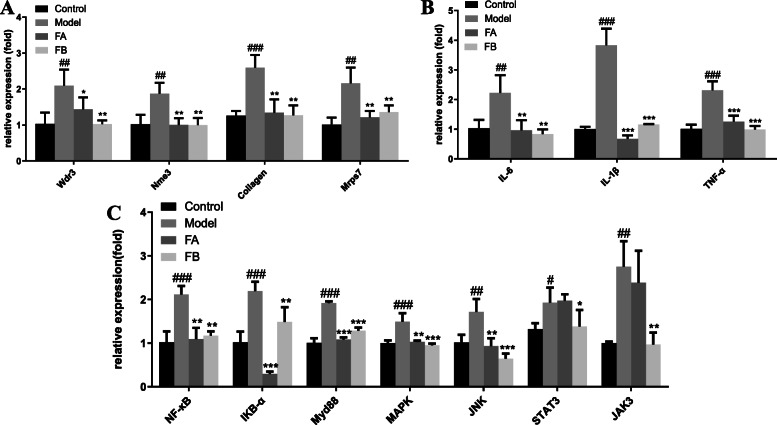
FA and FB inhibited neutrophils migration to the damaged neuromasts and remarkably reduced CuSO-induced ROS and NO generation in zebrafish larvae. Metabolomic analysis pointed to the involvement of nicotinate and nicotinamide metabolism, energy metabolism, pyrimidine metabolism, and purine metabolism. Proteomic analysis identified 146 differentially expressed proteins between the control and model groups. These included collagen [collagen type II alpha 1b precursor (col2a1b), collagen alpha-2(IX) chain precursor (col9a2), collagen type IX alpha I precursor (col9a1b)], nucleoside diphosphate kinase 3 isoform X1 (Nme3), WD repeat-containing protein 3 (Wdr3), and 28S ribosomal protein S7 mitochondrial precursor (Mrps7). FA and FB were shown to reverse the abnormal expressions of potential metabolite and protein biomarkers and alleviate CuSO-induced damage to the neuromasts in the zebrafish lateral line.
Our results indicate that FA and FB possess remarkable anti-inflammatory properties, protecting against CuSO-induced neuromasts damage in zebrafish larvae. The results also suggest a multi-component and multi-regulatory therapeutic mechanism for FA and FB.
炎症是严重干扰内环境平衡时的一种普遍病理现象。连翘酯苷 A(FA)和连翘酯苷 B(FB)是从连翘(Thunb.)Vahl 的干燥果实中分离得到的苯乙醇苷类化合物,具有显著的抗炎作用。然而,这种作用的性质和治疗机制尚未得到系统阐明。
本研究采用硫酸铜诱导斑马鱼幼鱼炎症模型,研究 FA 和 FB 的抗炎作用。采用荧光探针研究细胞内活性氧(ROS)和一氧化氮(NO)的产生。采用液相色谱-质谱联用技术进行代谢组学和蛋白质组学分析,鉴定与 FA 和 FB 抗炎机制相关的代谢物和蛋白质的表达。采用定量聚合酶链反应(PCR)检测基因表达的渐进变化。
FA 和 FB 抑制中性粒细胞向受损感觉上皮迁移,并显著减少硫酸铜诱导的斑马鱼幼鱼 ROS 和 NO 的产生。代谢组学分析表明,烟酸和烟酰胺代谢、能量代谢、嘧啶代谢和嘌呤代谢参与其中。蛋白质组学分析鉴定出对照组和模型组之间有 146 个差异表达蛋白。这些蛋白包括胶原蛋白[胶原 II 型 α1b 前体(col2a1b)、胶原 α-2(IX)链前体(col9a2)、胶原 IX 型 α1 前体(col9a1b)]、核苷二磷酸激酶 3 同工型 X1(Nme3)、WD 重复蛋白 3(Wdr3)和 28S 核糖体蛋白 S7 线粒体前体(Mrps7)。FA 和 FB 能逆转潜在代谢物和蛋白生物标志物的异常表达,并减轻硫酸铜诱导的斑马鱼侧线感觉上皮损伤。
本研究结果表明,FA 和 FB 具有显著的抗炎作用,可保护硫酸铜诱导的斑马鱼幼鱼感觉上皮损伤。研究结果还表明,FA 和 FB 具有多成分、多调节的治疗机制。