Division of Immunobiology and Center for Systems Immunology, Cincinnati Children's Hospital Medical Center, Cincinnati, OH, USA.
Molecular and Developmental Biology Graduate Program, Cincinnati Children's Hospital Medical Center, Cincinnati, OH, USA.
Nature. 2020 Jun;582(7810):109-114. doi: 10.1038/s41586-020-2227-7. Epub 2020 Apr 22.
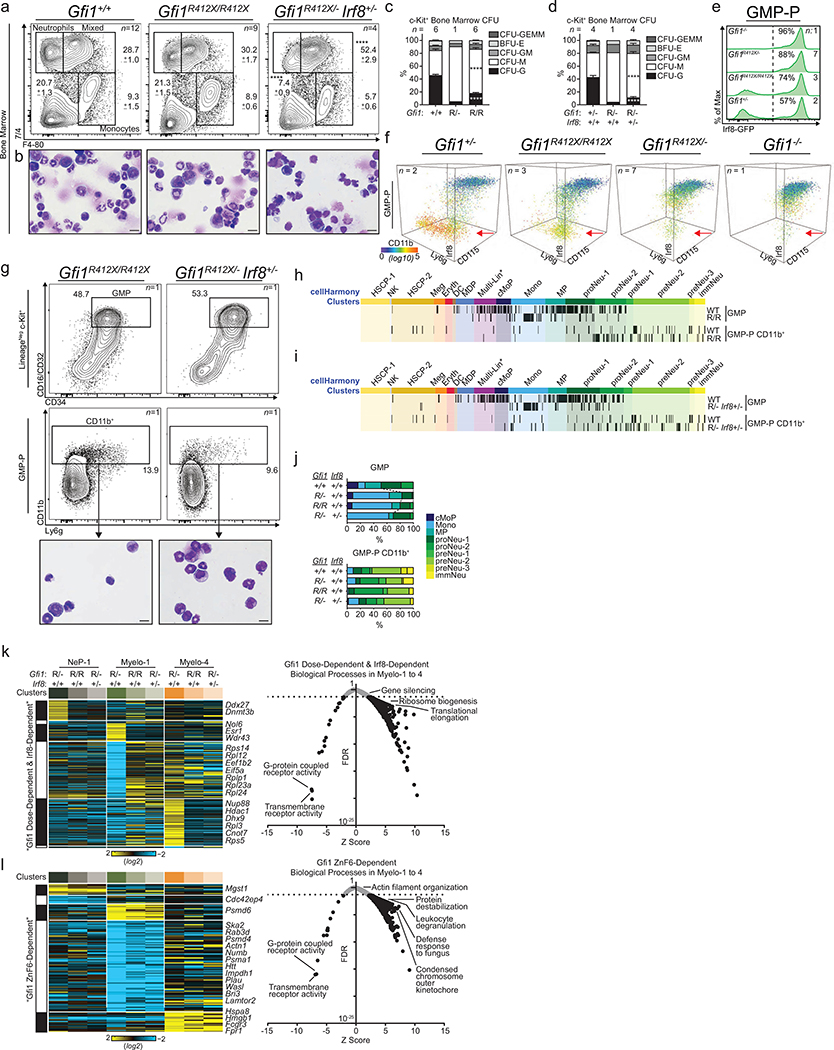
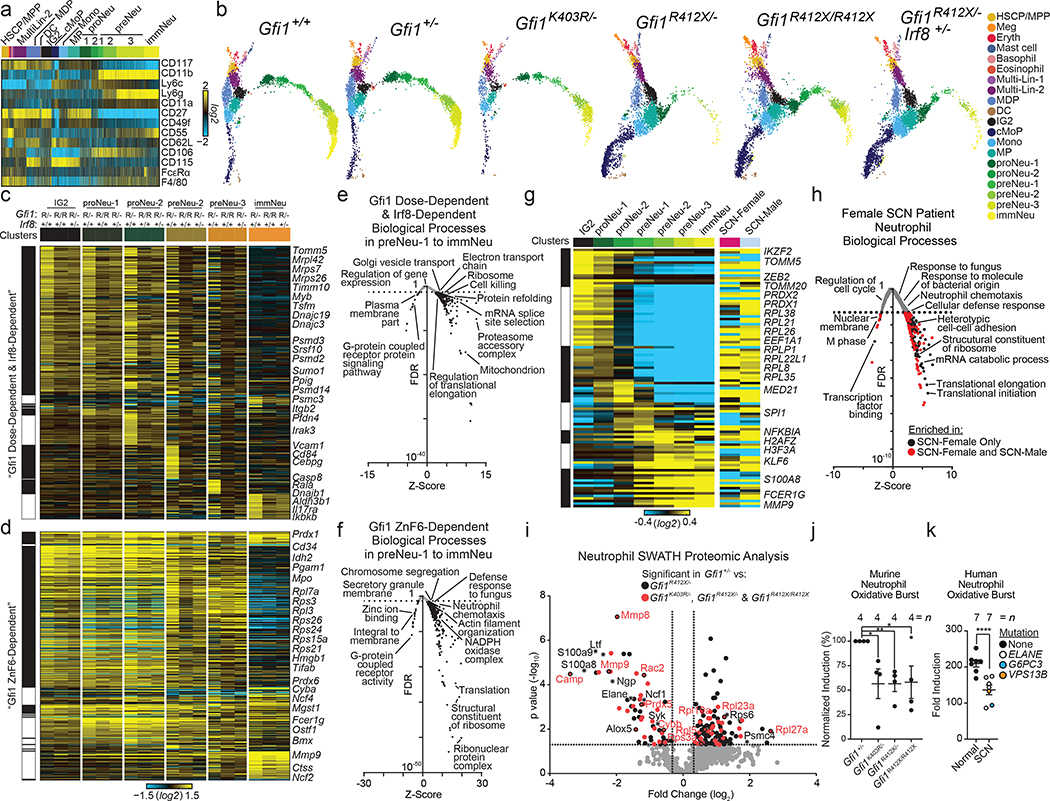
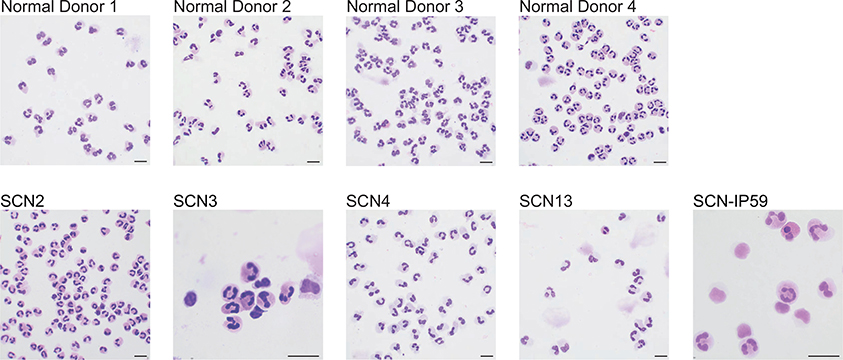
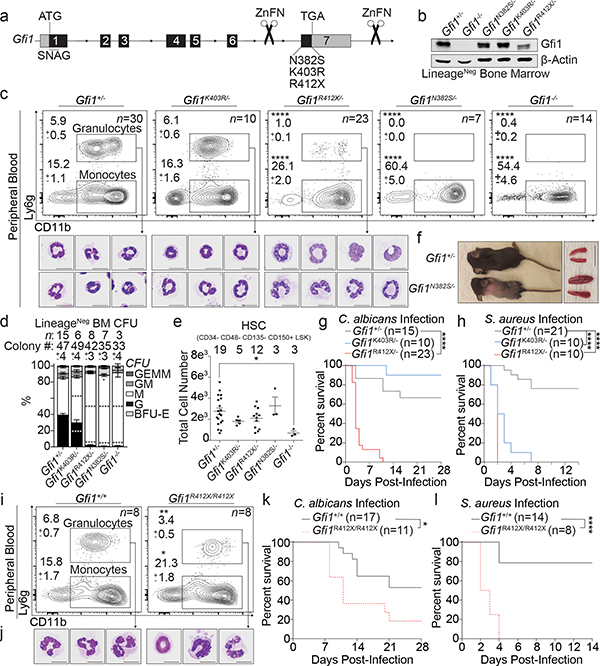
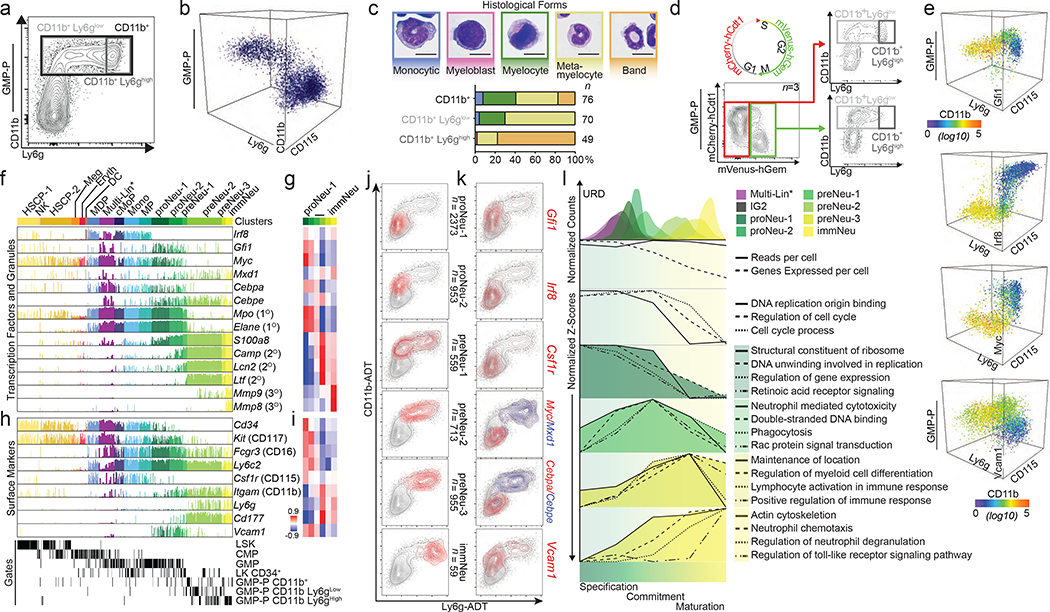
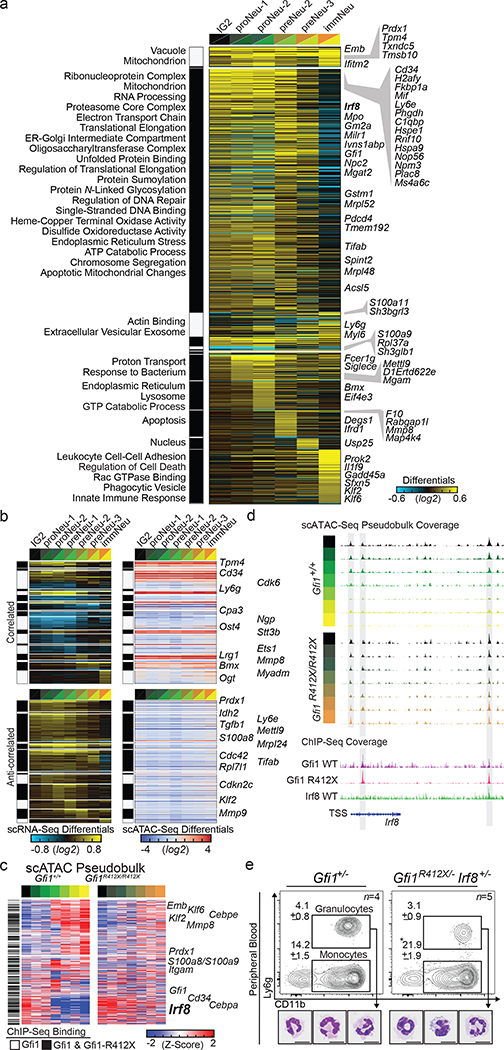
Advances in genetics and sequencing have identified a plethora of disease-associated and disease-causing genetic alterations. To determine causality between genetics and disease, accurate models for molecular dissection are required; however, the rapid expansion of transcriptional populations identified through single-cell analyses presents a major challenge for accurate comparisons between mutant and wild-type cells. Here we generate mouse models of human severe congenital neutropenia (SCN) using patient-derived mutations in the GFI1 transcription factor. To determine the effects of SCN mutations, we generated single-cell references for granulopoietic genomic states with linked epitopes, aligned mutant cells to their wild-type equivalents and identified differentially expressed genes and epigenetic loci. We find that GFI1-target genes are altered sequentially, as cells go through successive states of differentiation. These insights facilitated the genetic rescue of granulocytic specification but not post-commitment defects in innate immune effector function, and underscore the importance of evaluating the effects of mutations and therapy within each relevant cell state.
遗传学和测序技术的进步已经确定了大量与疾病相关和致病的遗传改变。为了确定遗传与疾病之间的因果关系,需要有用于分子剖析的精确模型;然而,通过单细胞分析鉴定的转录组的快速扩张,对突变体和野生型细胞之间的准确比较提出了重大挑战。在这里,我们使用 GFI1 转录因子中的患者来源突变,生成了人类严重先天性中性粒细胞减少症(SCN)的小鼠模型。为了确定 SCN 突变的影响,我们针对具有连锁表位的粒状细胞生成了单细胞参考基因组状态,并将突变细胞与其野生型对应物进行了对齐,以鉴定差异表达的基因和表观遗传基因座。我们发现,随着细胞经历连续的分化状态,GFI1 靶基因依次发生改变。这些见解促进了粒细胞特异性的遗传挽救,但不能挽救先天免疫效应功能的后期承诺缺陷,并强调了在每个相关细胞状态下评估突变和治疗效果的重要性。