Hsiao Mindy, Tatishchev Sergei, Khedro Tarek, Yaghmour Bassam, O'Connell Casey, Yaghmour George
Division of Hematology, University of Southern California, Norris Comprehensive Cancer Center, Los Angeles, CA 90033, USA.
Department of Medicine, Department of Pathology, University of Southern California, Norris Comprehensive Cancer Center, Los Angeles, CA 90033, USA.
World J Oncol. 2020 Jun;11(3):112-115. doi: 10.14740/wjon1263. Epub 2020 May 14.
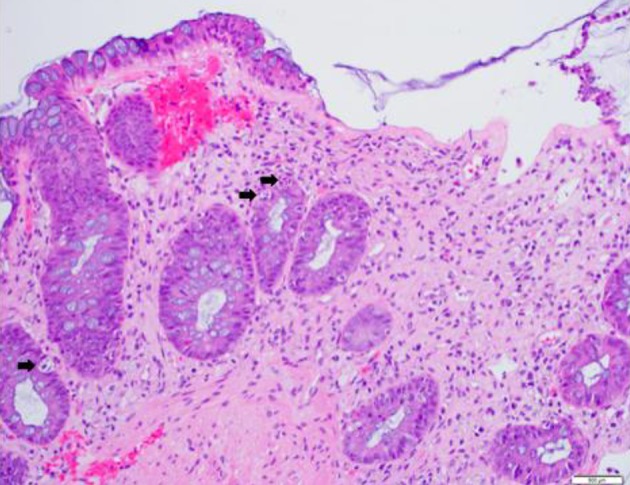
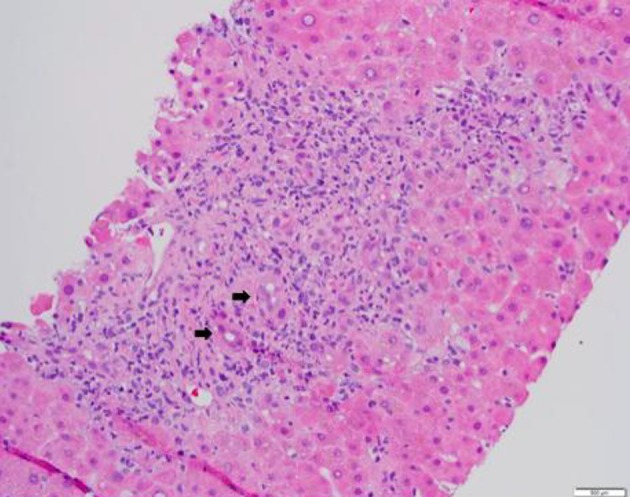
Checkpoint inhibitors have become a widely used and available immunotherapy option for treating a variety of malignancies, including hematological malignancies. Patients receiving these therapies may go on to receive a curative allogeneic hematopoietic stem cell transplant (allo-HSCT). This presents a clinical challenge as the safety and efficacy of HSCT is not well reported in this subset of patients and residual programmed death-ligand 1 inhibition could potentially enhance allogeneic T-cell responses, improving the graft-versus-tumor effect, but also increasing the incidence and severity of immune complications such as graft-versus-host disease (GVHD). Here, this report includes a detailed literature review summarizing all available data on HSCT outcomes in the setting of using checkpoint inhibitor therapy pre-transplant. Moreover, we report a case of acute GVHD after allo-HSCT in a patient with high-risk myelodysplastic syndrome who received prior atezolizumab therapy, highlighting the importance of further research into this specific population in order to improve transplant-related outcomes.
检查点抑制剂已成为一种广泛应用且可获得的免疫疗法,用于治疗包括血液系统恶性肿瘤在内的多种恶性肿瘤。接受这些疗法的患者可能会继续接受根治性异基因造血干细胞移植(allo-HSCT)。这带来了一个临床挑战,因为HSCT在这类患者中的安全性和疗效尚未得到充分报道,而残留的程序性死亡配体1抑制可能会增强异基因T细胞反应,改善移植物抗肿瘤效应,但也会增加免疫并发症(如移植物抗宿主病(GVHD))的发生率和严重程度。在此,本报告包括一项详细的文献综述,总结了移植前使用检查点抑制剂治疗情况下HSCT结果的所有可用数据。此外,我们报告了1例高危骨髓增生异常综合征患者在接受阿替利珠单抗治疗后进行allo-HSCT后发生急性GVHD的病例,强调了对这一特定人群进行进一步研究以改善移植相关结果的重要性。