Lunenfeld-Tanenbaum Research Institute, Mount Sinai Hospital, Toronto, Ontario, Canada.
Princess Margaret Cancer Centre, University Health Network, Toronto, Ontario, Canada.
J Cell Biol. 2020 Jul 6;219(7). doi: 10.1083/jcb.201908132.
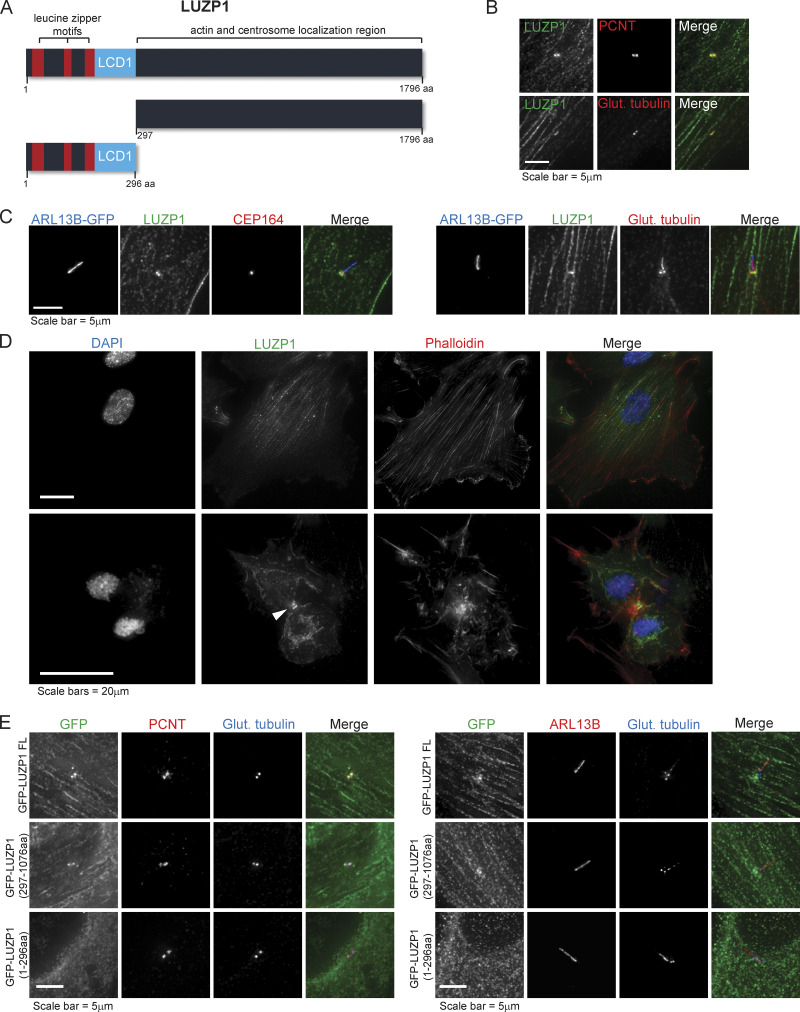
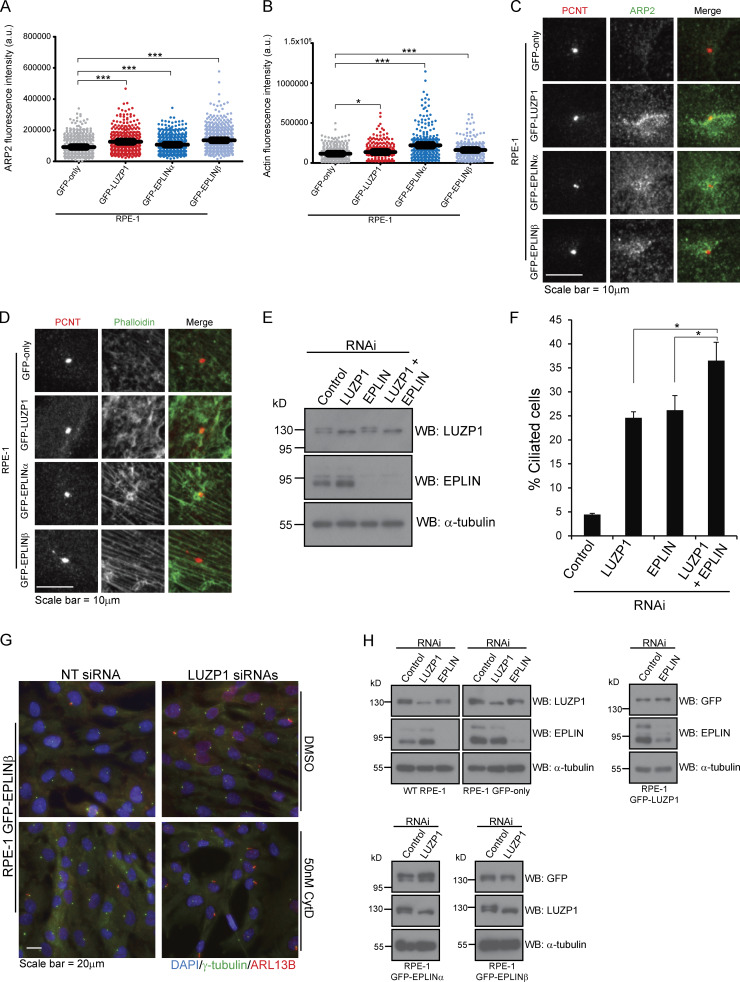
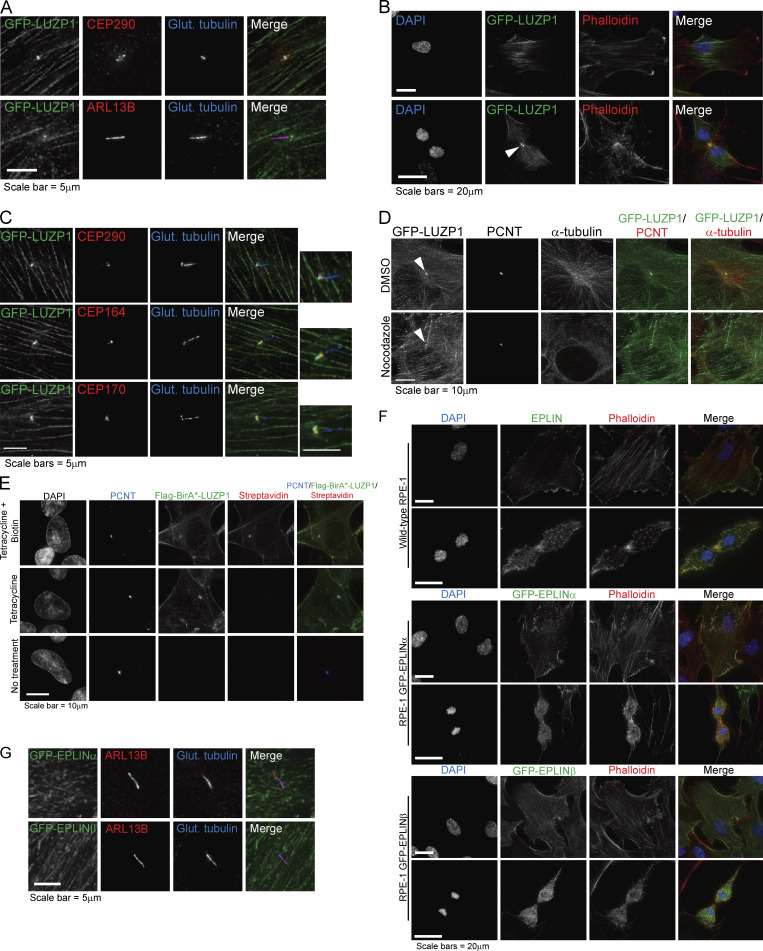
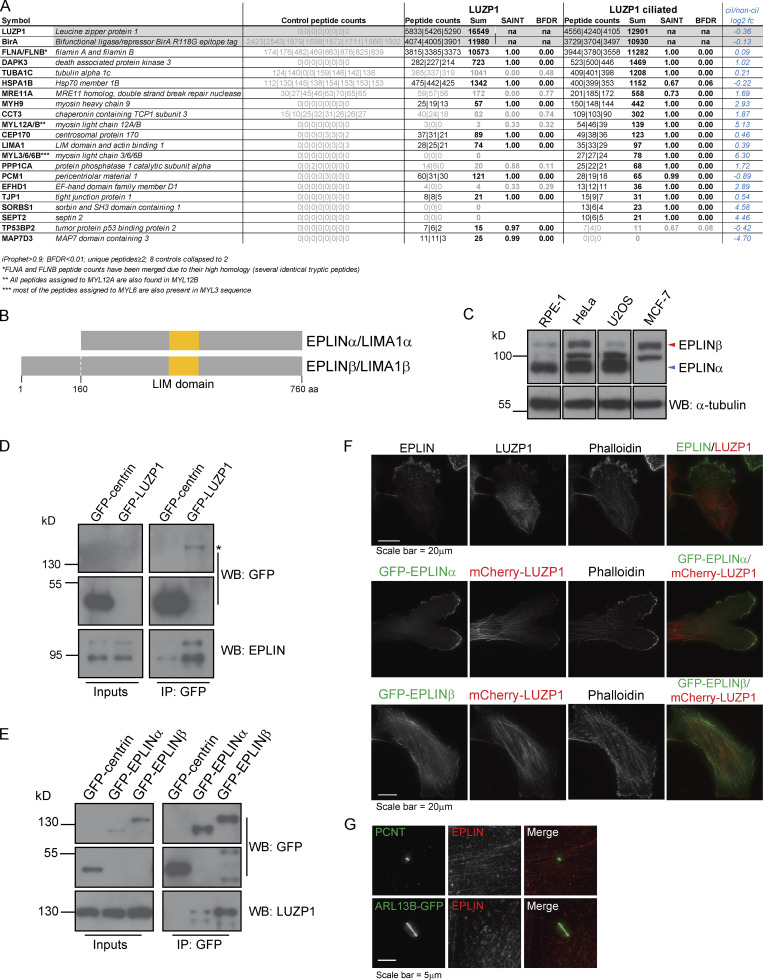
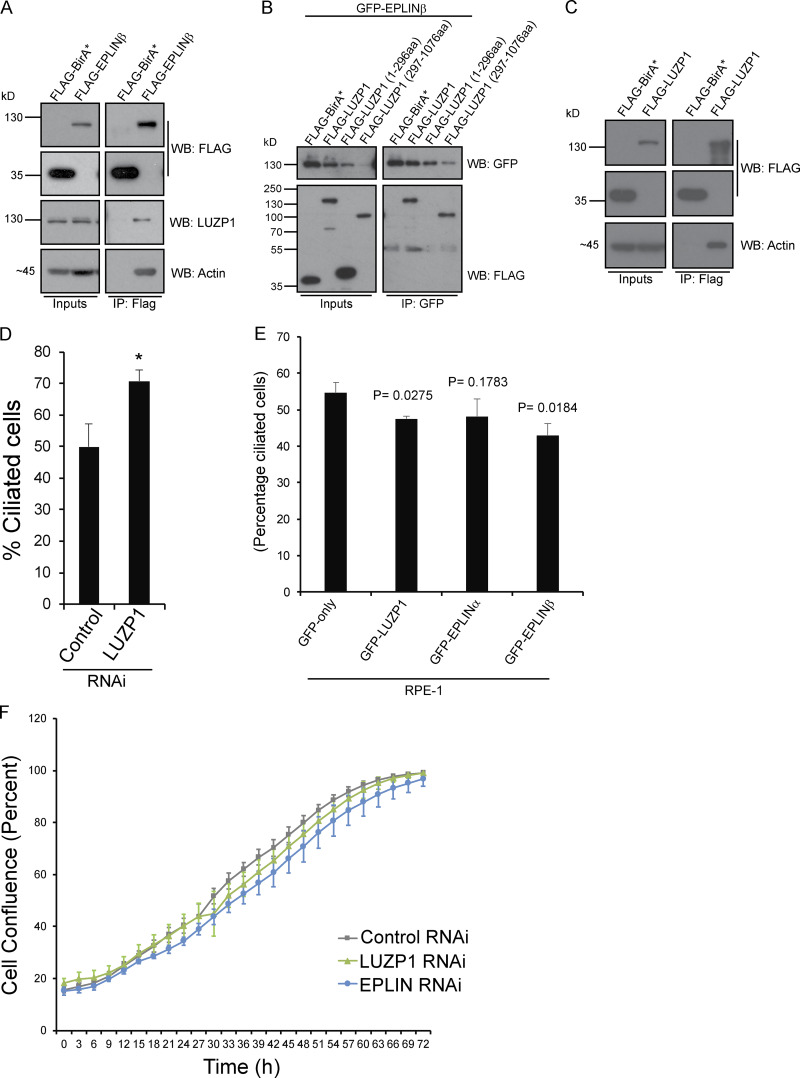
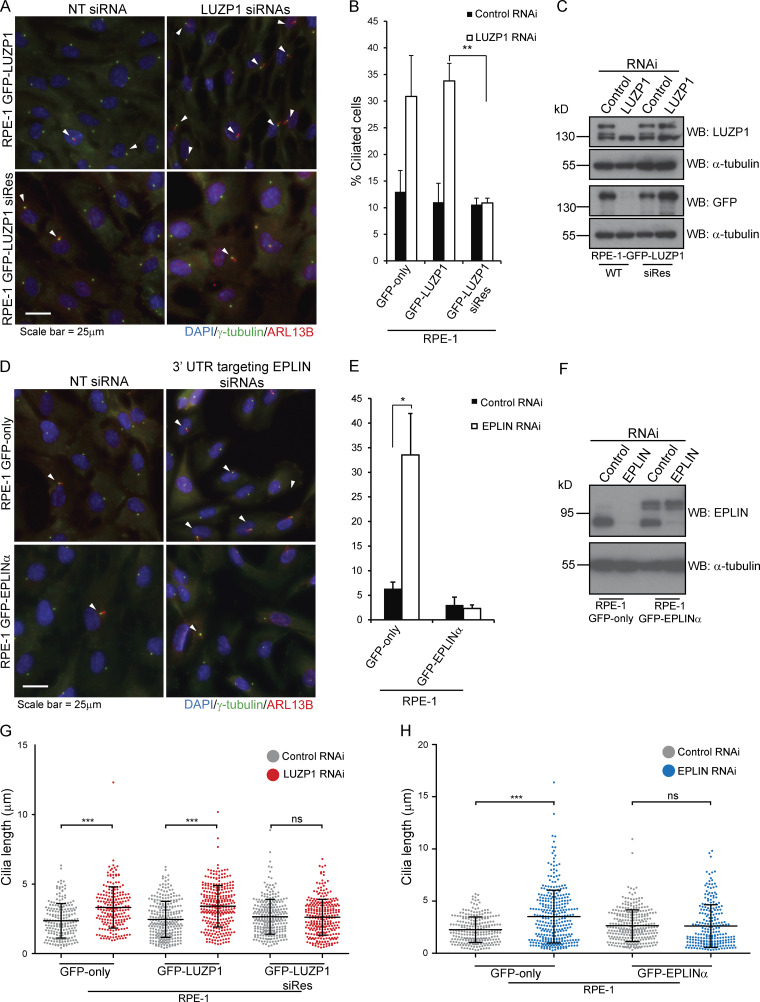
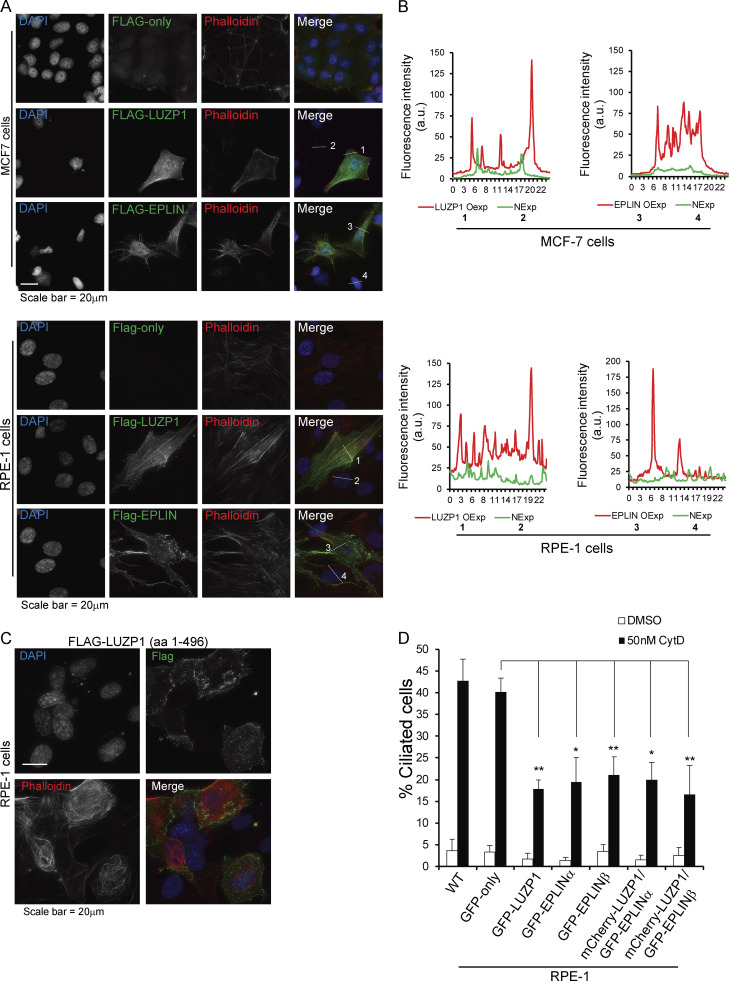
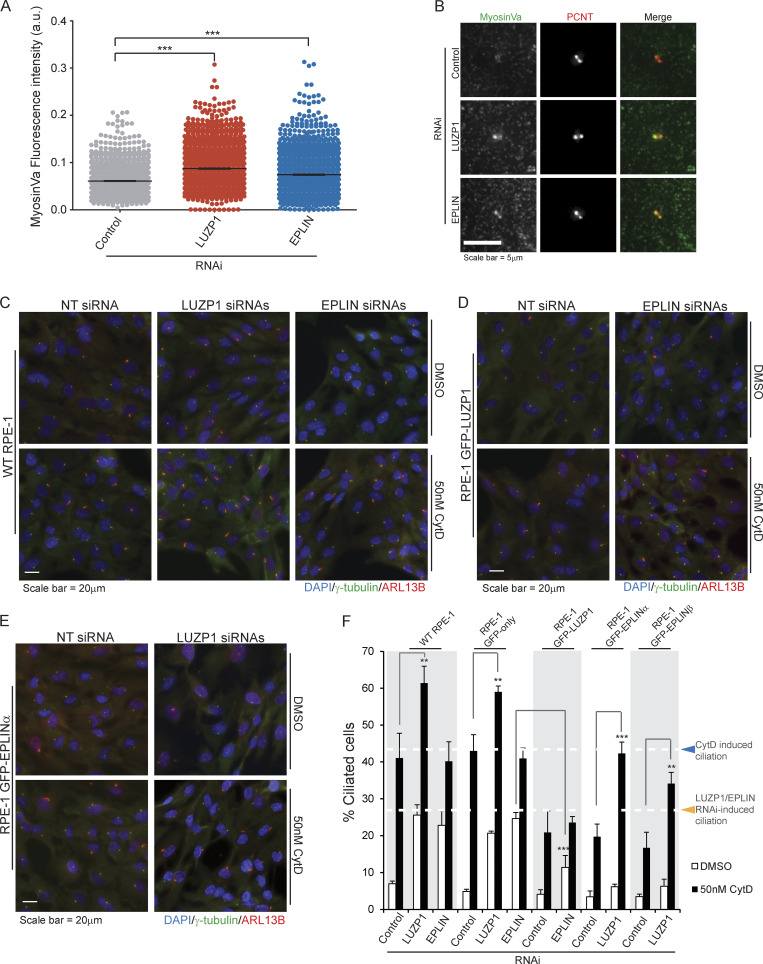
Cilia and flagella are microtubule-based cellular projections with important sensory and motility functions. Their absence or malfunction is associated with a growing number of human diseases collectively referred to as ciliopathies. However, the fundamental mechanisms underpinning cilia biogenesis and functions remain only partly understood. Here, we show that depleting LUZP1 or its interacting protein, EPLIN, increases the levels of MyosinVa at the centrosome and primary cilia formation. We further show that LUZP1 localizes to both actin filaments and the centrosome/basal body. Like EPLIN, LUZP1 is an actin-stabilizing protein that regulates actin dynamics, at least in part, by mobilizing ARP2 to the centrosomes. Both LUZP1 and EPLIN interact with known ciliogenesis and cilia-length regulators and as such represent novel players in actin-dependent centrosome to basal body conversion. Ciliogenesis deregulation caused by LUZP1 or EPLIN loss may thus contribute to the pathology of their associated disease states.
纤毛和鞭毛是基于微管的细胞突起,具有重要的感觉和运动功能。它们的缺失或功能障碍与越来越多的人类疾病有关,这些疾病统称为纤毛病。然而,纤毛发生和功能的基本机制仍只部分被理解。在这里,我们表明,消耗 LUZP1 或其相互作用蛋白 EPLIN,会增加中心体和初级纤毛形成处肌球蛋白 Va 的水平。我们进一步表明,LUZP1 定位于肌动蛋白丝和中心体/基体。像 EPLIN 一样,LUZP1 是一种稳定肌动蛋白的蛋白,通过将 ARP2 动员到中心体,至少部分地调节肌动蛋白动力学。LUZP1 和 EPLIN 都与已知的纤毛发生和纤毛长度调节剂相互作用,因此它们是依赖肌动蛋白的中心体到基体转化中的新成员。因此,LUZP1 或 EPLIN 缺失引起的纤毛发生失调可能导致其相关疾病状态的病理。