Department of Pharmacology and Systems Physiology, University of Cincinnati College of Medicine, Cincinnati, OH, USA.
Department of Radiology, University of Cincinnati College of Medicine, Cincinnati, OH, USA.
Growth Factors. 2020 Feb;38(2):75-93. doi: 10.1080/08977194.2020.1767612. Epub 2020 Jun 4.
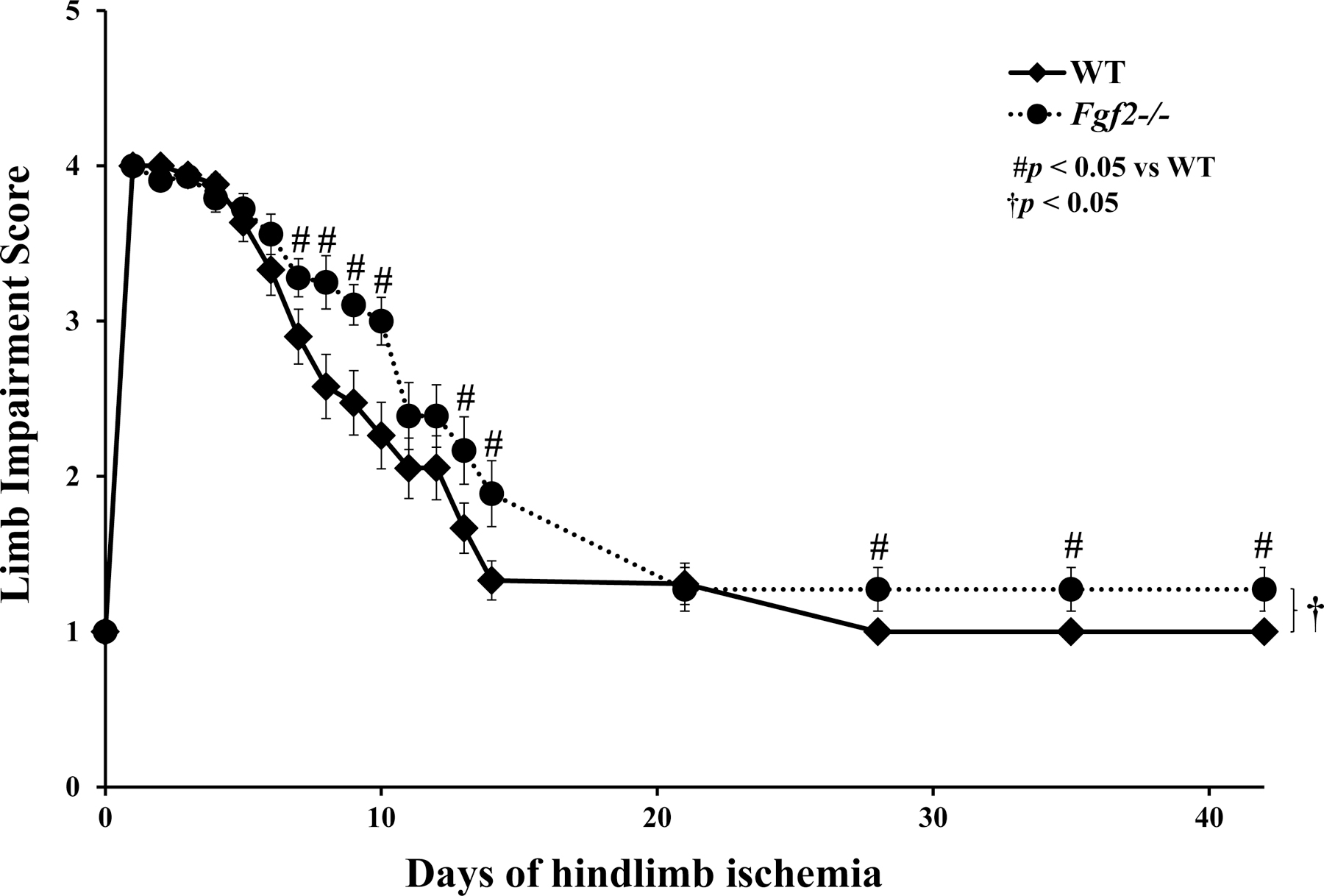
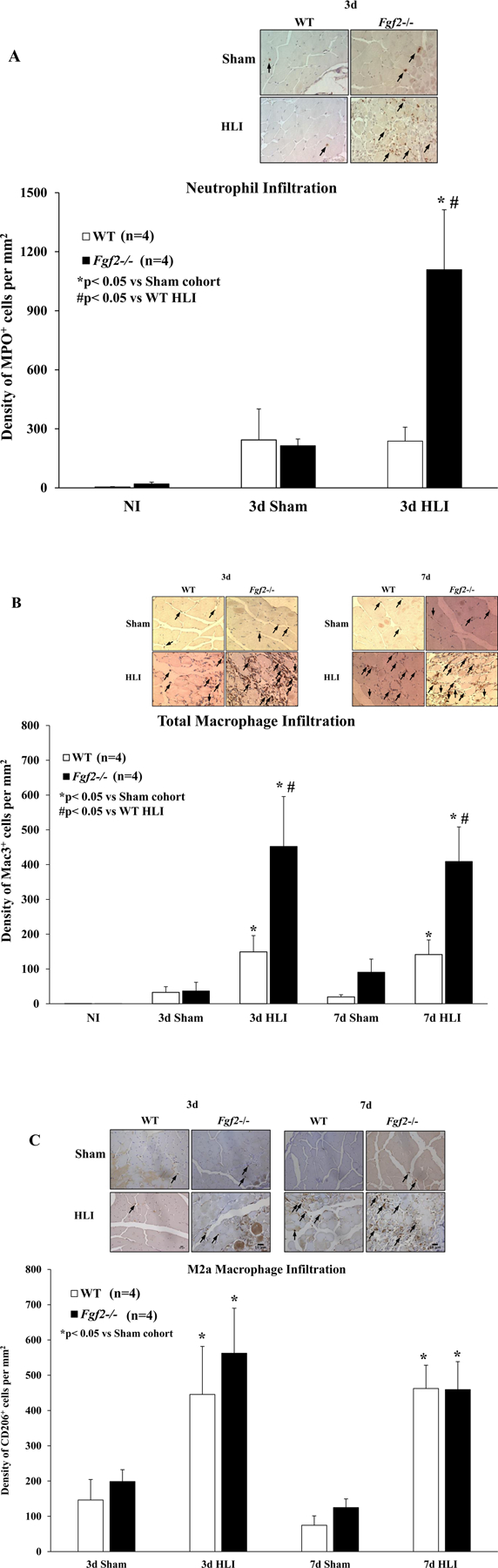
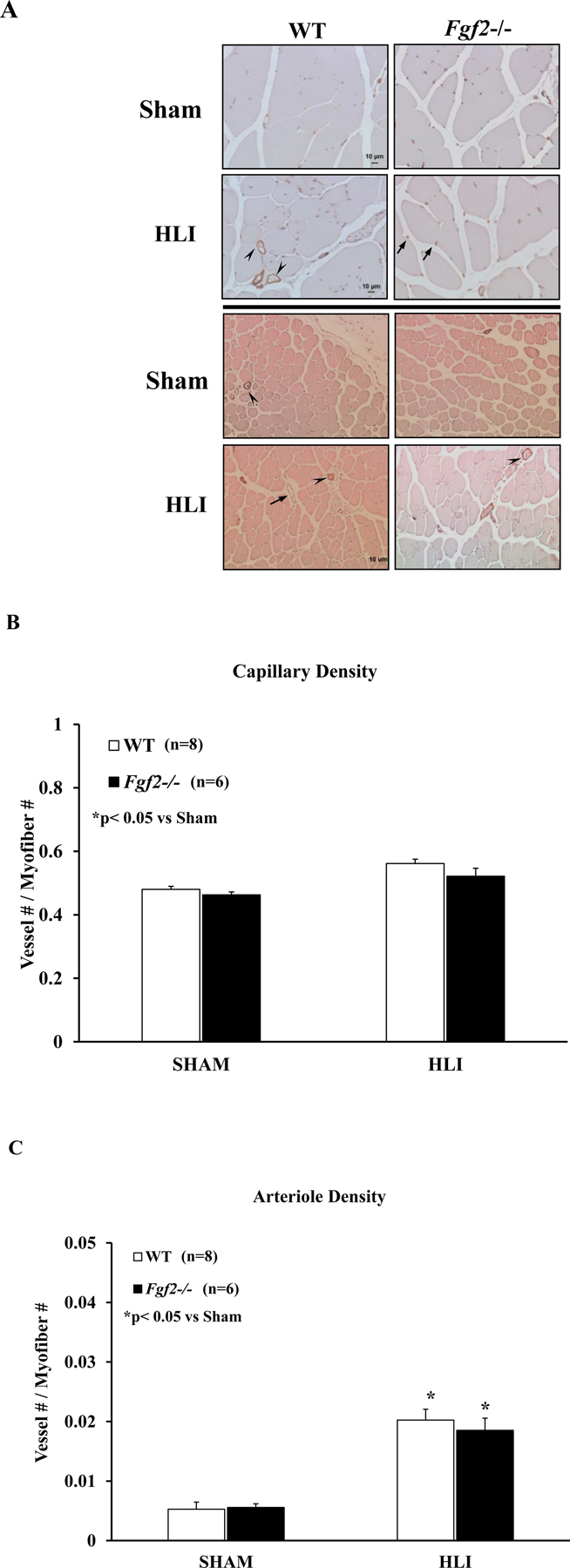
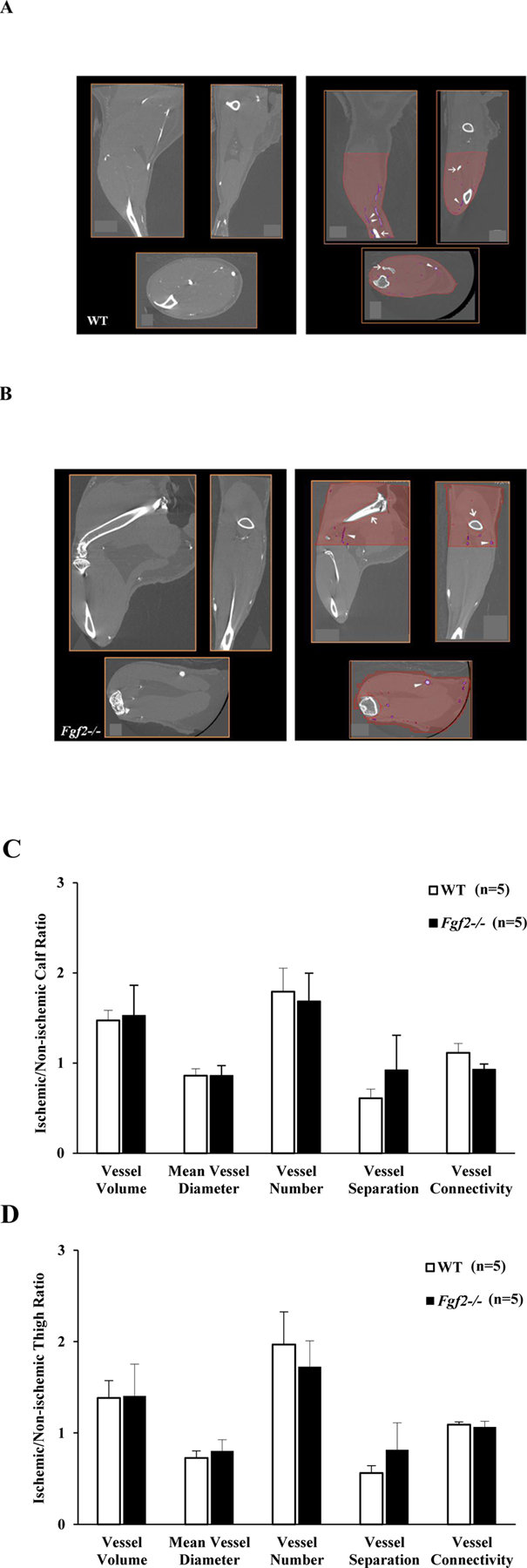
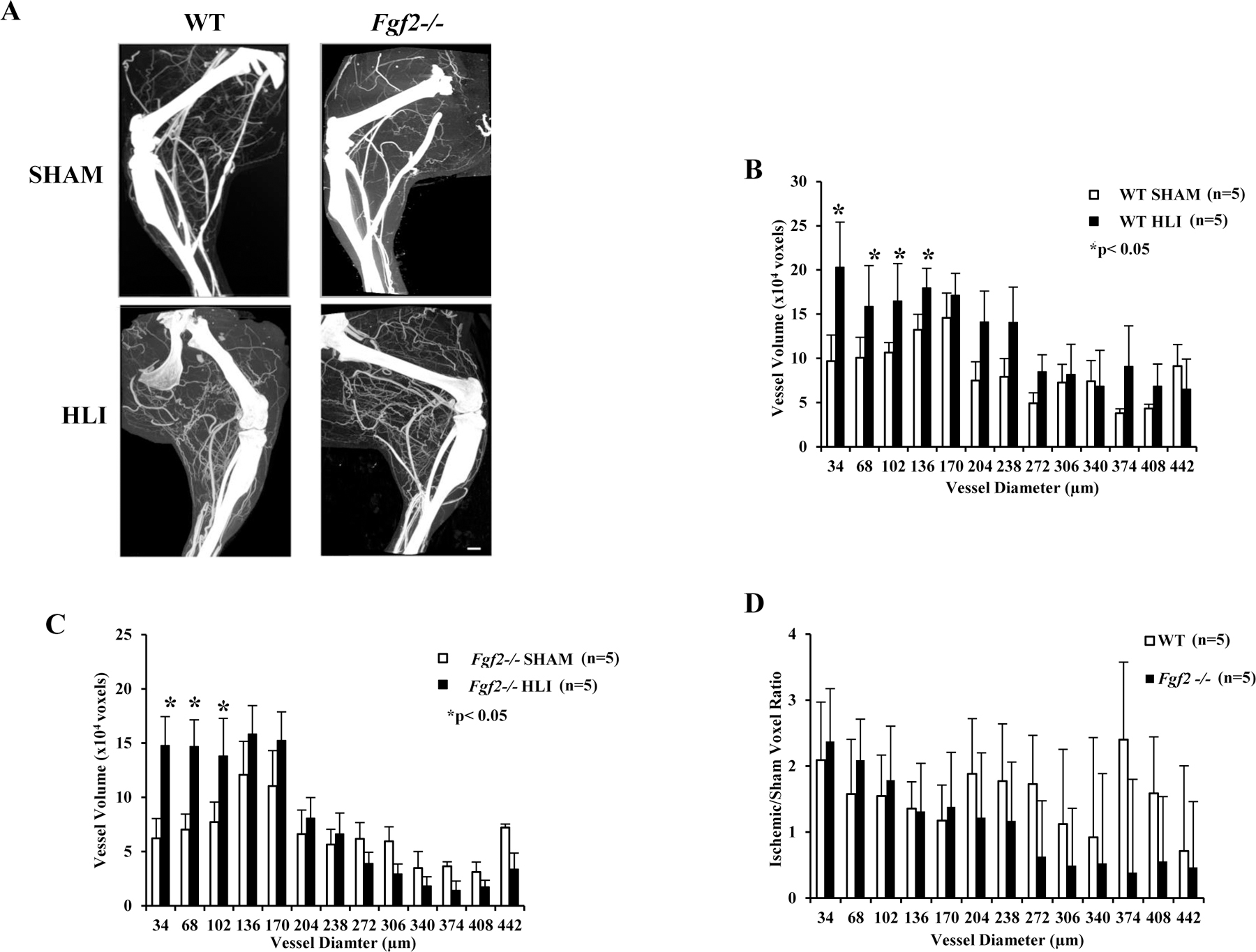
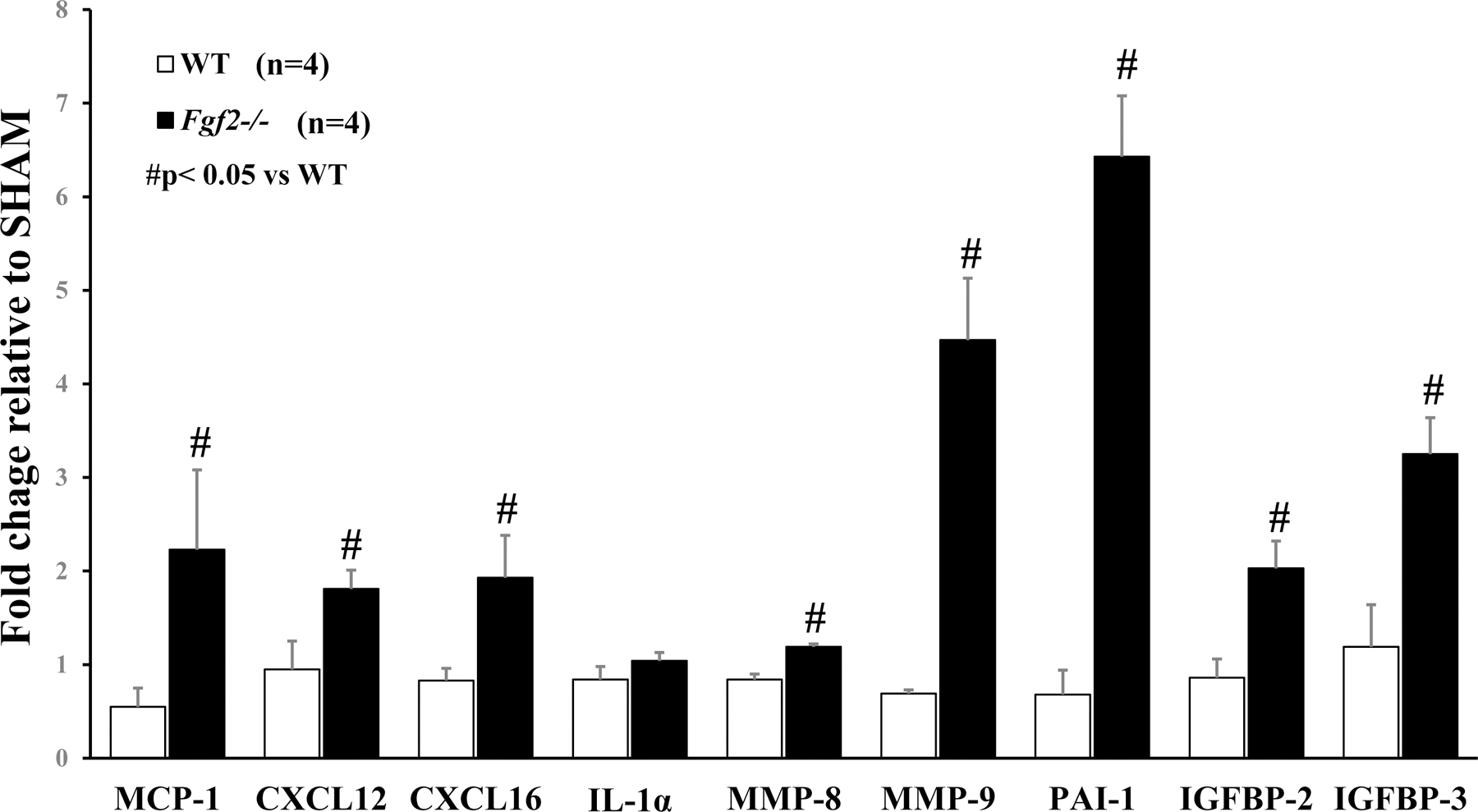
FGF2 is a potent stimulator of vascular growth; however, even with a deficiency of FGF2 (), developmental vessel growth or ischaemia-induced revascularization still transpires. It remains to be elucidated as to what function, if any, FGF2 has during ischaemic injury. Wildtype (WT) or mice were subjected to hindlimb ischaemia for up to 42 days. Limb function, vascular growth, inflammatory- and angiogenesis-related proteins, and inflammatory cell infiltration were assessed in sham and ischaemic limbs at various timepoints. Recovery of ischaemic limb function was delayed in mice. Yet, vascular growth response to ischaemia was similar between WT and hindlimbs. Several angiogenesis- and inflammatory-related proteins (MCP-1, CXCL16, MMPs and PAI-1) were increased in ischaemic muscle. Neutrophil or monocyte recruitment/infiltration was elevated in ischaemic muscle. In summary, our study indicates that loss of FGF2 induces a pro-inflammatory microenvironment in skeletal muscle which exacerbates ischaemic injury and delays functional limb use.
FGF2 是一种强有力的血管生长刺激物;然而,即使 FGF2 缺乏(),发育中的血管生长或缺血诱导的血管新生仍会发生。在缺血损伤过程中 FGF2 具有何种功能(如果有的话)仍有待阐明。将野生型(WT)或 小鼠进行后肢缺血处理,最长可达 42 天。在不同时间点,在假手术和缺血肢体中评估肢体功能、血管生长、炎症和血管生成相关蛋白以及炎症细胞浸润。 小鼠缺血肢体功能的恢复延迟。然而,WT 和 后肢对缺血的血管生长反应相似。几种血管生成和炎症相关蛋白(MCP-1、CXCL16、MMPs 和 PAI-1)在缺血肌肉中增加。中性粒细胞或单核细胞募集/浸润在缺血肌肉中增加。总之,我们的研究表明,FGF2 的缺失会在骨骼肌中诱导促炎微环境,从而加重缺血损伤并延迟肢体功能的恢复。