Department of Pharmacology, University of Valencia - FISABIO (Foundation for the Promotion of Health and Biomedical Research in the Valencian Region), Valencia, Spain; CIBERehd (Biomedical Research Networking Centre on Hepatic and Digestive Diseases), Valencia, Spain.
Service of Endocrinology and Nutrition. University Hospital Doctor Peset, FISABIO, Valencia, Spain.
Redox Biol. 2020 Jul;34:101517. doi: 10.1016/j.redox.2020.101517. Epub 2020 May 25.
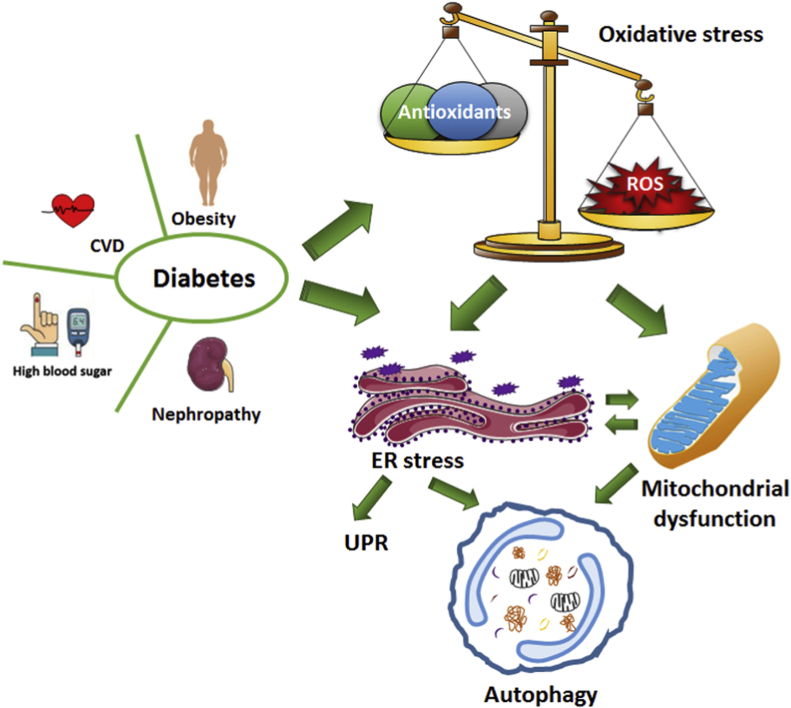
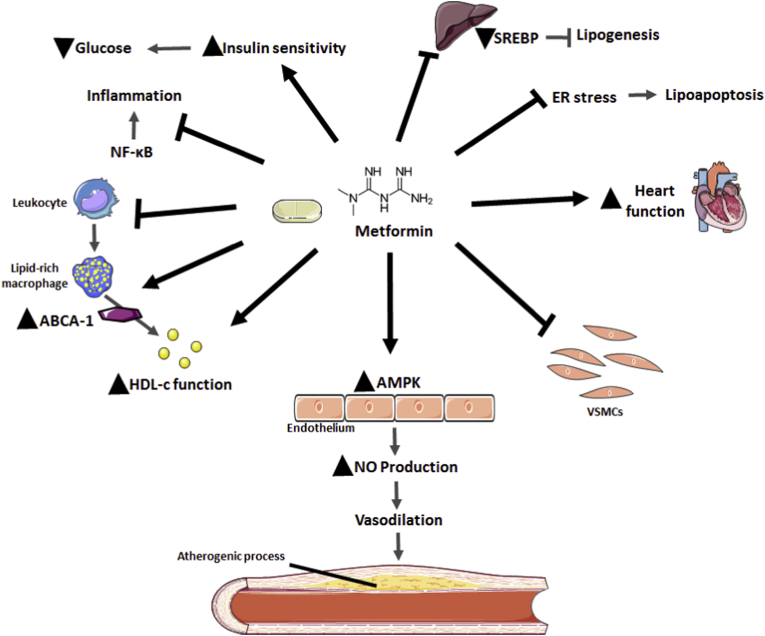
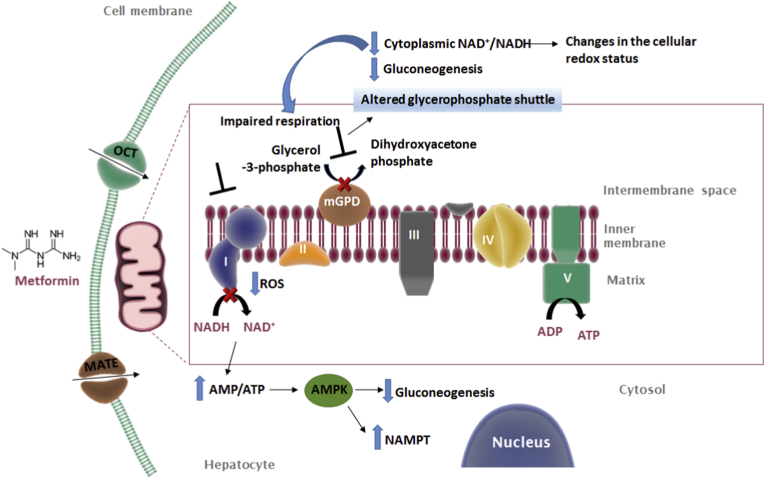
Type 2 diabetes (T2D) is a very prevalent, multisystemic, chronic metabolic disorder closely related to atherosclerosis and cardiovascular diseases. It is characterised by mitochondrial dysfunction and the presence of oxidative stress. Metformin is one of the safest and most effective anti-hyperglycaemic agents currently employed as first-line oral therapy for T2D. It has demonstrated additional beneficial effects, unrelated to its hypoglycaemic action, on weight loss and several diseases, such as cancer, cardiovascular disorders and metabolic diseases, including thyroid diseases. Despite the vast clinical experience gained over several decades of use, the mechanism of action of metformin is still not fully understood. This review provides an overview of the existing literature concerning the beneficial mitochondrial and vascular effects of metformin, which it exerts by diminishing oxidative stress and reducing leukocyte-endothelium interactions. Specifically, we describe the molecular mechanisms involved in metformin's effect on gluconeogenesis, its capacity to interfere with major metabolic pathways (AMPK and mTORC1), its action on mitochondria and its antioxidant effects. We also discuss potential targets for therapeutic intervention based on these molecular actions.
2 型糖尿病(T2D)是一种非常普遍的、多系统的、慢性代谢紊乱疾病,与动脉粥样硬化和心血管疾病密切相关。它的特征是线粒体功能障碍和氧化应激的存在。二甲双胍是目前用于 T2D 的一线口服治疗药物中最安全、最有效的抗高血糖药物之一。它除了降低血糖作用外,还具有减轻体重和治疗多种疾病的额外益处,如癌症、心血管疾病和代谢疾病,包括甲状腺疾病。尽管在几十年的临床应用中积累了大量经验,但二甲双胍的作用机制仍不完全清楚。这篇综述概述了现有的文献,涉及二甲双胍对线粒体和血管的有益影响,它通过减少氧化应激和减少白细胞-内皮细胞相互作用来发挥作用。具体来说,我们描述了二甲双胍对糖异生的影响、干扰主要代谢途径(AMPK 和 mTORC1)的能力、对线粒体的作用及其抗氧化作用的分子机制。我们还讨论了基于这些分子作用的潜在治疗干预靶点。