Wilson Hannah E, Stanton David A, Montgomery Cortney, Infante Aniello M, Taylor Matthew, Hazard-Jenkins Hannah, Pugacheva Elena N, Pistilli Emidio E
MD/PhD Medical Scientist Program, West Virginia University School of Medicine, Morgantown, WV 26506 USA.
Cancer Institute, West Virginia University School of Medicine, Morgantown, WV 26506 USA.
NPJ Breast Cancer. 2020 Jun 4;6:18. doi: 10.1038/s41523-020-0162-2. eCollection 2020.
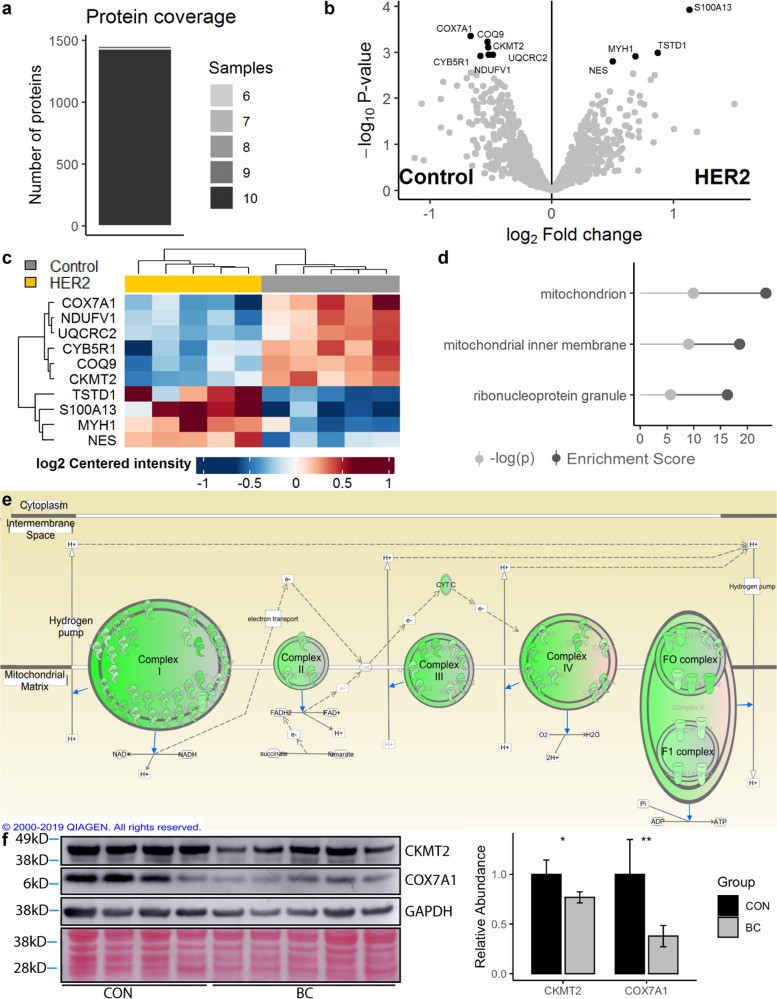
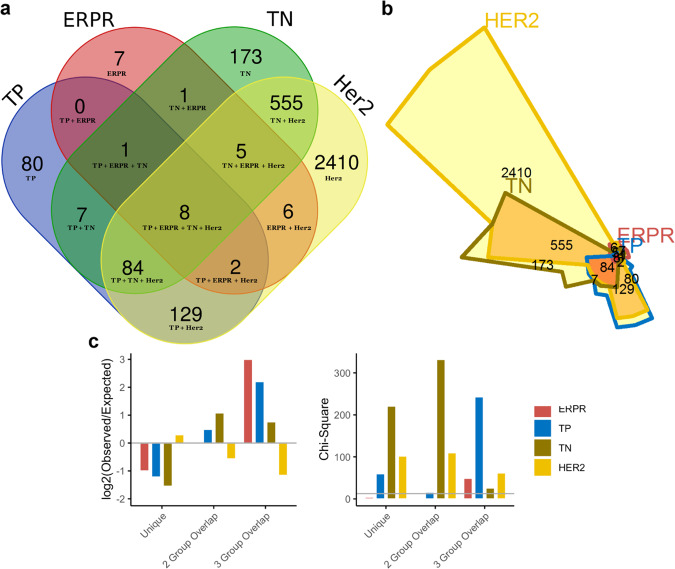
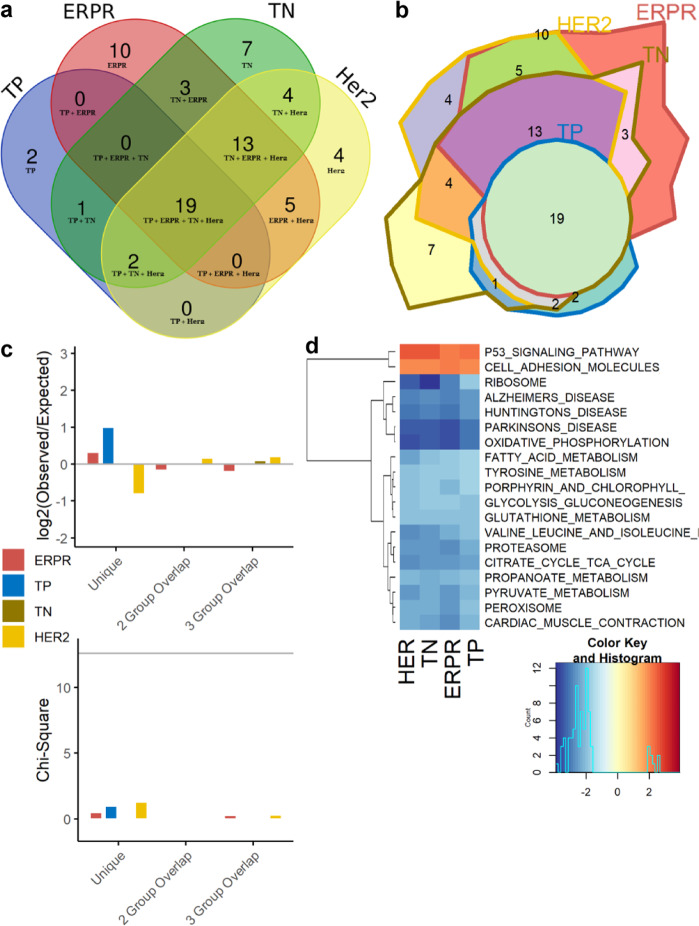
Increased susceptibility to fatigue is a negative predictor of survival commonly experienced by women with breast cancer (BC). Here, we sought to identify molecular changes induced in human skeletal muscle by BC regardless of treatment history or tumor molecular subtype using RNA-sequencing (RNA-seq) and proteomic analyses. Mitochondrial dysfunction was apparent across all molecular subtypes, with the greatest degree of transcriptomic changes occurring in women with HER2/neu-overexpressing tumors, though muscle from patients of all subtypes exhibited similar pathway-level dysregulation. Interestingly, we found no relationship between anticancer treatments and muscle gene expression, suggesting that fatigue is a product of BC per se rather than clinical history. In vitro and in vivo experimentation confirmed the ability of BC cells to alter mitochondrial function and ATP content in muscle. These data suggest that interventions supporting muscle in the presence of BC-induced mitochondrial dysfunction may alleviate fatigue and improve the lives of women with BC.
易疲劳性增加是乳腺癌(BC)女性患者常见的生存负性预测指标。在此,我们试图通过RNA测序(RNA-seq)和蛋白质组学分析,确定无论治疗史或肿瘤分子亚型如何,BC在人体骨骼肌中诱导的分子变化。线粒体功能障碍在所有分子亚型中均很明显,HER2/neu过表达肿瘤的女性发生的转录组变化程度最大,尽管所有亚型患者的肌肉都表现出相似的通路水平失调。有趣的是,我们发现抗癌治疗与肌肉基因表达之间没有关系,这表明疲劳是BC本身的产物而非临床病史所致。体外和体内实验证实了BC细胞改变肌肉线粒体功能和ATP含量的能力。这些数据表明,在存在BC诱导的线粒体功能障碍的情况下,支持肌肉的干预措施可能减轻疲劳并改善BC女性患者的生活。