Parvez Mohammad K, Al-Dosari Mohammed S, Ahmed Sarfaraz, Rehman Md Tabish, Al-Rehaily Adnan J, Alajmi Mohammed F
Department of Pharmacognosy, College of Pharmacy, King Saud University, Riyadh, Saudi Arabia.
Saudi Pharm J. 2020 Jun;28(6):648-656. doi: 10.1016/j.jsps.2020.04.004. Epub 2020 Apr 19.
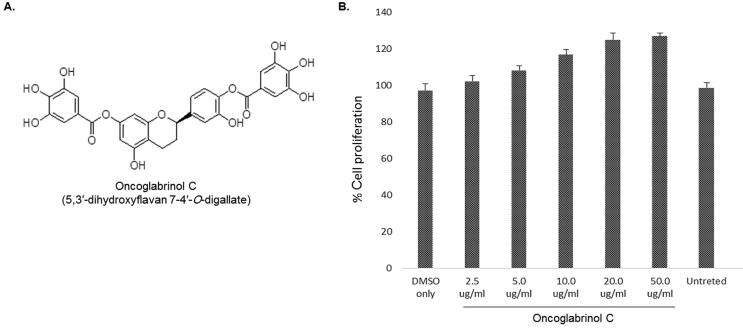
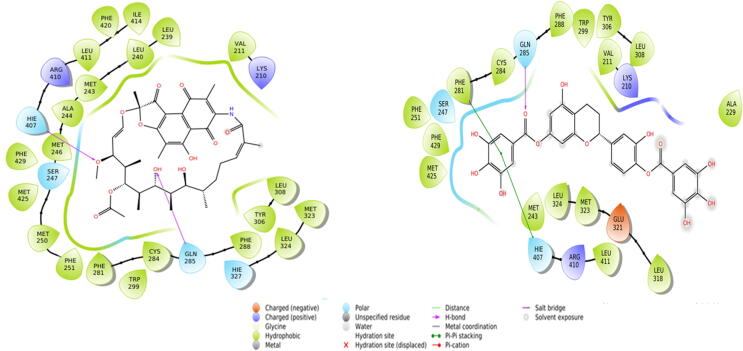
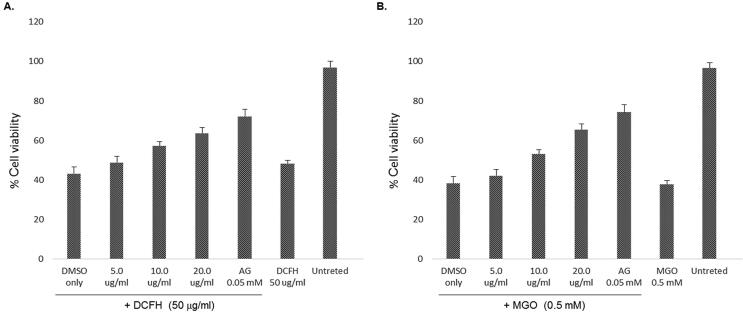
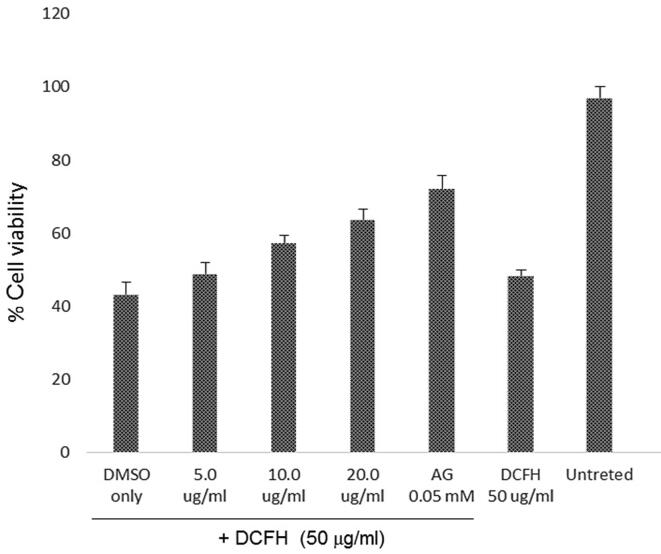
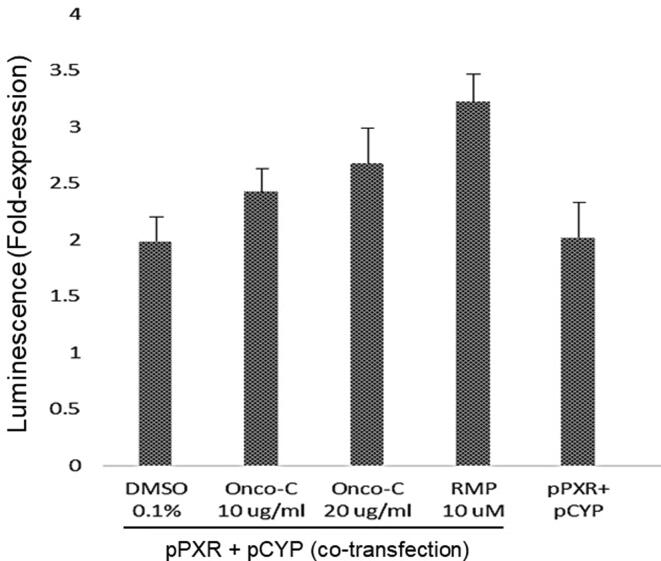
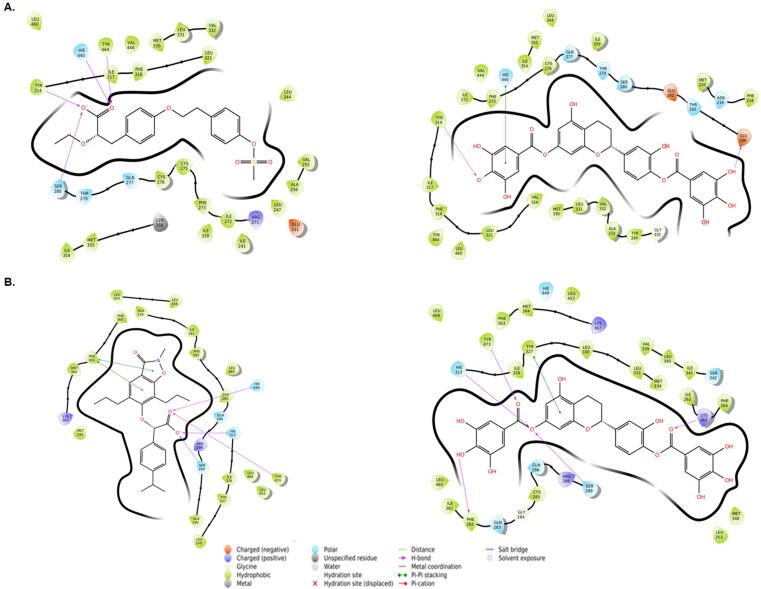
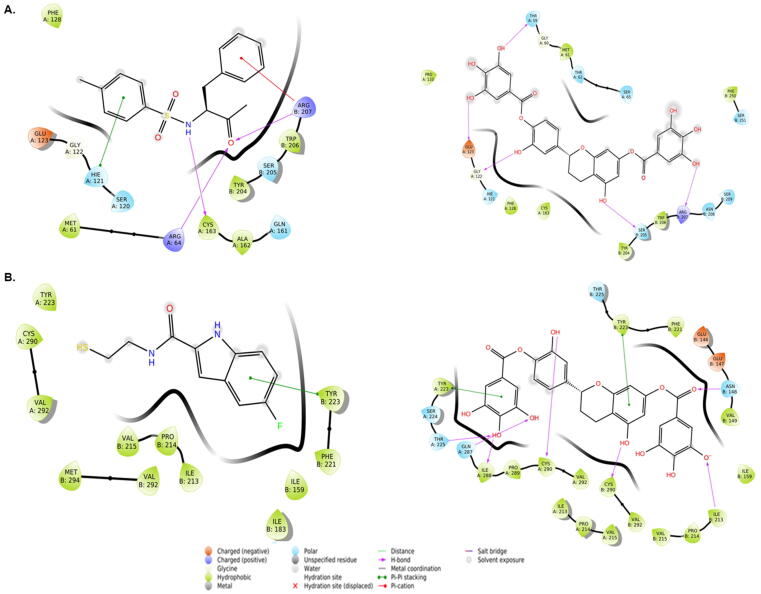
Active herbal or natural compounds have high chemical diversity and specificity than synthetic drugs. Recently, we have validated the hypoglycemic salutation of in rodent model, and demonstrated the activation of PPARα/γ by its newly ioslated flavan derivative Oncoglabrinol C (5,3'-Dihydroxyflavan 7-4'--digallate) in liver cells (HepG2). Here we evaluated the potential of Oncoglabrinol C against Dichlorofluorescin (DCFH) and Methylglyoxal (MGO) induced endothelial cells (HUVEC) oxidative and apoptotic damage, including activation of PXR-mediated hepatic CYP3A4. Our MTT assay showed protection of ~57% and ~63.5% HUVEC cells by 10 and 20 μg/ml doses of Oncoglabrinol C, respectively through attenuating DCFH triggered free-radicals. Also, the two doses effectively protected ~53% and ~65.5% cells, respectively by reversing MGO toxicity. In DCFH and MGO treated cells, Oncoglabrinol C (20 μg/ml) effectively downregulated caspase 3/7 activity by ~33% and ~43.5%, respectively. Moreover, in reporter gene (dual-luciferase) assay, Oncoglabrinol C (20 μg/ml) moderately activated hepatic CYP3A4. Molecular docking of Oncoglabrinol C indicated its strong interactions with cellular caspase 3/7, PPARα/γ and PXR proteins, which supported its anti-apoptotic (antagonistic) as well as pro-hypoglycemic and PXR/CYP activating (agonistic) activities. Taken together, our findings demonstrated the potential of Oncoglabrinol C in reversing the endothelial oxidative and apoptotic damage as well as in the activation of hepatic CYP3A4. This warrants further evaluations of Oncoglabrinol C and related compounds towards developing effective and safe drugs against diabetes associated cardiovascular disorders.
活性草药或天然化合物比合成药物具有更高的化学多样性和特异性。最近,我们在啮齿动物模型中验证了[某种草药或天然化合物]的降血糖作用,并证明了其新分离的黄酮衍生物Oncoglabrinol C(5,3'-二羟基黄酮7-4'-二没食子酸酯)在肝细胞(HepG2)中对PPARα/γ的激活作用。在此,我们评估了Oncoglabrinol C对抗二氯荧光素(DCFH)和甲基乙二醛(MGO)诱导的内皮细胞(HUVEC)氧化和凋亡损伤的潜力,包括激活PXR介导的肝脏CYP3A4。我们的MTT试验表明,10和20μg/ml剂量的Oncoglabrinol C分别通过减弱DCFH引发的自由基,对约57%和约63.5%的HUVEC细胞起到保护作用。此外,这两个剂量分别通过逆转MGO毒性,有效地保护了约53%和约65.5%的细胞。在DCFH和MGO处理的细胞中,Oncoglabrinol C(20μg/ml)分别有效下调了半胱天冬酶3/7的活性约33%和约43.5%。此外,在报告基因(双荧光素酶)试验中,Oncoglabrinol C(20μg/ml)适度激活了肝脏CYP3A4。Oncoglabrinol C的分子对接表明其与细胞半胱天冬酶3/7、PPARα/γ和PXR蛋白有强烈相互作用,这支持了其抗凋亡(拮抗)以及降血糖和PXR/CYP激活(激动)活性。综上所述,我们的研究结果证明了Oncoglabrinol C在逆转内皮细胞氧化和凋亡损伤以及激活肝脏CYP3A4方面的潜力。这值得对Oncoglabrinol C和相关化合物进行进一步评估,以开发针对糖尿病相关心血管疾病的有效和安全药物。