Waidyanatha Suramya, Gibbs Seth, South Natalie, Smith Jeremy P, Mutlu Esra, Burback Brian, Cao Yu, Rider Cynthia V
Division of the National Toxicology Program, National Institute of Environmental Health Sciences, Research Triangle Park, NC, United States.
Battelle Memorial Institute, Columbus, OH, United States.
Toxicol Rep. 2020 May 26;7:711-722. doi: 10.1016/j.toxrep.2020.05.005. eCollection 2020.
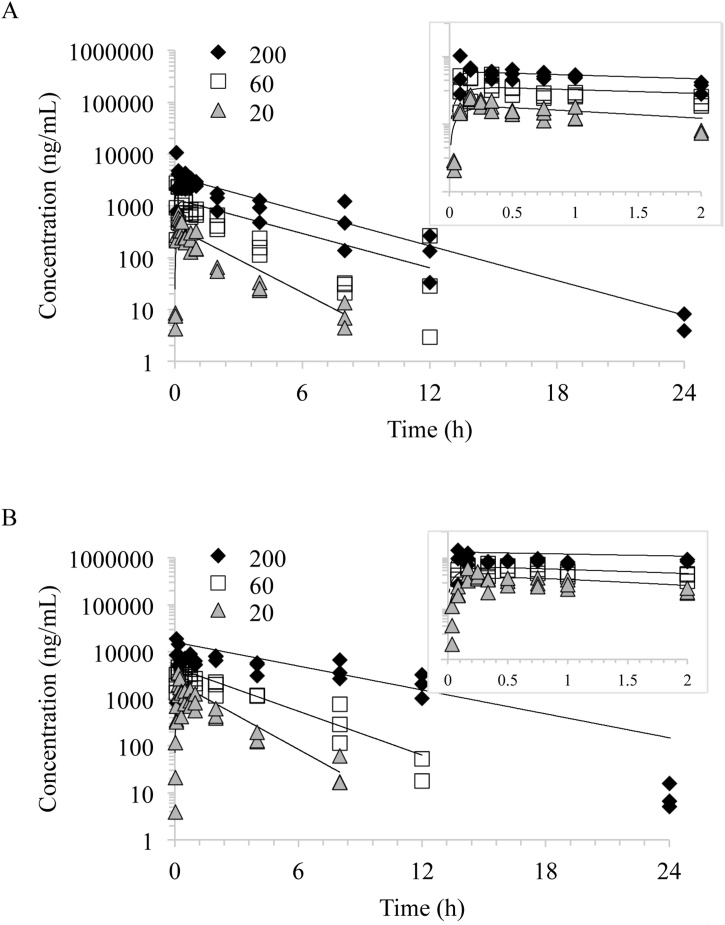
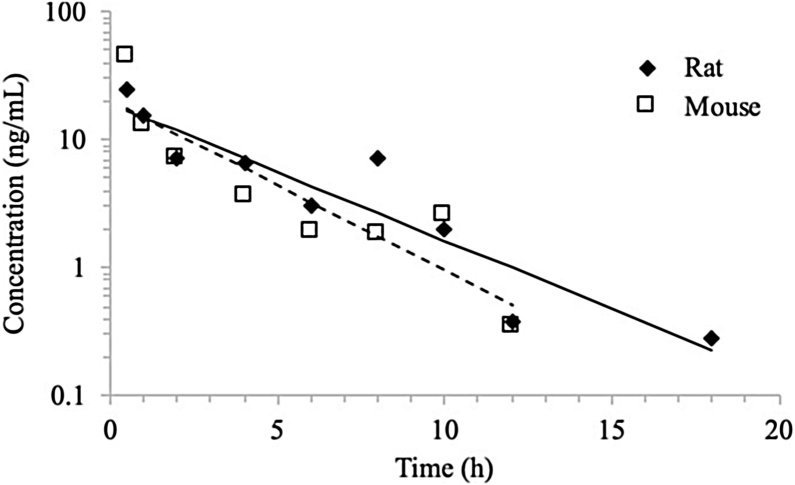
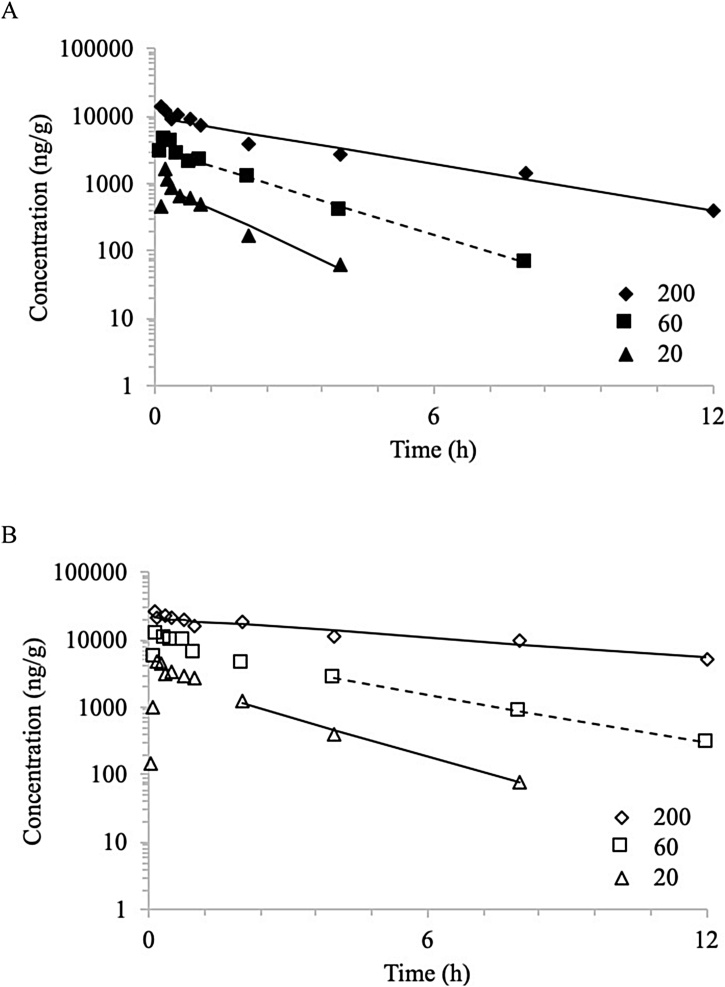
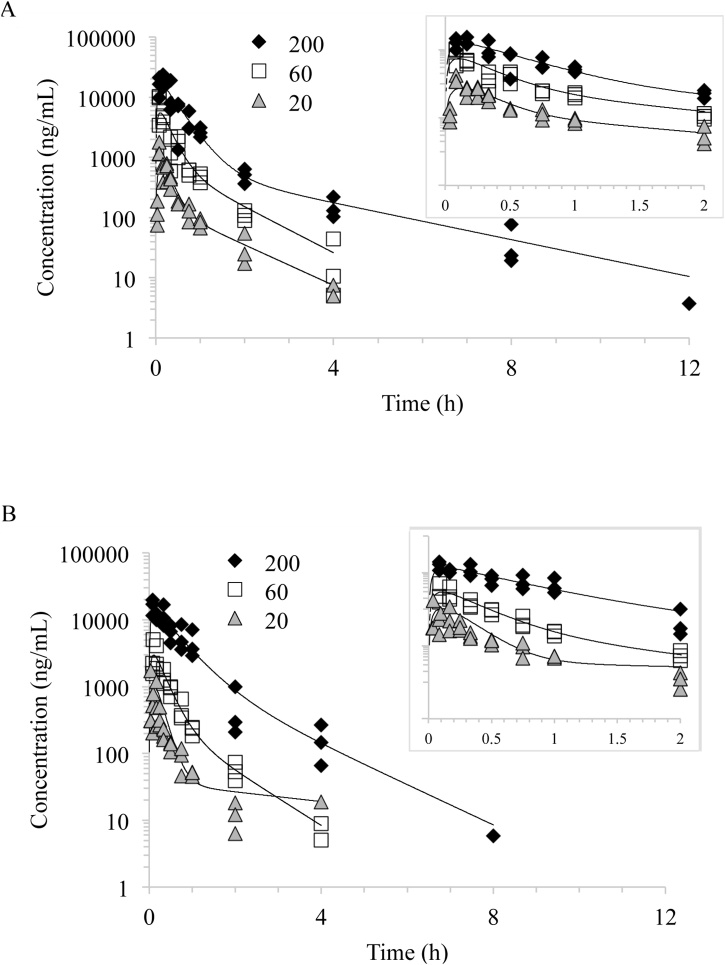
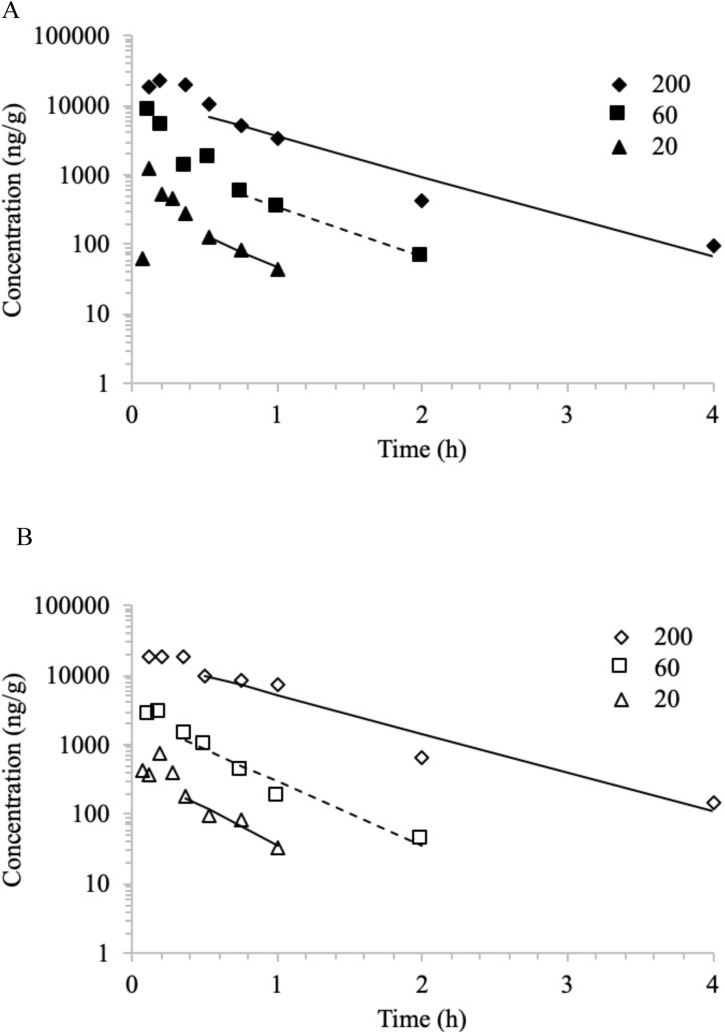
N-Butylbenzenesulfonamide (NBBS) is a widely used plasticizer and hence there is potential for human exposure via oral routes. This work investigates the toxicokinetic behavior of NBBS in rodents following a single gavage (20, 60, and 200 mg/kg body weight) or multi-day feed administration (500, 1000, and 2000 ppm). In male and female rats following gavage administration, maximum plasma NBBS concentration, C, was reached at ≤0.539 h. C increased proportionally to the dose. Area under the curve (AUC) increased more than proportionally to the dose and was 4- to 5-fold higher in females than in males. In mice, plasma C was reached at ≤0.136 h and increased proportionally to the dose in female mice and more than proportionally to the dose in males. AUC increased more than proportionally to the dose with no apparent sex difference. Elimination of NBBS in plasma was faster in mice (half-life (h); mice ≤0.432, rat ≤3.55). Oral bioavailability was higher in female rats (≥60%) than males (23-52%) with apparent saturation of clearance at ∼200 mg/kg body weight in females. In mice, bioavailability (5-14%) was lower with no apparent sex difference. NBBS was detected in brains of rats and mice but with low brain:plasma ratios (rats, ≤5; mice, ≤1) suggesting low potential to cross the blood brain barrier. Systemic exposure in male rats and mice following a single gavage administration was ≥48-fold higher than multi-day feed exposure. These data demonstrate potential species, sex, dose- and route-related difference in toxicokinetics of NBBS in rodents.
N-丁基苯磺酰胺(NBBS)是一种广泛使用的增塑剂,因此人体有可能通过口服途径接触到它。本研究调查了啮齿动物单次灌胃(20、60和200毫克/千克体重)或多日经饲料给药(500、1000和2000 ppm)后NBBS的毒代动力学行为。在雄性和雌性大鼠灌胃给药后,血浆中NBBS的最大浓度C在≤0.539小时时达到。C与剂量成比例增加。曲线下面积(AUC)的增加与剂量不成比例,且雌性比雄性高4至5倍。在小鼠中,血浆C在≤0.136小时时达到,在雌性小鼠中与剂量成比例增加,在雄性小鼠中与剂量增加不成比例。AUC的增加与剂量不成比例,且无明显性别差异。小鼠血浆中NBBS的消除速度更快(半衰期(小时);小鼠≤0.432,大鼠≤3.55)。雌性大鼠的口服生物利用度(≥60%)高于雄性(23 - 52%),雌性在约200毫克/千克体重时清除率明显饱和。在小鼠中,生物利用度(5 - 14%)较低,且无明显性别差异。在大鼠和小鼠的大脑中检测到了NBBS,但脑与血浆的比值较低(大鼠≤5;小鼠≤1),表明其穿越血脑屏障的可能性较低。雄性大鼠和小鼠单次灌胃给药后的全身暴露量比多日经饲料暴露高≥48倍。这些数据表明,NBBS在啮齿动物中的毒代动力学存在潜在的物种、性别、剂量和途径相关差异。