Medical Research Center, The Affiliated Hospital of Nanjing Medical University, Changzhou No.2 People's Hospital, Changzhou, Jiangsu, China.
Oncology Institute, The Affiliated Hospital of Nanjing Medical University, Changzhou No.2 People's Hospital, Changzhou, Jiangsu, China.
J Immunother Cancer. 2020 Jun;8(1). doi: 10.1136/jitc-2020-000529.
The tumor microenvironment (TME) contains a variety of immune cells, which play critical roles during the multistep development of tumors. Histone deacetylase 9 (HDAC9) has been reported to have either proinflammatory or anti-inflammatory effects, depending on the immune environment. In this study, we investigated whether HDAC9 in the tumor stroma regulated inflammation and antitumor immunity.
knockout mice were generated to analyze the HDAC9-associated inflammation and tumor progression. Immune cells and cytokines in TME or draining lymph nodes were quantified by flow cytometry and quantitative reverse transcription-PCR. The antigen presentation and CD8 T cell priming by tumor-infiltrating dendritic cells (DCs) were evaluated in vitro and in vivo. HDAC9-associated inflammation was investigated in a mouse model with dextran sulfate sodium-induced colitis. Correlation of HDAC9 with CD8 expression was assessed in tissue sections from patients with non-small cell lung cancer.
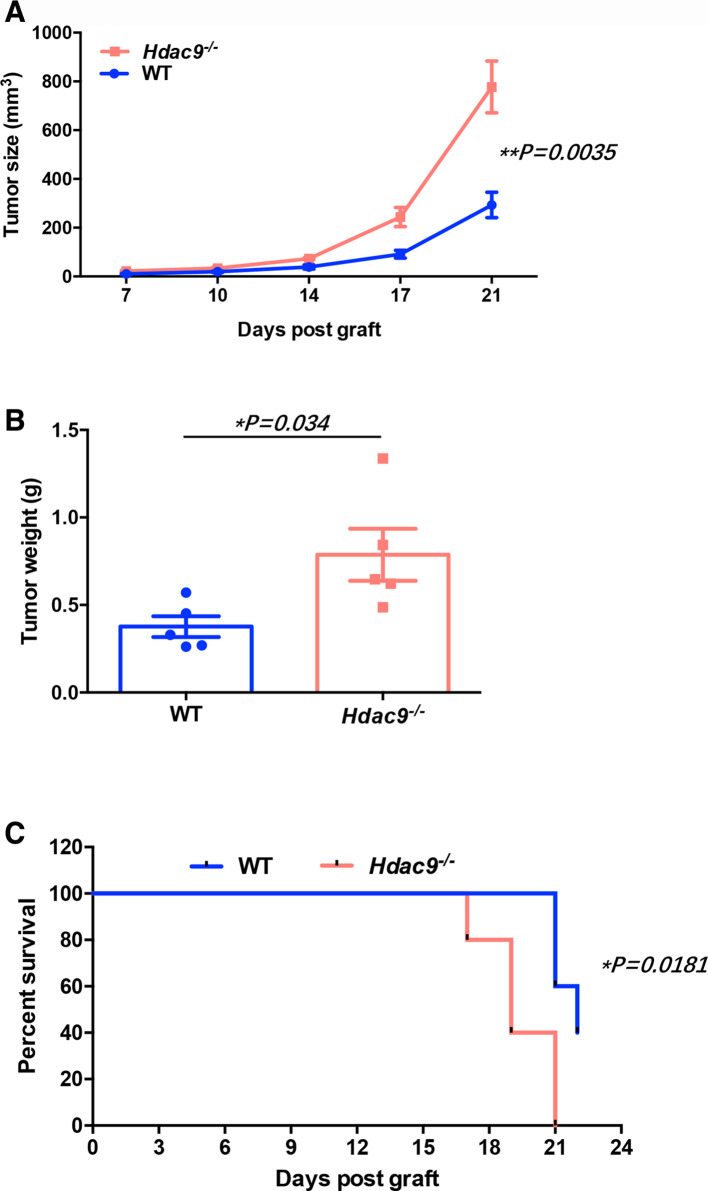
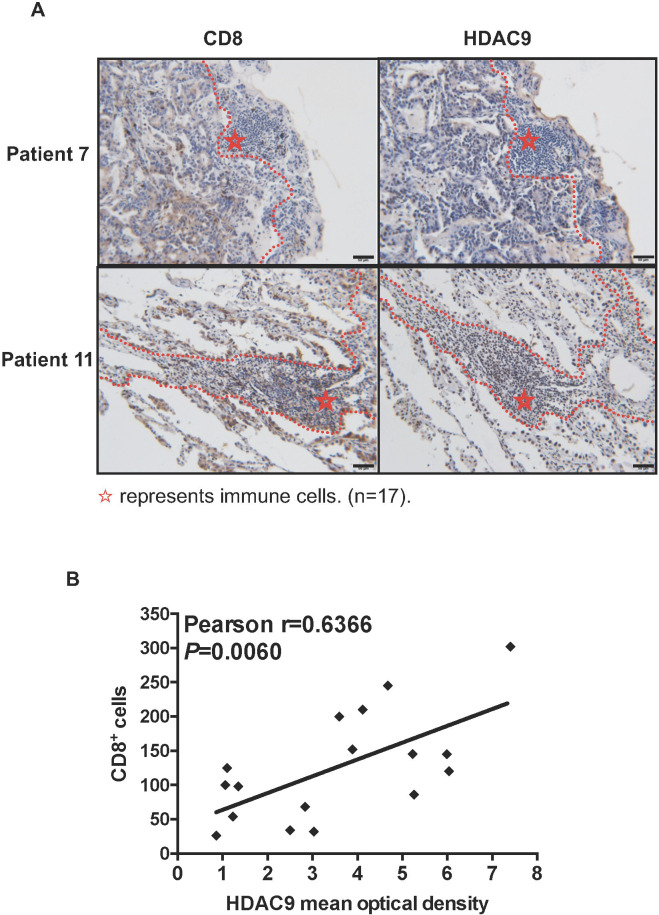
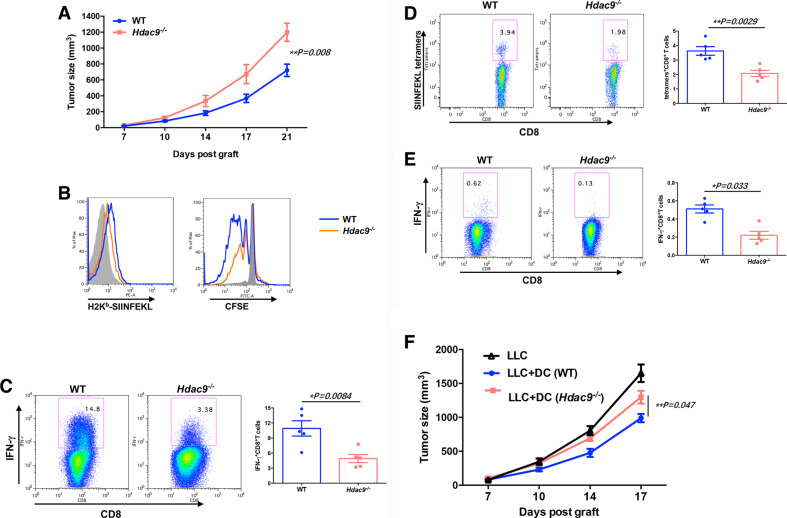
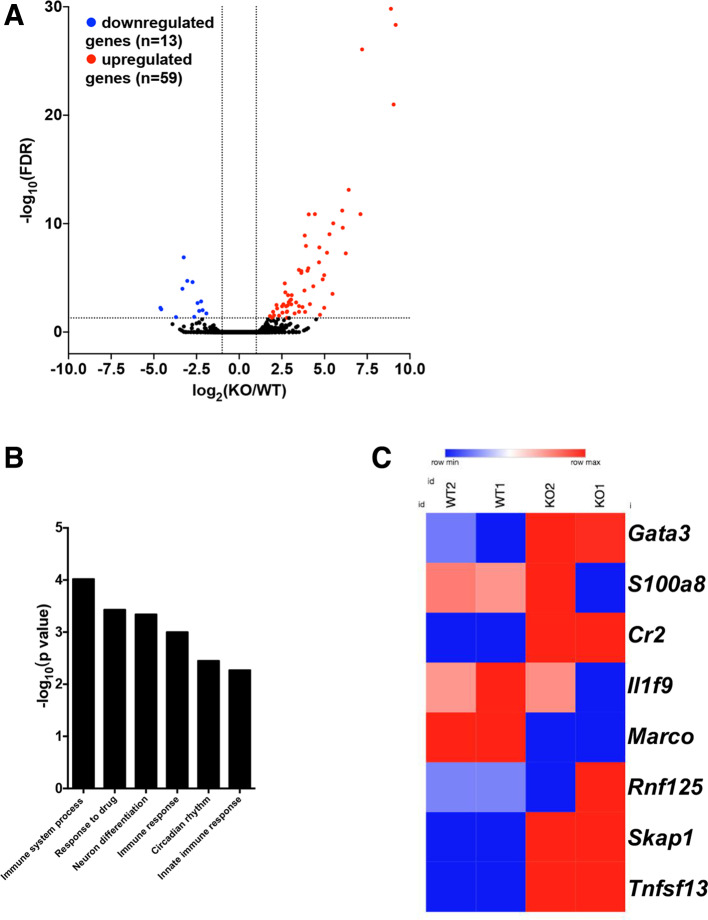
HDAC9 deficiency promoted tumor progression by decreasing the CD8 DC infiltration of the TME. Compared with wild-type mice, the tumor-infiltrating DCs of mice displayed impaired cross-presentation of tumor antigens and cross-priming of CD8 T cells. Moreover, HDAC9 expression was significantly positively correlated with CD8 cell counts in human lung cancer stroma samples.
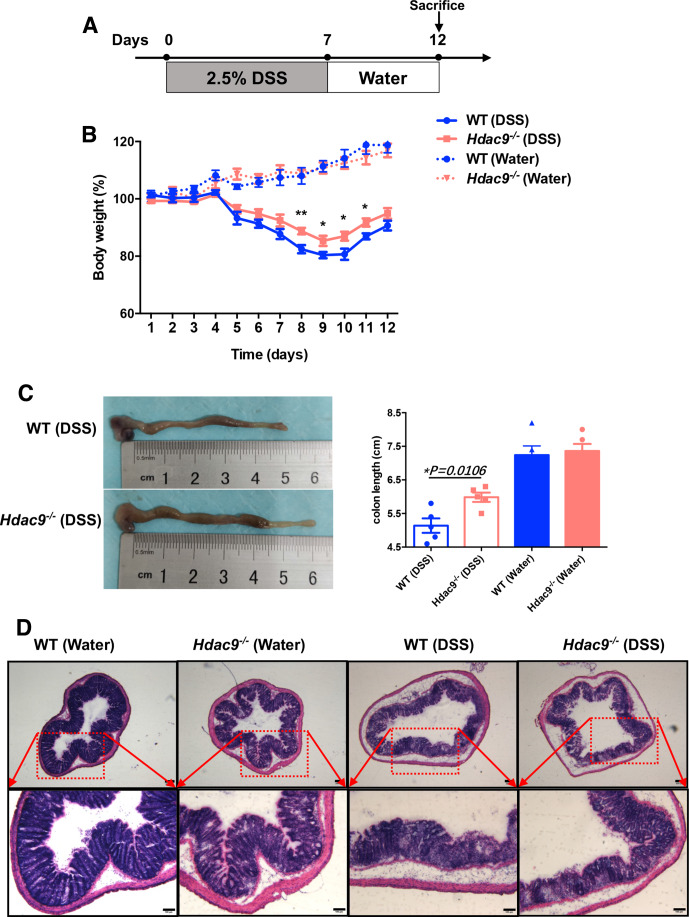
HDAC9 deficiency decreased inflammation and promoted tumor progression by decreasing CD8 DC infiltration of the TME. HDAC9 expression in the tumor stroma may represent a promising biomarker to predict the therapeutic responses of patients receiving CD8 T cell-dependent immune treatment regimens.
肿瘤微环境(TME)包含多种免疫细胞,它们在肿瘤的多步发展过程中发挥着关键作用。组蛋白去乙酰化酶 9(HDAC9)的作用取决于免疫环境,可以是促炎的,也可以是抗炎的。在本研究中,我们研究了肿瘤基质中的 HDAC9 是否调节炎症和抗肿瘤免疫。
生成基因敲除小鼠以分析与 HDAC9 相关的炎症和肿瘤进展。通过流式细胞术和定量逆转录 PCR 定量 TME 或引流淋巴结中的免疫细胞和细胞因子。在体外和体内评估肿瘤浸润树突状细胞(DC)的抗原呈递和 CD8 T 细胞的启动。在葡聚糖硫酸钠诱导的结肠炎小鼠模型中研究了与 HDAC9 相关的炎症。评估非小细胞肺癌患者组织切片中 HDAC9 与 CD8 表达的相关性。
HDAC9 缺失通过减少 TME 中 CD8 DC 的浸润促进肿瘤进展。与野生型小鼠相比,HDAC9 缺失小鼠的肿瘤浸润 DC 表现出肿瘤抗原交叉呈递和 CD8 T 细胞交叉启动受损。此外,HDAC9 的表达与人肺癌基质样本中的 CD8 细胞计数呈显著正相关。
HDAC9 缺失通过减少 TME 中 CD8 DC 的浸润减少炎症并促进肿瘤进展。肿瘤基质中 HDAC9 的表达可能代表预测接受 CD8 T 细胞依赖性免疫治疗方案的患者治疗反应的有前途的生物标志物。