Department of Gastroenterology, Peking University Third Hospital, Beijing, 100191, China.
CAS Key Laboratory of Molecular Imaging, The State Key Laboratory of Management and Control for Complex Systems, Institute of Automation, Chinese Academy of Sciences, Beijing, 100190, China.
Exp Mol Med. 2019 Aug 26;51(8):1-15. doi: 10.1038/s12276-019-0301-8.
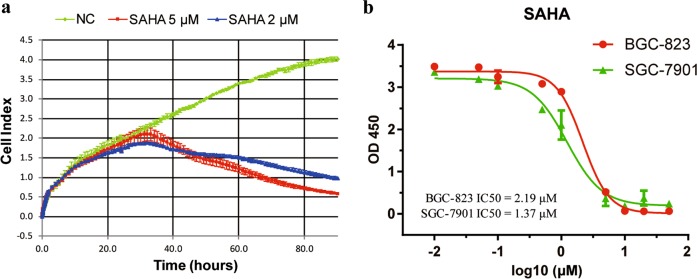
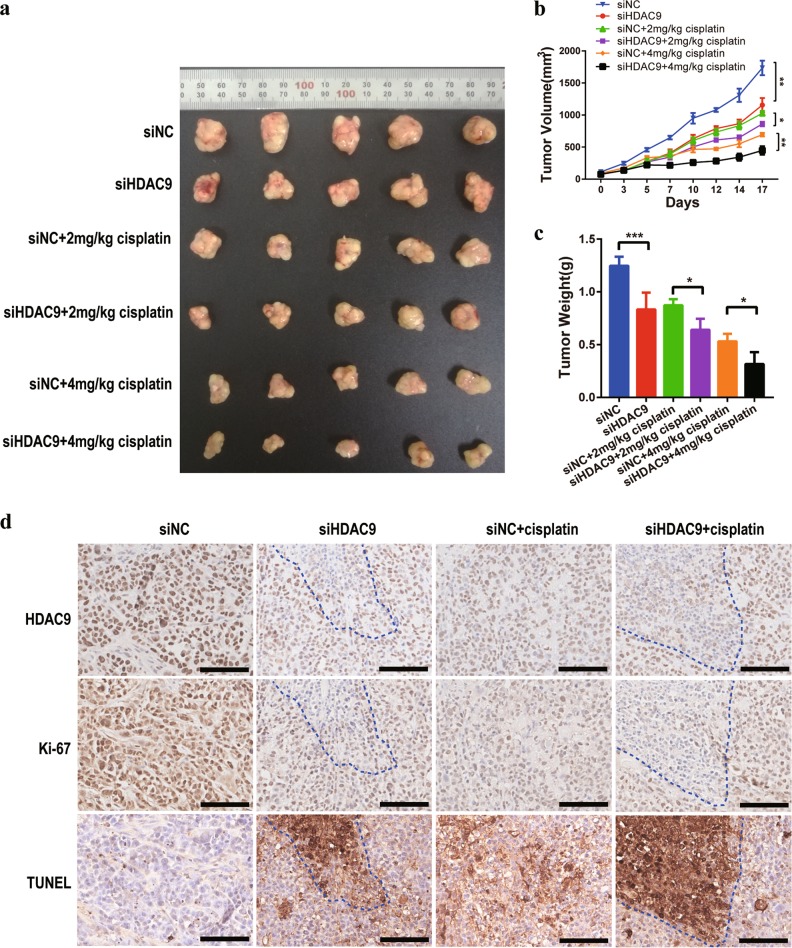
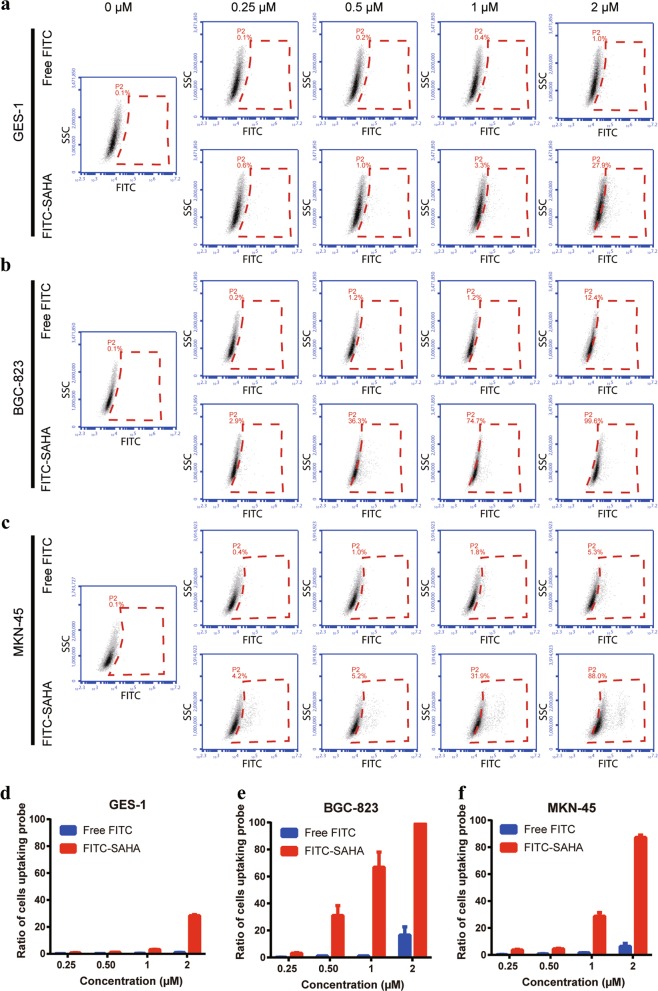
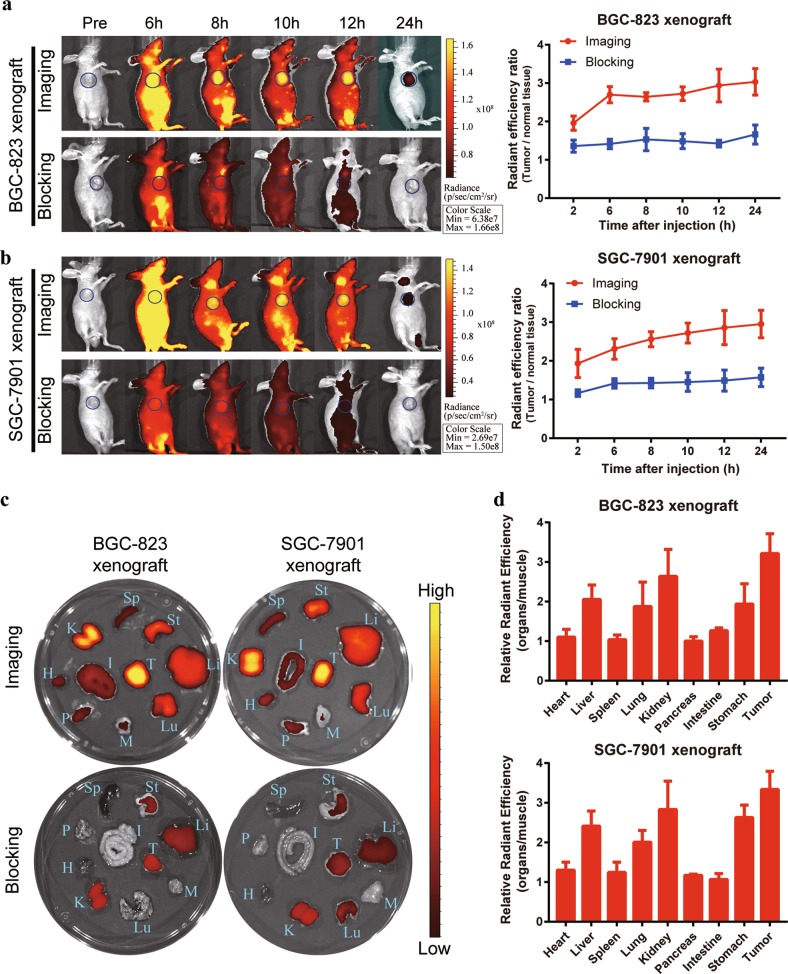
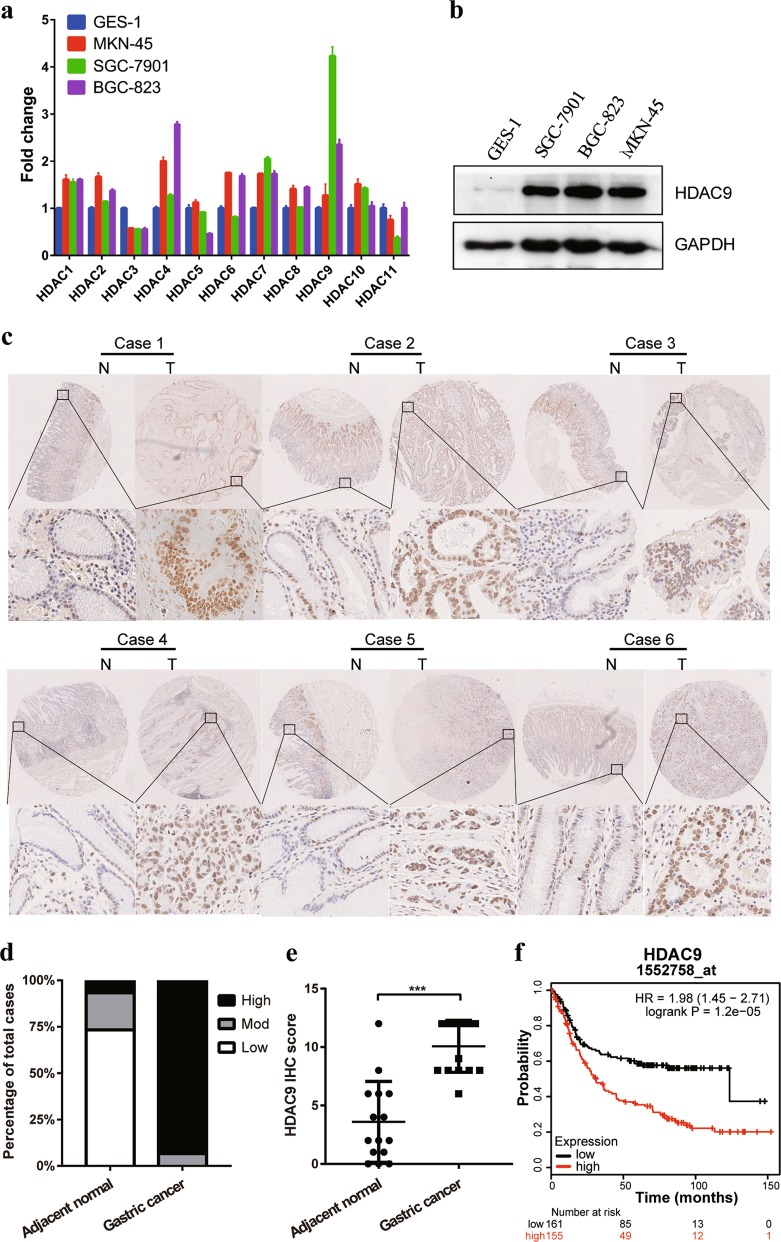
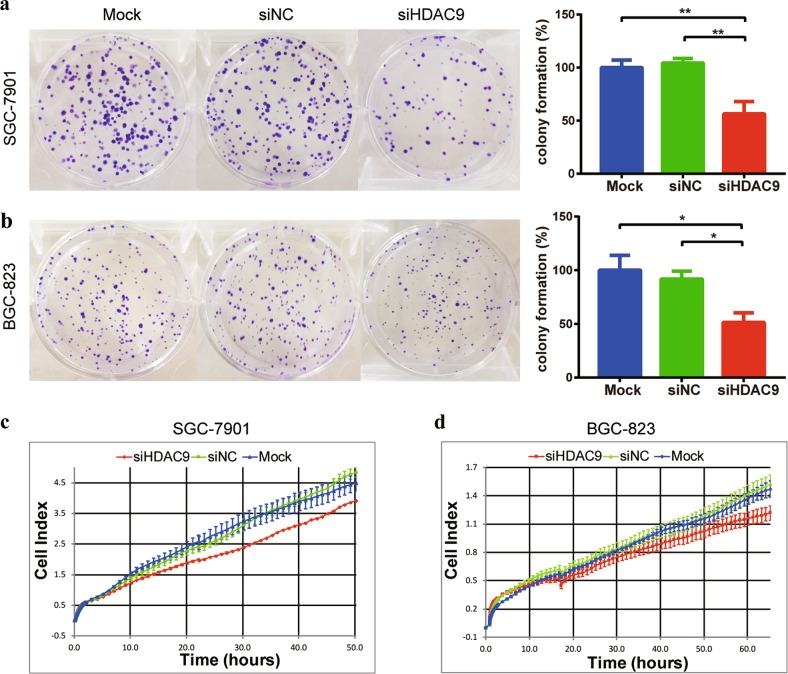
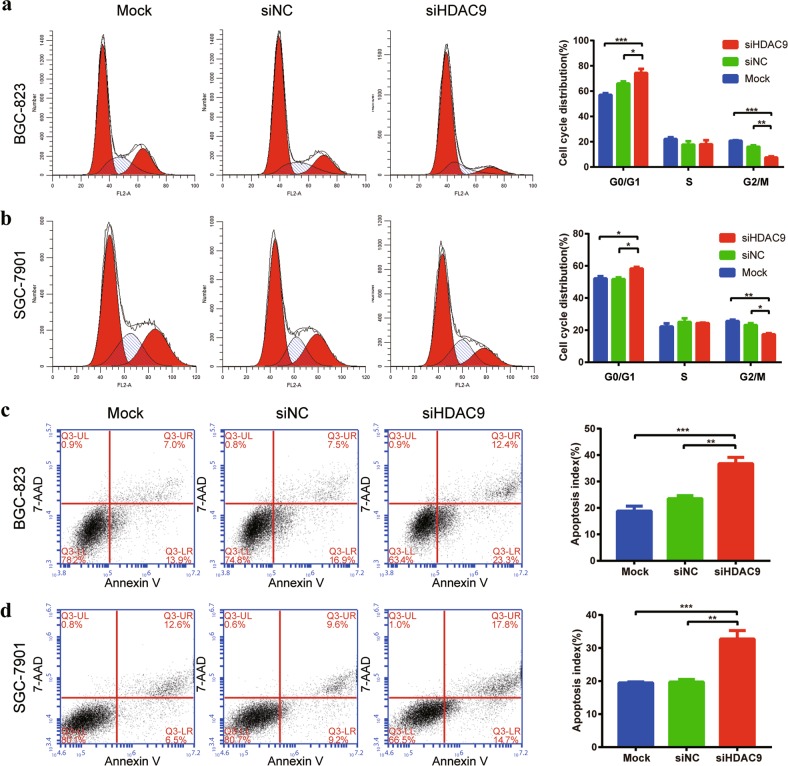
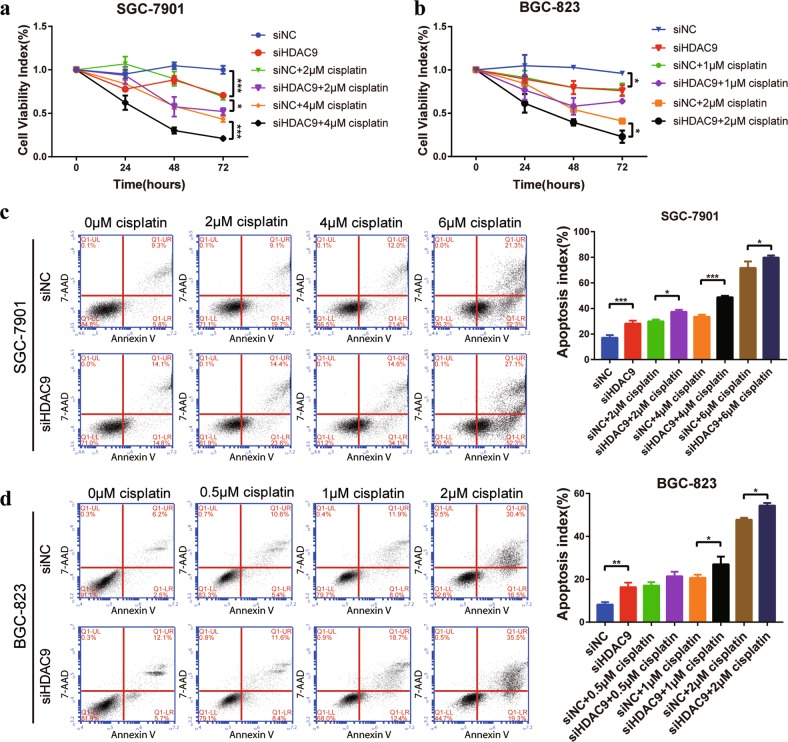
Histone deacetylase inhibitors (HDACis) are a new class of anticancer drugs confirmed to have good therapeutic effects against gastric cancer (GC) in preclinical experiments, but most HDACis are non-selective (pan-HDACis), with highly toxic side effects. Therefore, it is necessary to screen HDAC family members that play key roles in GC as therapeutic targets to reduce toxic side effects. In this study, we evaluated the targeting specificity of the HDACi suberoylanilide hydroxamic acid (SAHA) for GC via fluorescence molecular imaging (FMI). In vitro FMI results showed that SAHA had higher binding affinity for GC cells than for normal gastric cells. In vivo FMI of gastric tumor-bearing mice confirmed that SAHA can be enriched in GC tissues. However, there was also a high-concentration distribution in normal organs such as the stomach and lungs, suggesting potential side effects. In addition, we found that among the HDAC family members, HDAC9 was the most significantly upregulated in GC cells, and we verified this upregulation in GC tissues. Further experiments confirmed that knockdown of HDAC9 inhibits cell growth, reduces colony formation, and induces apoptosis and cell cycle arrest. These results suggest that HDAC9 has an oncogenic role in GC. Moreover, HDAC9 siRNA suppressed GC tumor growth and enhanced the antitumor efficacy of cisplatin in GC treatment by inhibiting the proliferation and inducing the apoptosis of GC cells in vitro and in vivo. Our findings suggest that the development of HDAC9-selective HDACis is a potential approach to improve the efficacy of chemotherapy and reduce systemic toxicity.
组蛋白去乙酰化酶抑制剂(HDACi)是一类新型的抗癌药物,已被证实在临床前实验中对胃癌(GC)具有良好的治疗效果,但大多数 HDACi 是非选择性的(pan-HDACi),具有高度的毒副作用。因此,有必要筛选在 GC 中起关键作用的 HDAC 家族成员作为治疗靶点,以降低毒副作用。在这项研究中,我们通过荧光分子成像(FMI)评估了 HDACi 丁酸钠(SAHA)对 GC 的靶向特异性。体外 FMI 结果表明,SAHA 对 GC 细胞的结合亲和力高于正常胃细胞。荷瘤小鼠的体内 FMI 证实,SAHA 可以在 GC 组织中富集。然而,在胃和肺等正常器官中也存在高浓度分布,提示可能存在副作用。此外,我们发现,在 HDAC 家族成员中,HDAC9 在 GC 细胞中表达上调最为显著,并且在 GC 组织中也得到了验证。进一步的实验证实,HDAC9 的敲低抑制细胞生长,减少集落形成,并诱导细胞凋亡和细胞周期停滞。这些结果表明 HDAC9 在 GC 中具有致癌作用。此外,HDAC9 siRNA 通过抑制 GC 细胞的增殖和诱导其凋亡,抑制 GC 肿瘤生长并增强顺铂在 GC 治疗中的抗肿瘤疗效。我们的研究结果表明,开发 HDAC9 选择性 HDACi 是提高化疗疗效和降低全身毒性的一种潜在方法。