Bahmid Nur Alim, Heising Jenneke, Fogliano Vincenzo, Dekker Matthijs
Food Quality and Design Group, Wageningen University and Research, P.O. Box 17, 6700 AA Wageningen, The Netherlands.
Agriculture and Forestry Faculty, Universitas Sulawesi Barat, Majene 91412, Indonesia.
Foods. 2020 Jun 16;9(6):789. doi: 10.3390/foods9060789.
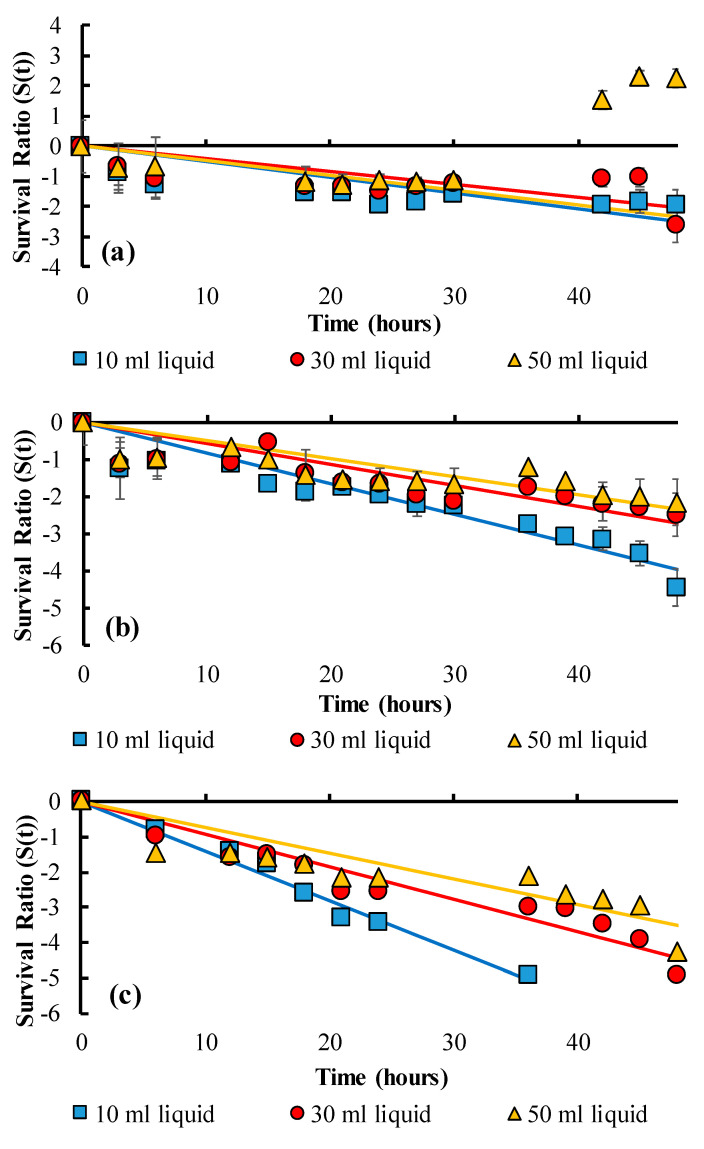
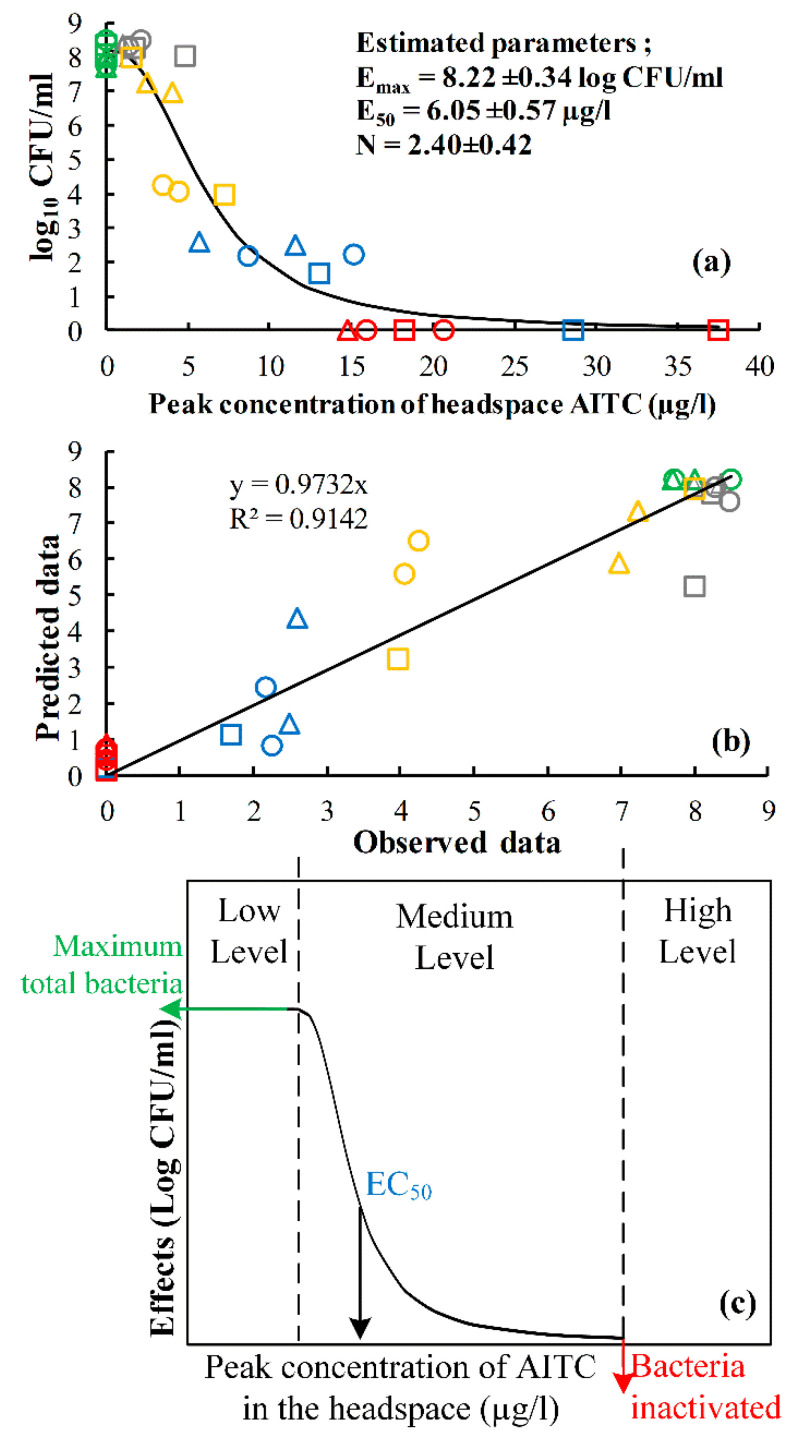
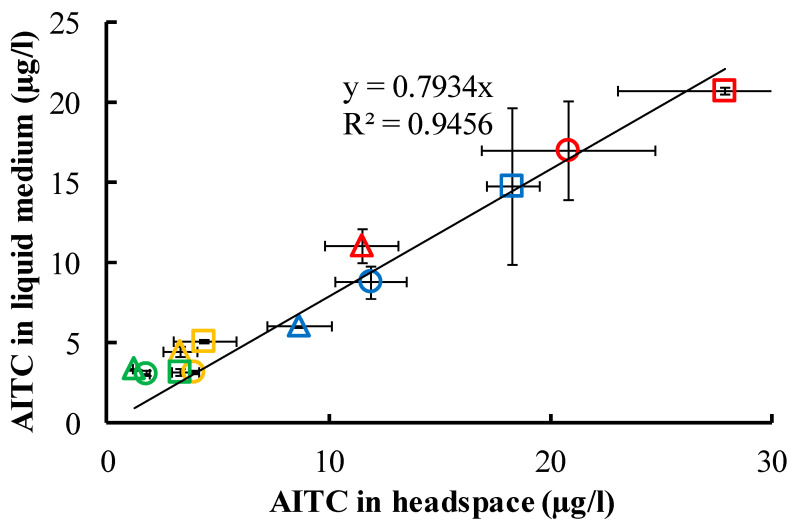
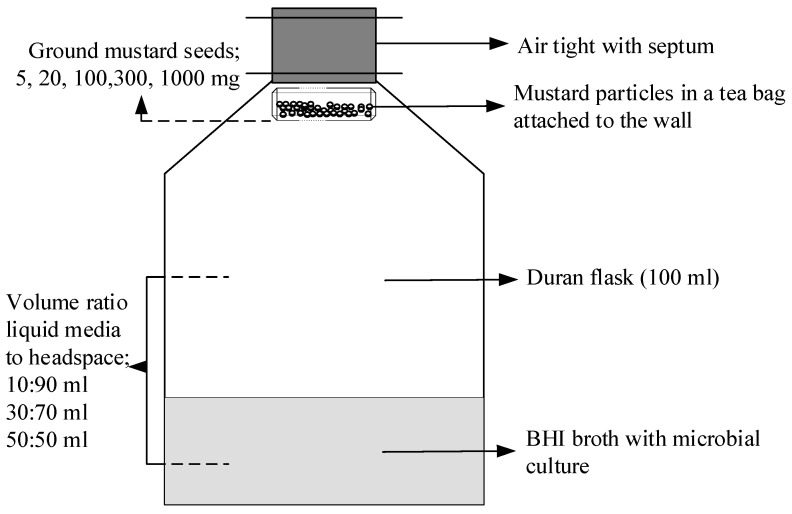
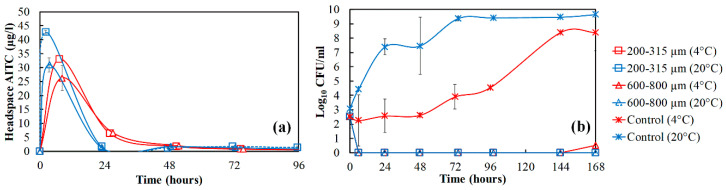
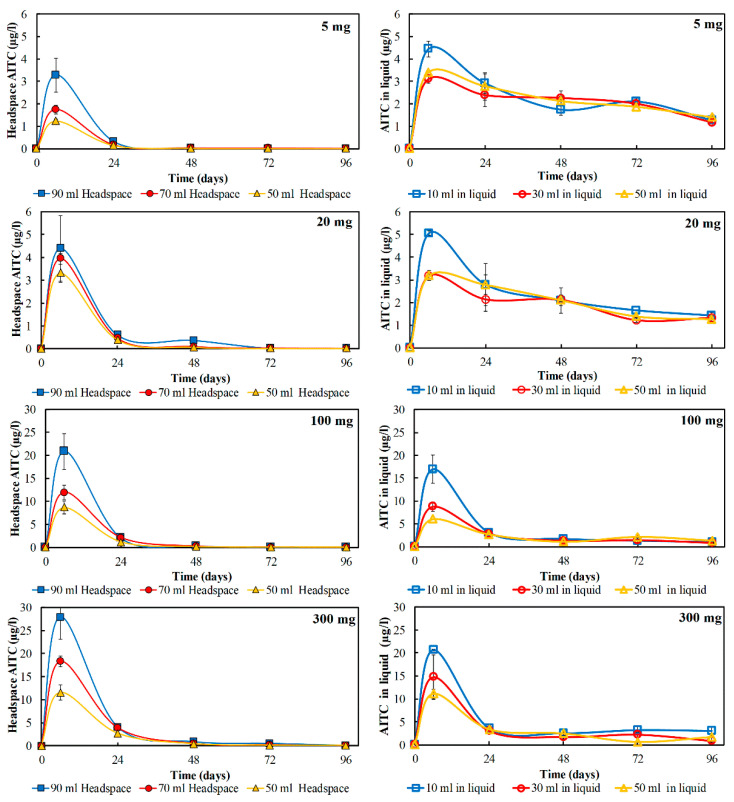
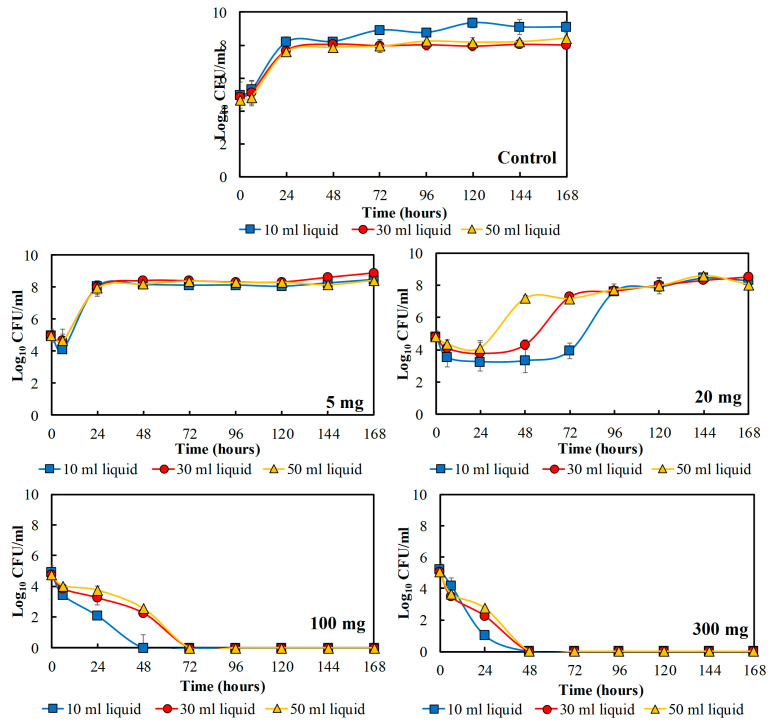
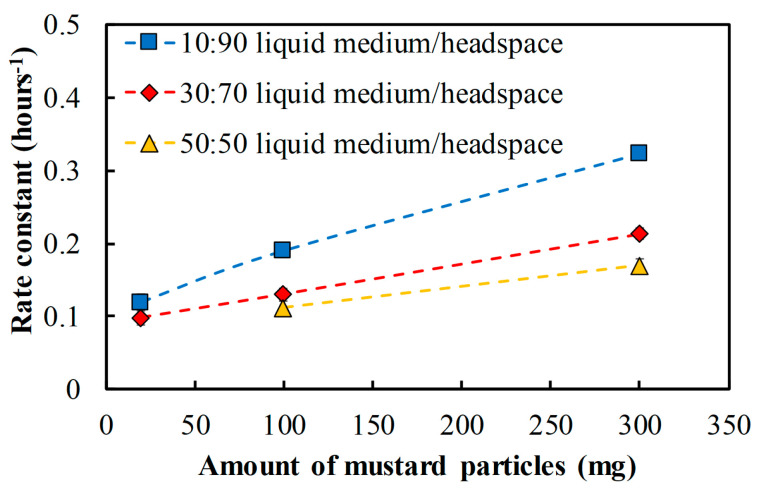
is the dominant spoilage organism in various foods, especially in spoiled milk, fish, and meats. Its growth can be inhibited by releasing allyl isothiocyanate (AITC) from ground mustard seeds in food packages. This paper aims to investigate the antimicrobial potential of ground mustard seeds against growth and the effectiveness of released AITC concentration from mustard seeds on microbial inhibition of the spoilage bacteria growing in the liquid medium. The AITC concentration in the headspace and the liquid medium was measured and the growth of in the liquid medium was monitored. Depending on the concentration of AITC, not only growth was inhibited but a reduction of the total count of was even observed. The inactivation rate (k) of was estimated using first-order inactivation kinetics and the minimum gaseous-released AITC to inactivate was determined. Higher AITC concentration in the headspace and liquid medium was observed when using a higher amount of ground mustard seeds and a lower food to headspace ratio. Increasing the amount of ground mustard seeds (>100 mg per 10 mL liquid medium) led to full inactivation of in 48 hours. By using an inhibition sigmoid E model, the minimum gaseous-released AITC for inactivation of in 48 hours was observed around 15 µg/L headspace. These results indicate that inhibition of the spoilage bacteria and extending the shelf life using ground mustard seeds is only possible by applying a careful design of the packaging system.
是各种食品中占主导地位的腐败菌,尤其是在变质的牛奶、鱼类和肉类中。通过在食品包装中从磨碎的芥末籽释放异硫氰酸烯丙酯(AITC),可以抑制其生长。本文旨在研究磨碎的芥末籽对其生长的抗菌潜力,以及芥末籽释放的AITC浓度对液体培养基中腐败菌的微生物抑制效果。测量了顶空和液体培养基中的AITC浓度,并监测了液体培养基中的生长情况。根据AITC的浓度,不仅生长受到抑制,甚至观察到总数的减少。使用一级失活动力学估计的失活率(k),并确定使失活所需的最低气态释放AITC量。当使用较多量的磨碎芥末籽和较低的食品与顶空比时,在顶空和液体培养基中观察到较高的AITC浓度。增加磨碎芥末籽的量(每10 mL液体培养基>100 mg)会导致在48小时内完全失活。通过使用抑制S型E模型,观察到在48小时内使失活所需的最低气态释放AITC约为15 µg/L顶空。这些结果表明,只有通过精心设计包装系统,使用磨碎芥末籽抑制腐败菌并延长保质期才是可行的。