Computer Science Faculty, Technion-IIT, Haifa, Israel, 32000.
Biomedical Engineering Faculty, Technion-IIT, Haifa, Israel, 32000.
Sci Rep. 2020 Jun 19;10(1):9971. doi: 10.1038/s41598-020-66709-z.
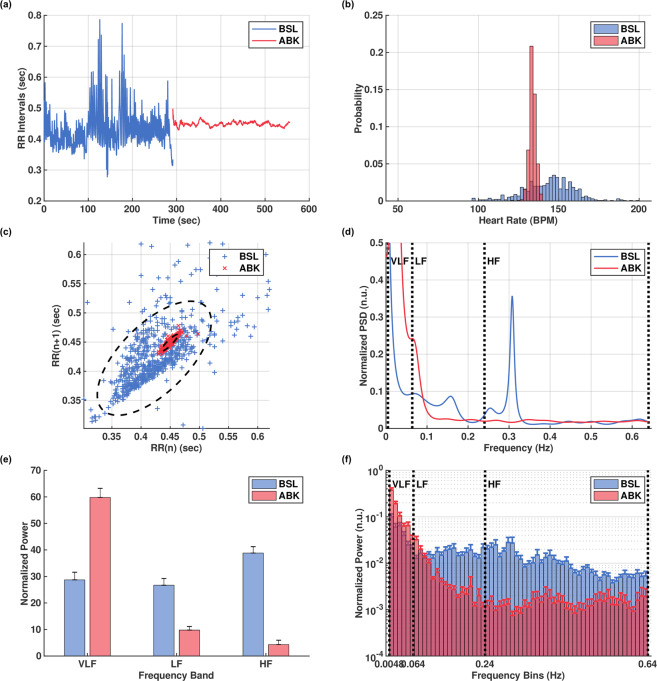
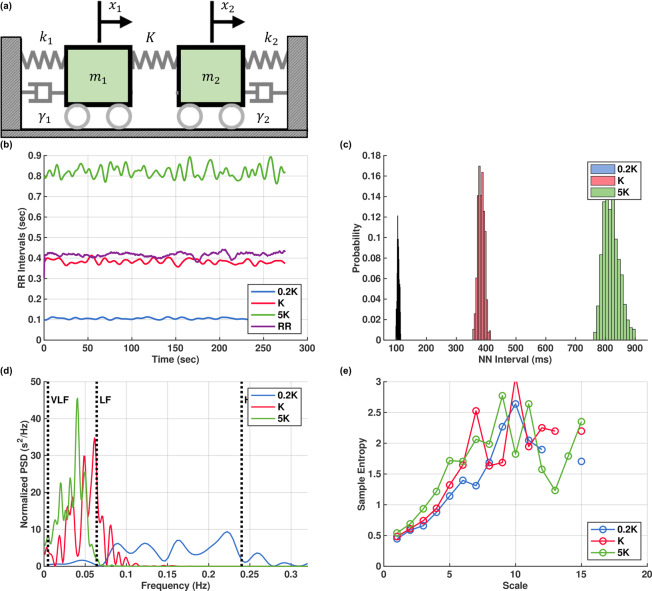
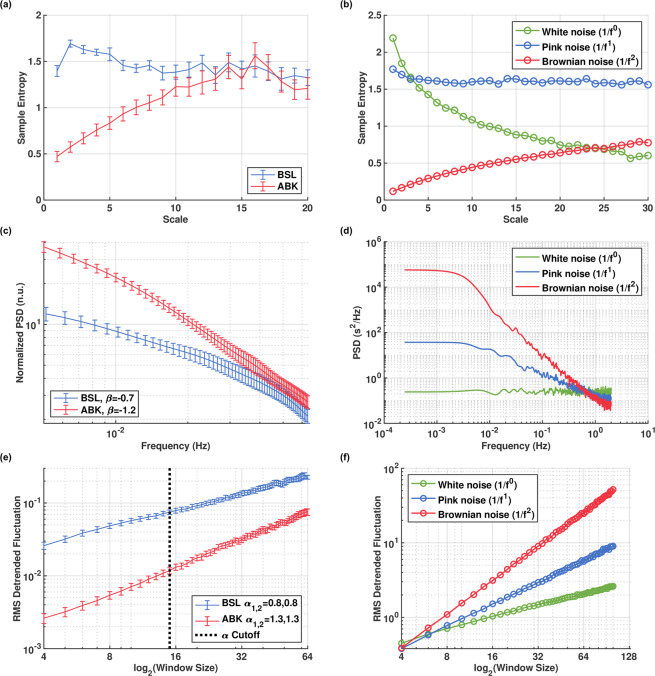
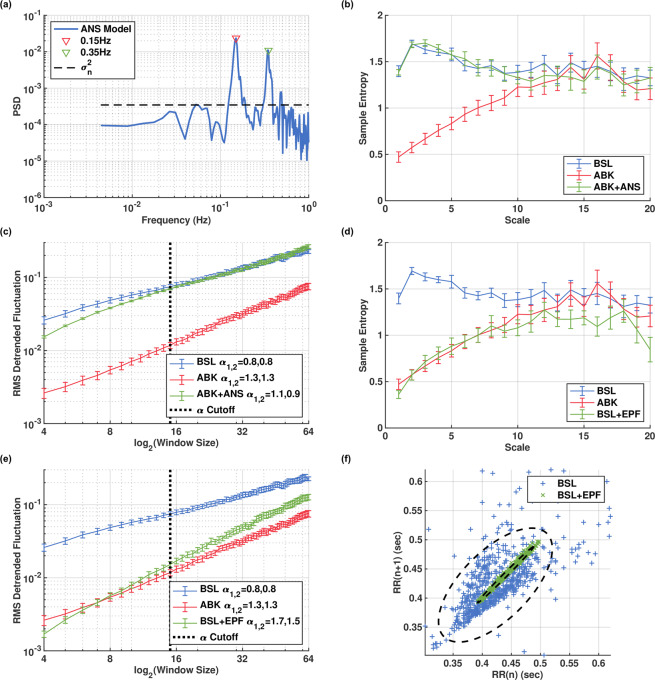
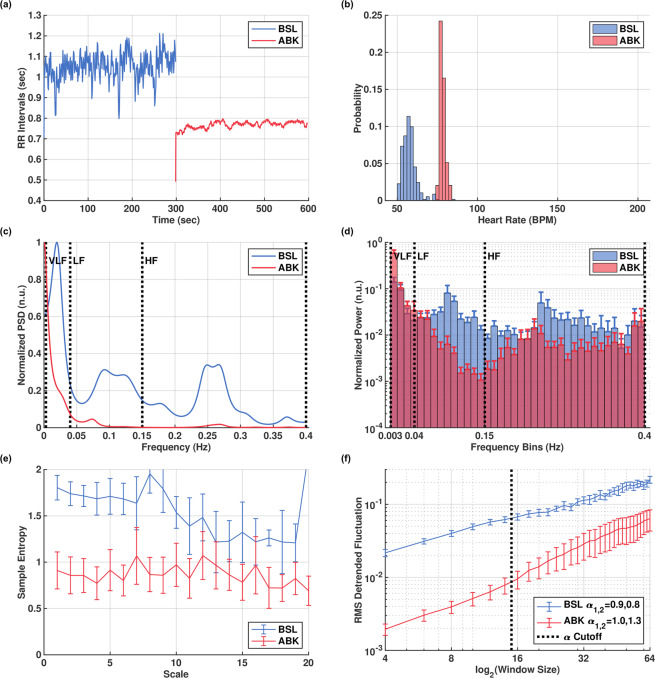
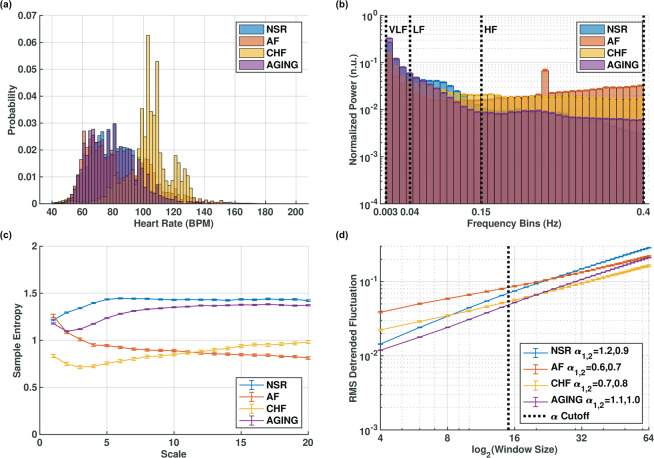
Heart rate and heart rate variability (HRV) are mainly determined by the autonomic nervous system (ANS), which interacts with receptors on the sinoatrial node (SAN; the heart's primary pacemaker), and by the "coupled-clock" system within the SAN cells. HRV changes are associated with cardiac diseases. However, the relative contributions of the ANS and SAN to HRV are not clear, impeding effective treatment. To discern the SAN's contribution, we performed HRV analysis on canine electrocardiograms containing basal and ANS-blockade segments. We also analyzed human electrocardiograms of atrial fibrillation and heart failure patients, as well as healthy aged subjects. Finally, we used a mathematical model to simulate HRV under decreased "coupled-clock" regulation. We found that (a) in canines, the SAN and ANS contribute mainly to long- and short-term HRV, respectively; (b) there is evidence suggesting a similar relative SAN contribution in humans; (c) SAN features can be calculated from beat-intervals obtained in-vivo, without intervention; (d) ANS contribution can be modeled by sines embedded in white noise; (e) HRV changes associated with cardiac diseases and aging can be interpreted as deterioration of both SAN and ANS; and (f) SAN clock-coupling can be estimated from changes in HRV. This may enable future non-invasive diagnostic applications.
心率和心率变异性(HRV)主要由自主神经系统(ANS)决定,它与窦房结(SAN;心脏的主要起搏器)上的受体相互作用,并与 SAN 细胞内的“耦合时钟”系统相互作用。HRV 的变化与心脏疾病有关。然而,ANS 和 SAN 对 HRV 的相对贡献尚不清楚,这阻碍了有效的治疗。为了辨别 SAN 的贡献,我们对包含基础和 ANS 阻断段的犬心电图进行了 HRV 分析。我们还分析了心房颤动和心力衰竭患者以及健康老年受试者的人类心电图。最后,我们使用数学模型模拟了“耦合时钟”调节降低时的 HRV。我们发现:(a)在犬中,SAN 和 ANS 分别主要贡献于长短期 HRV;(b)有证据表明人类存在类似的相对 SAN 贡献;(c)可以从体内获得的心动周期计算出 SAN 特征,而无需干预;(d)可以通过嵌入在白噪声中的正弦波来模拟 ANS 贡献;(e)与心脏疾病和衰老相关的 HRV 变化可以解释为 SAN 和 ANS 的恶化;(f)可以从 HRV 的变化估计 SAN 时钟耦合。这可能为未来的非侵入性诊断应用开辟道路。