Vaidya Gaurang, Czer Lawrence S C, Kobashigawa Jon, Kittleson Michelle, Patel Jignesh, Chang David, Kransdorf Evan, Shikhare Anuja, Tran Hai, Vo Ashley, Ammerman Noriko, Huang Edmund, Zabner Rachel, Jordan Stanley
Cedars-Sinai Smidt Heart Institute, Heart Transplant Program, Cedars Sinai Medical Center, Los Angeles, California.
Cedars-Sinai Smidt Heart Institute, Heart Transplant Program, Cedars Sinai Medical Center, Los Angeles, California.
Transplant Proc. 2020 Nov;52(9):2711-2714. doi: 10.1016/j.transproceed.2020.06.003. Epub 2020 Jun 7.
Severe acute respiratory syndrome coronavirus 2 (SARS-CoV-2) infection is characterized by an overwhelming cytokine response. Various treatment strategies have been attempted.
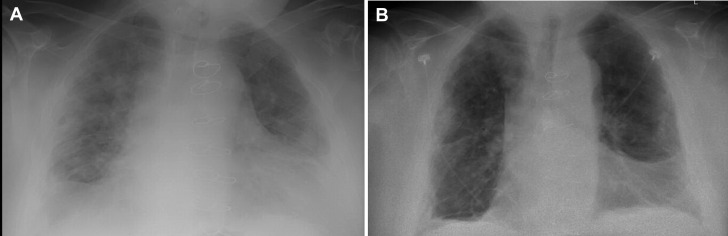
A 61-year-old man with heart transplantation in 2017 presented with fever, cough, and dyspnea, and was confirmed positive for coronavirus disease 2019 (COVID-19). Laboratory tests showed significant elevations in C-reactive protein and interleukin-6 (IL-6). Echocardiogram showed left ventricular ejection fraction 58% (with ejection fraction 57% 6 months prior). Given the lack of clear management guidelines, the patient was initially managed symptomatically. However, the patient subsequently had a rapid respiratory deterioration with worsening inflammatory markers on day 5 of admission. Tocilizumab (anti-IL-6R) was in low supply in the hospital. The patient was offered clazakizumab (anti-IL-6) for compassionate use. Patient received 25 mg intravenously × 1 dose. Within 24 hours, he showed significant improvement in symptoms, oxygen requirements, radiological findings, and inflammatory markers. There was a transient leukopenia that improved in 4 days. He was discharged home on day 11, with negative nasopharyngeal SARS-CoV-2 PCR as an outpatient on day 35, development of positive serum COVID-19 IgG antibody, and he continued to do well on day 60, with no heart-related symptoms.
Clazakizumab is a monoclonal antibody against human IL-6, which may be helpful in inhibiting the cytokine response to SARS-CoV-2 in COVID-19. Although not yet FDA approved, it is being investigated for treatment of renal antibody-mediated rejection. Clinical trials of clazakizumab for treatment of COVID-19 are underway worldwide.
严重急性呼吸综合征冠状病毒2(SARS-CoV-2)感染的特征是细胞因子反应过度。人们尝试了各种治疗策略。
一名2017年接受心脏移植的61岁男性出现发热、咳嗽和呼吸困难,新型冠状病毒肺炎(COVID-19)确诊呈阳性。实验室检查显示C反应蛋白和白细胞介素-6(IL-6)显著升高。超声心动图显示左心室射血分数为58%(6个月前射血分数为57%)。鉴于缺乏明确的管理指南,患者最初接受对症治疗。然而,患者随后在入院第5天出现呼吸迅速恶化,炎症指标加重。托珠单抗(抗IL-6R)在医院供应不足。患者被给予克拉扎珠单抗(抗IL-6)用于同情用药。患者静脉注射25mg×1剂。24小时内,他的症状、氧气需求、影像学表现和炎症指标均有显著改善。出现短暂性白细胞减少,4天内好转。他于第11天出院,第35天门诊时鼻咽SARS-CoV-2 PCR检测呈阴性,血清COVID-19 IgG抗体呈阳性,第60天情况持续良好,无心脏相关症状。
克拉扎珠单抗是一种抗人IL-6单克隆抗体,可能有助于抑制COVID-19中对SARS-CoV-2的细胞因子反应。虽然尚未获得美国食品药品监督管理局(FDA)批准,但正在研究其用于治疗肾抗体介导的排斥反应。全球正在进行克拉扎珠单抗治疗COVID-19的临床试验。