Viral Immunobiology, Institute of Experimental Immunology, University of Zürich, Zürich, Switzerland.
Department of Medical Oncology and Hematology, University and University Hospital of Zürich, Zürich, Switzerland.
Life Sci Alliance. 2020 Jun 23;3(8). doi: 10.26508/lsa.202000640. Print 2020 Aug.
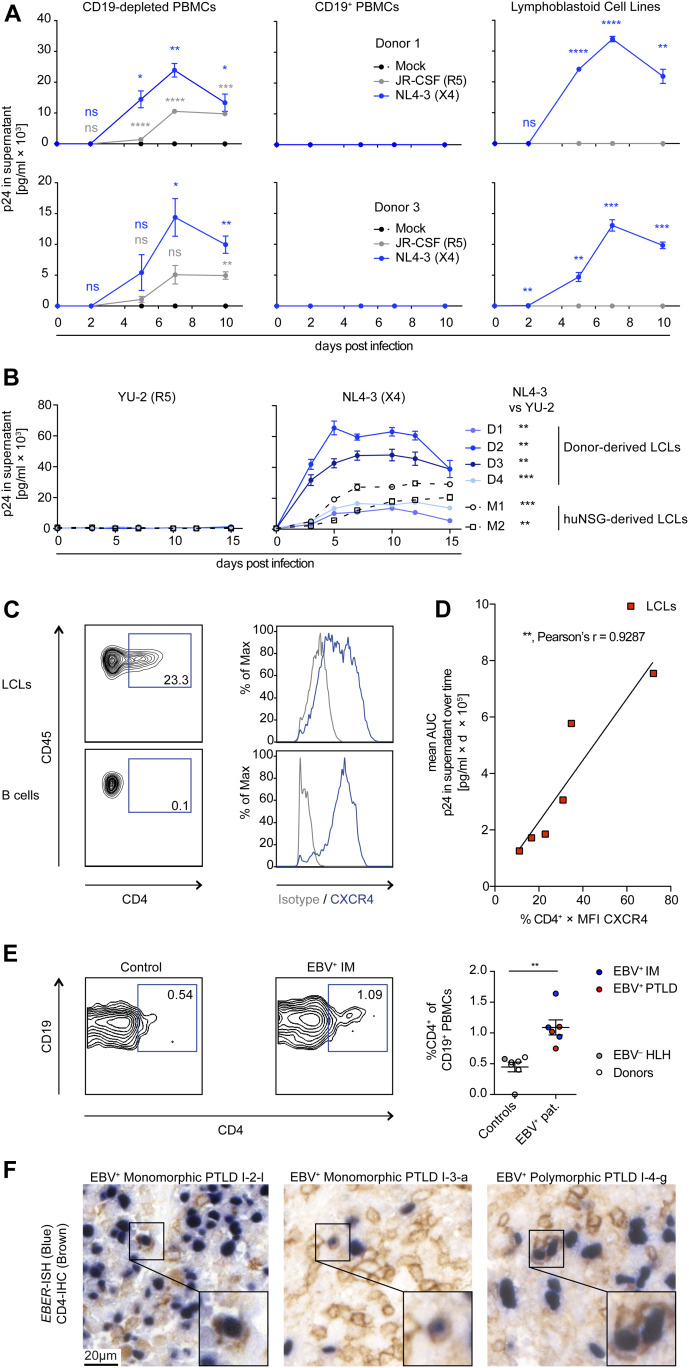
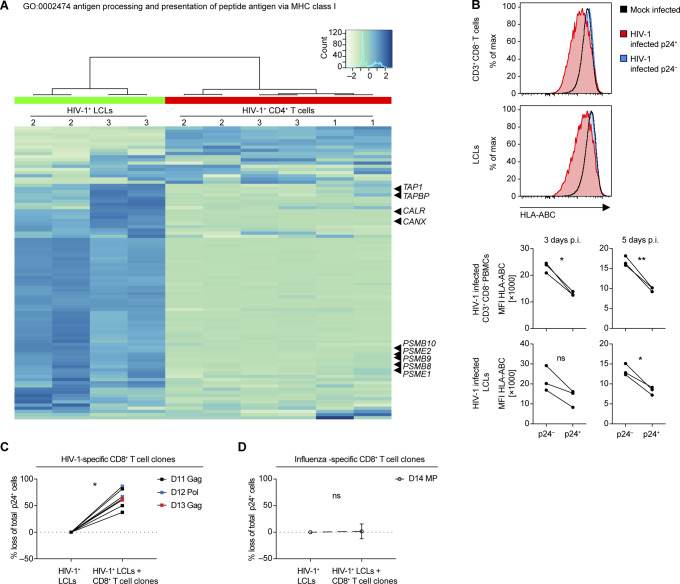
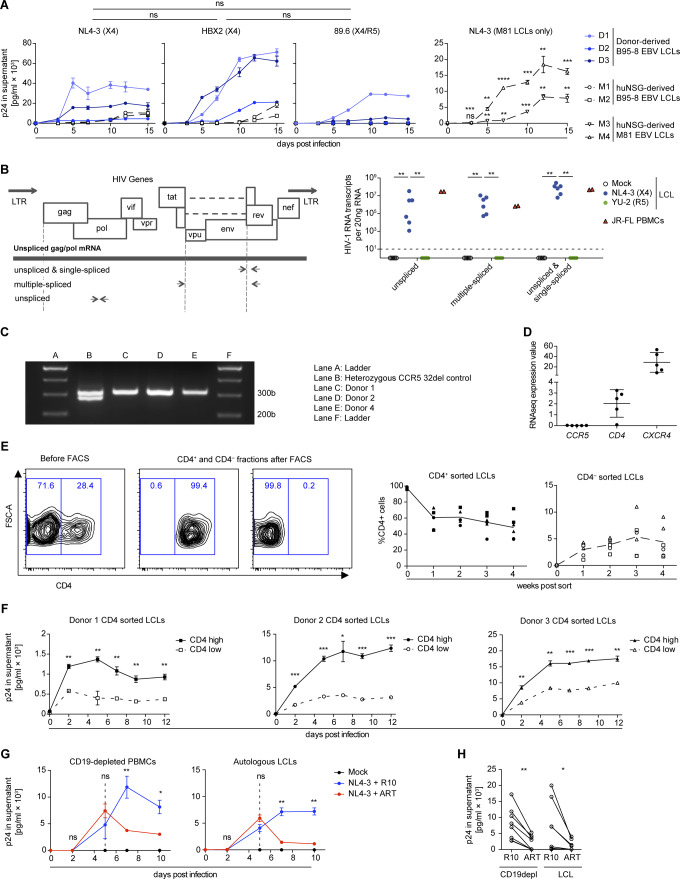
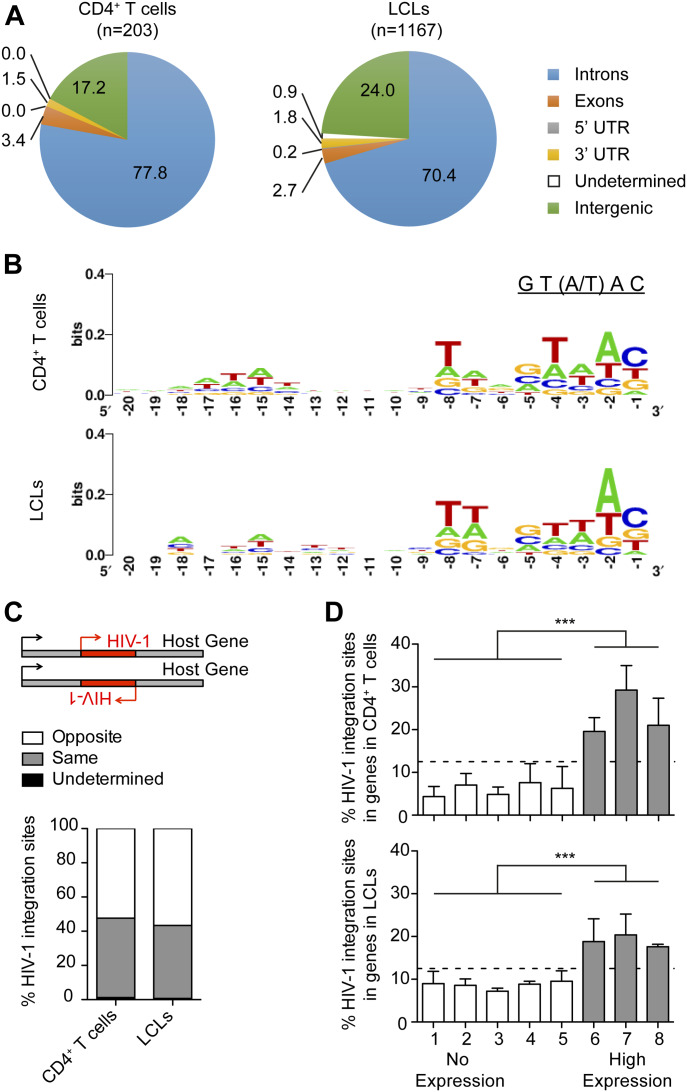
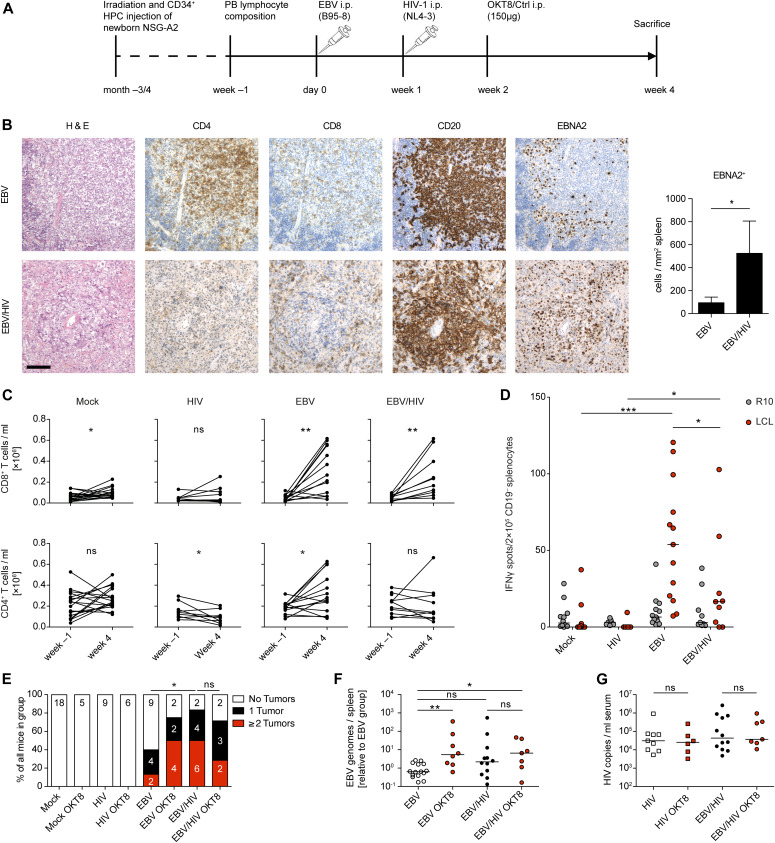
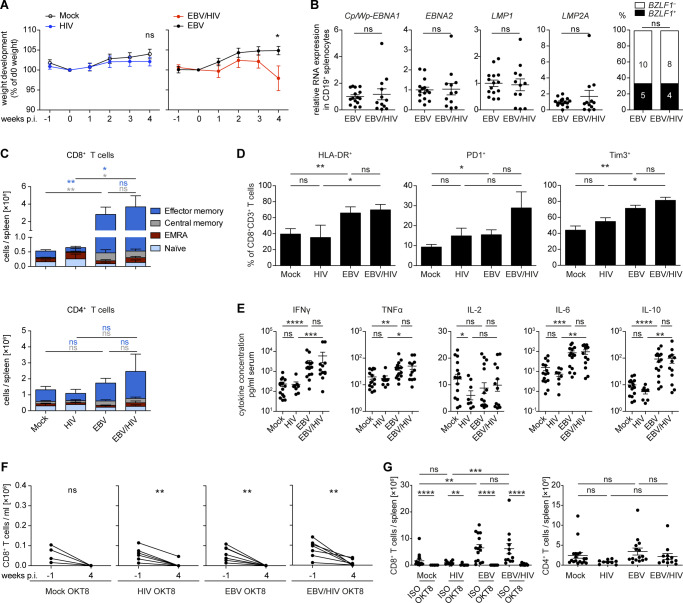
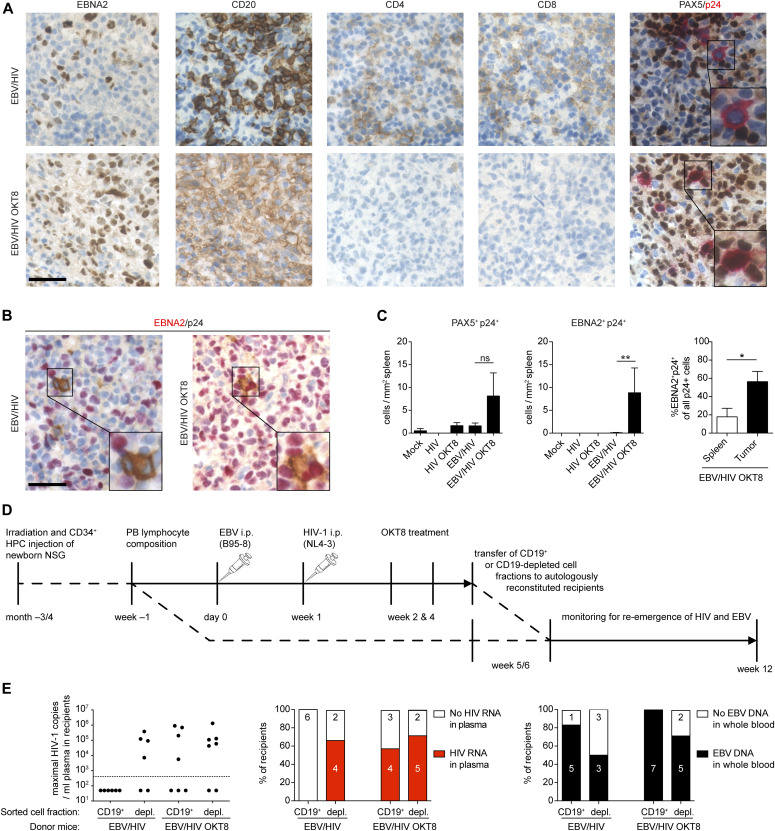
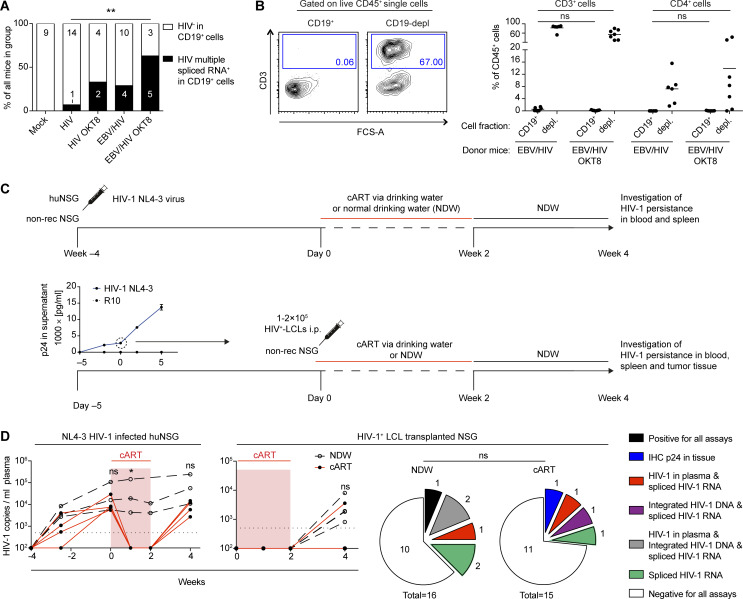
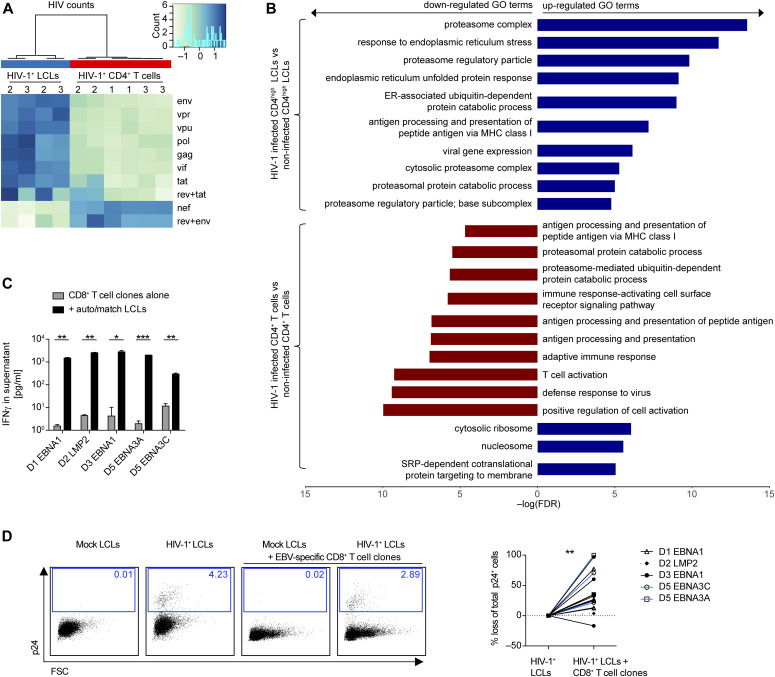
HIV and EBV are human pathogens that cause a considerable burden to worldwide health. In combination, these viruses are linked to AIDS-associated lymphomas. We found that EBV, which transforms B cells, renders them susceptible to HIV-1 infection in a CXCR4 and CD4-dependent manner in vitro and that CXCR4-tropic HIV-1 integrates into the genome of these B cells with the same molecular profile as in autologous CD4 T cells. In addition, we established a humanized mouse model to investigate the in vivo interactions of EBV and HIV-1 upon coinfection. The respective mice that reconstitute human immune system components upon transplantation with CD34 human hematopoietic progenitor cells could recapitulate aspects of EBV and HIV immunobiology observed in dual-infected patients. Upon coinfection of humanized mice, EBV/HIV dual-infected B cells could be detected, but were susceptible to CD8 T-cell-mediated immune control.
HIV 和 EBV 是人病原体,对全球健康造成了相当大的负担。这两种病毒结合在一起与艾滋病相关的淋巴瘤有关。我们发现,在体外,转化 B 细胞的 EBV 以 CXCR4 和 CD4 依赖的方式使它们易感染 HIV-1,并且 CXCR4 嗜性 HIV-1 以与自体 CD4 T 细胞相同的分子特征整合到这些 B 细胞的基因组中。此外,我们建立了一种人源化小鼠模型来研究 EBV 和 HIV-1 在合并感染时的体内相互作用。在用 CD34 人造血祖细胞移植后重建人免疫系统成分的各自小鼠可以重现双感染患者中观察到的 EBV 和 HIV 免疫生物学的某些方面。在人源化小鼠的合并感染中,可以检测到 EBV/HIV 双重感染的 B 细胞,但易受 CD8 T 细胞介导的免疫控制。