
月桂酸聚氧乙烯醚胶束对沙门氏菌的抗菌效果因表面活性剂、血清型和应激反应而异。
Antimicrobial Efficacy of Pelargonic Acid Micelles against Salmonella varies by Surfactant, Serotype and Stress Response.
机构信息
Center for Food Safety, College of Agricultural and Environmental Sciences, University of Georgia, Griffin, Georgia, USA.
Department of Food Science & Technology, University of Georgia, Griffin, GA, USA.
出版信息
Sci Rep. 2020 Jun 24;10(1):10287. doi: 10.1038/s41598-020-67223-y.
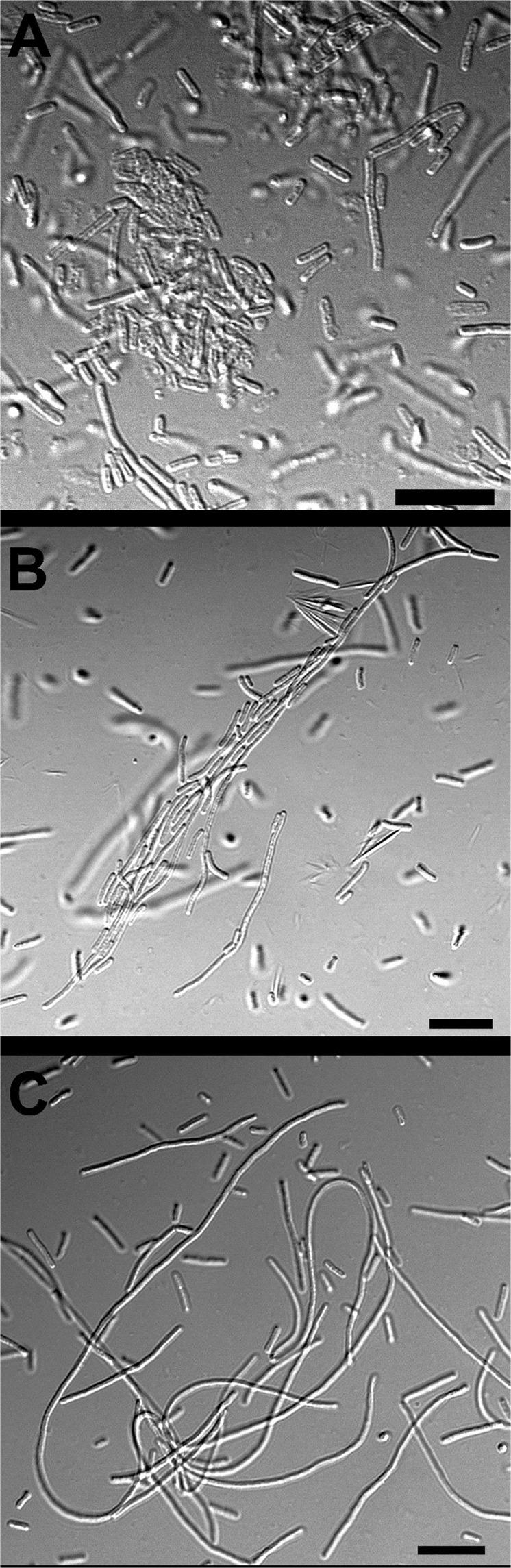
The antimicrobial properties of Pelargonic acid (PA), a component of tomatoes, makes it an attractive candidate as a food additive and sanitizer. The antimicrobial efficacy of PA emulsions generated using surfactants: Tween 80, Triton X100, Sodium Dodecyl Sulfate (SDS) and Quillaja Saponin was evaluated against Salmonella serotypes Newport, Oranienburg and Typhimurium. Micelle/dropletsize, and minimal inhibitory concentrations (MIC) were determined. Surfactant type and concentration significantly influenced the antimicrobial efficacy of PA (p < 0.05). Overall, Salmonella Newport was the most (p < 0.05) susceptible serotype to PA emulsions. PA emulsions generated with 1.00% SDS had the highest (p < 0.05) antimicrobial activity, with MIC of 7.82 mM against S. Newport and 15.62 mM against S. Oranienburg/S. Typhimurium, respectively. Addition of PA to Trypticase Soy Broth resulted in a decreased growth rate and an increased lag phase duration. Cells exposed to PA formed elongated filaments (>5 µm). Additionally, Salmonella serotypes Typhimurium and Newport also formed floccular biofilms. PA emulsions at a concentration of 31.25 mM generated using 1% SDS and 1% Quillaja saponin resulted in >6 log CFU/ml reduction in Salmonella population. Althought all PA emulsions evalauted inhibited Salmonella, morphological changes to this antimicrobial varied substantially among the Salmonella serotypes tested.
番茄中一种成分壬酸(PA)具有抗菌特性,使其成为一种有吸引力的食品添加剂和消毒剂候选物。使用表面活性剂:吐温 80、Triton X100、十二烷基硫酸钠(SDS)和皂树皮苷生成的 PA 乳液对肠炎沙门氏菌血清型纽波特、奥兰治堡和伤寒沙门氏菌的抗菌效果进行了评估。测定了胶束/液滴尺寸和最小抑菌浓度(MIC)。表面活性剂类型和浓度显著影响 PA 的抗菌效果(p<0.05)。总体而言,肠炎沙门氏菌纽波特对 PA 乳液最敏感(p<0.05)。含 1.00% SDS 的 PA 乳液具有最高的(p<0.05)抗菌活性,对 S. Newport 的 MIC 为 7.82 mM,对 S. Oranienburg/S. Typhimurium 的 MIC 分别为 15.62 mM。向胰蛋白酶大豆肉汤中添加 PA 会导致生长速度降低和滞后期持续时间延长。暴露于 PA 的细胞形成长丝(>5 µm)。此外,肠炎沙门氏菌血清型伤寒和纽波特也形成絮状生物膜。使用 1% SDS 和 1%皂树皮苷生成浓度为 31.25 mM 的 PA 乳液可使沙门氏菌种群减少>6 log CFU/ml。虽然所有评估的 PA 乳液都抑制了沙门氏菌,但这种抗菌剂对不同血清型沙门氏菌的形态变化有很大差异。



 Zotero 插件